Fewer Children Died Today and Other Headlines You Won't See
What if farmers became guest editors for a week?
Food as a verb thanks
for sponsoring this series

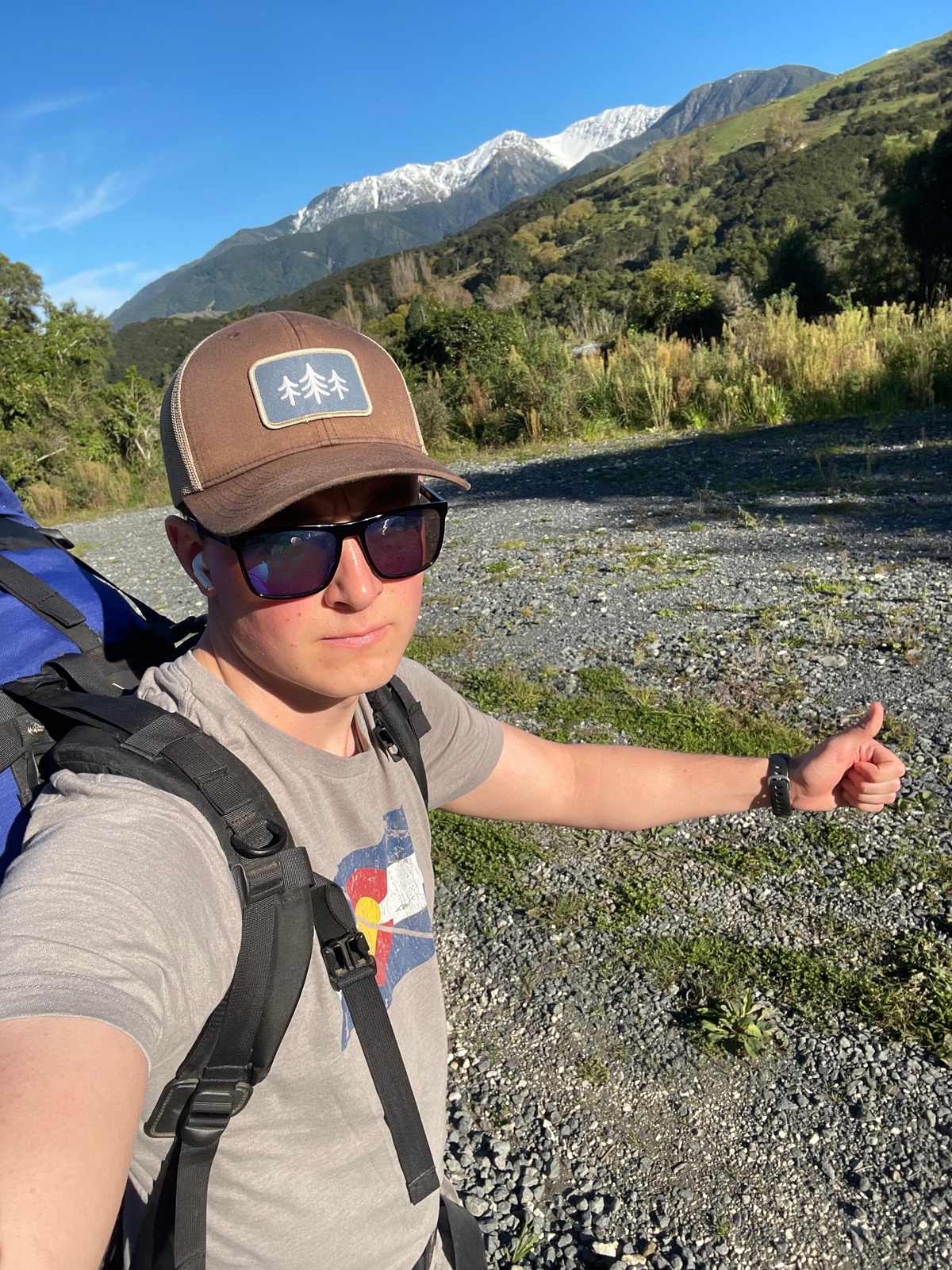
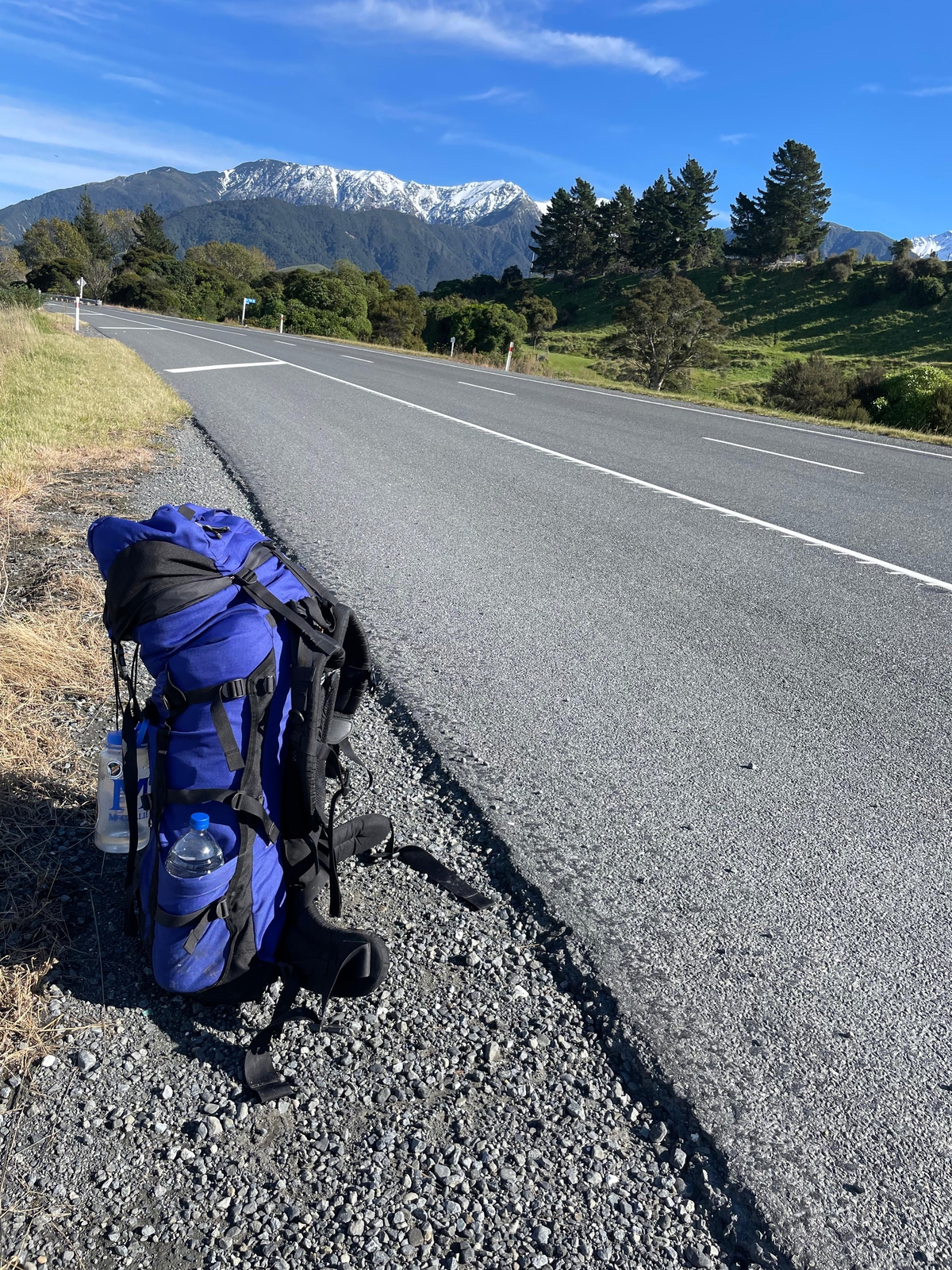
Halfway around the world, our son, studying abroad, needed to stretch his legs. He eyeballed a map, loaded up his backpack and set his sights north towards beauty: the coast.
No car. No plane, bus or train.
He walked out to a nearby road, stood on the shoulder, put out his thumb.
And started hitchhiking.
Hearing this, back home in the states, like 85 time zones away, I got quickly wrapped around the axle: scenes from 80's horror films and Vice headlines clanged across my mind like some imaginal Cormac McCarthy parade.
What would meet him? Fists and knives and rogues and thieves?
Or kindness?
Whose car door would open?
Honestly, I don't blame him. Hitchhiking has a romantic flavor to it, this Kerouac + McCandless vagabond act, placing full reliance on the road and the people traveling it.
But who are those people?
For him, it was a logistics decision — I need to get to the coast — but also a spiritual one. Christ told his folks to travel light, worrying only about today's bread and not tomorrow's.
In other words: surrender.
But so much of hitchhiking (and surrendering) is perspective. How we see others around us is of utmost importance. Do we trust?
You know the polls: greater distrust, enmity, hostility, clenchd fists.
I'm not sure I believe it.
Media has cleaved apart the experiences we have of life with the stories we're told about life. Media commits two falsehoods: it broken-record-headlines all the hate cooking in the soup right now while also prioritizing the absolute worst in human behavior.
This creates a distortion, a story that becomes quite harmful and self-perpetuating.
I don't believe it's true.
For so many of us, cataloging the everyday moments reveals a fabulously rich fabric: life is upheld because of connections and kindness with others.
These moments are almost always small.
This fabric, I suggest, is the defining experience, the gravity behind our world, the net that holds up so much from the deep.
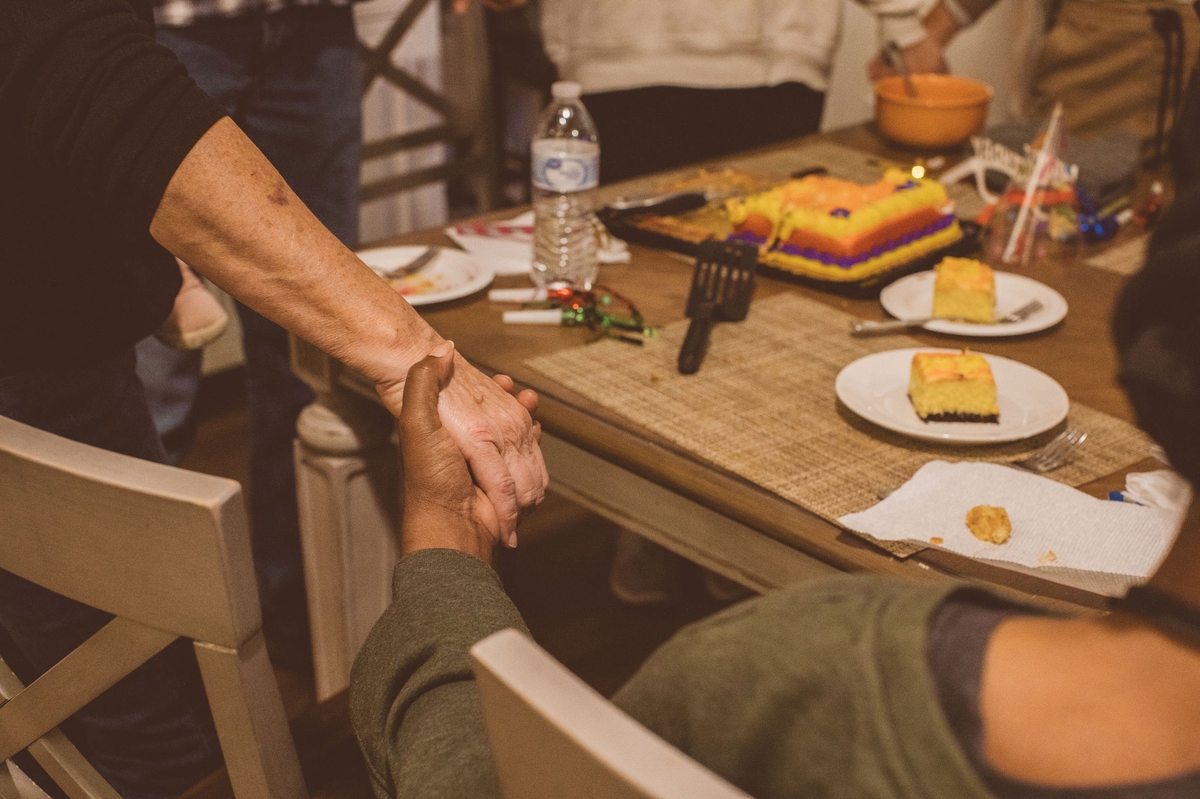
You know me well enough by now: I am not delusionally optimistic. While I have mounds of all the privileges — from class to race to gender — that may allow me to experience the world as safer than it is for you or others, I have also swum for many miles in oceans of heartache. I know full well the world has overwhelming and cruel teeth; I have the scars to prove it.
(This is one reason why we're hosting a dinner on grief in May. Please come join us. Believe it or not, it'll be ... fun!)
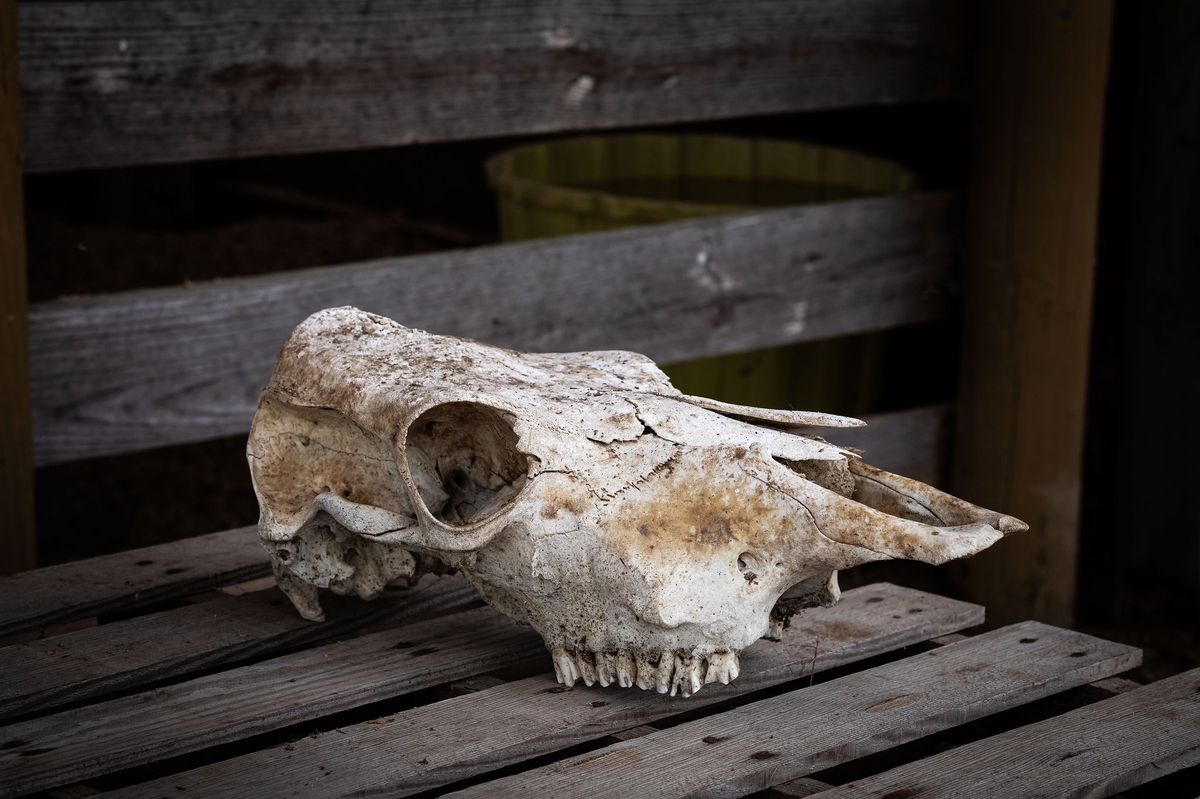
I also have spent years within media. I understand its machinations and backrooms.
Several weeks ago, we began a Little America series: a sort of pre-party for the 250th celebration this July 4.
In Little America, we are defined by community. Our hallmark is generosity.
Think of all the troubles and tragedies we've faced in this region. In each and every instance, communities of strangers have showed up to help.
They also travel to help when trouble strikes other places — Asheville, California, Ukraine — and offer the same stranger-to-stranger care.
Why isn't this reported and prioritized in the same way that violence gets headlines?
It makes no sense: why would strangers help other strangers and receive nothing in return?
Unless, of course, there's an invisible thread running between all of us.
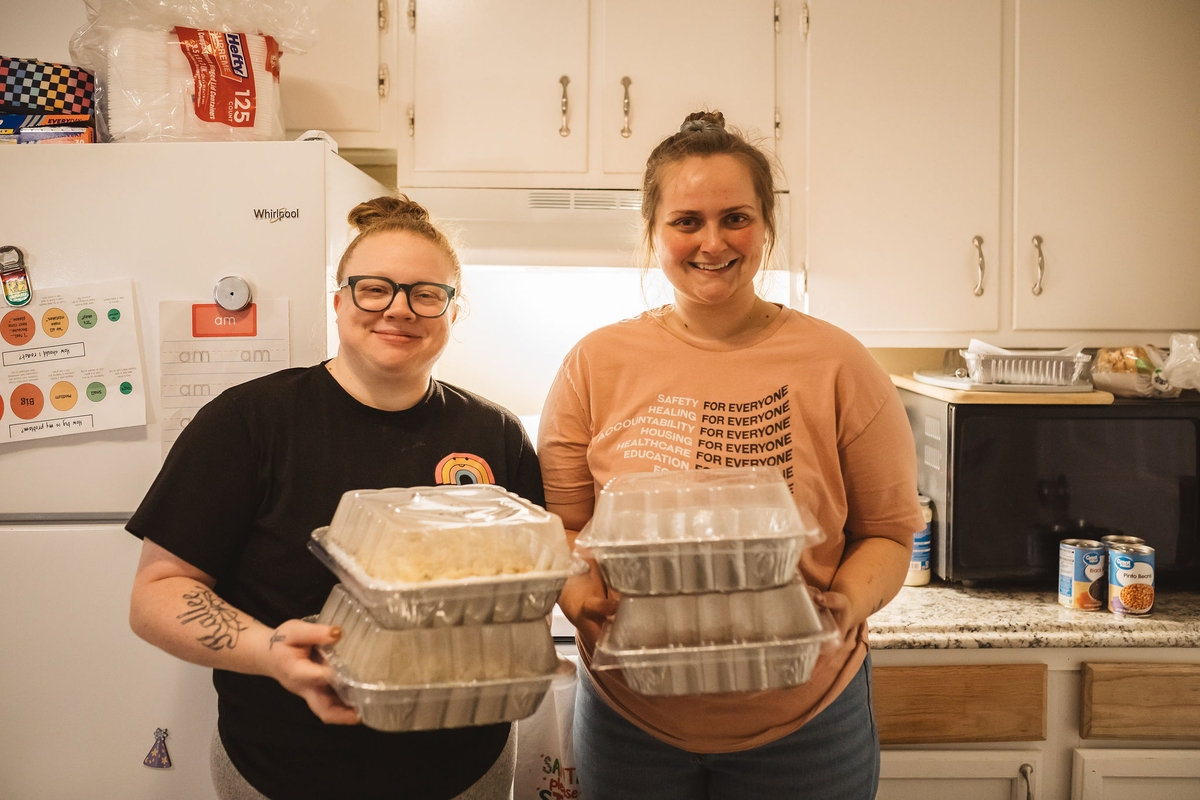
Start playing I-Spy with this. Everywhere you go, you will begin to see moments of connection and kindness; they are neither grand nor self-aggrandizing, but they exist ... and they are legion.
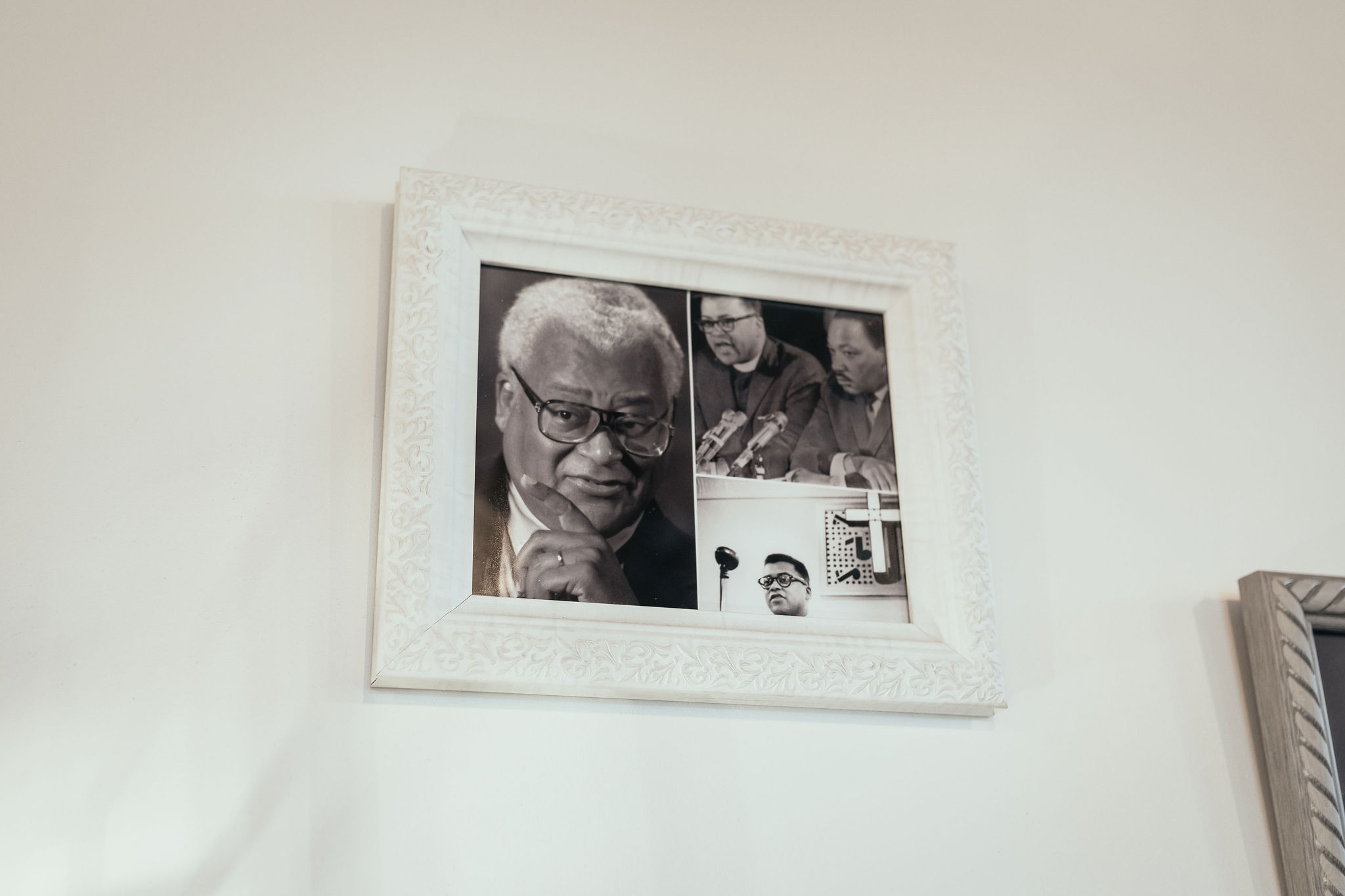
Not long ago, and entirely out of the blue, Larry and Marty Roberts knocked on my door — figuratively, then literally — with a check.
"We believe in Food as a Verb," they said. "We want to help."
But we aren't a non-profit, I said. You can't deduct this.
"Don't care. We want to help."
It was a big, meaty check, the kind that relieves a hell of a lot of pressure.
And it was all done out of generosity, given freely.
We want you to do well. We believe in your work.
Days later, Troy Rogers hosted an event that honored — catered dinner, men in tuxes, standing ovations left and right — the nearly two dozen men who've spent centuries of combined prison time and are now out, free, working on behalf of others, uplifting their community, mentoring young men and women towards a better road.
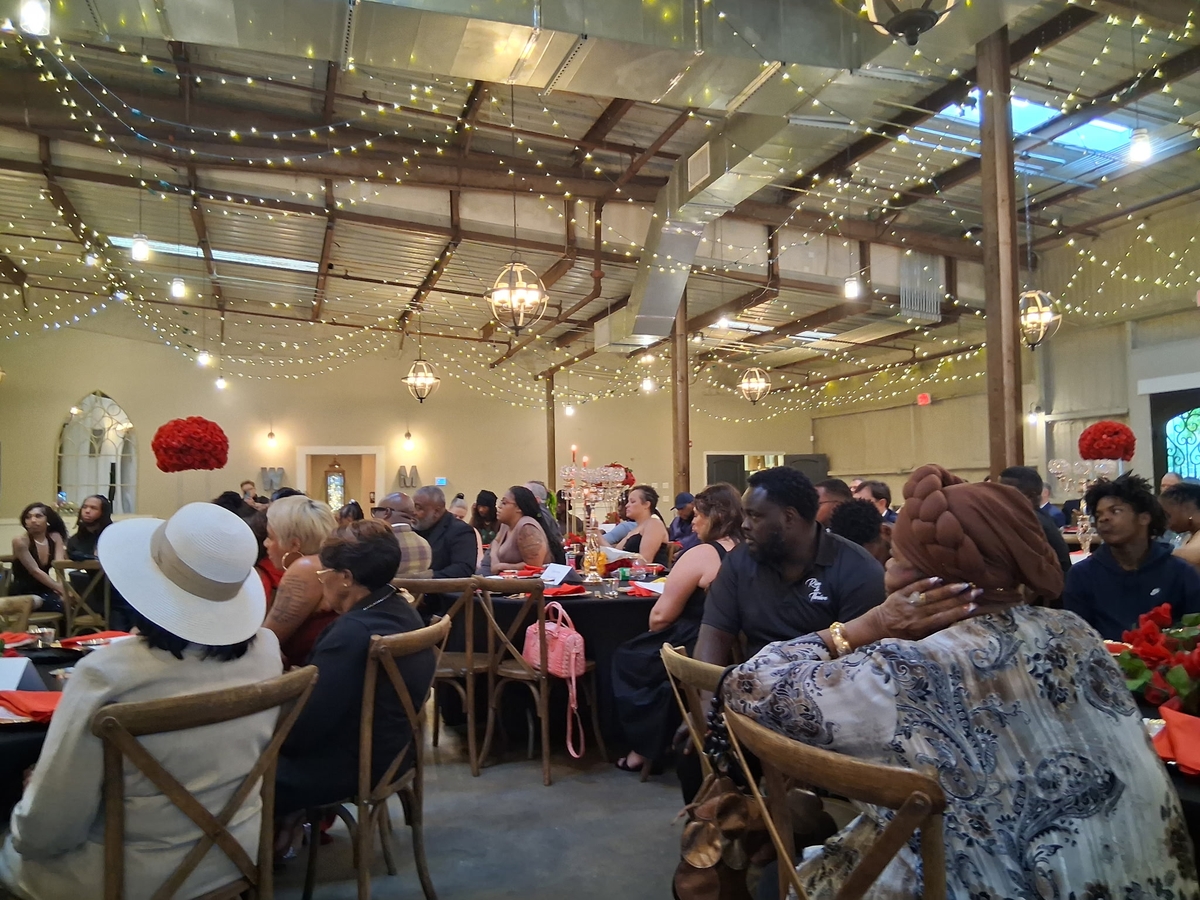
Men like these Chainbreakers.
And their Taco Tuesday program.
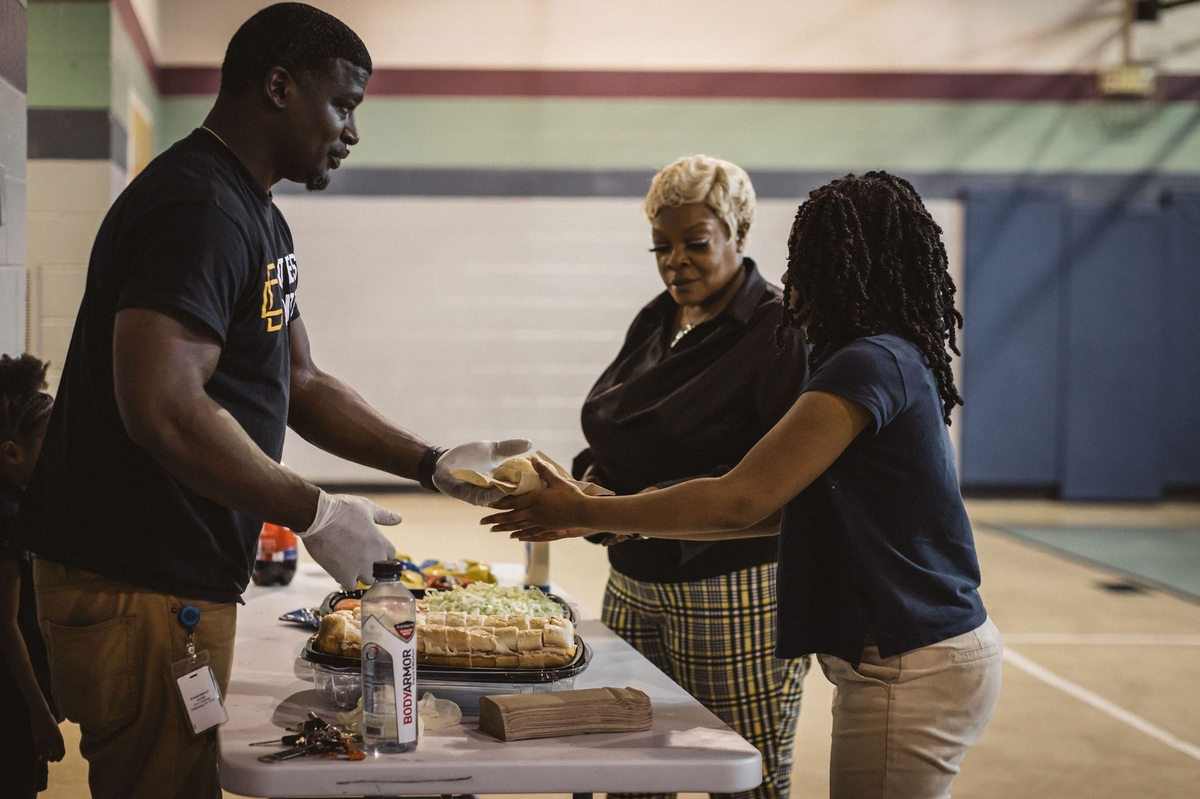
During Troy's Re-entry Gala — you were all invited — celebrated these men with awards and the center-stage spotlight:
Your lives are heroic.
Your lives are the medicine we need.
Thank you for never giving up.
"You are not what your worst days say about you," Troy said.
"Go and keep restoring what has been broken."
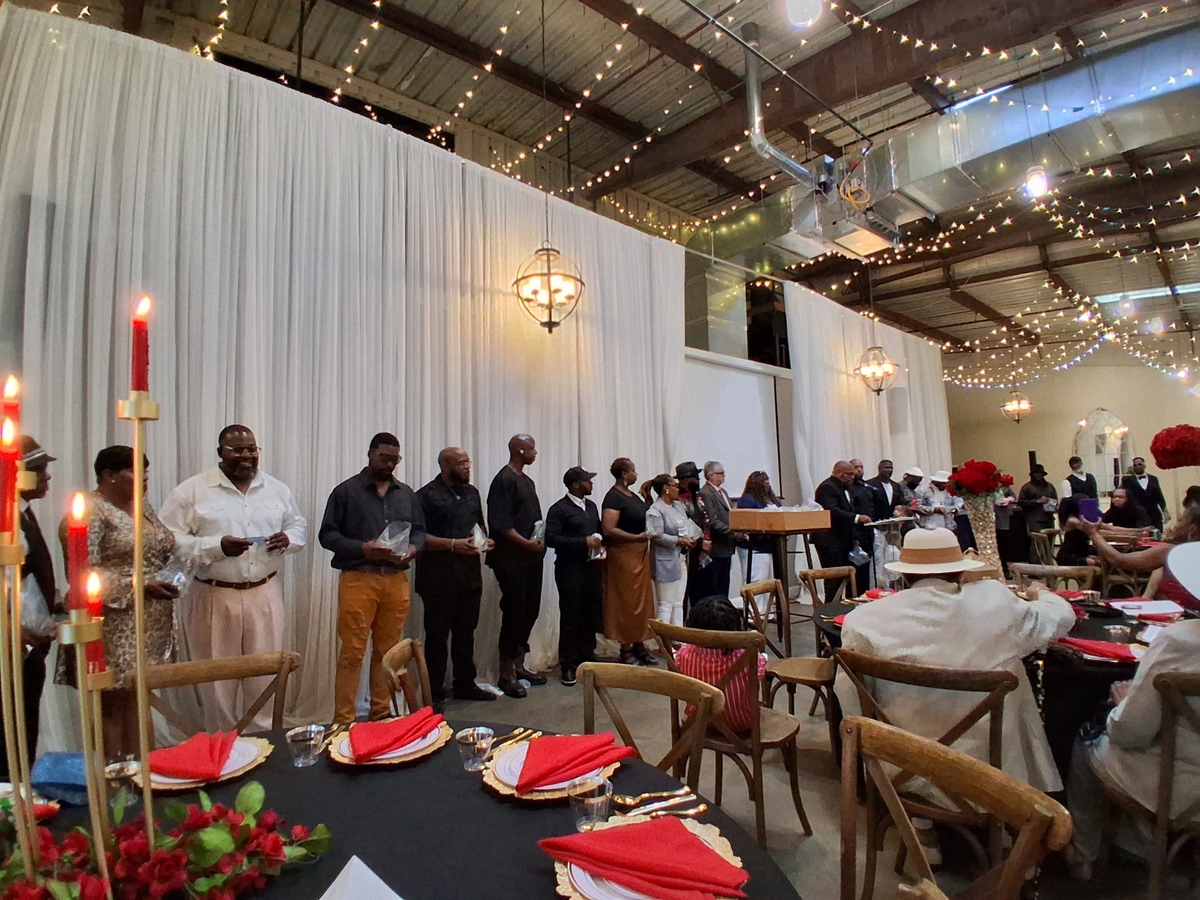
It was one of the most beautiful nights I've seen in a long while.
That same day, just hours before, the HiLo Market debuted its grand opening in Highland Park.
The market was born from the work of three women who have spent months and hundreds of hours volunteering to make this happen.
Why?
It is a love letter to our community, they said.
Well, the opening Saturday's market was beautiful. (See for yourself here!)
We become the stories we surround ourselves with.
Not long ago, the writer John Green appeared on Dan Harris's 10 Percent Happier podcast and said this:
"If we were really to report the most important news story every day, the front page of the New York Times every single day for the last 30 years would read:
Fewer children died today than any day in the last 5,000 years.
That fact alone — we're working towards massive reductions in child mortality — is among the top headlines we need to read, every day.
"It wasn't natural, it wasn't normal, it wasn't ordinary," he said. "It happened because hundreds of millions of people work around the world to make it happen."
Remember U2's Bono?
In 2004, he was offered the editor-for-the-day at The Independent. The front page was all his. Wanting to call attention to the suffering in Africa, he wiped every other news story from the desk, and prioritized this:
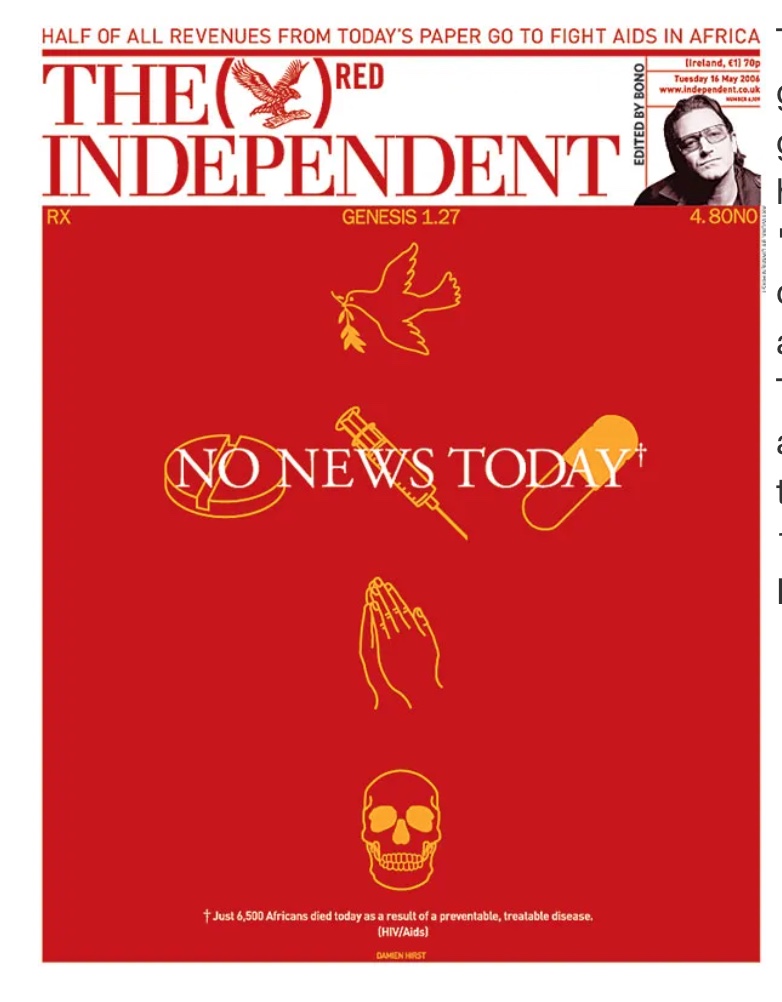
All of it focused on Africa, with the one headline at the bottom:
"6,500 Africans died today as a result of a preventable, treatable disease."
This shows how relative and pliable the news can be. All of it comes back to decisions made by a handful of humans, who prioritize certain stories for certain reasons.
What if farmers became guest editors at US media companies for a week?
What if cattle and grass farmers became reporters?
How different would our media intake appear if folks with dirt under their nails were at the helm?
What if media refused to print irrelevant stories? Or began a hard look at the subtle and invisible ways its storytelling shapes cultural psychosis?
I don't know how to say this enough. Media is a rigged game.
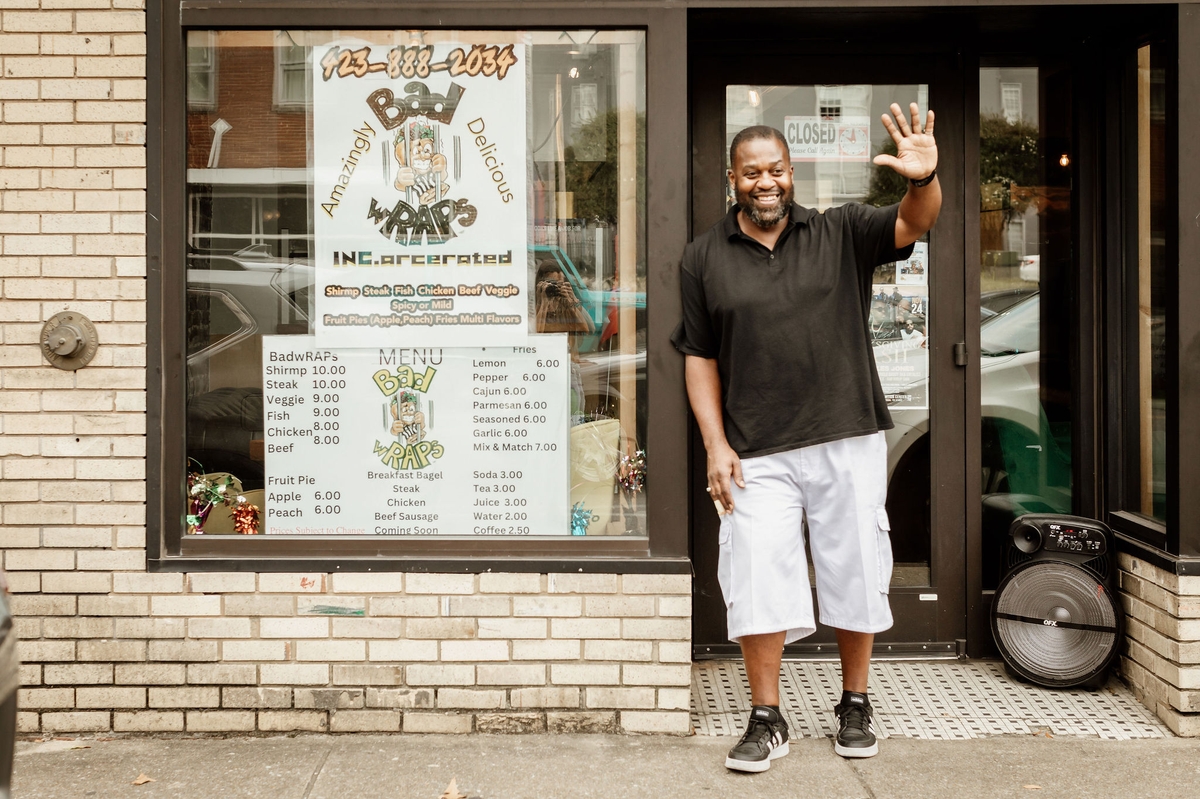
So much of our suffering in Little America doesn't have to happen; it's the result of twisted storytelling that creates an imbalanced perspective. We're taught to fear and hate one another by all the over-hyped stories about fearing and hating one another.
Mirror, mirror on the wall: we see ourselves not at all, but distortedly reflected in the posts and headlines of organizations that often care about one thing: profit.
So when we redial our frequencies around the smaller moments, a new world — hello, Little America — appears. A friend said this shift reminded her of the kingdom of Heaven and the divine attributes of Allah within.
"It's something you have to be quiet enough to notice," she said. "These moments do not have to be overlooked. Maybe as we grow we notice them more, or even if they are overlooked in the moment, they return to us, infinitely."
Yes, amen. Inshallah.
Seeing things from a new perspective helps.
Like the view from the coast, as you step out of the car of a very kind stranger halfway around the world.

Story ideas, questions, feedback? Interested in partnering with us? Email: david@foodasaverb.com
This story is 100% human generated; no AI chatbot was used in the creation of this content.
Halfway around the world, our son, studying abroad, needed to stretch his legs. He eyeballed a map, loaded up his backpack and set his sights north towards beauty: the coast.
No car. No plane, bus or train.
He walked out to a nearby road, stood on the shoulder, put out his thumb.
And started hitchhiking.
Hearing this, back home in the states, like 85 time zones away, I got quickly wrapped around the axle: scenes from 80's horror films and Vice headlines clanged across my mind like some imaginal Cormac McCarthy parade.
What would meet him? Fists and knives and rogues and thieves?
Or kindness?
Whose car door would open?
Honestly, I don't blame him. Hitchhiking has a romantic flavor to it, this Kerouac + McCandless vagabond act, placing full reliance on the road and the people traveling it.
But who are those people?
For him, it was a logistics decision — I need to get to the coast — but also a spiritual one. Christ told his folks to travel light, worrying only about today's bread and not tomorrow's.
In other words: surrender.
But so much of hitchhiking (and surrendering) is perspective. How we see others around us is of utmost importance. Do we trust?
You know the polls: greater distrust, enmity, hostility, clenchd fists.
I'm not sure I believe it.
Media has cleaved apart the experiences we have of life with the stories we're told about life. Media commits two falsehoods: it broken-record-headlines all the hate cooking in the soup right now while also prioritizing the absolute worst in human behavior.
This creates a distortion, a story that becomes quite harmful and self-perpetuating.
I don't believe it's true.
For so many of us, cataloging the everyday moments reveals a fabulously rich fabric: life is upheld because of connections and kindness with others.
These moments are almost always small.
This fabric, I suggest, is the defining experience, the gravity behind our world, the net that holds up so much from the deep.
You know me well enough by now: I am not delusionally optimistic. While I have mounds of all the privileges — from class to race to gender — that may allow me to experience the world as safer than it is for you or others, I have also swum for many miles in oceans of heartache. I know full well the world has overwhelming and cruel teeth; I have the scars to prove it.
(This is one reason why we're hosting a dinner on grief in May. Please come join us. Believe it or not, it'll be ... fun!)
I also have spent years within media. I understand its machinations and backrooms.
Several weeks ago, we began a Little America series: a sort of pre-party for the 250th celebration this July 4.
In Little America, we are defined by community. Our hallmark is generosity.
Think of all the troubles and tragedies we've faced in this region. In each and every instance, communities of strangers have showed up to help.
They also travel to help when trouble strikes other places — Asheville, California, Ukraine — and offer the same stranger-to-stranger care.
Why isn't this reported and prioritized in the same way that violence gets headlines?
It makes no sense: why would strangers help other strangers and receive nothing in return?
Unless, of course, there's an invisible thread running between all of us.
Start playing I-Spy with this. Everywhere you go, you will begin to see moments of connection and kindness; they are neither grand nor self-aggrandizing, but they exist ... and they are legion.
Not long ago, and entirely out of the blue, Larry and Marty Roberts knocked on my door — figuratively, then literally — with a check.
"We believe in Food as a Verb," they said. "We want to help."
But we aren't a non-profit, I said. You can't deduct this.
"Don't care. We want to help."
It was a big, meaty check, the kind that relieves a hell of a lot of pressure.
And it was all done out of generosity, given freely.
We want you to do well. We believe in your work.
Days later, Troy Rogers hosted an event that honored — catered dinner, men in tuxes, standing ovations left and right — the nearly two dozen men who've spent centuries of combined prison time and are now out, free, working on behalf of others, uplifting their community, mentoring young men and women towards a better road.
Men like these Chainbreakers.
And their Taco Tuesday program.
During Troy's Re-entry Gala — you were all invited — celebrated these men with awards and the center-stage spotlight:
Your lives are heroic.
Your lives are the medicine we need.
Thank you for never giving up.
"You are not what your worst days say about you," Troy said.
"Go and keep restoring what has been broken."
It was one of the most beautiful nights I've seen in a long while.
That same day, just hours before, the HiLo Market debuted its grand opening in Highland Park.
The market was born from the work of three women who have spent months and hundreds of hours volunteering to make this happen.
Why?
It is a love letter to our community, they said.
Well, the opening Saturday's market was beautiful. (See for yourself here!)
We become the stories we surround ourselves with.
Not long ago, the writer John Green appeared on Dan Harris's 10 Percent Happier podcast and said this:
"If we were really to report the most important news story every day, the front page of the New York Times every single day for the last 30 years would read:
Fewer children died today than any day in the last 5,000 years.
That fact alone — we're working towards massive reductions in child mortality — is among the top headlines we need to read, every day.
"It wasn't natural, it wasn't normal, it wasn't ordinary," he said. "It happened because hundreds of millions of people work around the world to make it happen."
Remember U2's Bono?
In 2004, he was offered the editor-for-the-day at The Independent. The front page was all his. Wanting to call attention to the suffering in Africa, he wiped every other news story from the desk, and prioritized this:
All of it focused on Africa, with the one headline at the bottom:
"6,500 Africans died today as a result of a preventable, treatable disease."
This shows how relative and pliable the news can be. All of it comes back to decisions made by a handful of humans, who prioritize certain stories for certain reasons.
What if farmers became guest editors at US media companies for a week?
What if cattle and grass farmers became reporters?
How different would our media intake appear if folks with dirt under their nails were at the helm?
What if media refused to print irrelevant stories? Or began a hard look at the subtle and invisible ways its storytelling shapes cultural psychosis?
I don't know how to say this enough. Media is a rigged game.
So much of our suffering in Little America doesn't have to happen; it's the result of twisted storytelling that creates an imbalanced perspective. We're taught to fear and hate one another by all the over-hyped stories about fearing and hating one another.
Mirror, mirror on the wall: we see ourselves not at all, but distortedly reflected in the posts and headlines of organizations that often care about one thing: profit.
So when we redial our frequencies around the smaller moments, a new world — hello, Little America — appears. A friend said this shift reminded her of the kingdom of Heaven and the divine attributes of Allah within.
"It's something you have to be quiet enough to notice," she said. "These moments do not have to be overlooked. Maybe as we grow we notice them more, or even if they are overlooked in the moment, they return to us, infinitely."
Yes, amen. Inshallah.
Seeing things from a new perspective helps.
Like the view from the coast, as you step out of the car of a very kind stranger halfway around the world.
Story ideas, questions, feedback? Interested in partnering with us? Email: david@foodasaverb.com
This story is 100% human generated; no AI chatbot was used in the creation of this content.
Food as a verb thanks our story sponsor:
Food as a Verb Thanks our sustaining partner:
Food as a verb thanks our story sponsor:
Join our table

keep reading