The Civic Emergency That Is Maclellan Island
Here's the story CBS missed.
Food as a verb thanks
for sponsoring this series

In the beginning, we'd come to Maclellan Island see the goats. There are eight goats chomping their days away there, so, as storytellers, we spied the story a mile away:
Island goats eating kudzu in the middle of downtown Chattanooga? That's dynamite.
Not long ago, CBS thought the same thing. And the New York Times. Both came to Chattanooga looking for a good goat story, and we all love good goat stories. (During filming, CBS said it used a "goat-pro" for a camera. Ooof.)
Turns out, they missed the most important story of all.
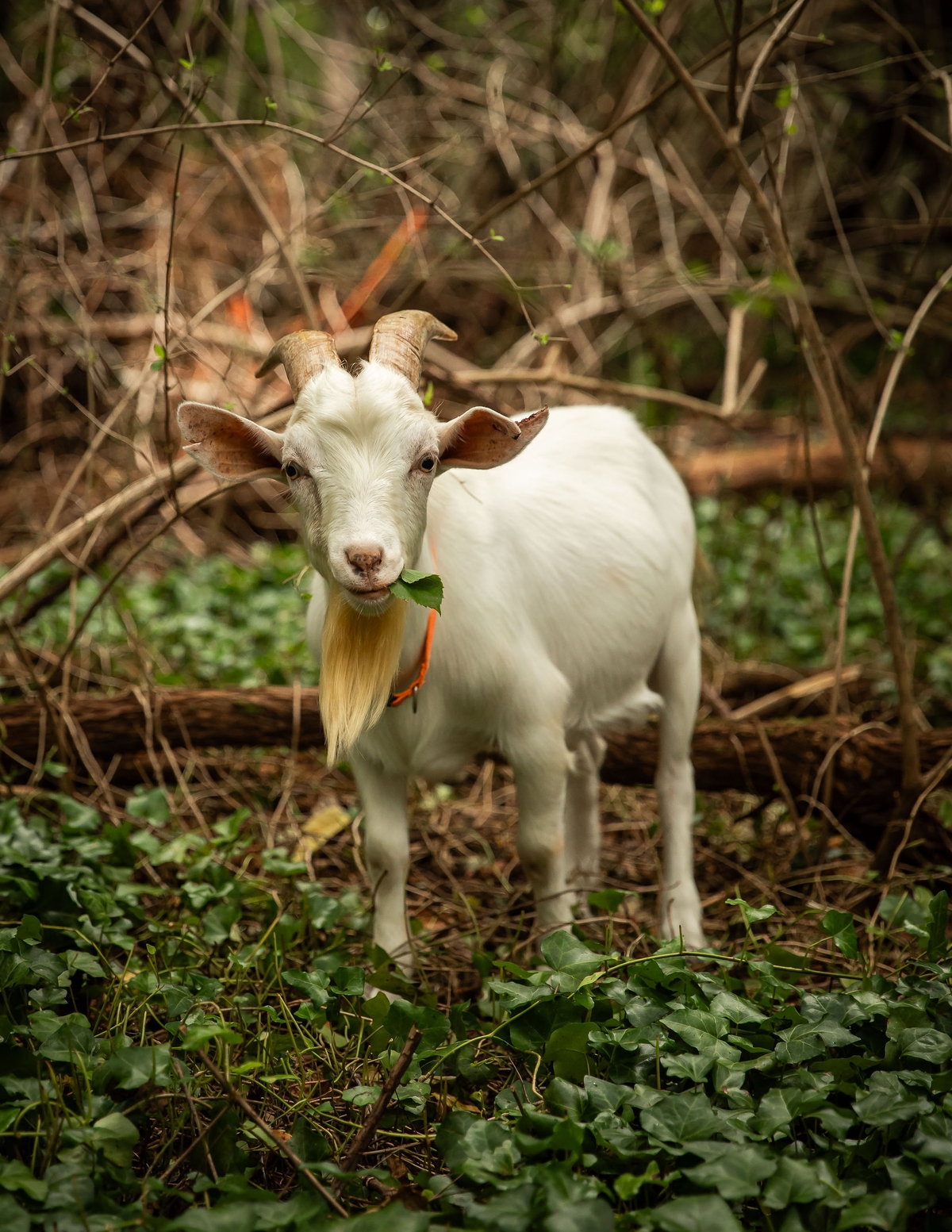
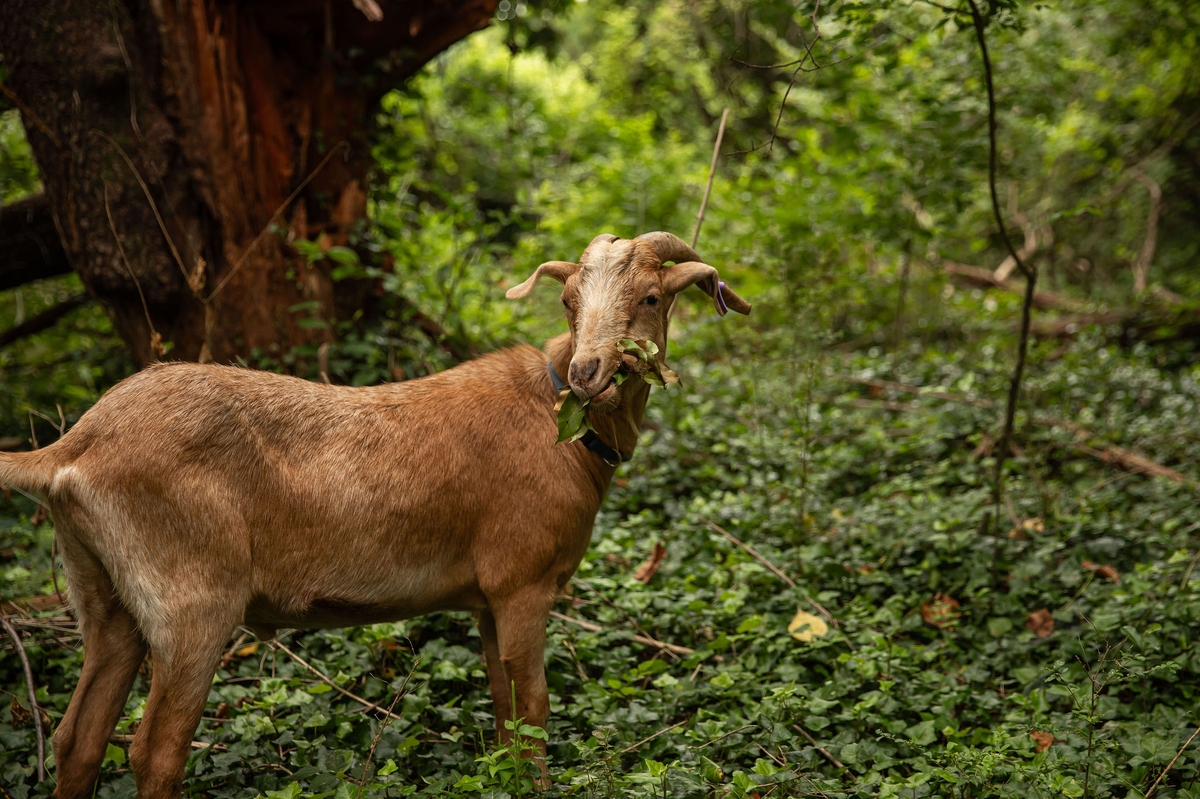
Earlier this summer, we met up with Jim Stewart, longtime director of the Chattanooga Audubon Society, near the old Riverbend stage and pontoon-boated over to Maclellan Island to see the eight goats — island goats, Sarah calls them — that spend their days and nights chewing up a trio of island invasives: ivy, privet and kudzu.
They're Nigerian and Nubian, with names from both Middle-earth and the 70's: Gimley and Beowolf and Penny and Gilligan.
Funny thing, this island.
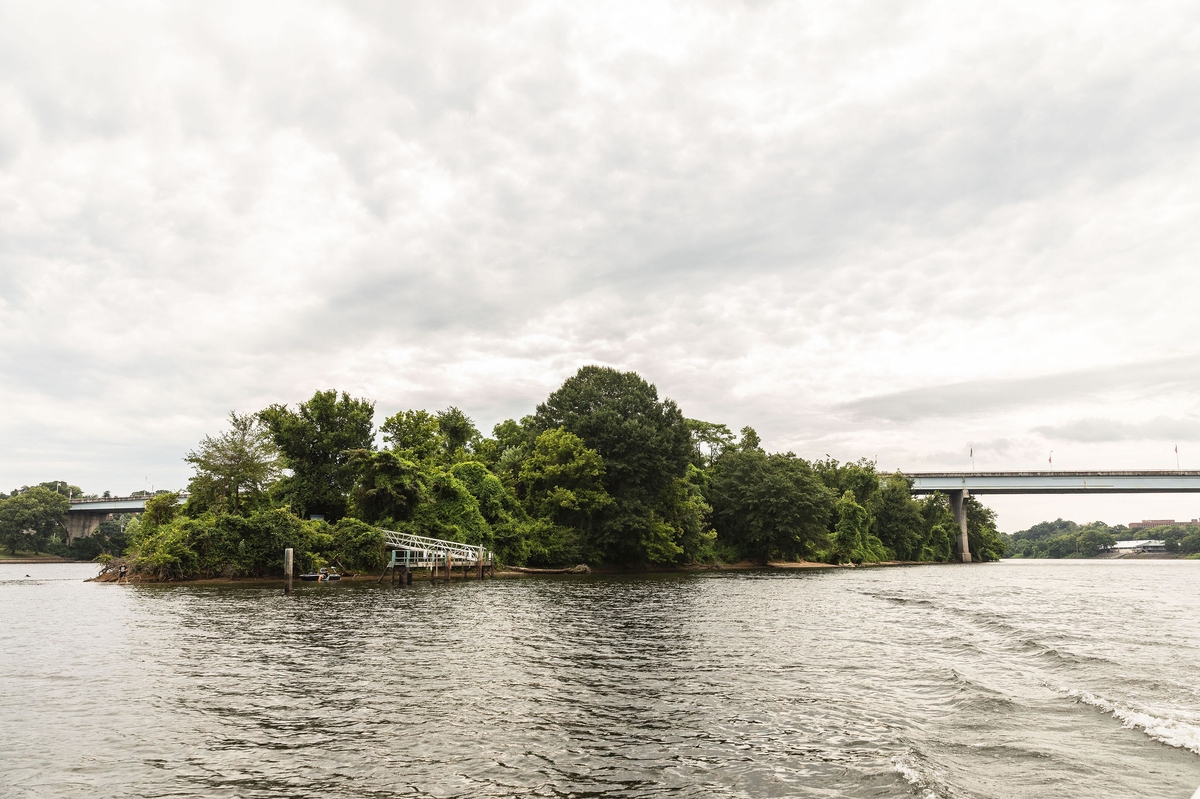
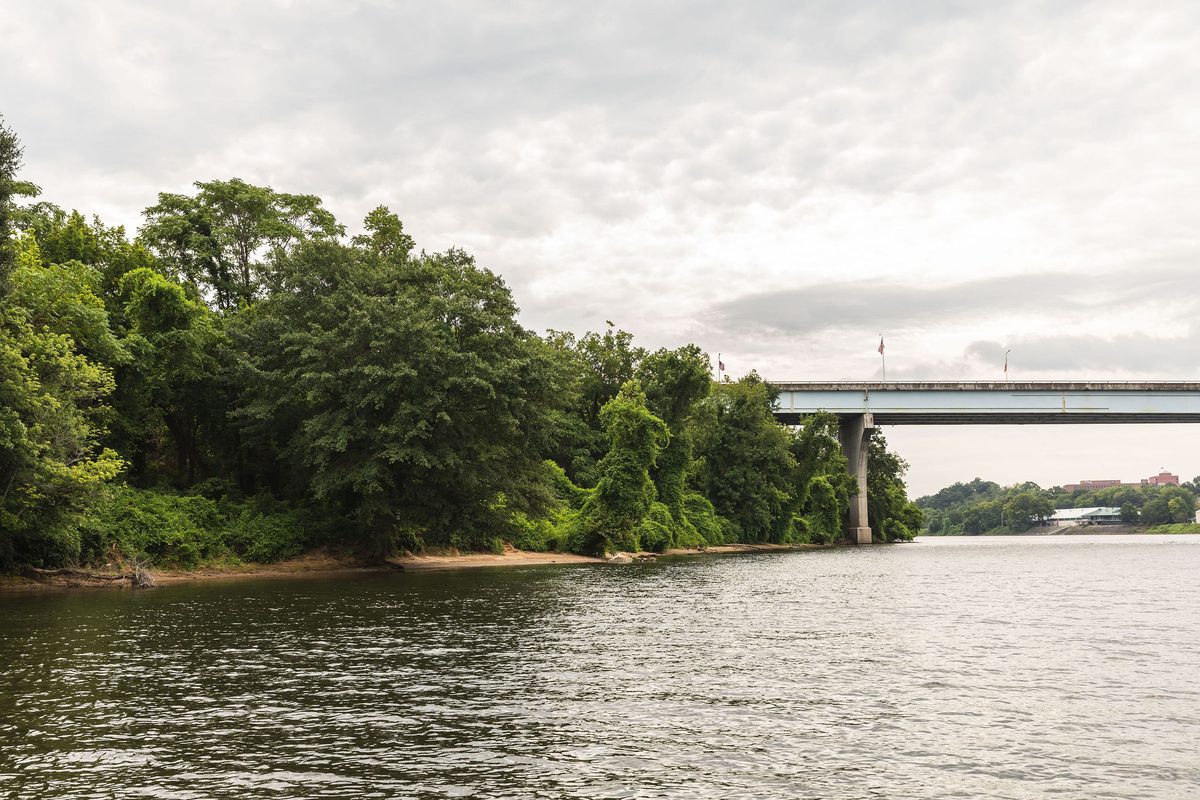
Maclellan is an urban jewel, yet so often overlooked and lost in the overpass of modern Chattanooga life. Our eyes are drawn to so many things downtown — the razzle-dazzle, the hustle-bustle — and often, the island gets forgotten.
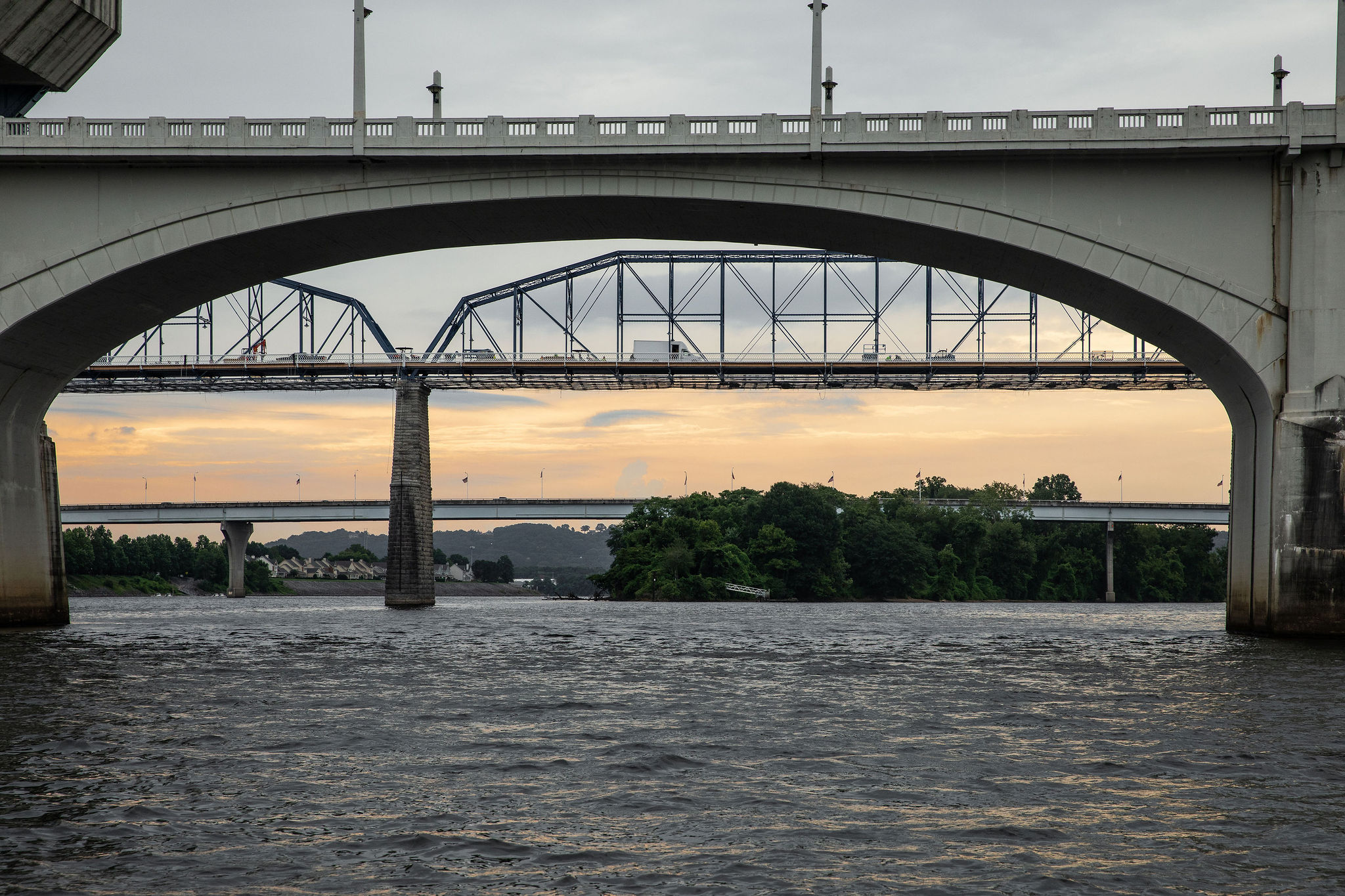
(As example: rank the importance — media attention, economic attention, cultural attention — of the things you see in this image.)
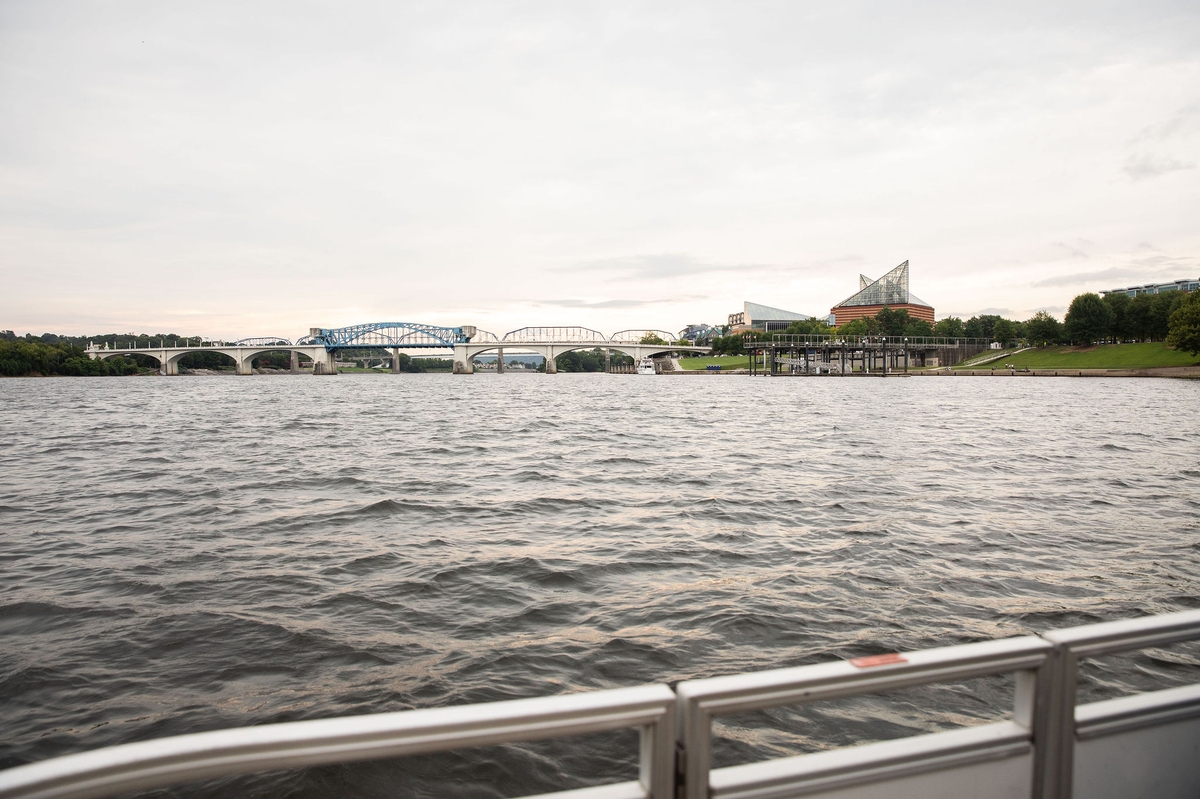
Here Maclellan sits in the heart — I mean, the heart — of our downtown, hidden in plain sight, this most ancient of all our downtown imagery, older than bridges, museums and aquariums.
But we forget the island.
And Maclellan Island?
It's high-time we began to remember it.
Because it's in a world of trouble.
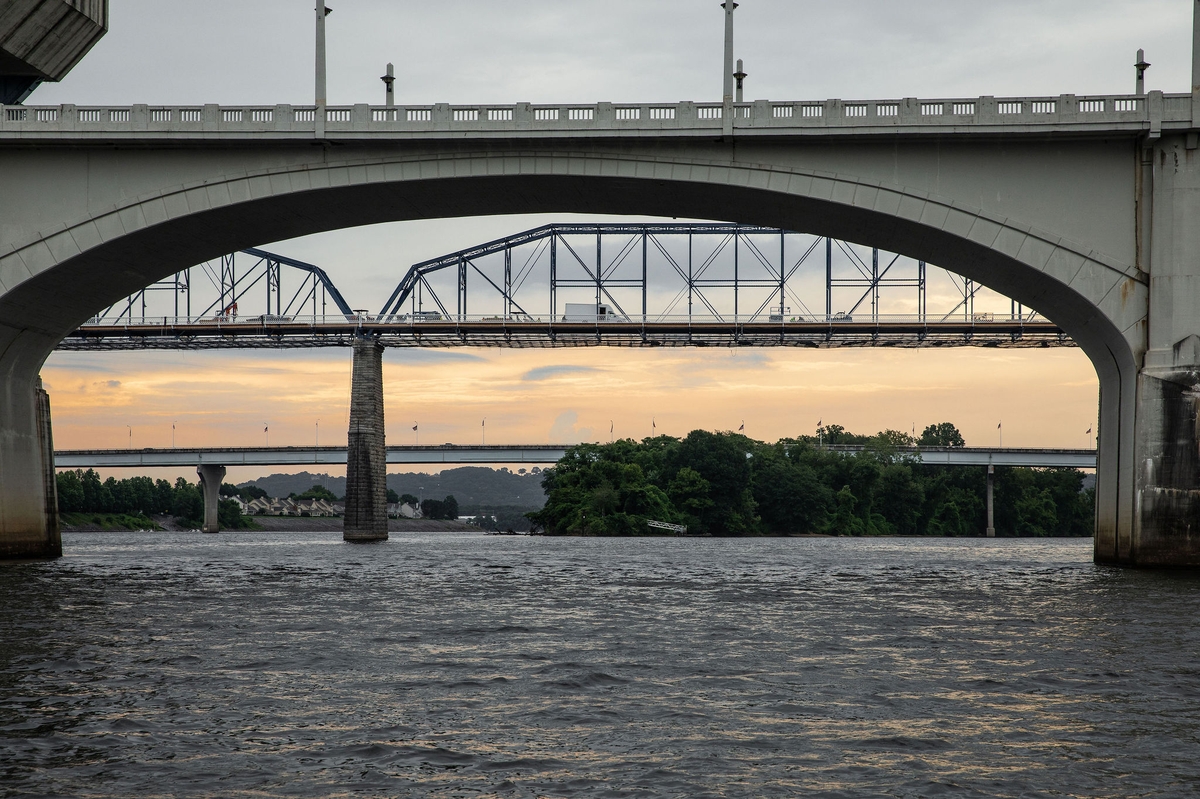
Within minutes of stepping onto the island, we realized the story isn't about goats at all.
This is a civic emergency.
We're losing the island.
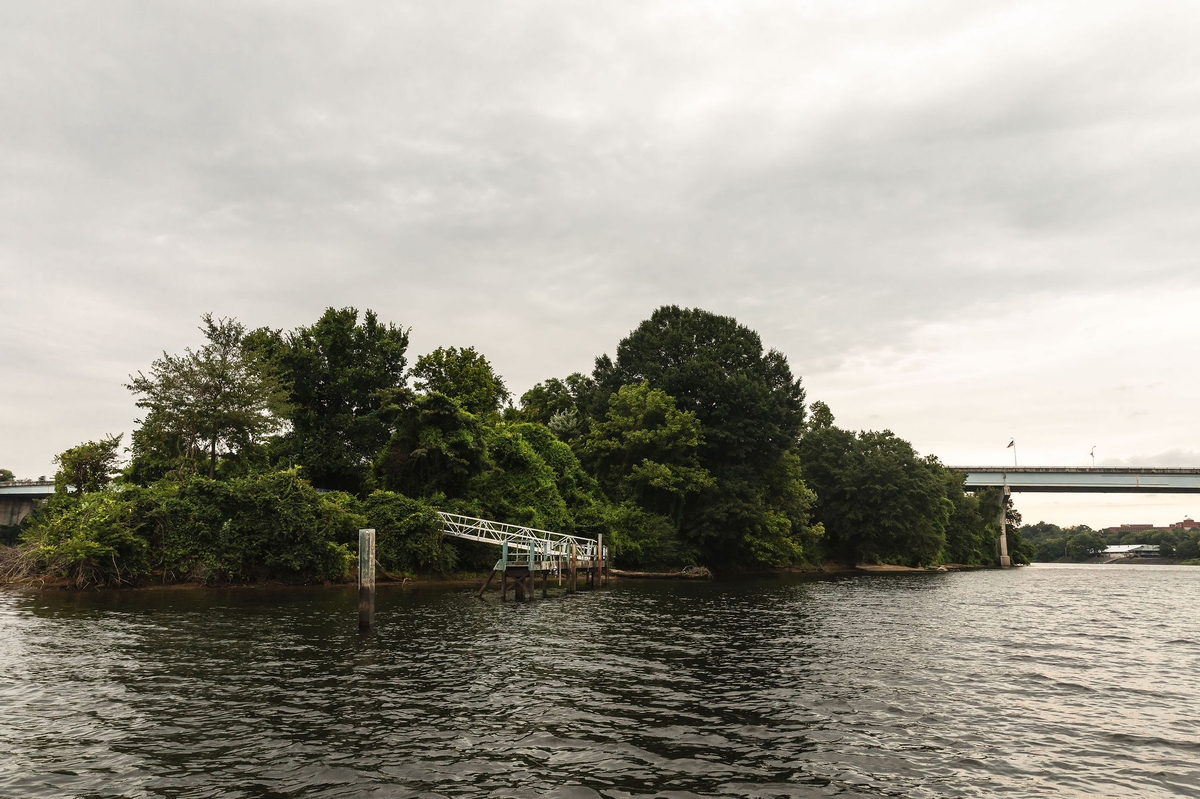
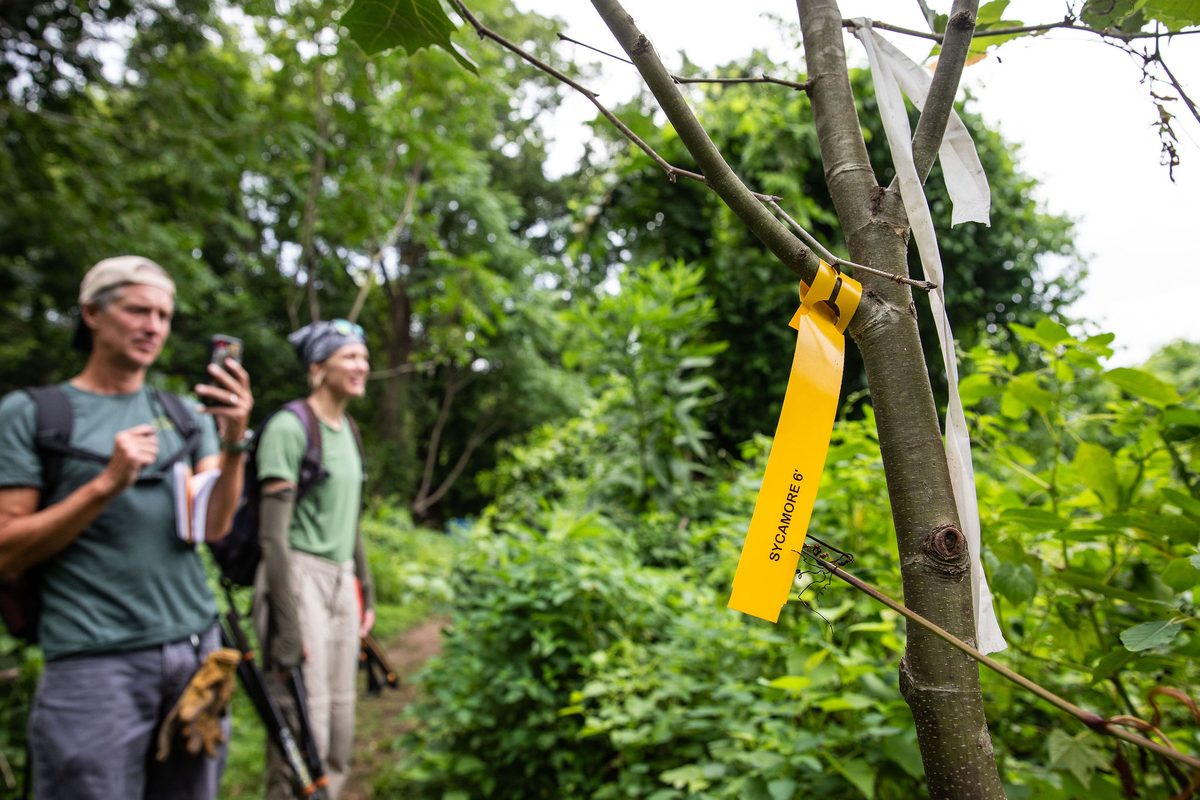
That summer morning, we'd boated over with a team of volunteers and Audubon employees who were committed to a nearly Sisyphean task: removing invasives by hand. (Audubon stewards the island; more on that in a moment.)
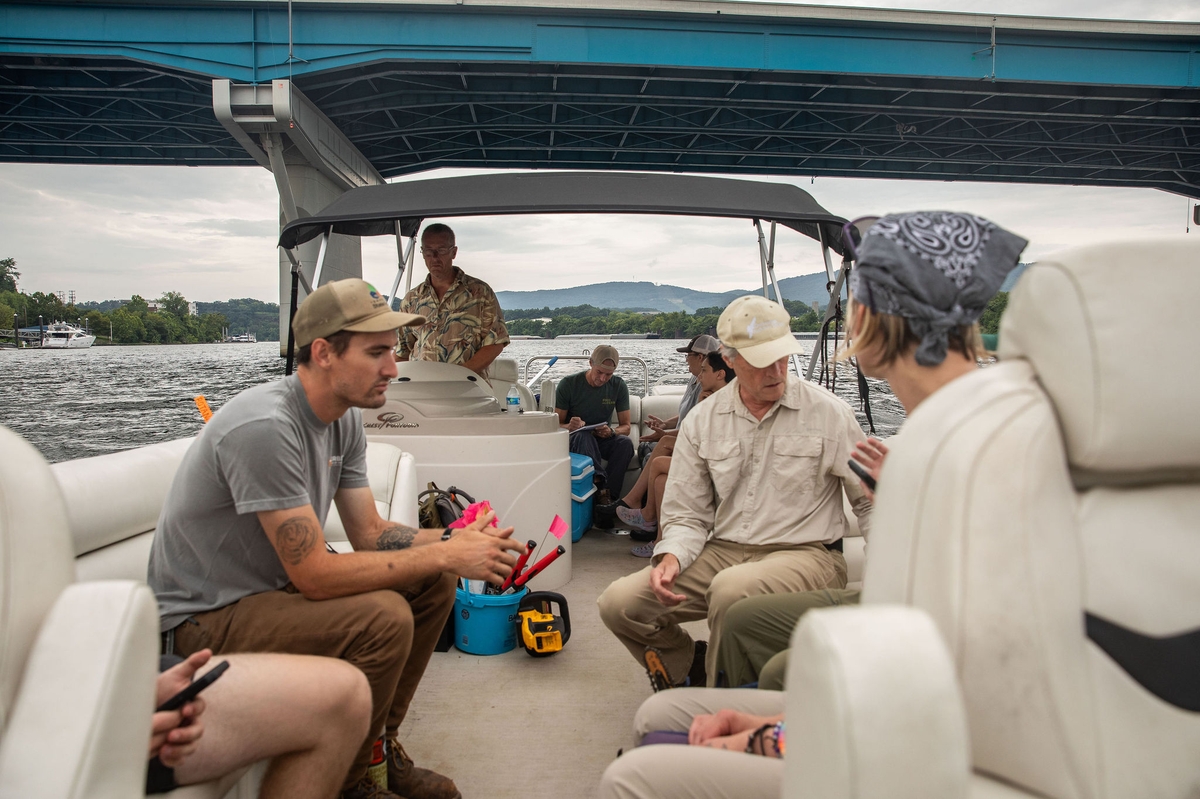
They unloaded on the island, with a full day's punch list: moving the goats, trail maintenance and removing invasives.
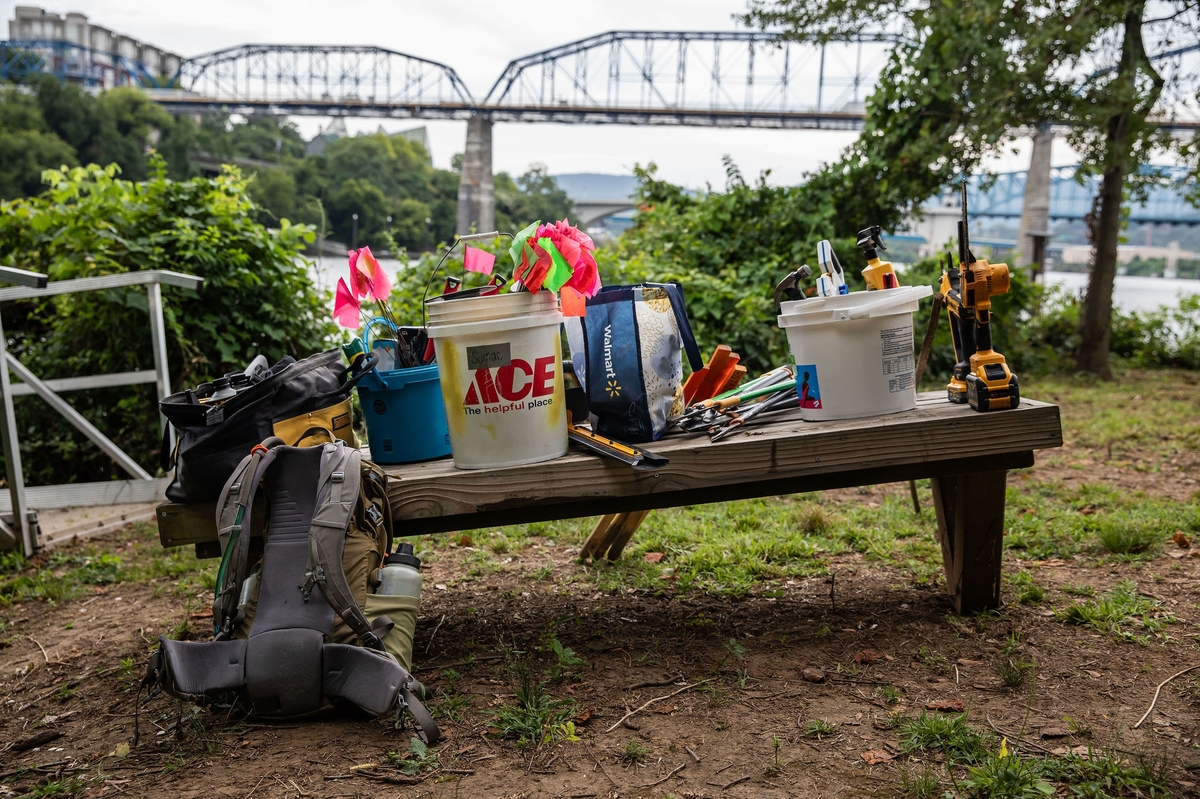
At this point, I'm still thinking we're here to see the goats. Then, Jim walked us over to the island's western tip, facing downriver, with the Hunter Museum of American Art to our left and the North Shore district to our right.
That's when it happened.
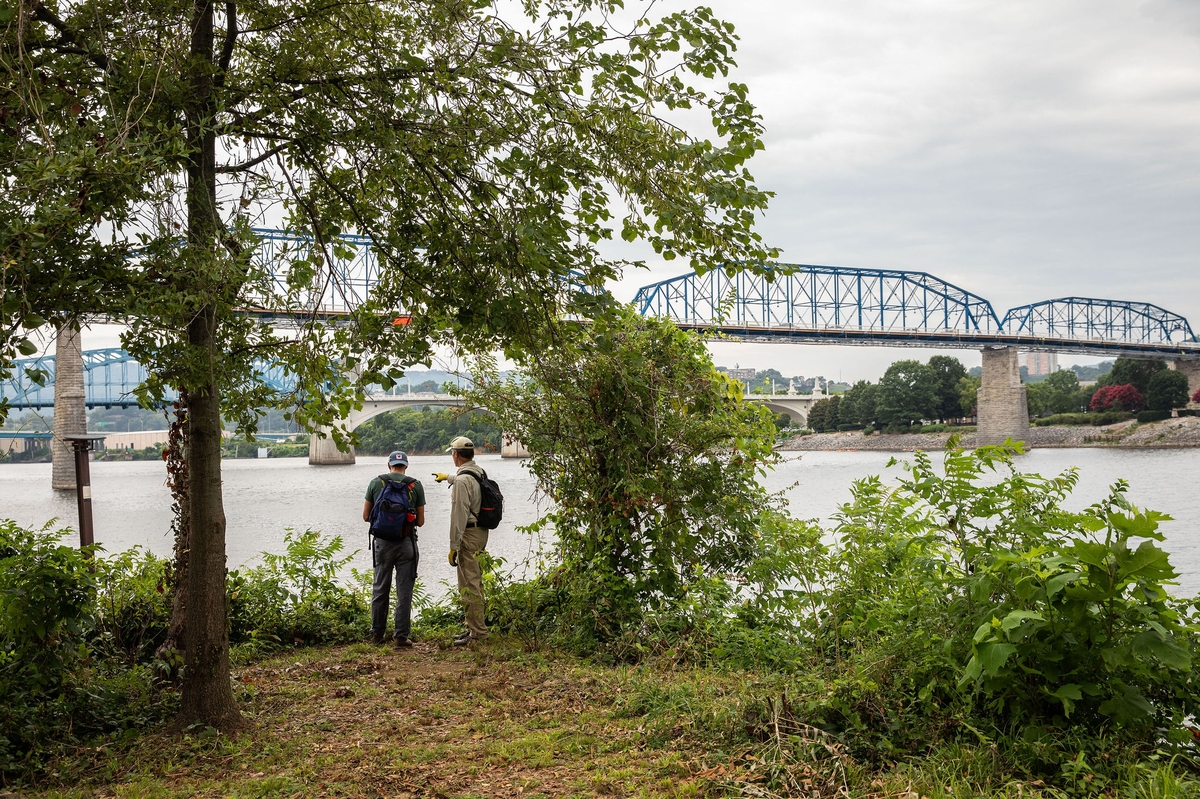
Maclellan covers 24 acres. Turns out, thee used to be a lot more.
Jim pointed out 20 or 30 yards into the riverwater. That's where the island used to be.
Now, it's gone.
"The island's lost at least three acres since 2000," said Jim. "It's losing an acre every 10 years."
Erosion is dismantling and disappearing Maclellan Island before our very eyes. It is a slow burn of shoreline erosion that's leading to one unsettling ending.
"The island's been here for thousands of years," he said. "You're witnessing its last 100 years unless we do something."
Upriver, the Chickamauga Dam releases surges of water regularly; fluctuating water levels keep taking bites out of the unprotected island shore.
Jim referenced one study from the mid '90's: some 40' of shoreline lost from the 1960s to the 1990s.
"That's 40 feet along the longest part of the island," he said.
Again, he pointed downriver: that's where the island used to be.
Unless we do something, in 100 years, this island will be gone?
Yes, Jim said.
When he talks with people, he tells them this:
"In a couple of generations ....," he said, "people won't see the island."
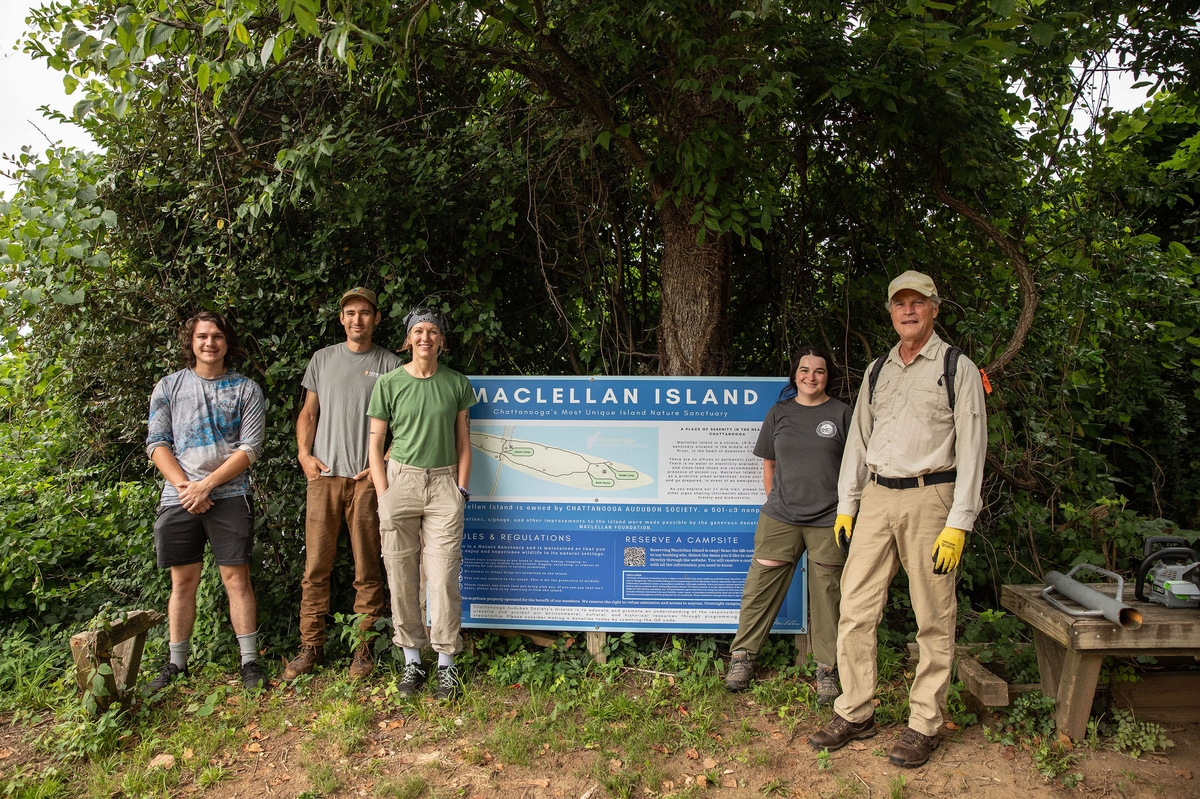
In 1954, Audubon received the island as a gift. For the last several years, Jim has been stalwart in trying to raise attention and protecting for Maclellan while Audubon also stewards other properties.
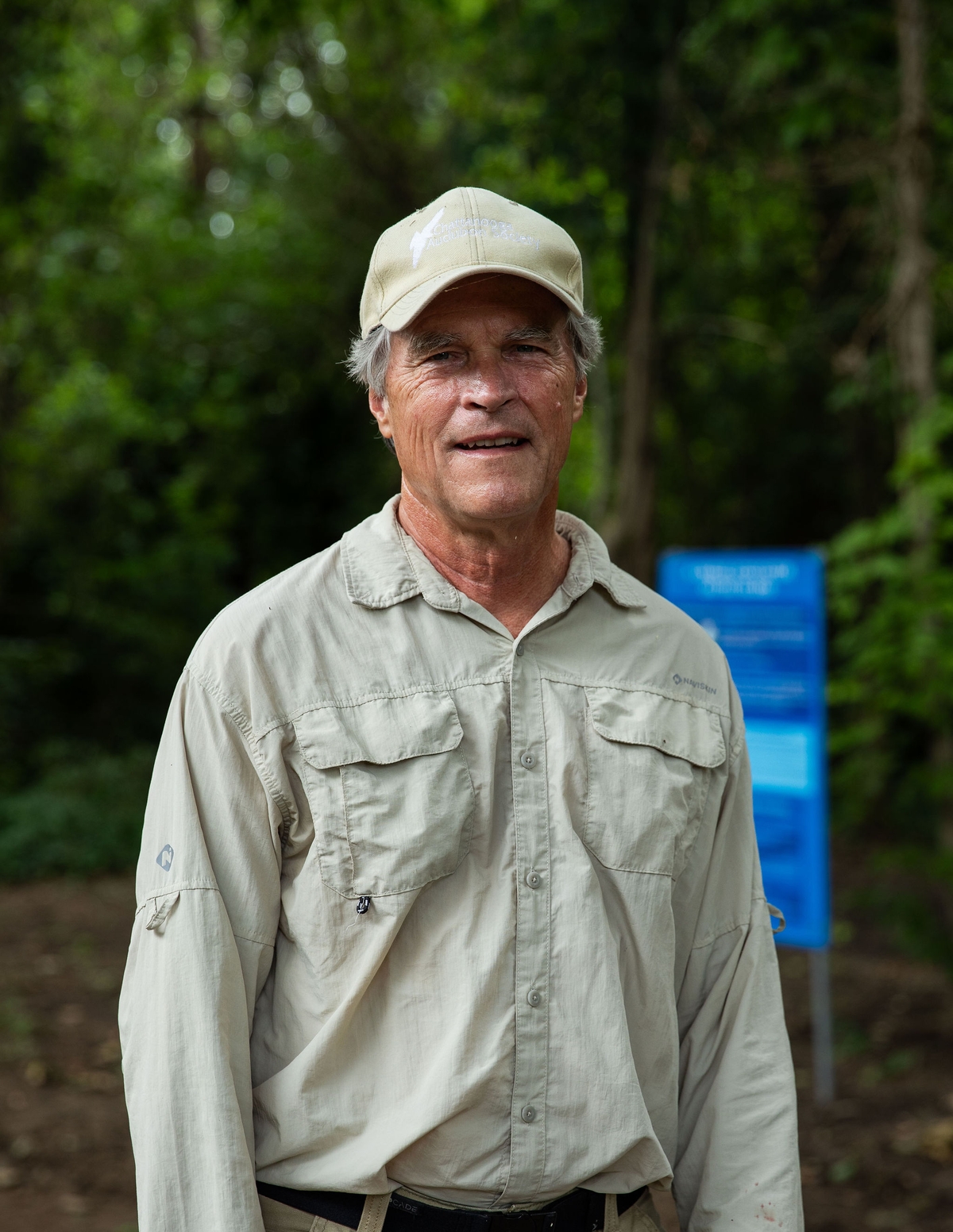
With him, Laura Marsh, Audubon's Director of Development.
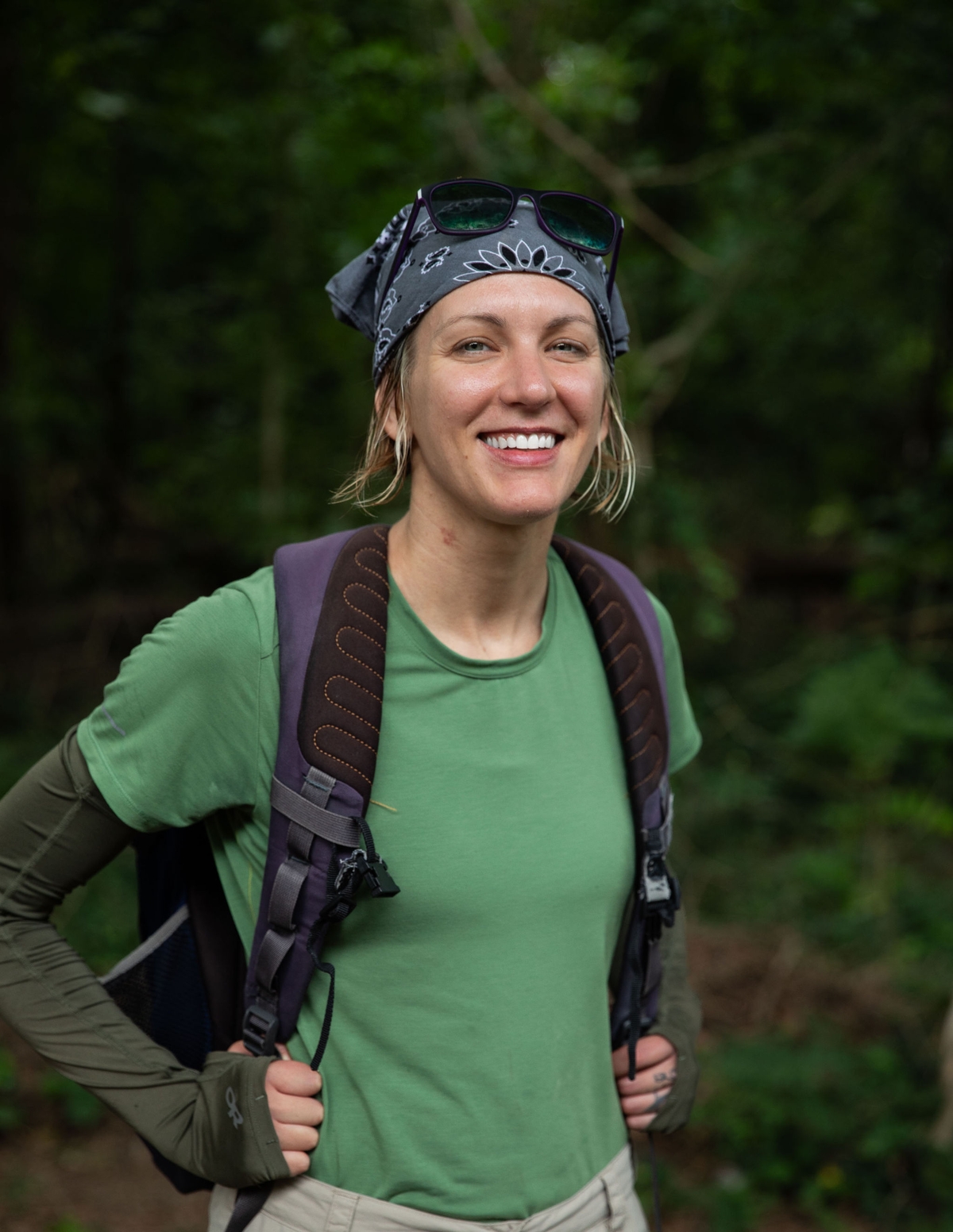
Together, they are combating three main issues:
Erosion.
"The monster problem," said Laura.
And invasives.
And third?
Attention, or a lack of.
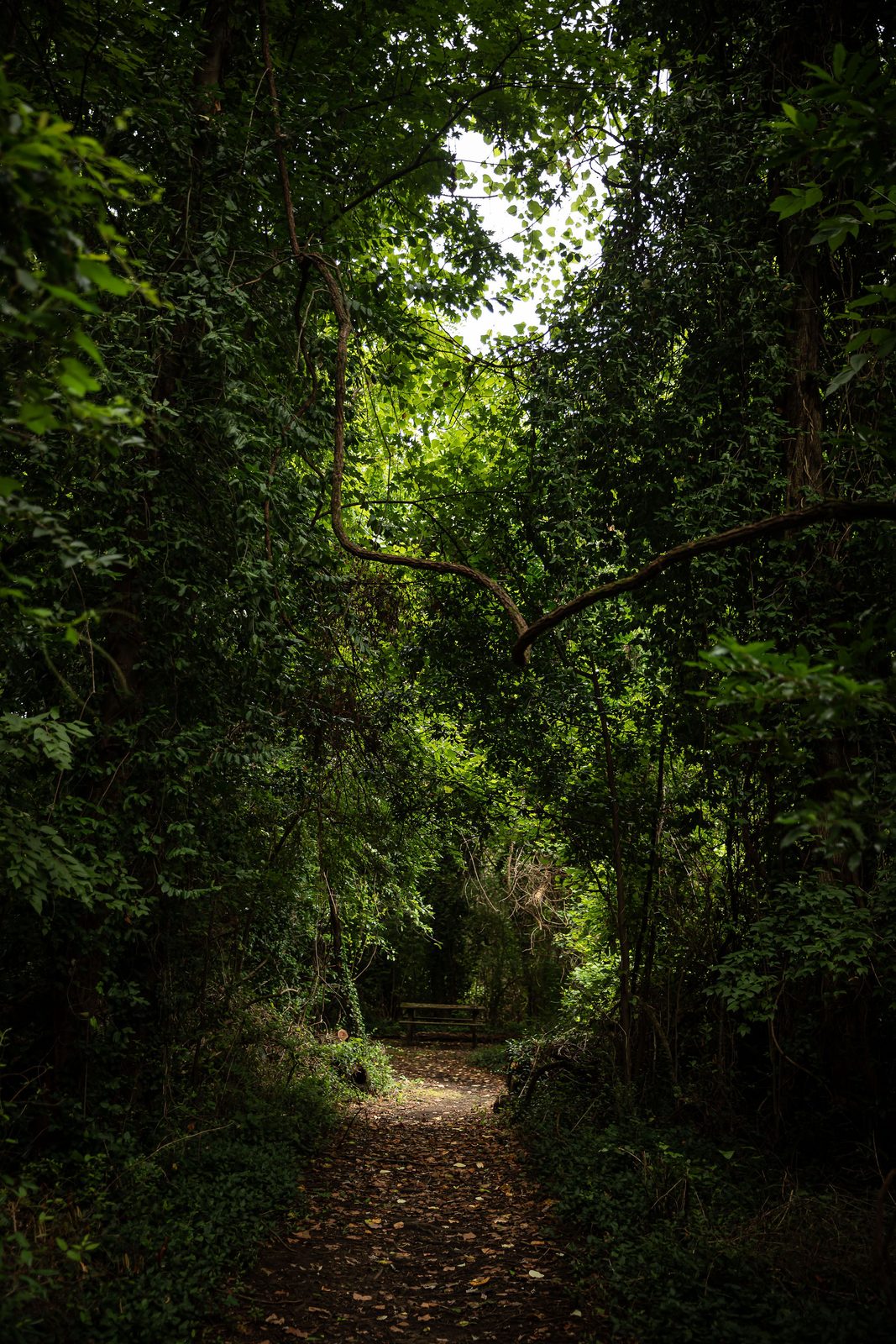
A jungle-brew of invasives have created a thorny problem: the invasives are holding up many natives trees from buckling under erosion.
Invasives are also helping hold up the shoreline and island banks.
If you remove too many, the natives and shoreline are more susceptible.
This is an ecological treasure, the once-home to migratory birds and so much plant-life.
And, unless there's some steroid-shot of resources and help, it's hard to imagine Audubon's tiny team single-handledly and successfully solving the invasive problem. Yes, goats help — as marketers and browsers — but they're chewing the vines and leaves, not the root balls.
It can feel like fighting a losing battle.
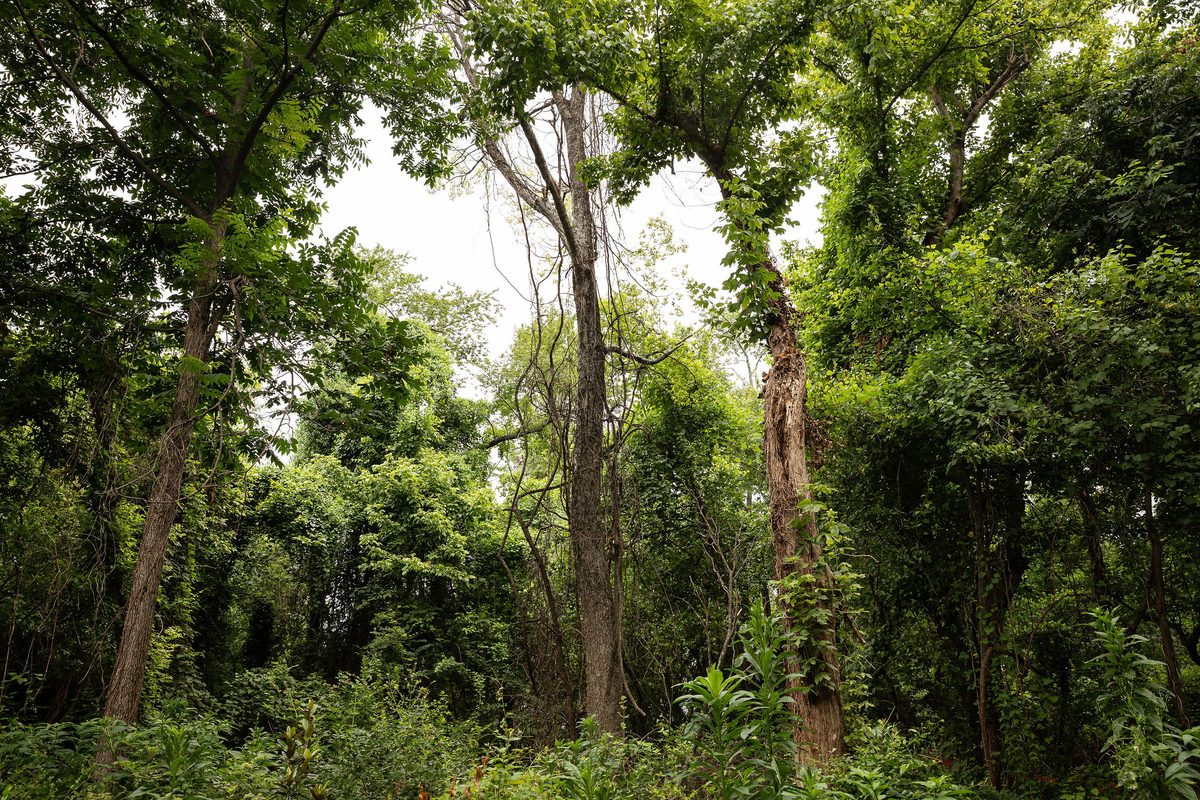
In 2024, Audubon launched a controlled burn. It was unsuccessful. Within days, they'd introduced goats, then formed a plan to manually remove invasives, and by 2025, they had begun to plant natives.
They're following a 10-year invasive species removal plan.
They've launched a very popular eco-tour program, with kayak and tours. (The last one's scheduled for Oct. 24.)
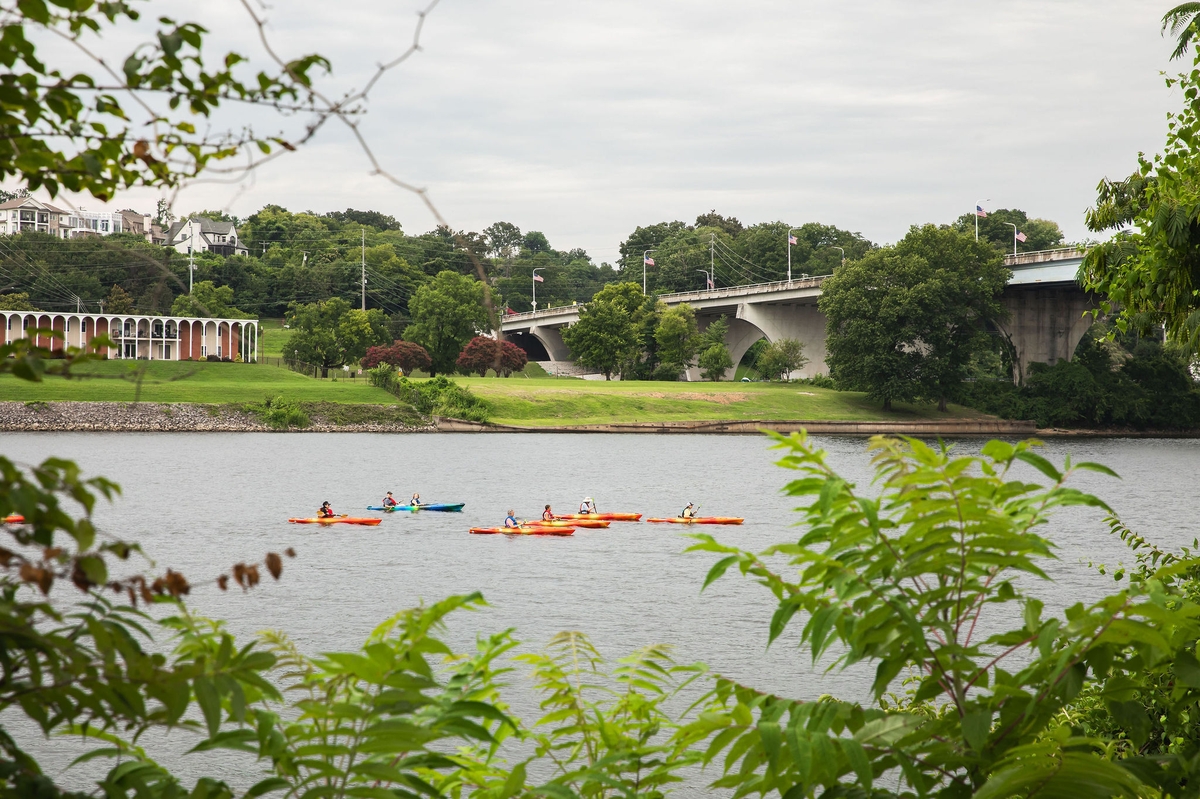
The island also has space for camping, picnics and hiking trails. On summer afternoons, the western tip is also crowded with paddle-boarders and kayakers.
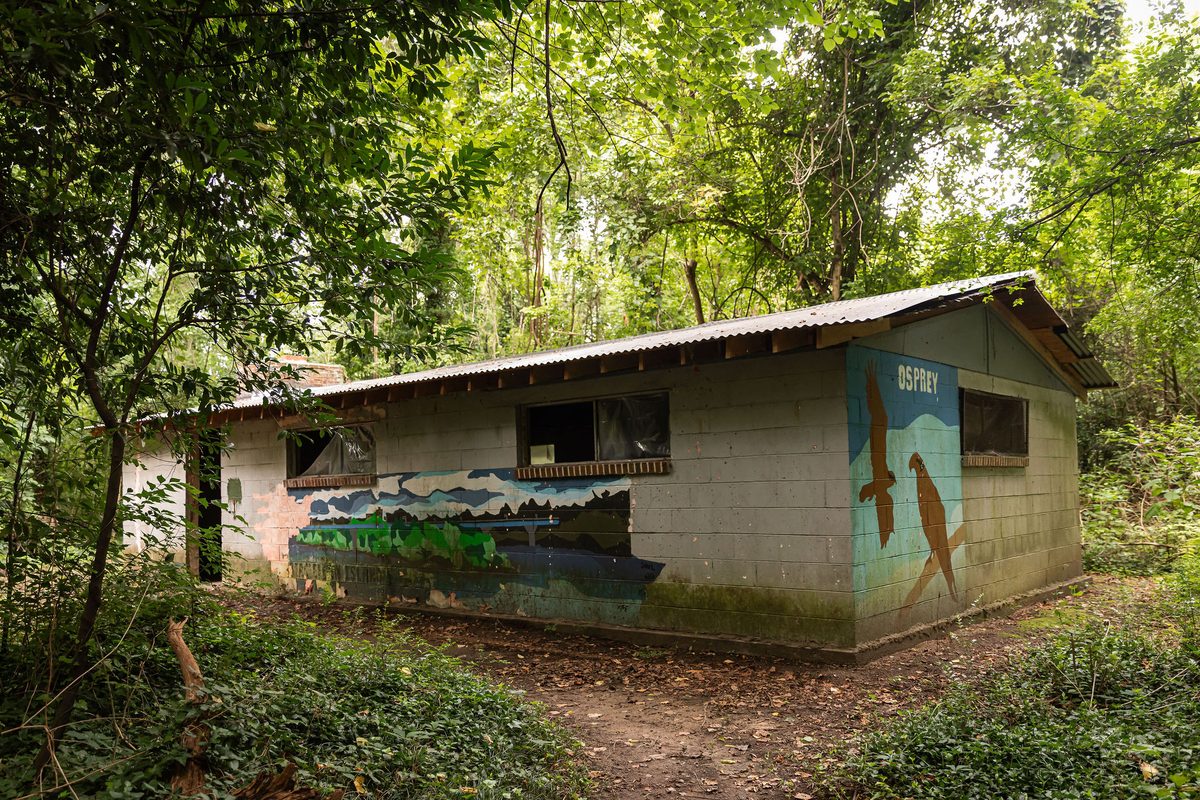
There's a renovated bunkhouse.
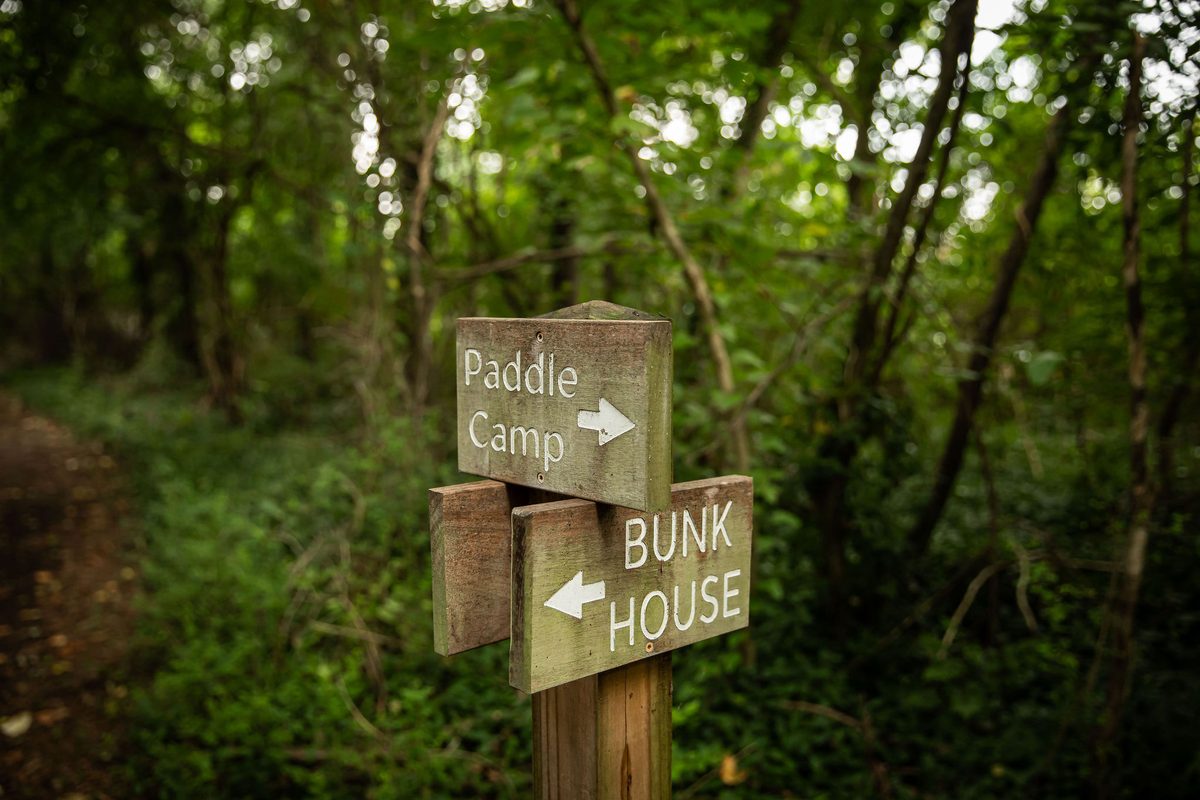
And, of course, the goats.
Eight goats are protected by electric fencing and a big white guard dog.
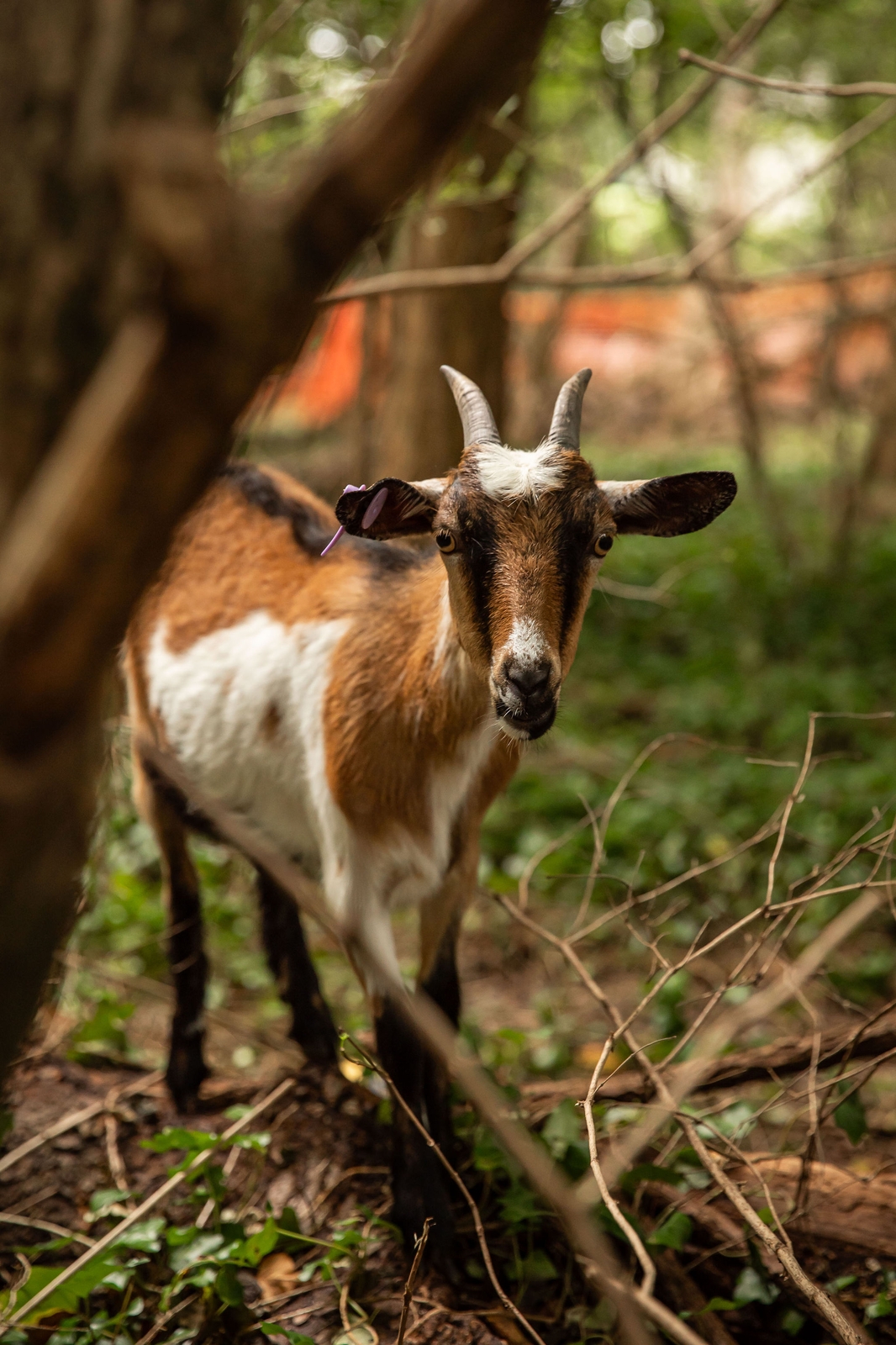
They live on the island and eat, quite gleefully, the invasive plants there.
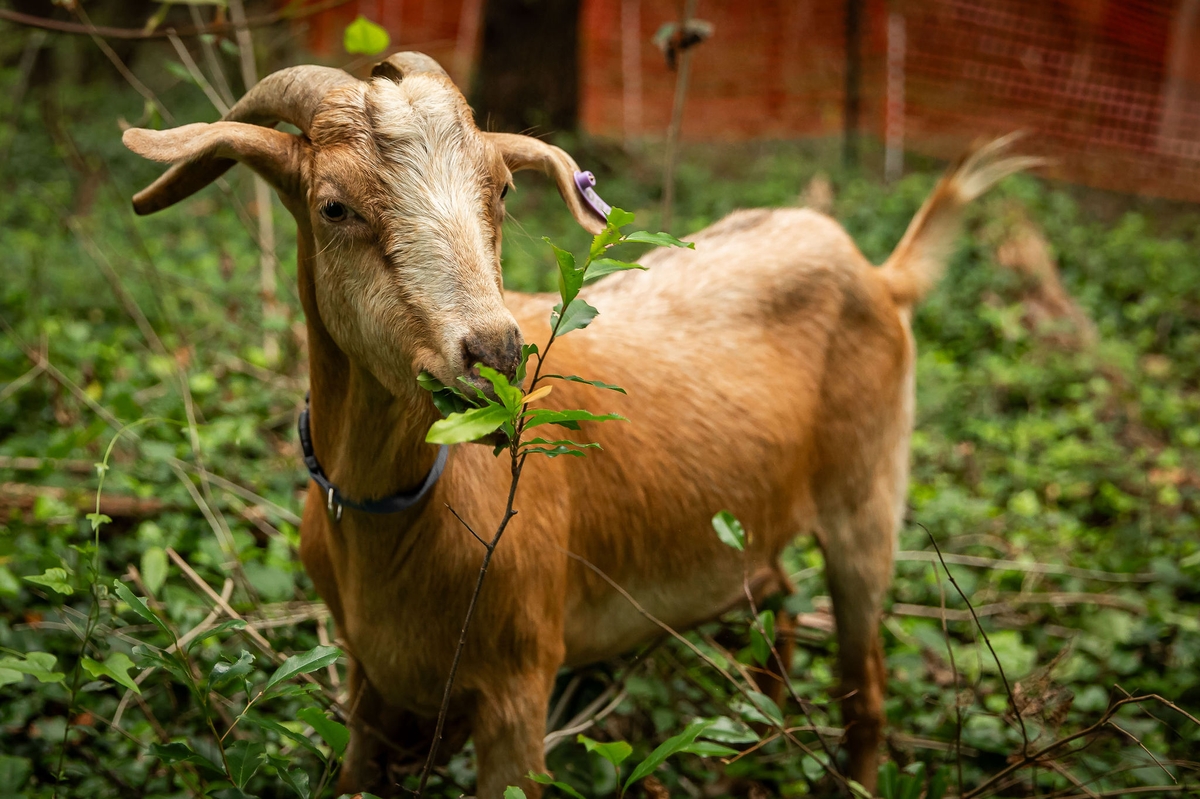
The goats belong to Christina Herndon of Circle N Stables — she's a second generation ferrier — who contracts with Audubon. The first time she came to Maclellan?
"I couldn't walk through," she said. "It was impossible."
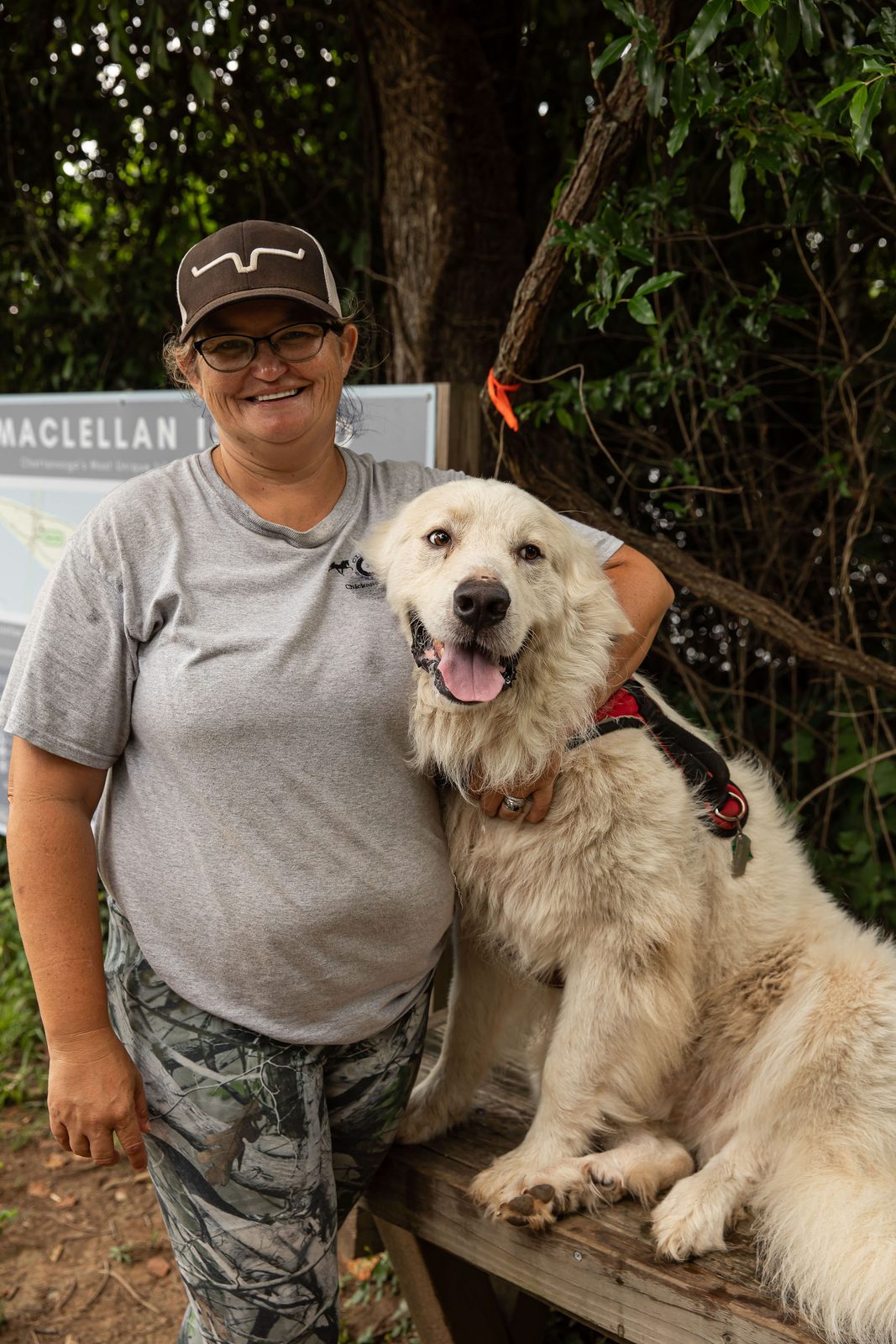
The goats eat forage and supplemental feed. There's a 100' hose and filtration system for water.
Audubon folks, Christina and volunteers check on the goats, making sure fresh batteries are powering the fence.
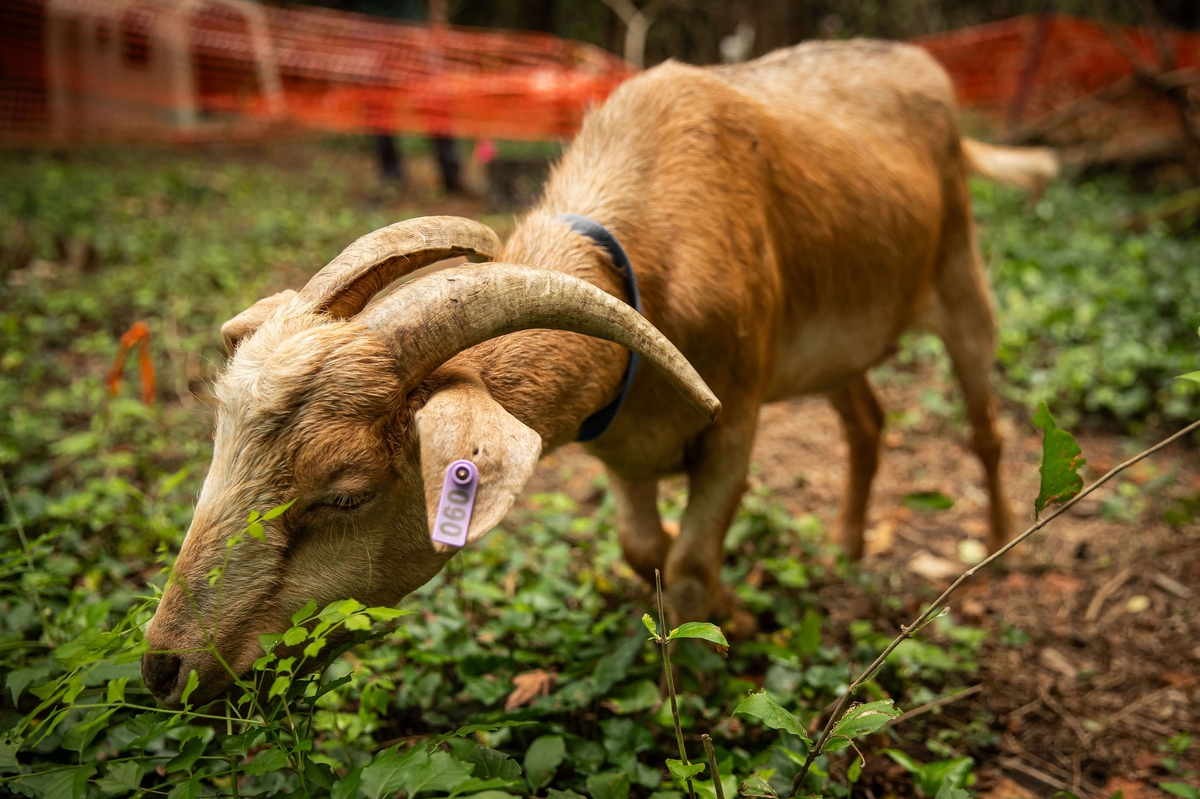
The goats offer a wonderful soundtrack counterpart to our urban cacophony: mufflers, traffic, rambling voices coming from Veterans' Bridge above.
All of this feels so surreal: an island paradise alongside our modern, favorite urban architecture: Hunter, aquarium spire, bridges.
When we picture and tourist-promote Chattanooga's downtown imagery, why is Maclellan not included there? We rightly celebrate and prioritize the Tennessee Aquarium, which replicates and hosts wild animals and aquatic settings, but why do we forget the actual island that's a living, breathing wilderness?
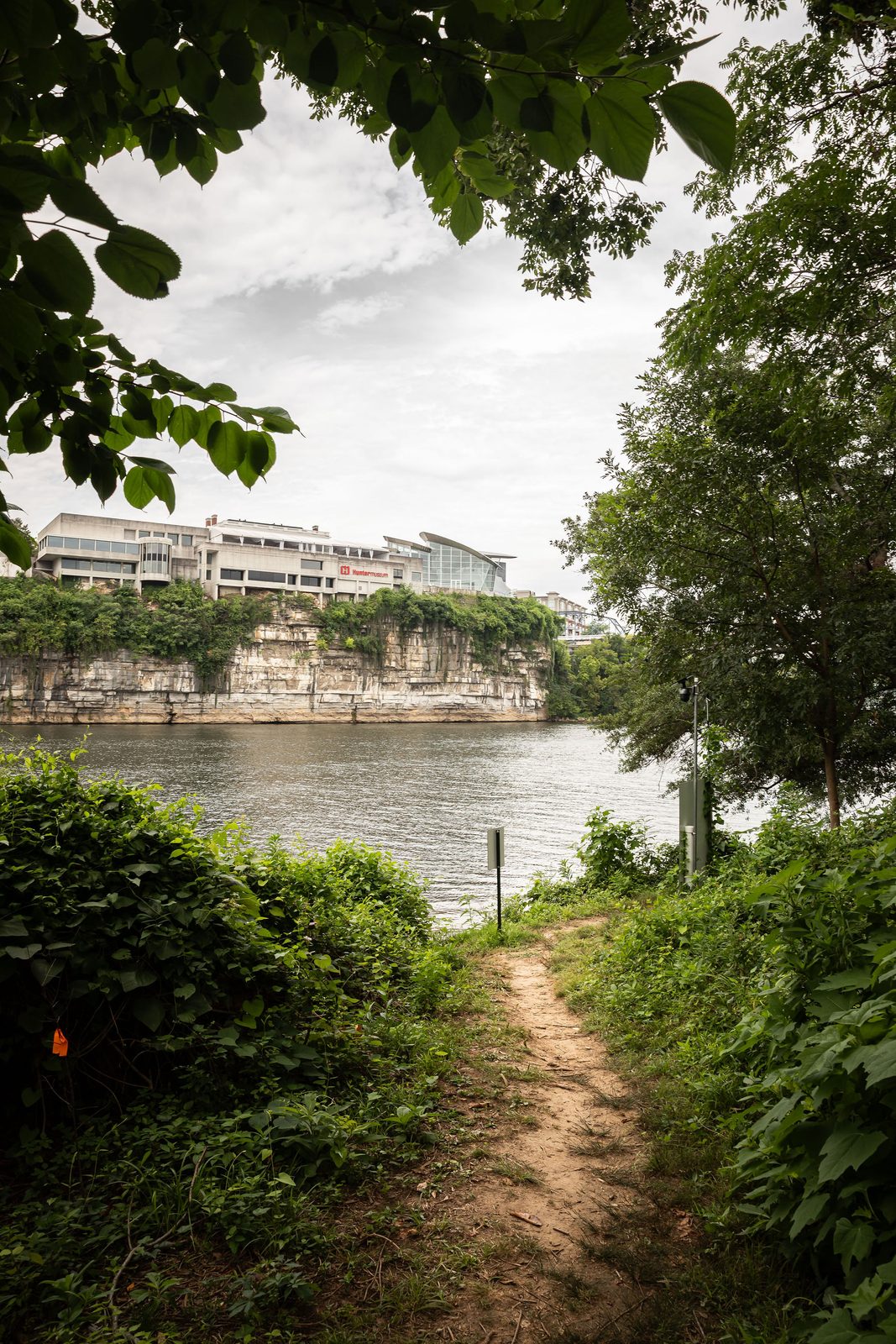
We stroll and talk and wonder.
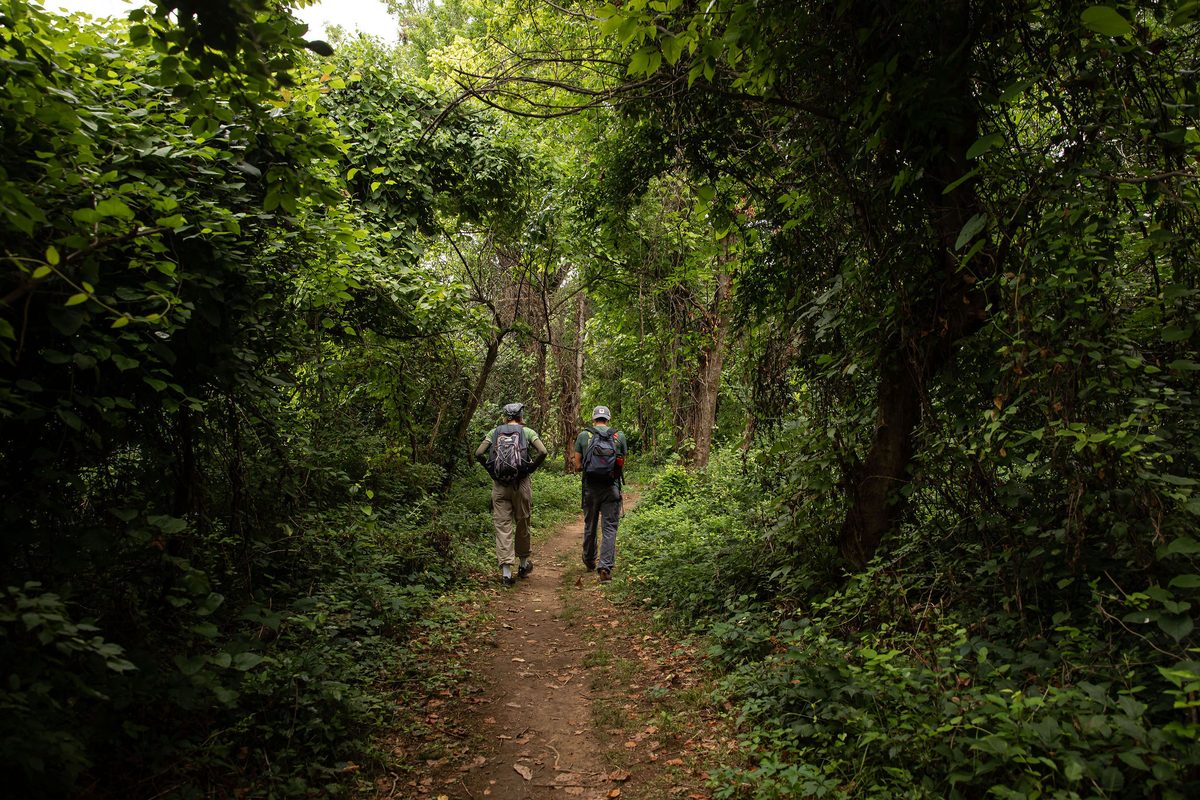
"I haven't seen a squirrel yet," said Sarah.
For me, it was the first time I can remember walking the island.
And that's the problem underneath this civic emergency: a lack of attention and appreciation.
"Most people just drive over it" said Jim.
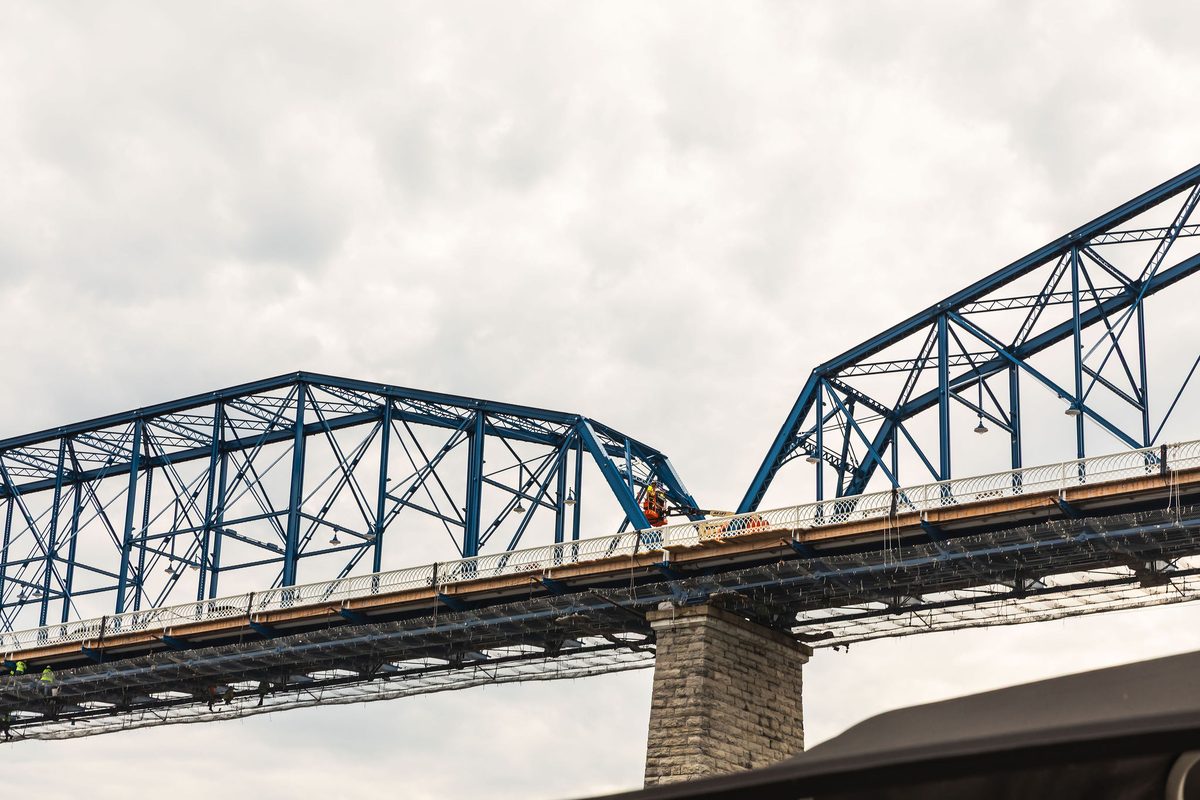
Since the 50's, Audubon has been stewarding the island as though it were a public park, all on the budgetary back of this small nonprofit.
Stand on the island shores and look up and down the river; on both banks, there have been protective measures taken to prevent erosion and shoreline damage.
Why not at Maclellan?
The best estimate to riprap the island, which would surround Maclellan like a protective skirt? Between $2 and $5 million.
Audubon has issued RFP's for a comprehensive master plan, with fundraising to follow.
The team will continue to graze goats and manually remove invasives.
The renovated bunkhouse will offer group camping beginning in November.
Dr. Elise Chapman from University of Tennessee at Chattanooga is scheduled to begin a detailed erosion control study.
A children's book on the island goats will be available in December.
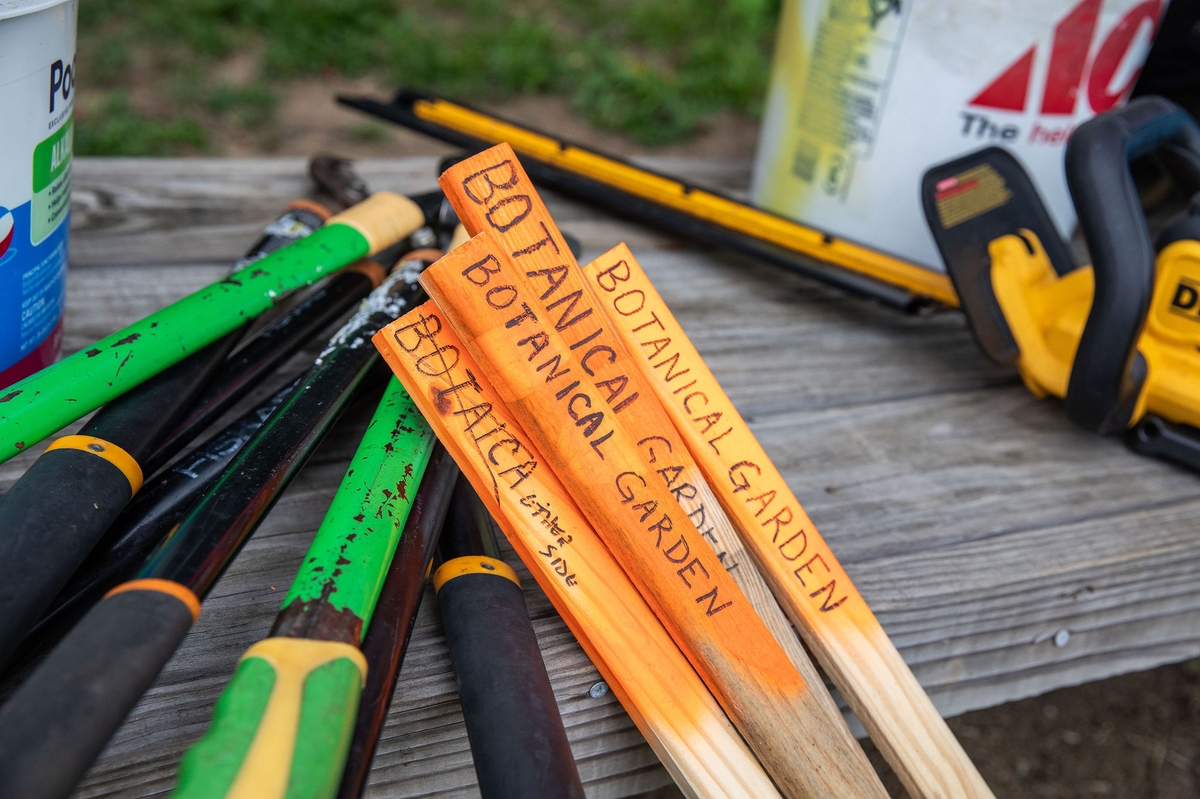
"Other improvements on our wish list for the island include a pavilion, surrounded by a botanical garden, and a treehouse," said Jim.
We've heard whispers of one well-known, beloved Chattanooga couple hoping to move onto the island into that treehouse; their presence would call attention like an urban tree-sit.
Recently, Audubon received an initial $100,000 from a donor.
"We need approximately $300,000 to save the western tip of the island facing the Walnut Street bridge," said Jim.
The city, its funders and major foundations, our private donors and public budget creators all need to recognize: if we don't respond, the island will disappear.
We can see the island now.
But in our grandchildren's future?
It will be gone.
Story ideas, questions, feedback? Interested in partnering with us? Email: david@foodasaverb.com
This story is 100% human generated; no AI chatbot was used in the creation of this content.
In the beginning, we'd come to Maclellan Island see the goats. There are eight goats chomping their days away there, so, as storytellers, we spied the story a mile away:
Island goats eating kudzu in the middle of downtown Chattanooga? That's dynamite.
Not long ago, CBS thought the same thing. And the New York Times. Both came to Chattanooga looking for a good goat story, and we all love good goat stories. (During filming, CBS said it used a "goat-pro" for a camera. Ooof.)
Turns out, they missed the most important story of all.
Earlier this summer, we met up with Jim Stewart, longtime director of the Chattanooga Audubon Society, near the old Riverbend stage and pontoon-boated over to Maclellan Island to see the eight goats — island goats, Sarah calls them — that spend their days and nights chewing up a trio of island invasives: ivy, privet and kudzu.
They're Nigerian and Nubian, with names from both Middle-earth and the 70's: Gimley and Beowolf and Penny and Gilligan.
Funny thing, this island.
Maclellan is an urban jewel, yet so often overlooked and lost in the overpass of modern Chattanooga life. Our eyes are drawn to so many things downtown — the razzle-dazzle, the hustle-bustle — and often, the island gets forgotten.
(As example: rank the importance — media attention, economic attention, cultural attention — of the things you see in this image.)
Here Maclellan sits in the heart — I mean, the heart — of our downtown, hidden in plain sight, this most ancient of all our downtown imagery, older than bridges, museums and aquariums.
But we forget the island.
And Maclellan Island?
It's high-time we began to remember it.
Because it's in a world of trouble.
Within minutes of stepping onto the island, we realized the story isn't about goats at all.
This is a civic emergency.
We're losing the island.
That summer morning, we'd boated over with a team of volunteers and Audubon employees who were committed to a nearly Sisyphean task: removing invasives by hand. (Audubon stewards the island; more on that in a moment.)
They unloaded on the island, with a full day's punch list: moving the goats, trail maintenance and removing invasives.
At this point, I'm still thinking we're here to see the goats. Then, Jim walked us over to the island's western tip, facing downriver, with the Hunter Museum of American Art to our left and the North Shore district to our right.
That's when it happened.
Maclellan covers 24 acres. Turns out, thee used to be a lot more.
Jim pointed out 20 or 30 yards into the riverwater. That's where the island used to be.
Now, it's gone.
"The island's lost at least three acres since 2000," said Jim. "It's losing an acre every 10 years."
Erosion is dismantling and disappearing Maclellan Island before our very eyes. It is a slow burn of shoreline erosion that's leading to one unsettling ending.
"The island's been here for thousands of years," he said. "You're witnessing its last 100 years unless we do something."
Upriver, the Chickamauga Dam releases surges of water regularly; fluctuating water levels keep taking bites out of the unprotected island shore.
Jim referenced one study from the mid '90's: some 40' of shoreline lost from the 1960s to the 1990s.
"That's 40 feet along the longest part of the island," he said.
Again, he pointed downriver: that's where the island used to be.
Unless we do something, in 100 years, this island will be gone?
Yes, Jim said.
When he talks with people, he tells them this:
"In a couple of generations ....," he said, "people won't see the island."
In 1954, Audubon received the island as a gift. For the last several years, Jim has been stalwart in trying to raise attention and protecting for Maclellan while Audubon also stewards other properties.
With him, Laura Marsh, Audubon's Director of Development.
Together, they are combating three main issues:
Erosion.
"The monster problem," said Laura.
And invasives.
And third?
Attention, or a lack of.
A jungle-brew of invasives have created a thorny problem: the invasives are holding up many natives trees from buckling under erosion.
Invasives are also helping hold up the shoreline and island banks.
If you remove too many, the natives and shoreline are more susceptible.
This is an ecological treasure, the once-home to migratory birds and so much plant-life.
And, unless there's some steroid-shot of resources and help, it's hard to imagine Audubon's tiny team single-handledly and successfully solving the invasive problem. Yes, goats help — as marketers and browsers — but they're chewing the vines and leaves, not the root balls.
It can feel like fighting a losing battle.
In 2024, Audubon launched a controlled burn. It was unsuccessful. Within days, they'd introduced goats, then formed a plan to manually remove invasives, and by 2025, they had begun to plant natives.
They're following a 10-year invasive species removal plan.
They've launched a very popular eco-tour program, with kayak and tours. (The last one's scheduled for Oct. 24.)
The island also has space for camping, picnics and hiking trails. On summer afternoons, the western tip is also crowded with paddle-boarders and kayakers.
There's a renovated bunkhouse.
And, of course, the goats.
Eight goats are protected by electric fencing and a big white guard dog.
They live on the island and eat, quite gleefully, the invasive plants there.
The goats belong to Christina Herndon of Circle N Stables — she's a second generation ferrier — who contracts with Audubon. The first time she came to Maclellan?
"I couldn't walk through," she said. "It was impossible."
The goats eat forage and supplemental feed. There's a 100' hose and filtration system for water.
Audubon folks, Christina and volunteers check on the goats, making sure fresh batteries are powering the fence.
The goats offer a wonderful soundtrack counterpart to our urban cacophony: mufflers, traffic, rambling voices coming from Veterans' Bridge above.
All of this feels so surreal: an island paradise alongside our modern, favorite urban architecture: Hunter, aquarium spire, bridges.
When we picture and tourist-promote Chattanooga's downtown imagery, why is Maclellan not included there? We rightly celebrate and prioritize the Tennessee Aquarium, which replicates and hosts wild animals and aquatic settings, but why do we forget the actual island that's a living, breathing wilderness?
We stroll and talk and wonder.
"I haven't seen a squirrel yet," said Sarah.
For me, it was the first time I can remember walking the island.
And that's the problem underneath this civic emergency: a lack of attention and appreciation.
"Most people just drive over it" said Jim.
Since the 50's, Audubon has been stewarding the island as though it were a public park, all on the budgetary back of this small nonprofit.
Stand on the island shores and look up and down the river; on both banks, there have been protective measures taken to prevent erosion and shoreline damage.
Why not at Maclellan?
The best estimate to riprap the island, which would surround Maclellan like a protective skirt? Between $2 and $5 million.
Audubon has issued RFP's for a comprehensive master plan, with fundraising to follow.
The team will continue to graze goats and manually remove invasives.
The renovated bunkhouse will offer group camping beginning in November.
Dr. Elise Chapman from University of Tennessee at Chattanooga is scheduled to begin a detailed erosion control study.
A children's book on the island goats will be available in December.
"Other improvements on our wish list for the island include a pavilion, surrounded by a botanical garden, and a treehouse," said Jim.
We've heard whispers of one well-known, beloved Chattanooga couple hoping to move onto the island into that treehouse; their presence would call attention like an urban tree-sit.
Recently, Audubon received an initial $100,000 from a donor.
"We need approximately $300,000 to save the western tip of the island facing the Walnut Street bridge," said Jim.
The city, its funders and major foundations, our private donors and public budget creators all need to recognize: if we don't respond, the island will disappear.
We can see the island now.
But in our grandchildren's future?
It will be gone.
Story ideas, questions, feedback? Interested in partnering with us? Email: david@foodasaverb.com
This story is 100% human generated; no AI chatbot was used in the creation of this content.
Food as a verb thanks our story sponsor:
Food as a Verb Thanks our sustaining partner:
Food as a verb thanks our story sponsor:
Join our table

keep reading