

The Farmers and the Trust: Remembering Williams Island
Two men are continuing the centuries-old tradition of farming an island modern Chattanooga forgot.
Food as a verb thanks
for sponsoring this series
Perhaps it is time for us to return to Williams Island.
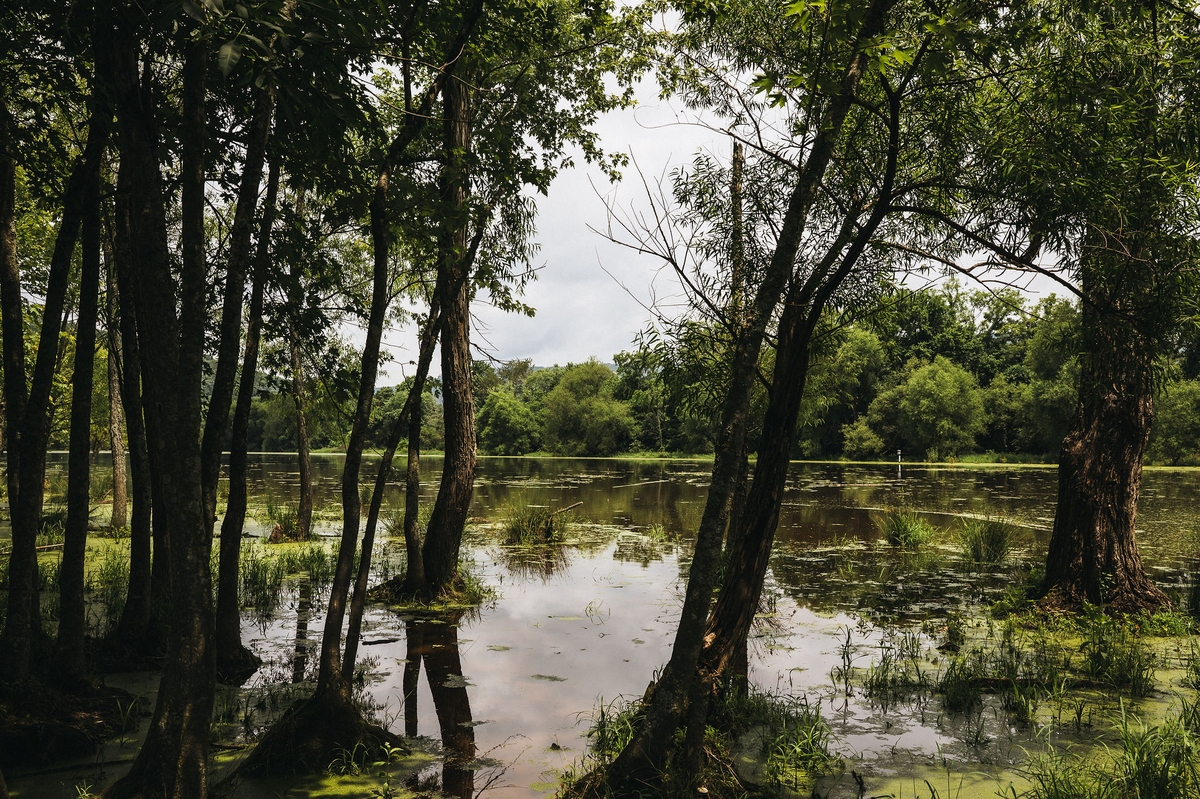
The island — a short paddle from downtown — feels like a place modern Chattanooga forgot. Shrouded, green, a ground zero — yes, ground zero — for so much we can learn to remember.
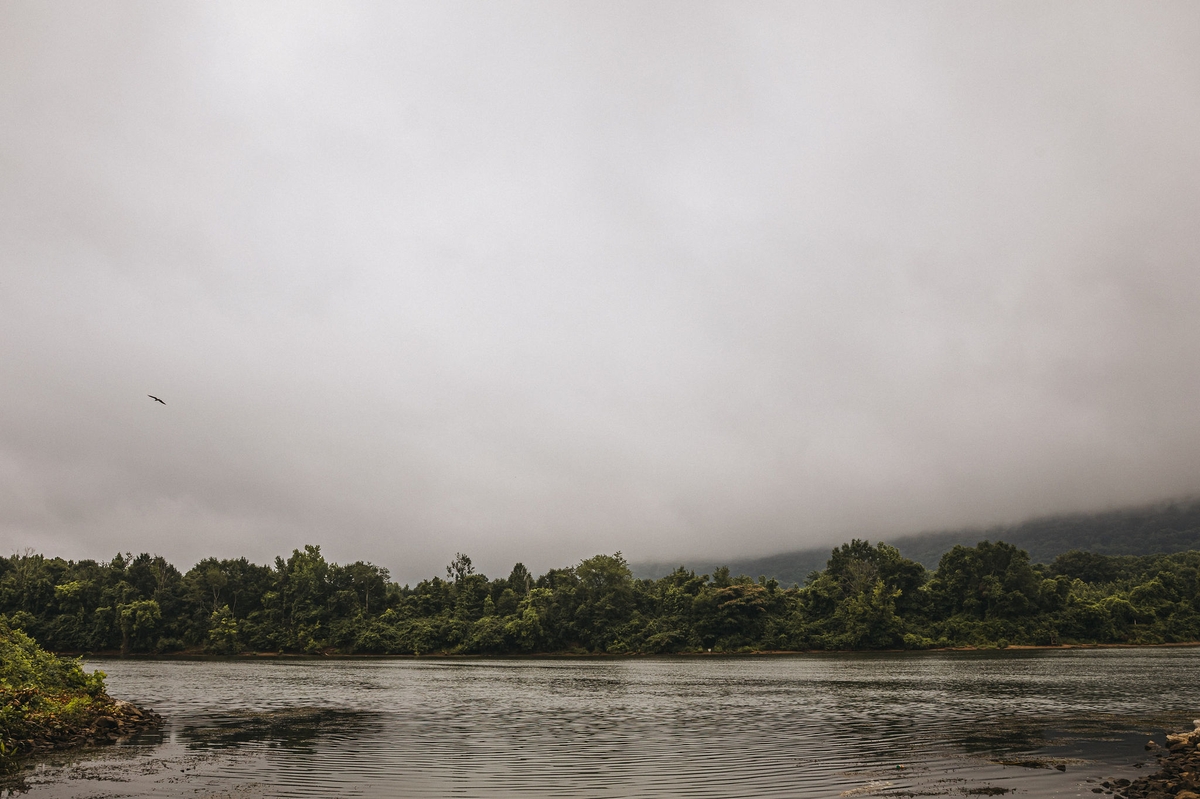
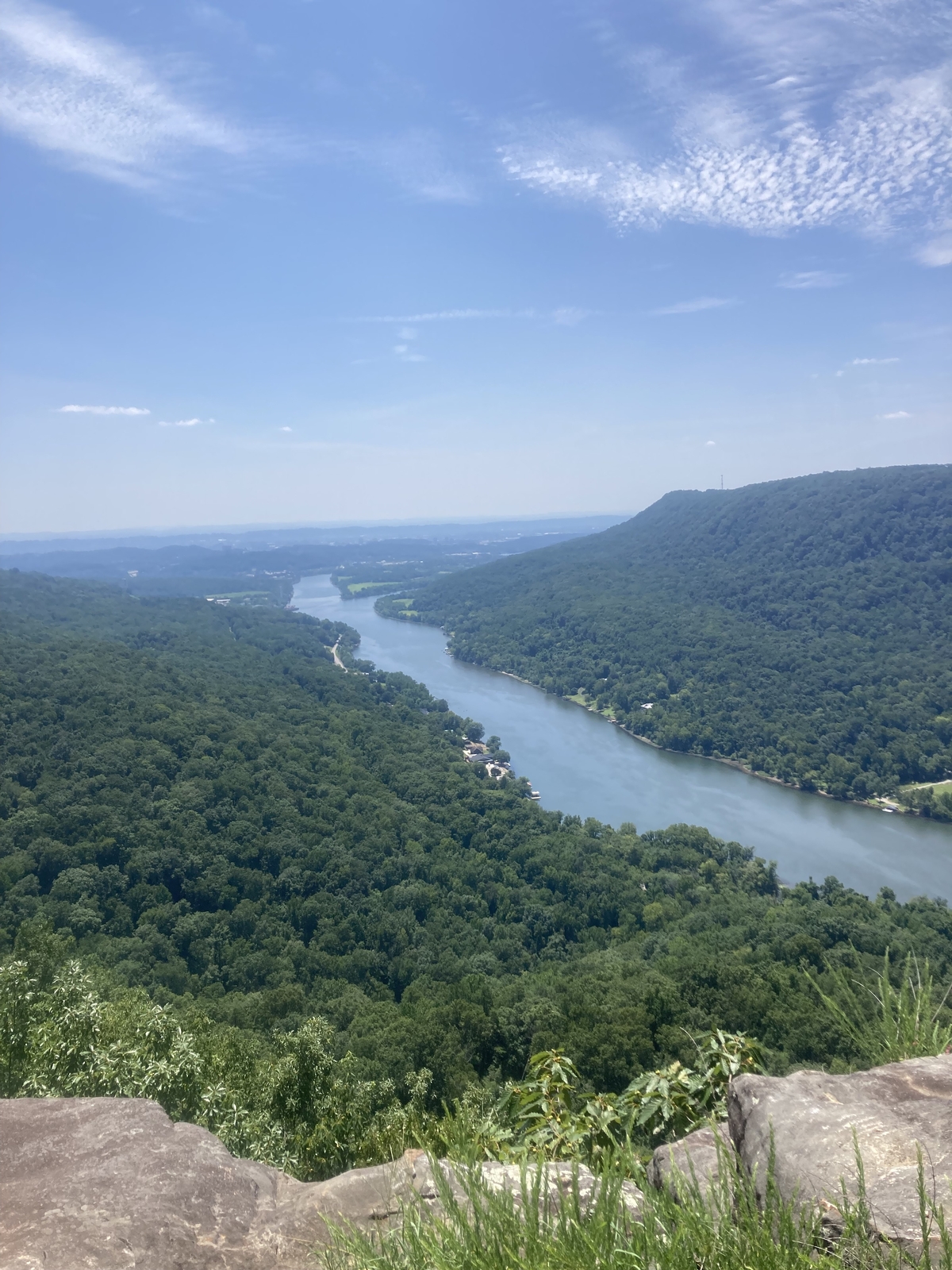
Williams Island runs one mile wide and two miles long. It sits in the middle of the Tennessee River, a few miles down-river from Ross's Landing.
You can see Williams Island from the mountains or the banks: Elder, Signal, near Baylor School or Lookout Valley.
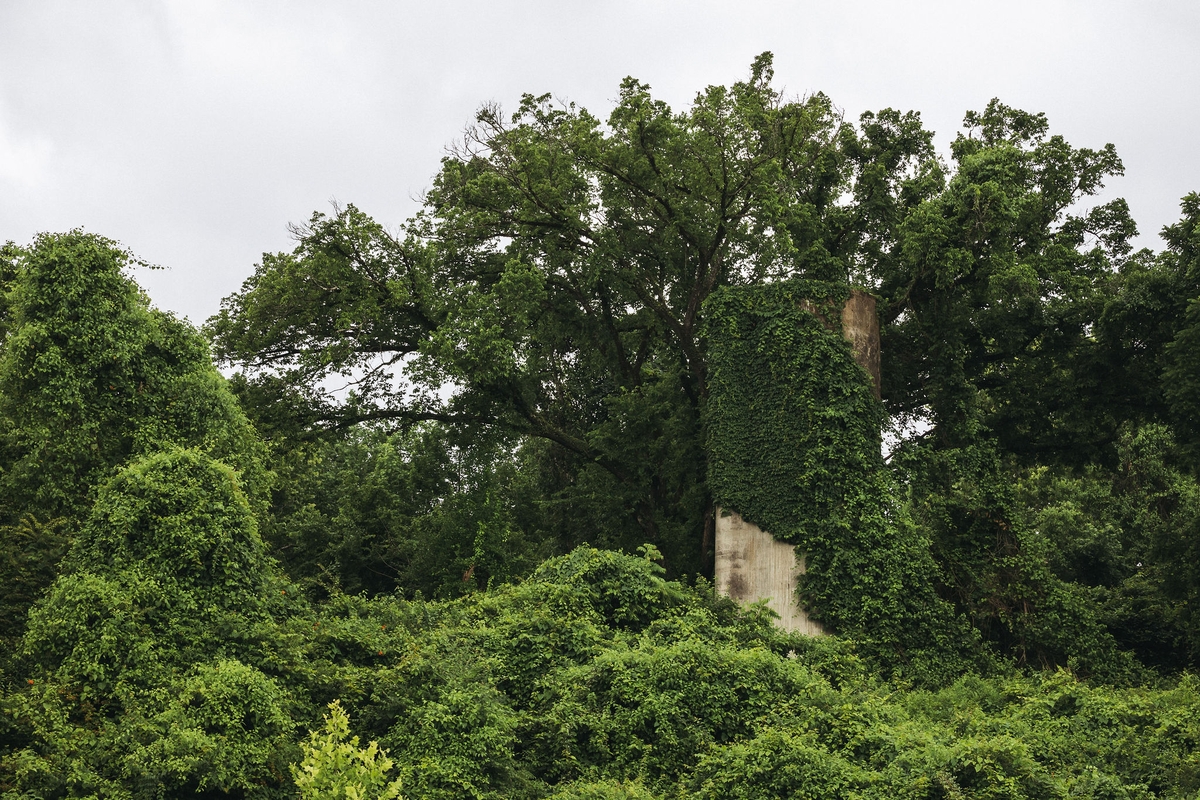
Returning to Williams Island feels like a traveling backwards, the sense of stepping onto land so rich with historical, cultural, spiritual and agricultural significance. There is a presence here.
Presences, actually.
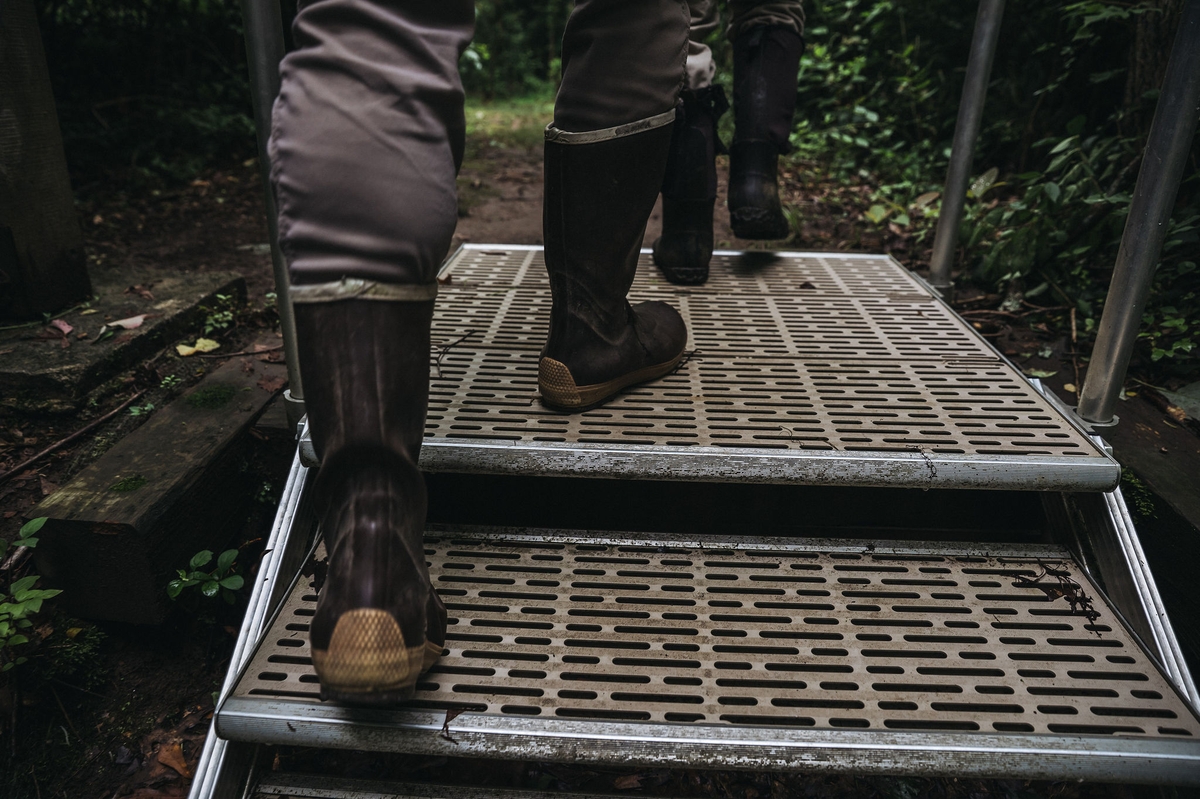
"We have evidence of 10,000 years of indigenous use on the island," said Eliot Berz, executive director of Tennessee River Gorge Trust, the regional land trust stewarding Williams Island.
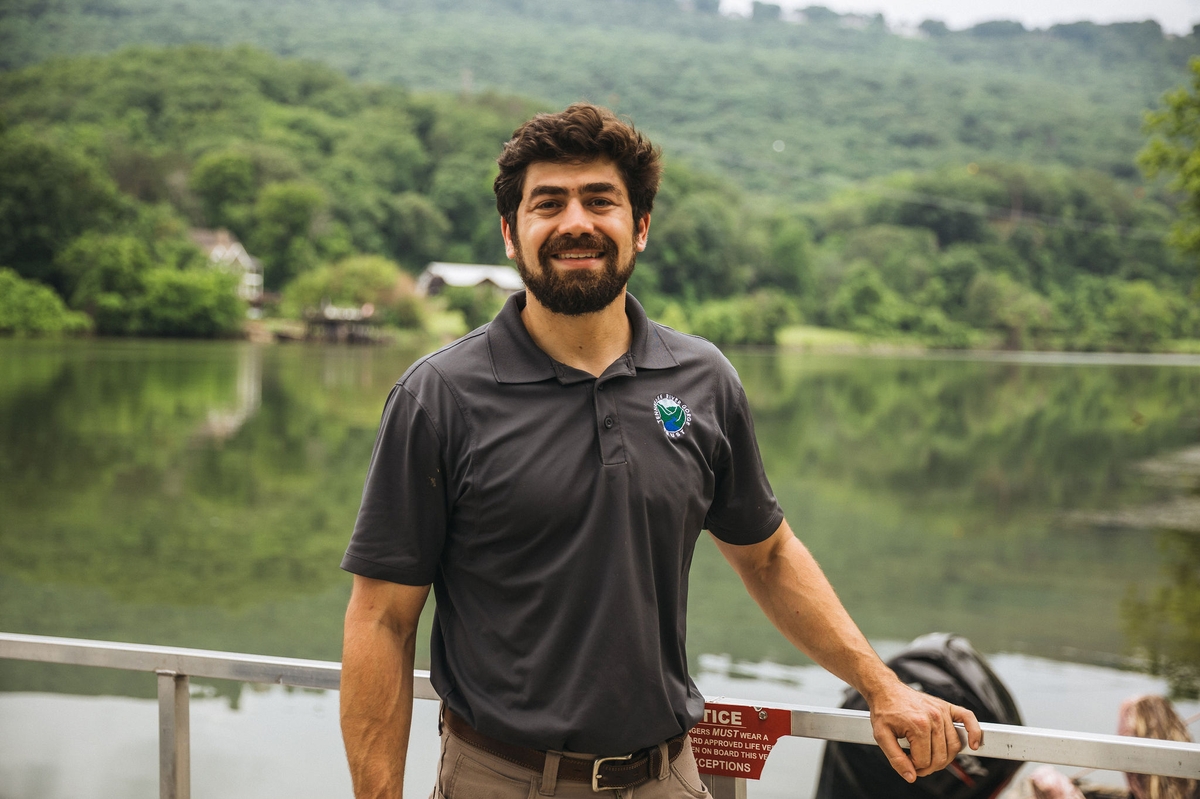
Eliot is dedicated to restoring a right relationship with the island, defined not by pillaging and disrespect, but partnership and humility.
He has a jackpot idea for today and tomorrow: he wants Williams Island more accessible — your feet, walking that land — with the island recentered within our Best Outdoor City Ever experience.
He wants you to see Williams Island in person.
And to realize all the persons that once called this island home.
"It's underestimated and unknown," he said.
"It tells both a Chattanooga story and the story of this place long before it was Chattanooga," he continued. "It's been used for homes for centuries and is now forgotten."
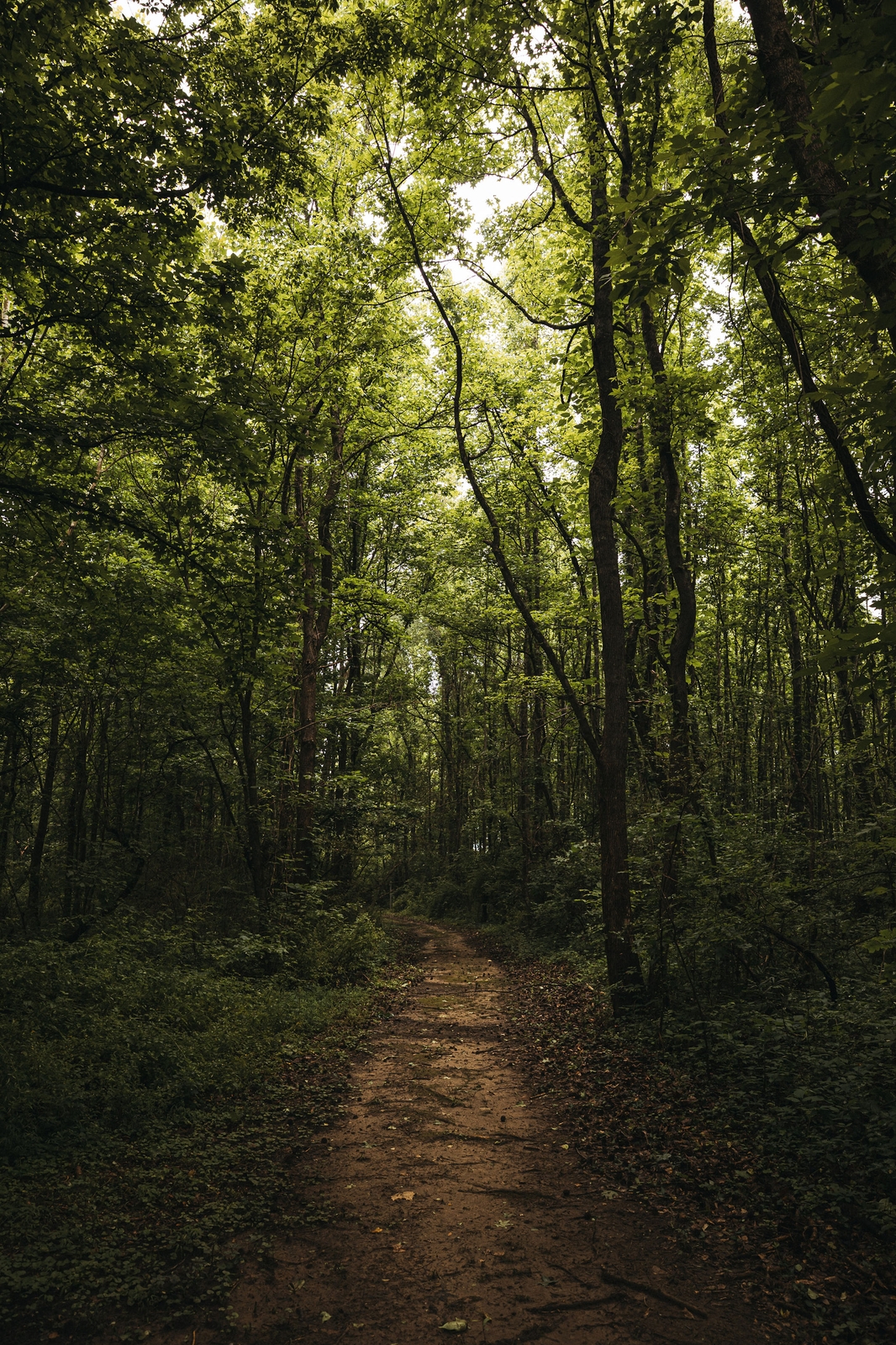
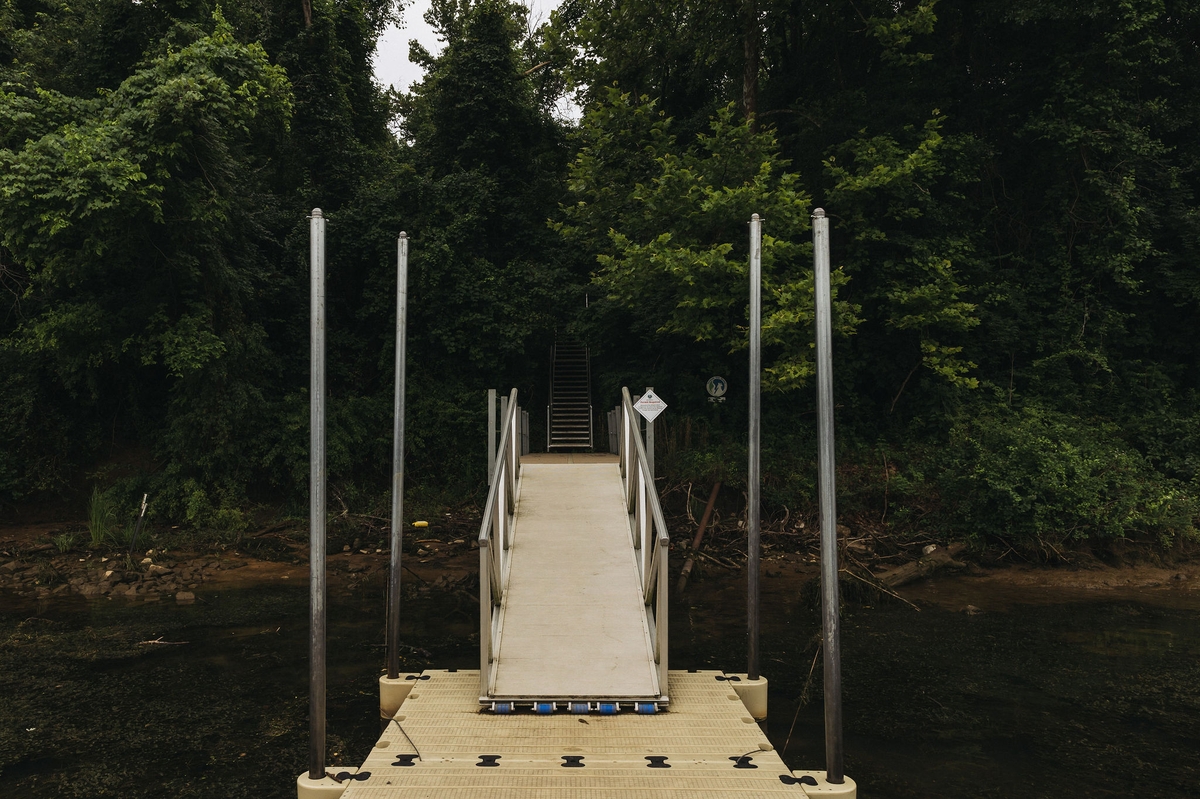
All year, the Trust has been working with the city of Chattanooga to create a public boat ramp and paddle-craft access, located on the eastern bank of the island.
From Suck Creek or downtown or from any point on the river, you can arrive for the day or night. (Here's the backcountry camping permit.)
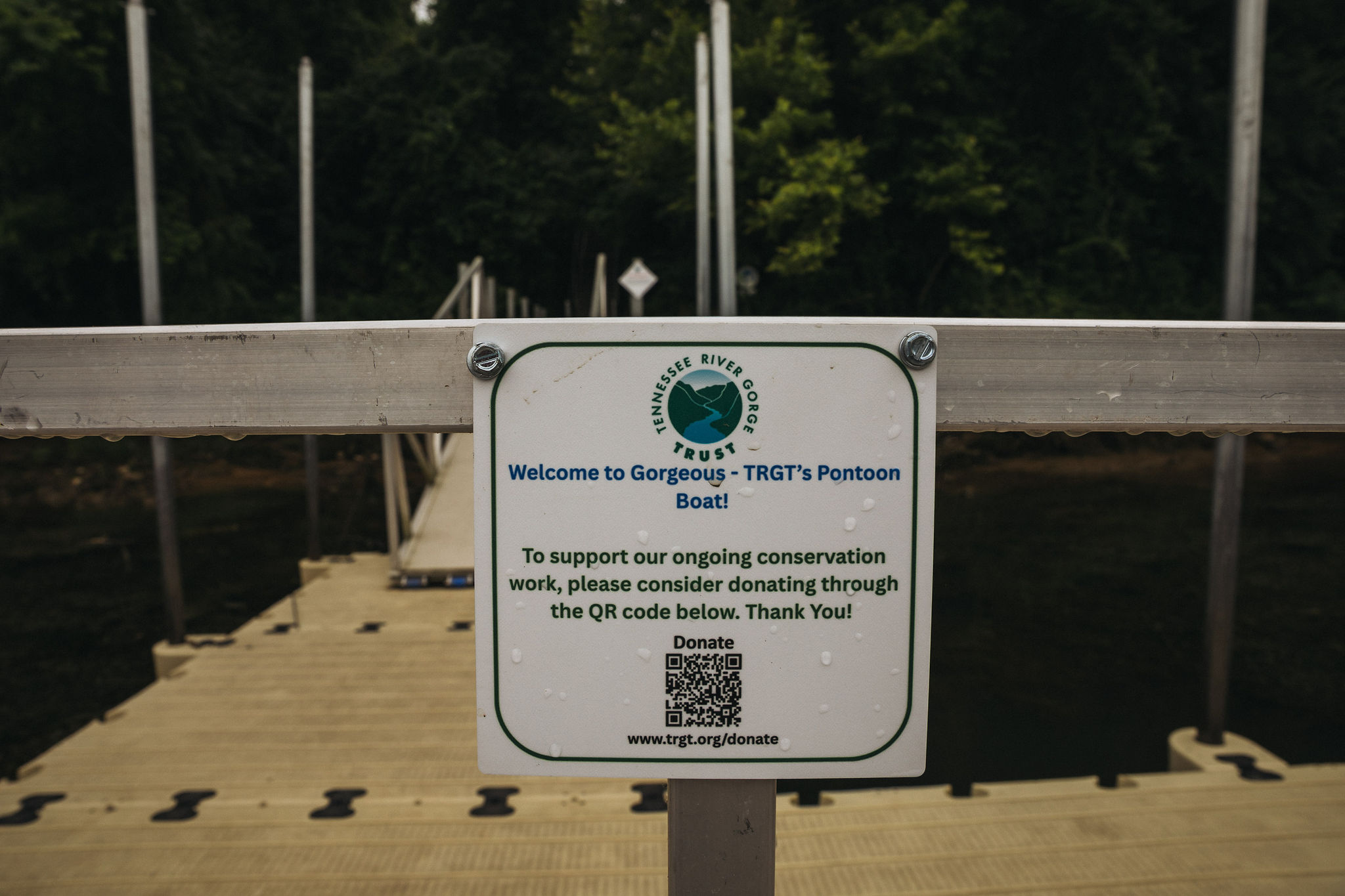
The landing leads you onto the island. The Trust maintains backcountry campsites, privies and is building a two-mile trail and pavilion overlooking the old organic farm.
The Trust is converting it to a native grasslands.
"It is an amazing opportunity to bring back an ecosystem that has almost been completely absent from the gorge for a long time," Eliot said.
There are birds everywhere: ospreys, turkeys, woodcocks, barn swallows, kingfishers, chimney swifts, catbirds, hawk sparrows.
The Trust's plan also includes a stronger recognition of Native American influence, history and presence, then and now.
"They've never really had a seat back at the management table," Berz said.
The Trust is changing that.
"From a conservation perspective, Williams Island has been managed by people for thousands of years," he said.
Earlier this summer, we met two of them.
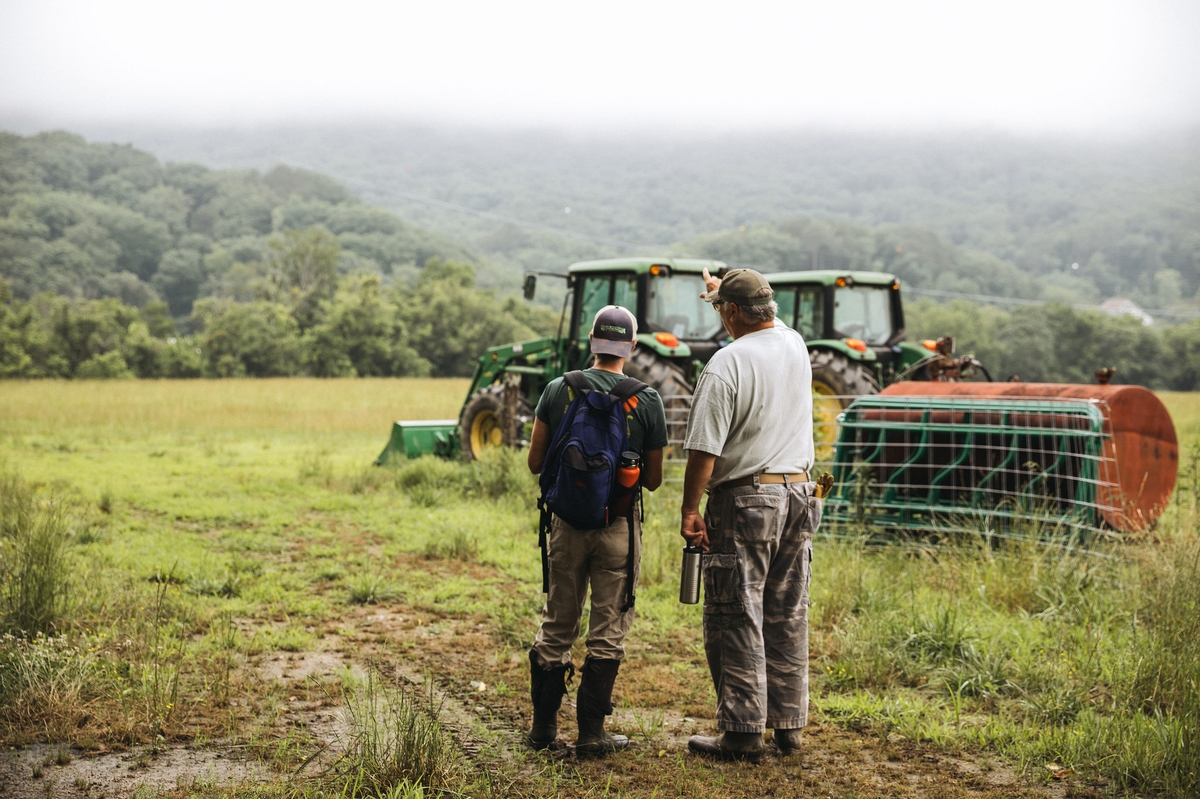
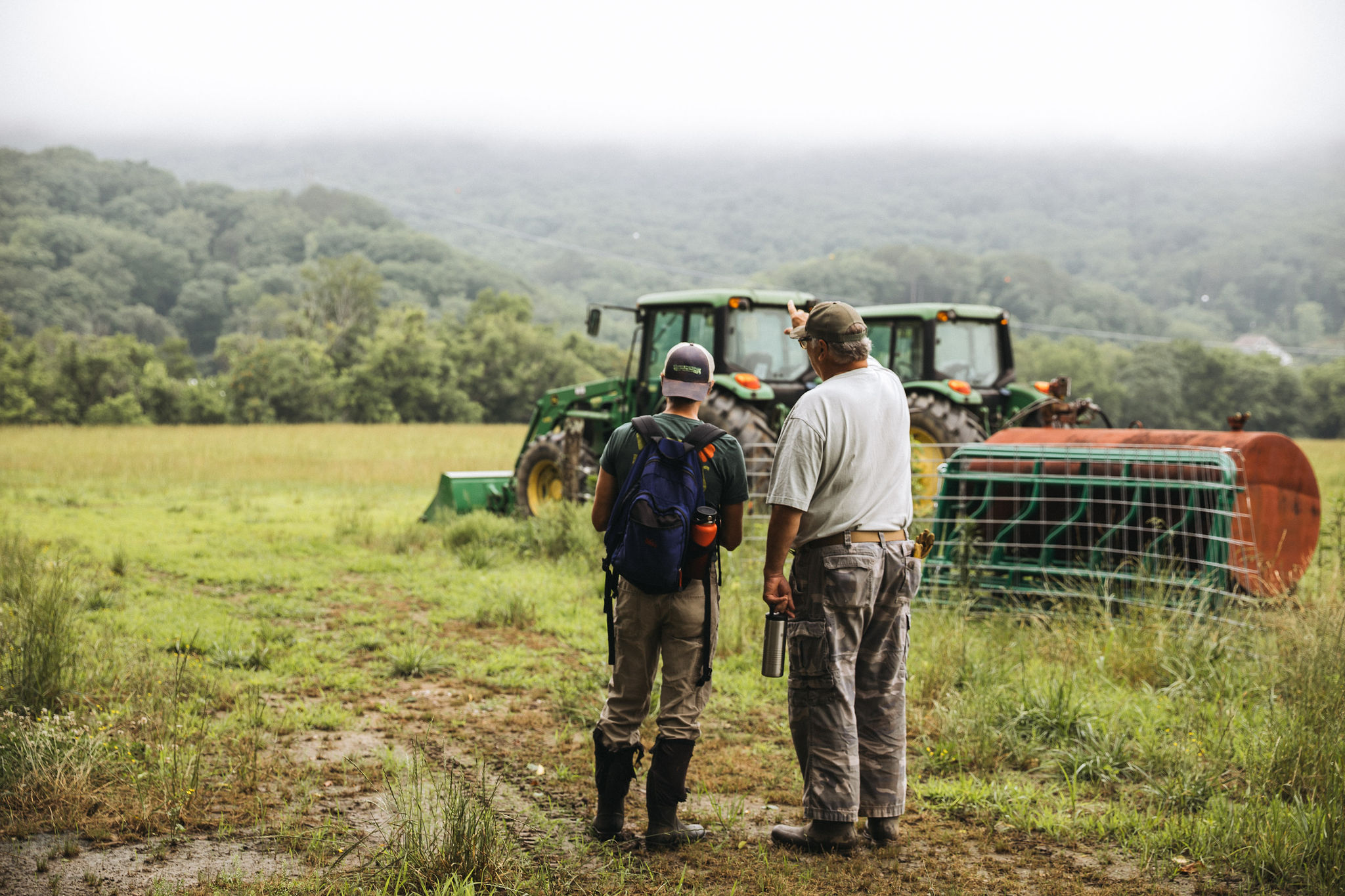
When we visited, we met a pair of farmers carrying on an island tradition that dates back centuries: from indigenous, native farmers to poor whites to post-Civil War growers to a early 20th-century organic vegetable farmers.
Today, two men farm the island.
Their names belong in our registry and consciousness.
Rick Lowery.
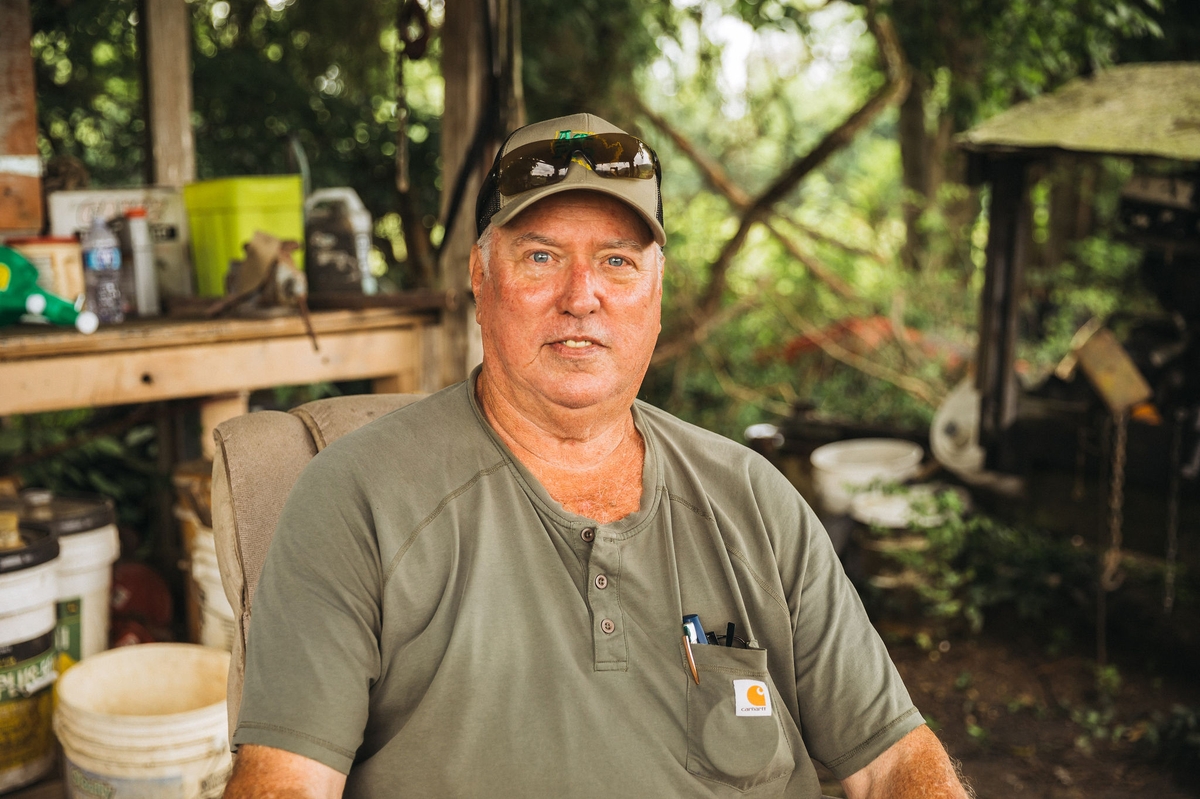
And Steve Clark.
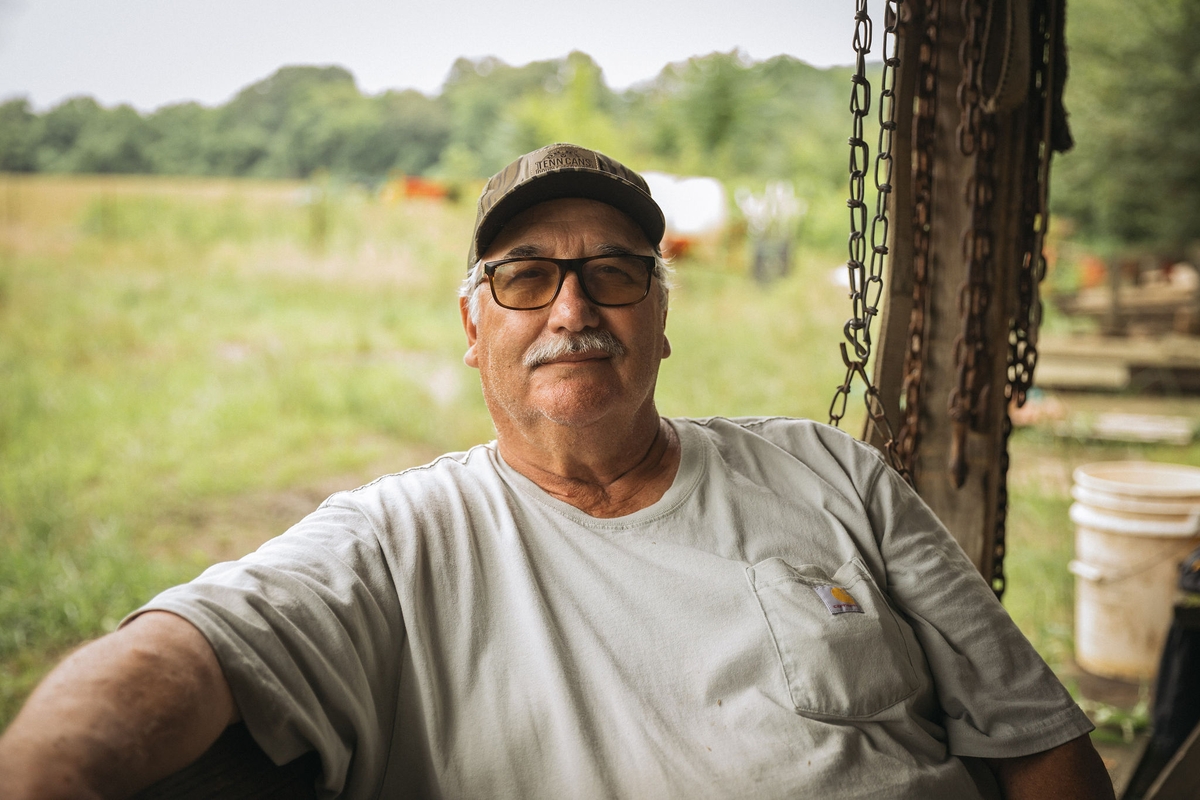
"We farm 400 acres," said Steve. "Two hundred acres of pasture, two hundred of hay."
Their Black Angus herd runs around 100.
"We have 95 mama cows, three bulls and six steers we're going to kill," he said earlier this summer.
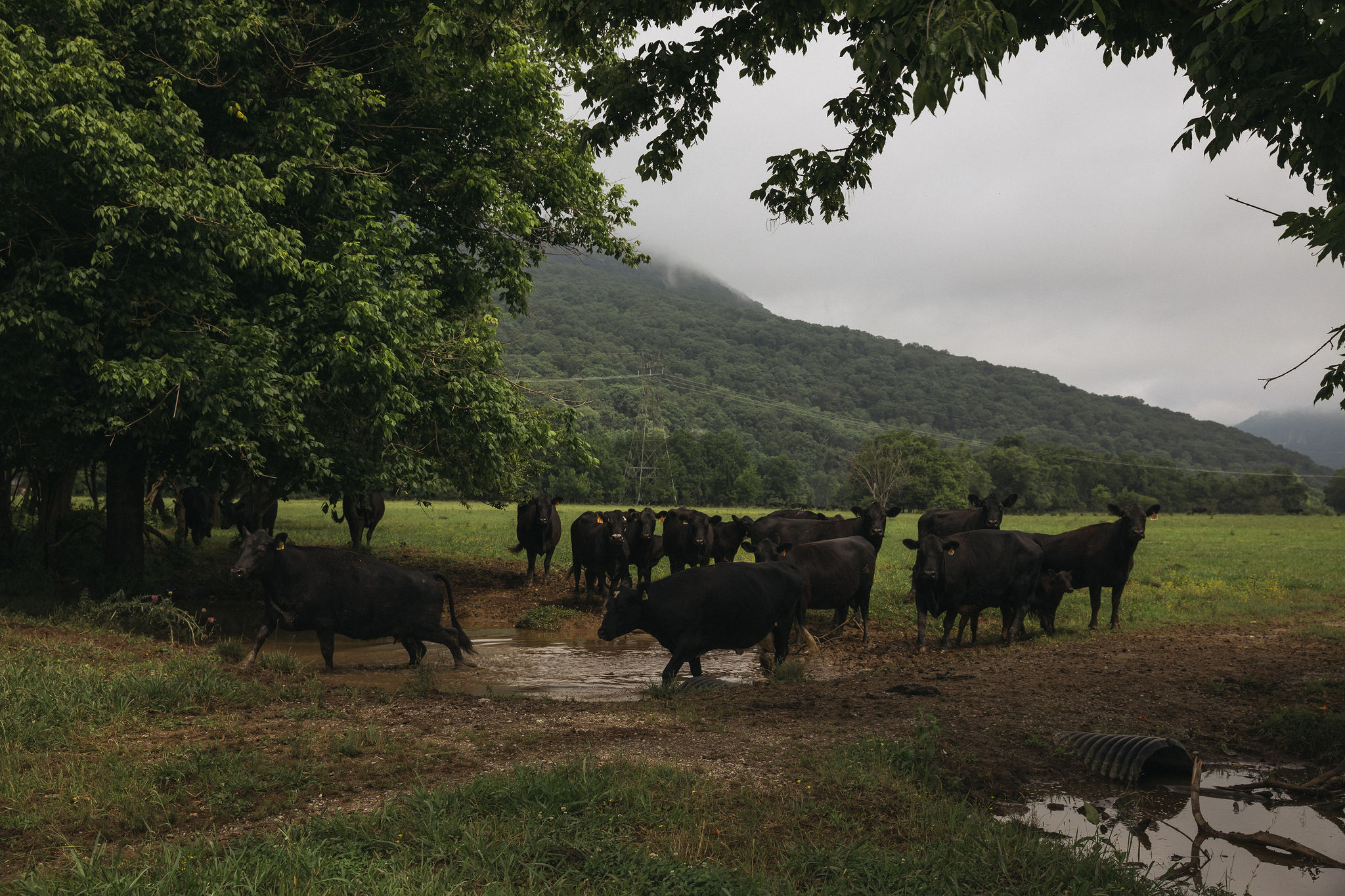
They transport their cows to-and-from across the river on a barge; both men all hail from Lookout Valley, friends since forever.
"We've deer hunted here our whole lives," Steve said. "I used to have beagles and rabbit hunt the island."
As younger men, he and Rick were deer hunting the island, when a wild hair of an idea emerged out of that young-male-bloodstream: hey Rick, think we could farm this?
A long story made short: no, you can't farm it, then yes, you can, as the former River Gorge Trust executive Jim Brown worked with the state into allowing the Trust to steward the island, which then allowed these men to begin farming.
"We went out and bought 35 head of cattle and dropped them off," said Steve. "We didn't have fences or anything. That was 25 years ago.
"You couldn't walk anywhere across it," he said. "Trees were as big as your arm. We went through two bush hogs and three tractors where we could just raise cattle."
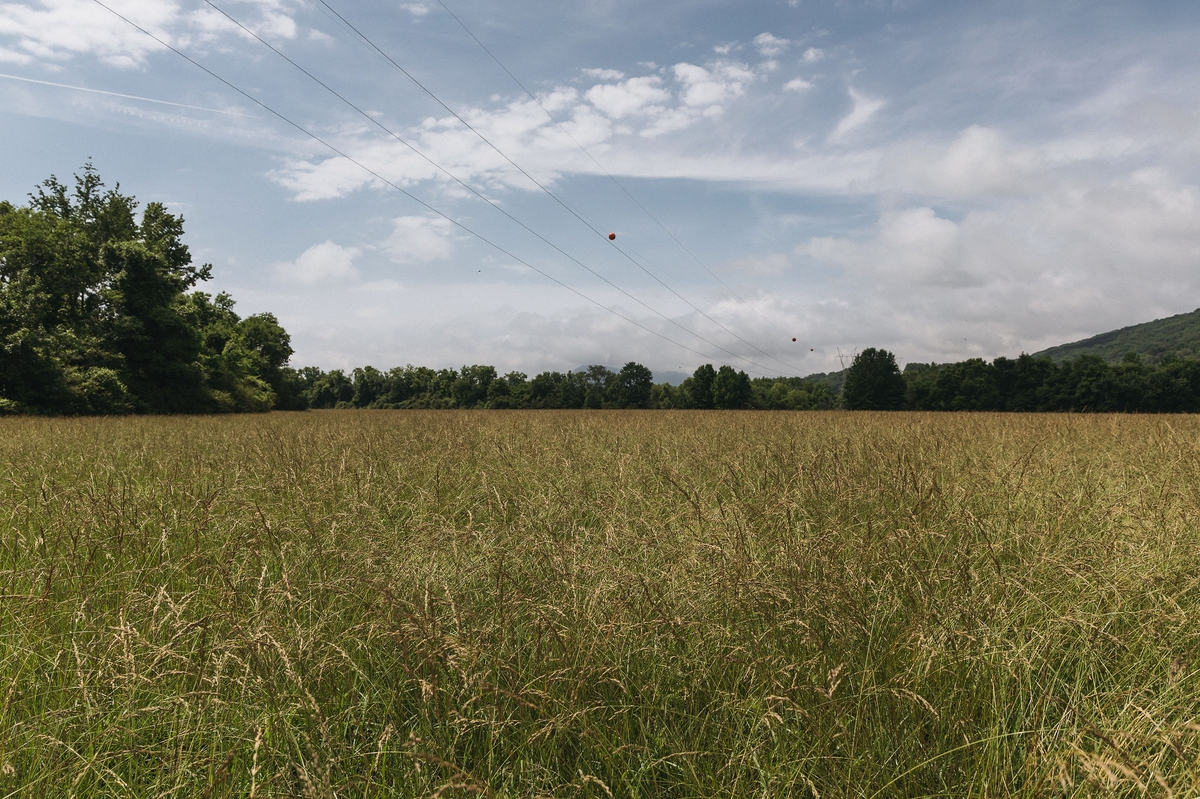
Today, it is magnificent: the fields and pasture and grass. Once, a vet came to the island to vaccinate some cattle.
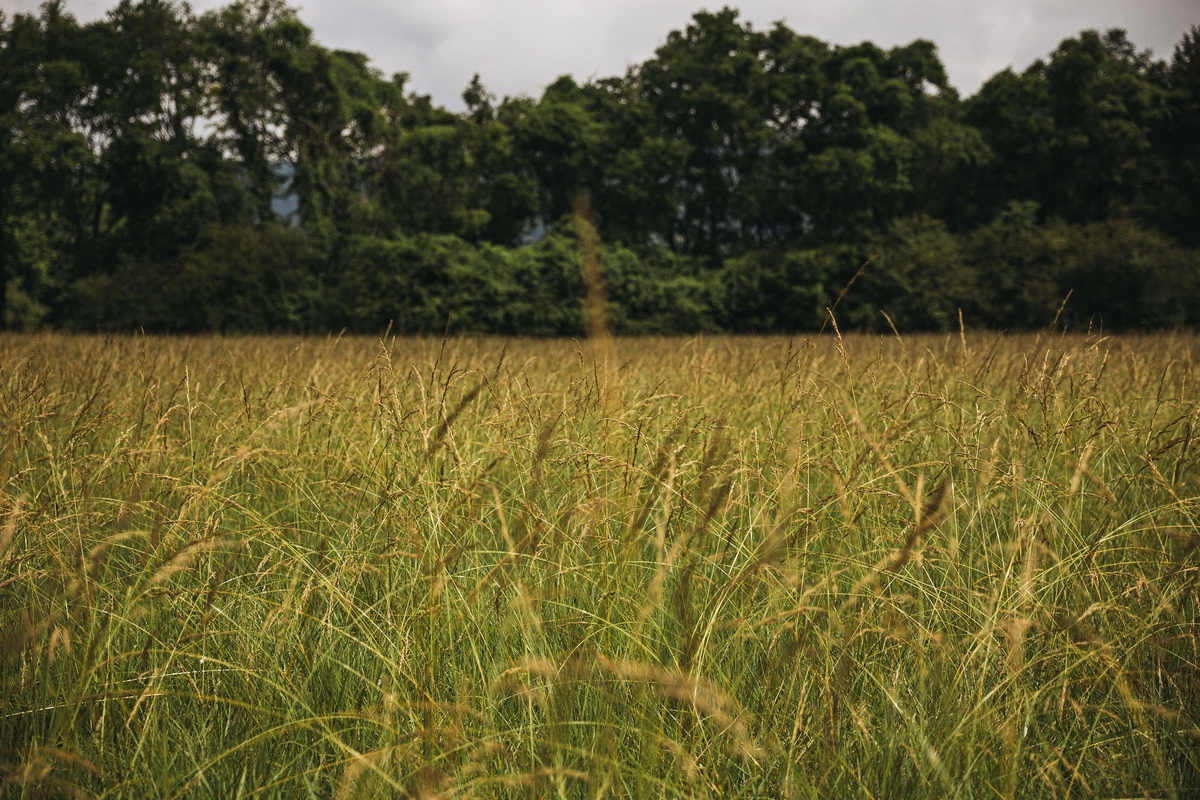
Vet took stock of the health and girth of these cattle, wondering aloud: what medicines are you giving them?
We don't give no medicine, doc. It's the pasture.
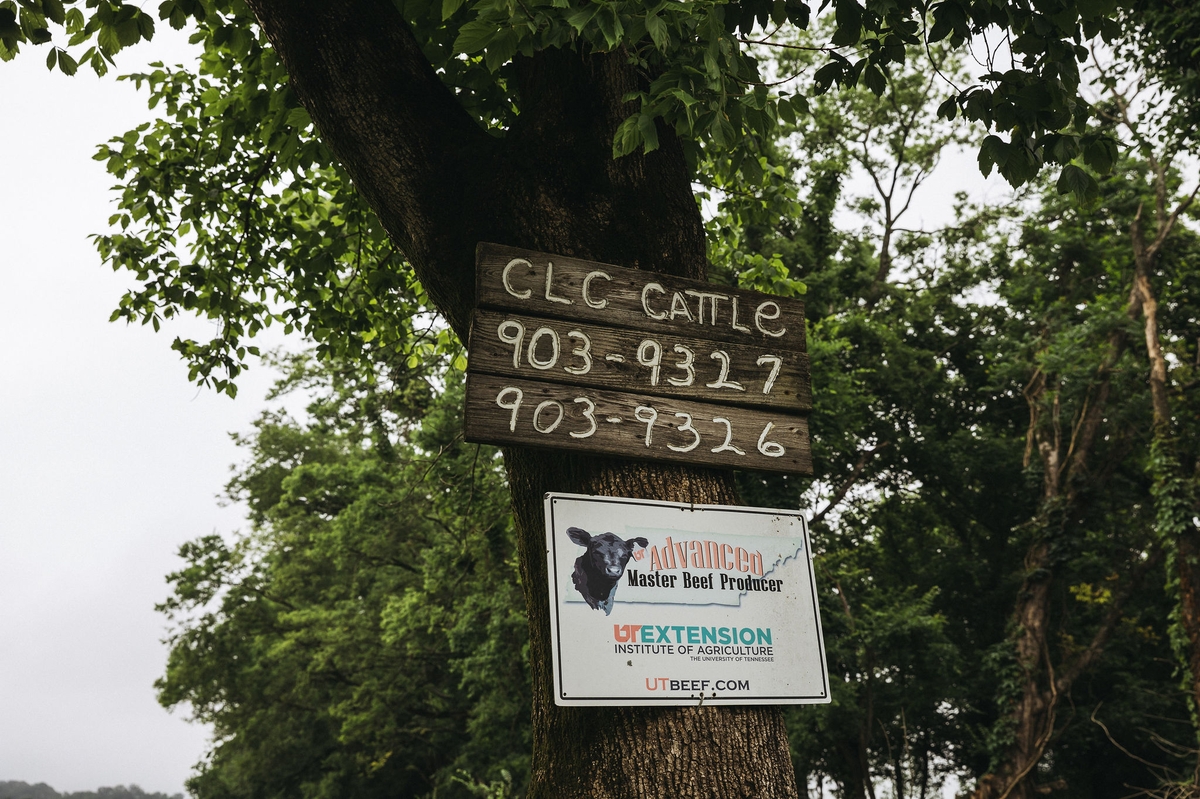
Today, they rotate their CLC Cattle herds — Clark Lowery Cattle — every few weeks; cows drink straight from the river. Word is, when they take their cattle to auction, the auctioneer specifically names them as Williams Island cows, and bidders start bumping one another higher.
"It seems that way," said Steve. "We usually get top price."
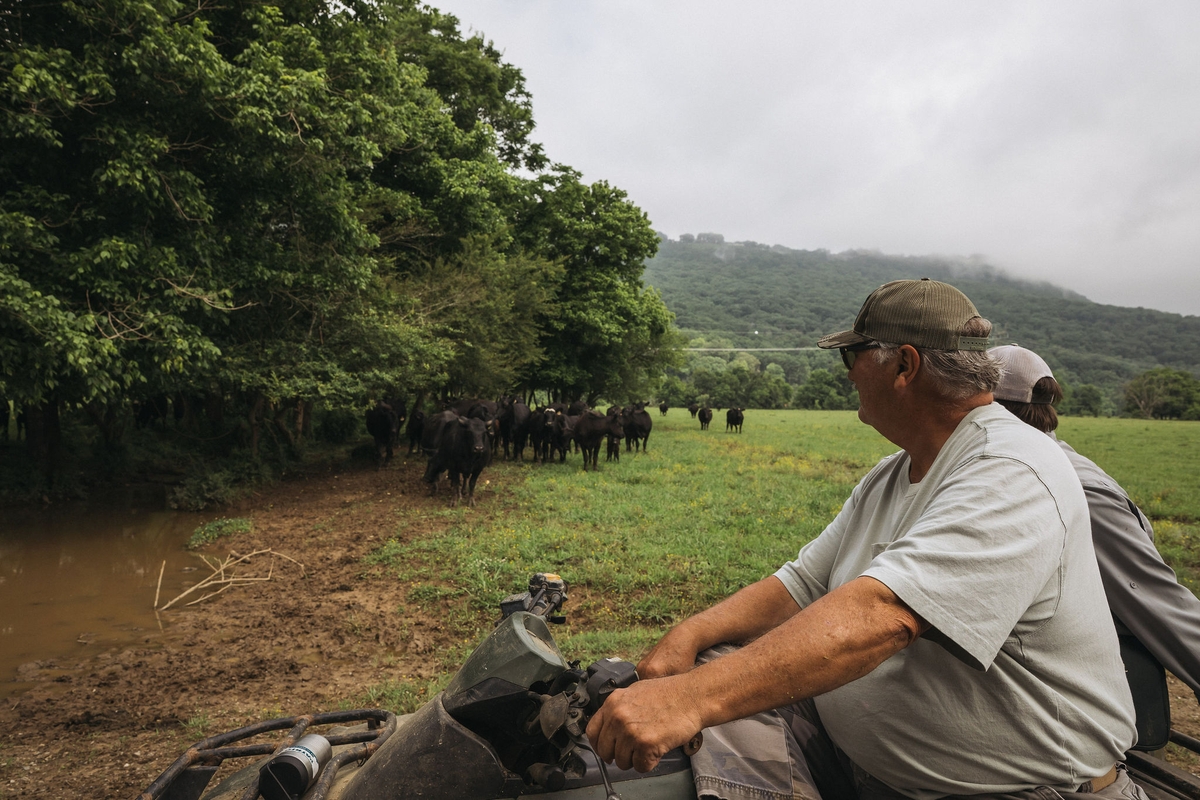
On the day we visited, we rode ATVs out to meet the herd.
They were in the far pasture, just on the horizon. Steve, 70, began calling the cows home.
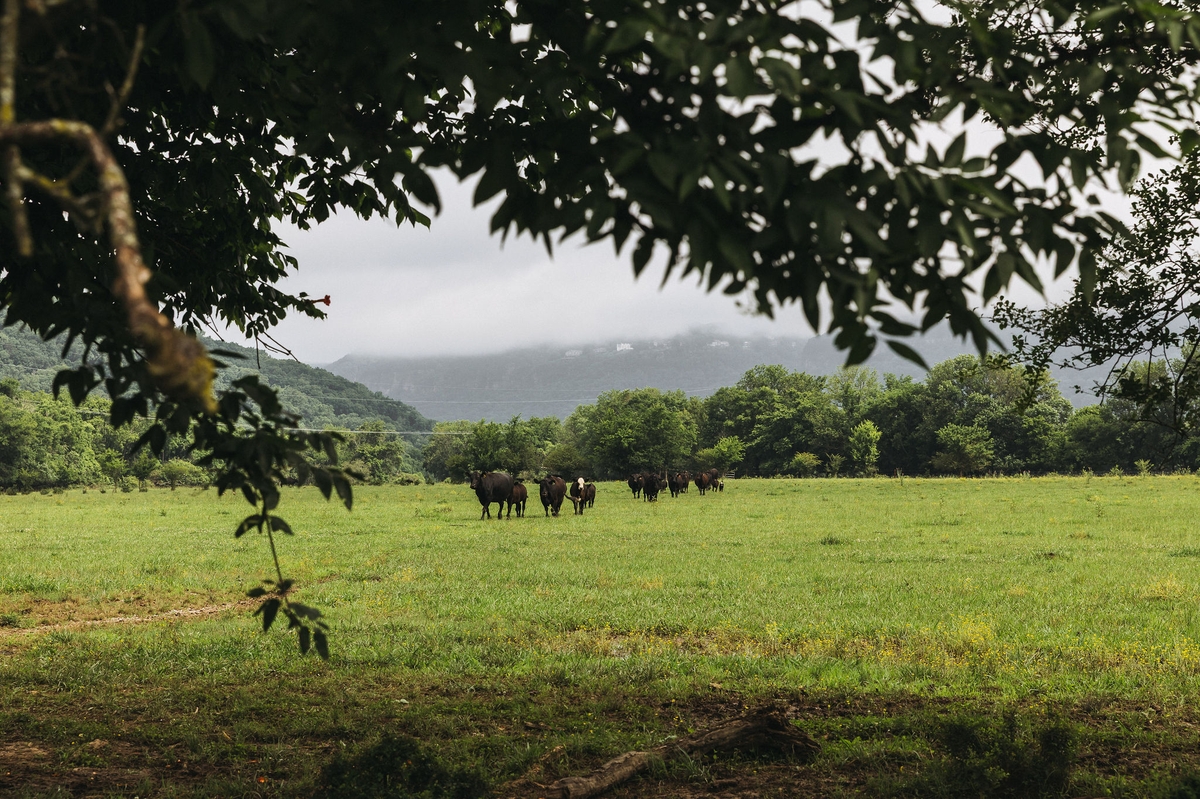
The cows arrived in waves, like an Angus parade.
Their moos echoed bass-like and operatic.
"Aren't those some fat slick cattle?" someone says nearby.
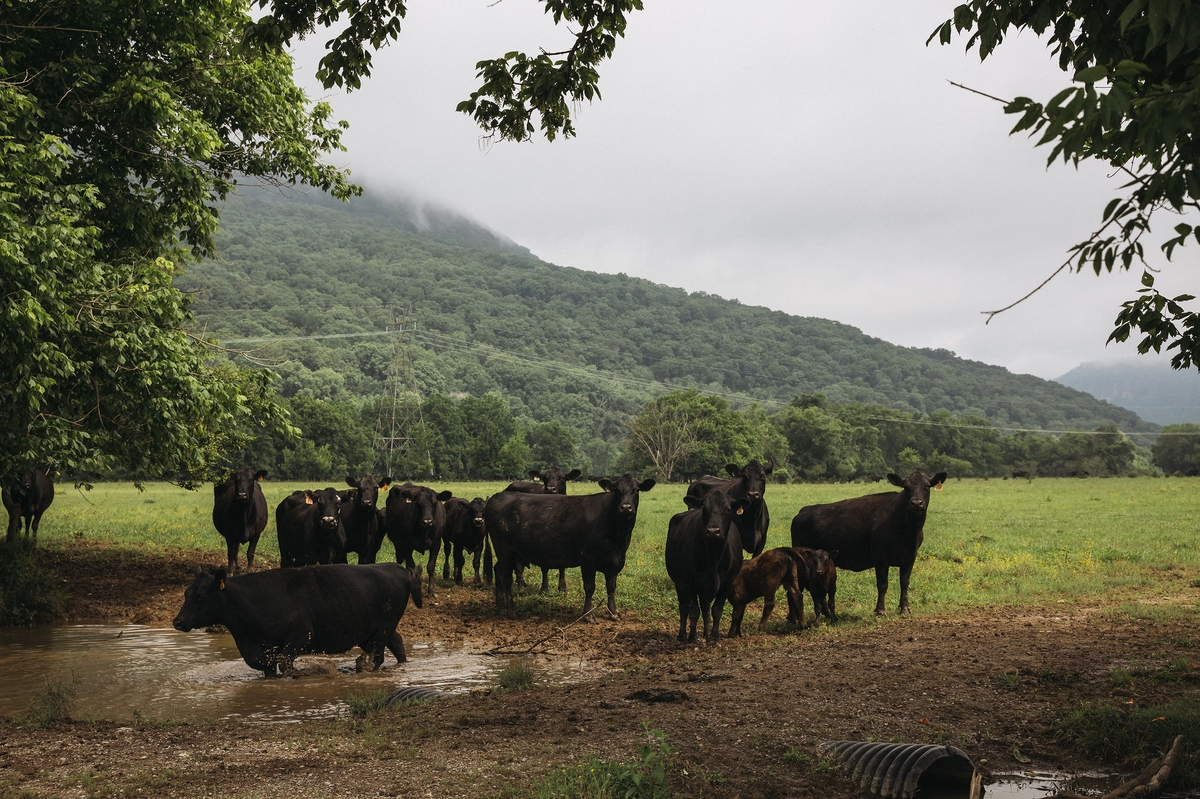
Sarah clarified further.
"They're island cows," she said.
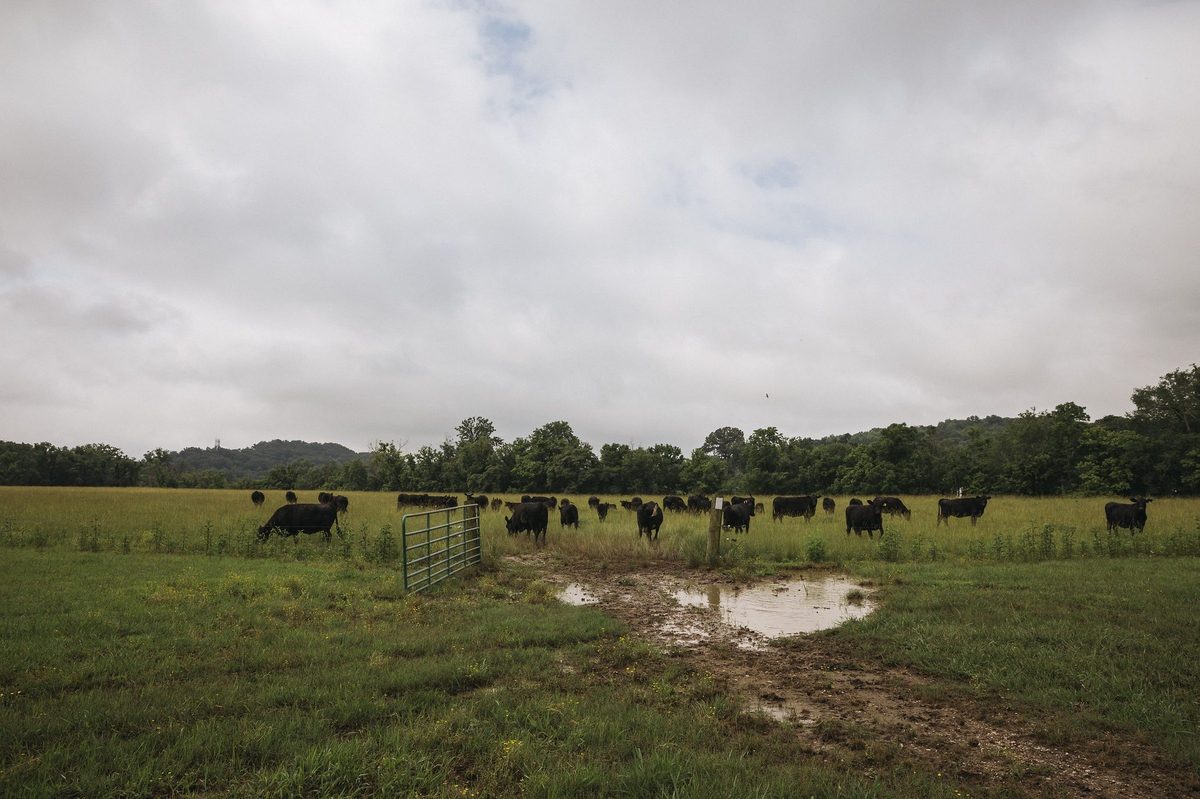
Through the fence, the island cows run to the farthest edge of the new pasture, soon visible only as black spots among the tall green grass.
"When we let them have a new pasture, you want to see how far they can go," Steve said.
Let's rewind a little, then rewind a lot.
Hours earlier, on the morning we visited, we'd met Eliot at the Baylor School boat launch, where the Trust keeps its pontoon boat.
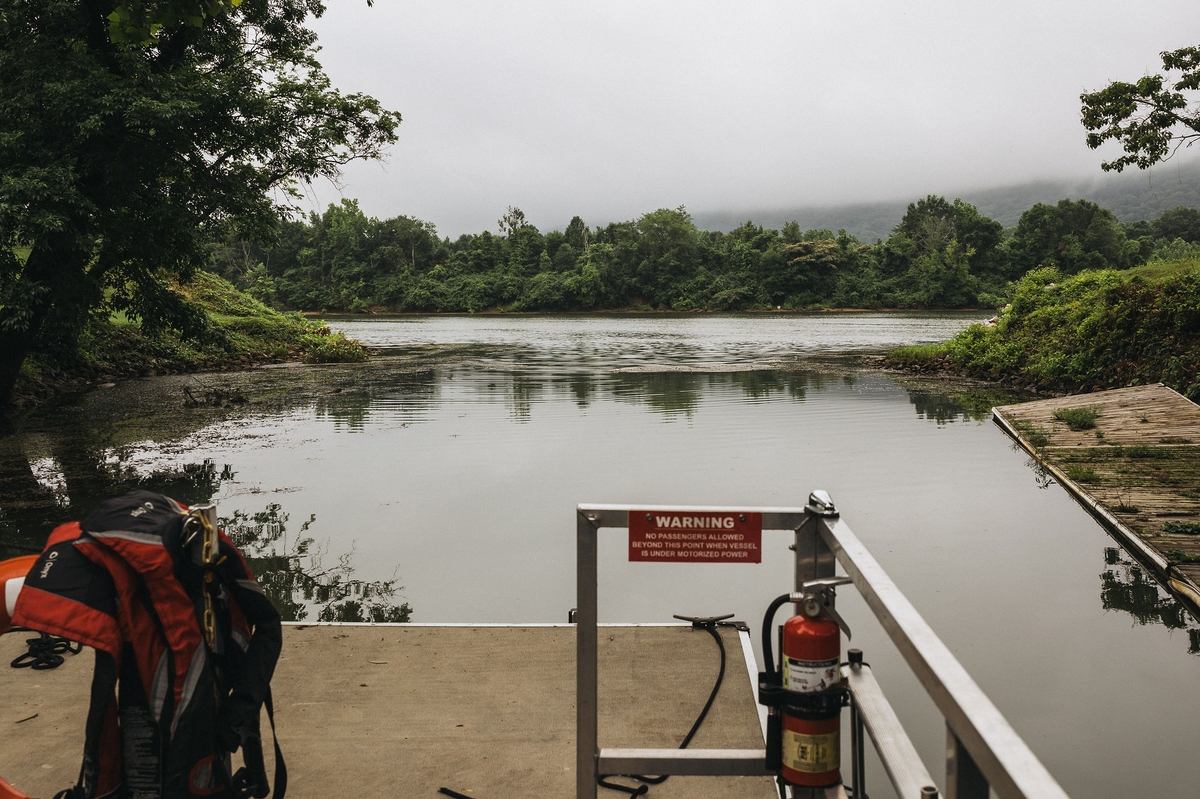
We traveled upriver, 15 or so minutes later reaching the new and improved boat launch.
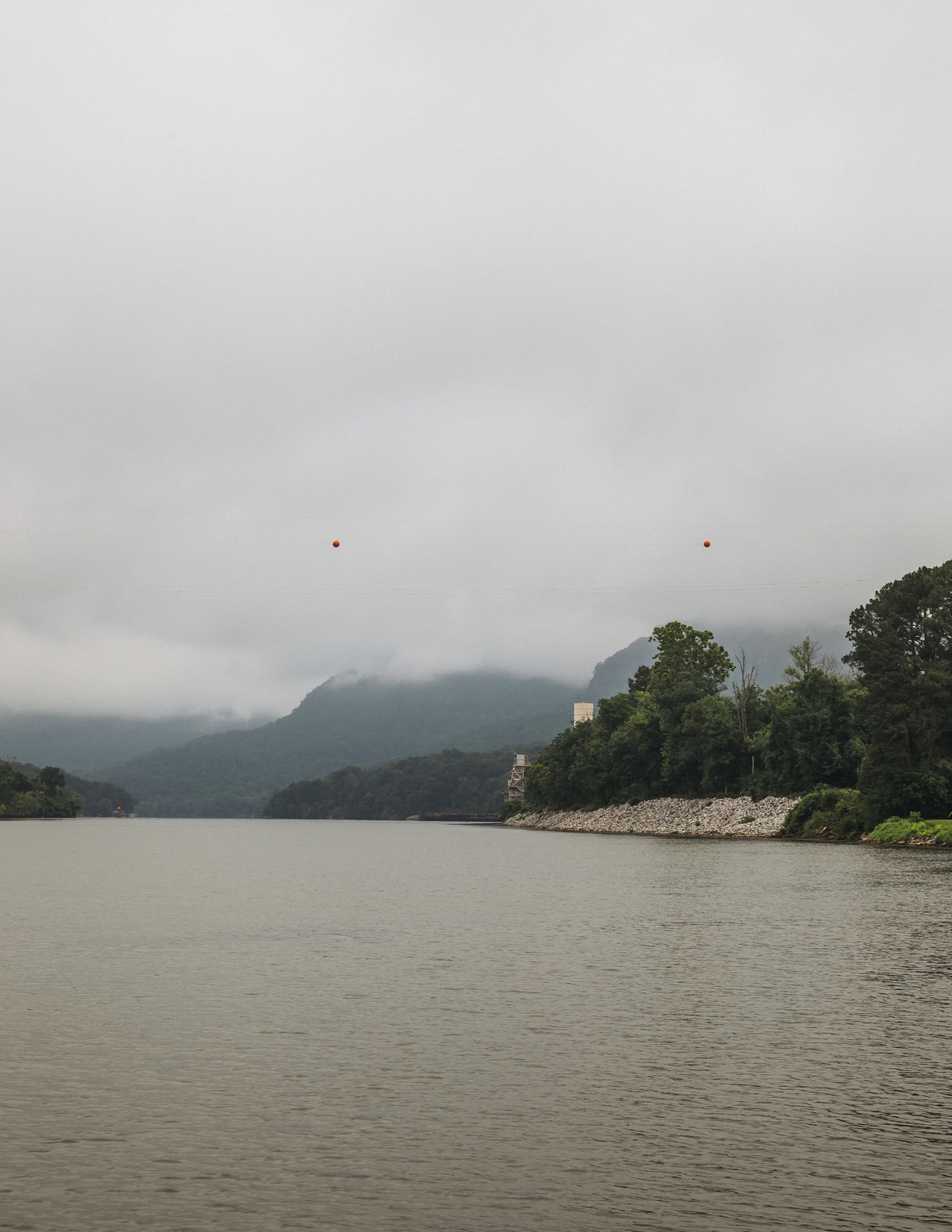
Then, Steve and Rick — the island farmers — joined us.
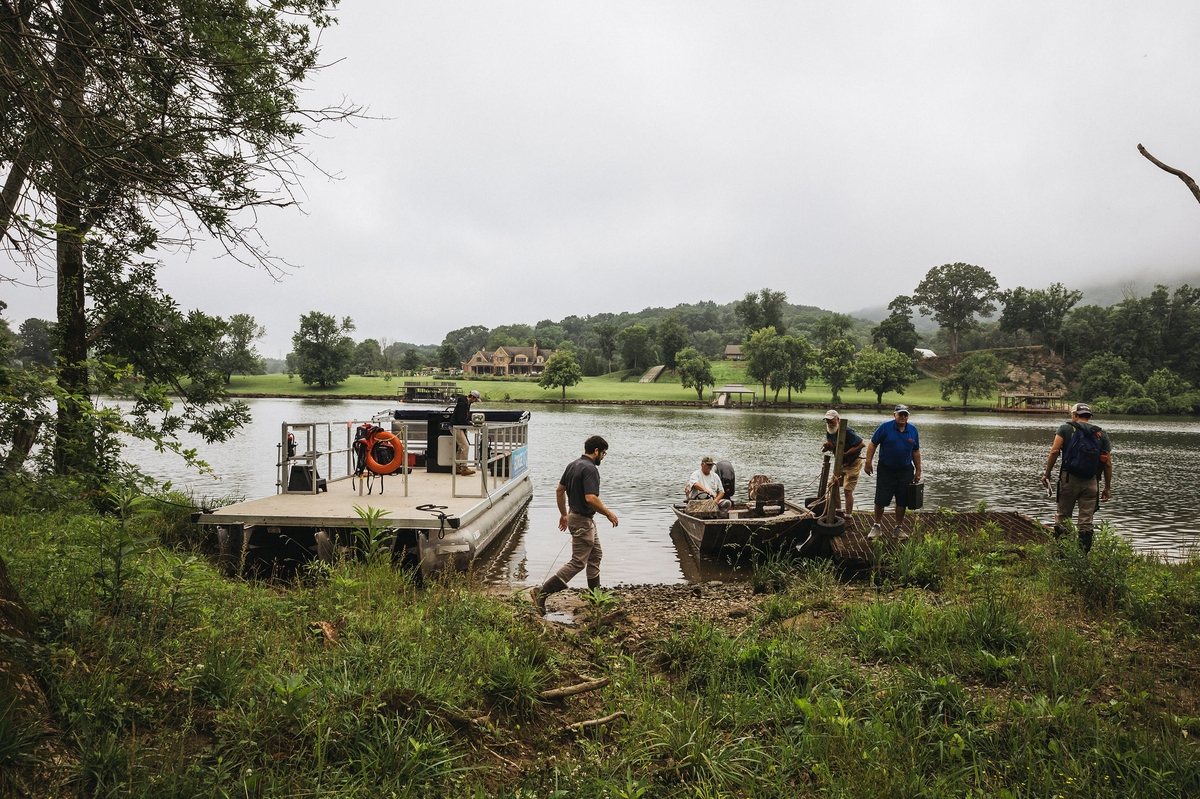
With them, Berry Thompson, also a friend-since-forever, who helps out on the island.
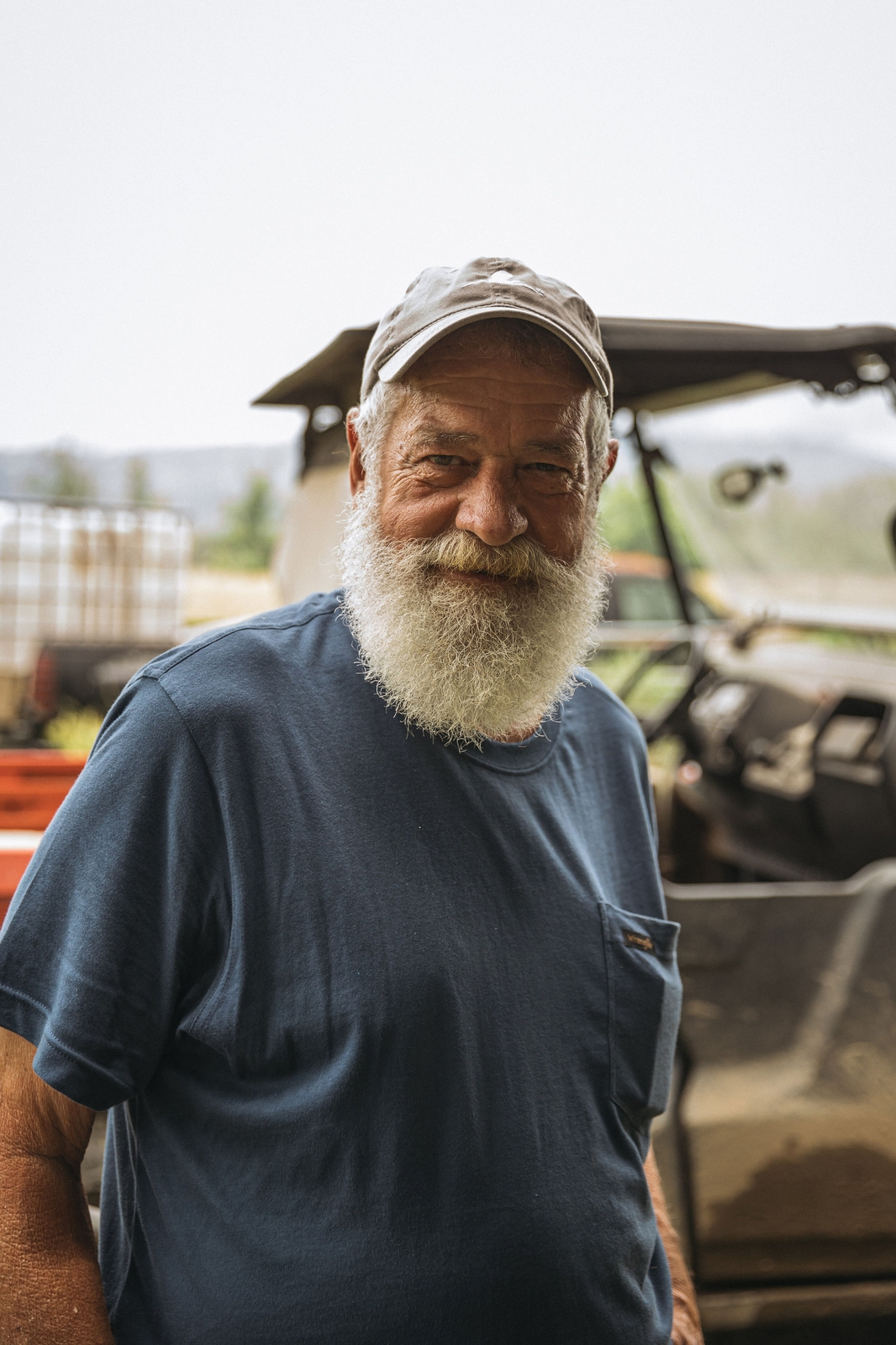
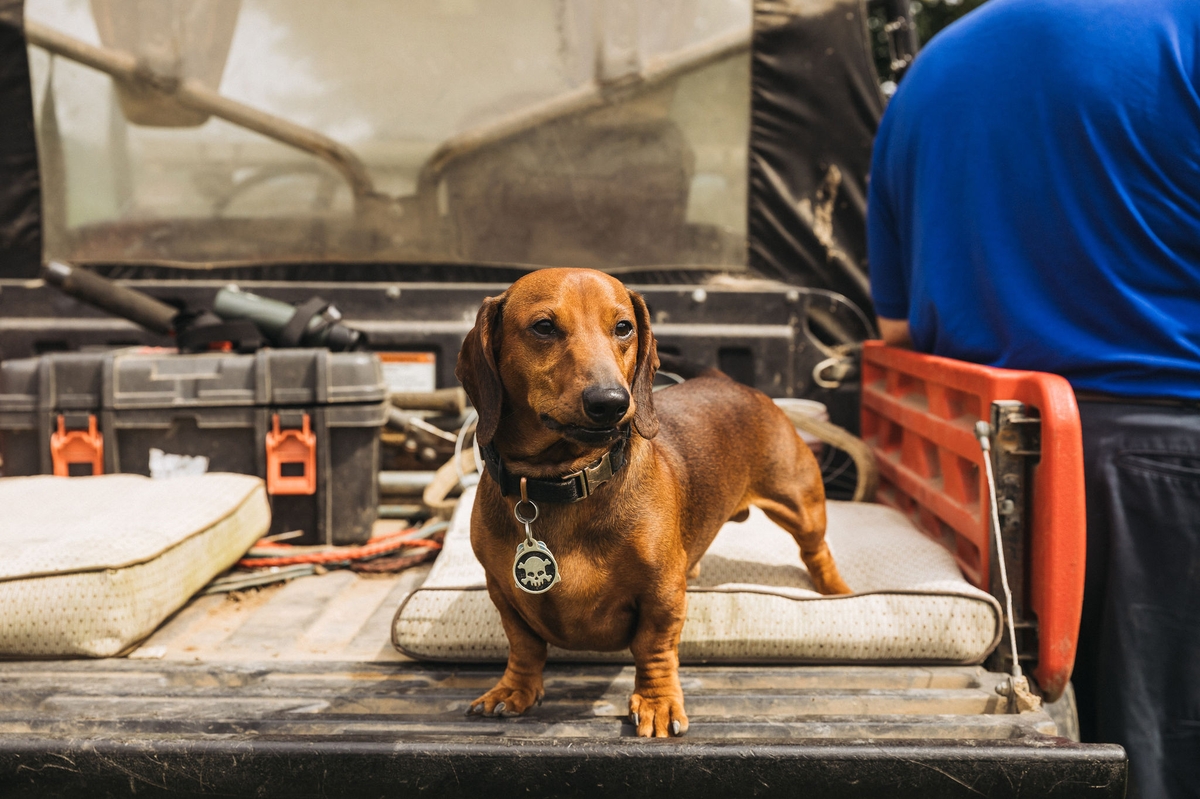
And his dog, Trooper.
"He's a number two dog with a number eight bark," said Barry.
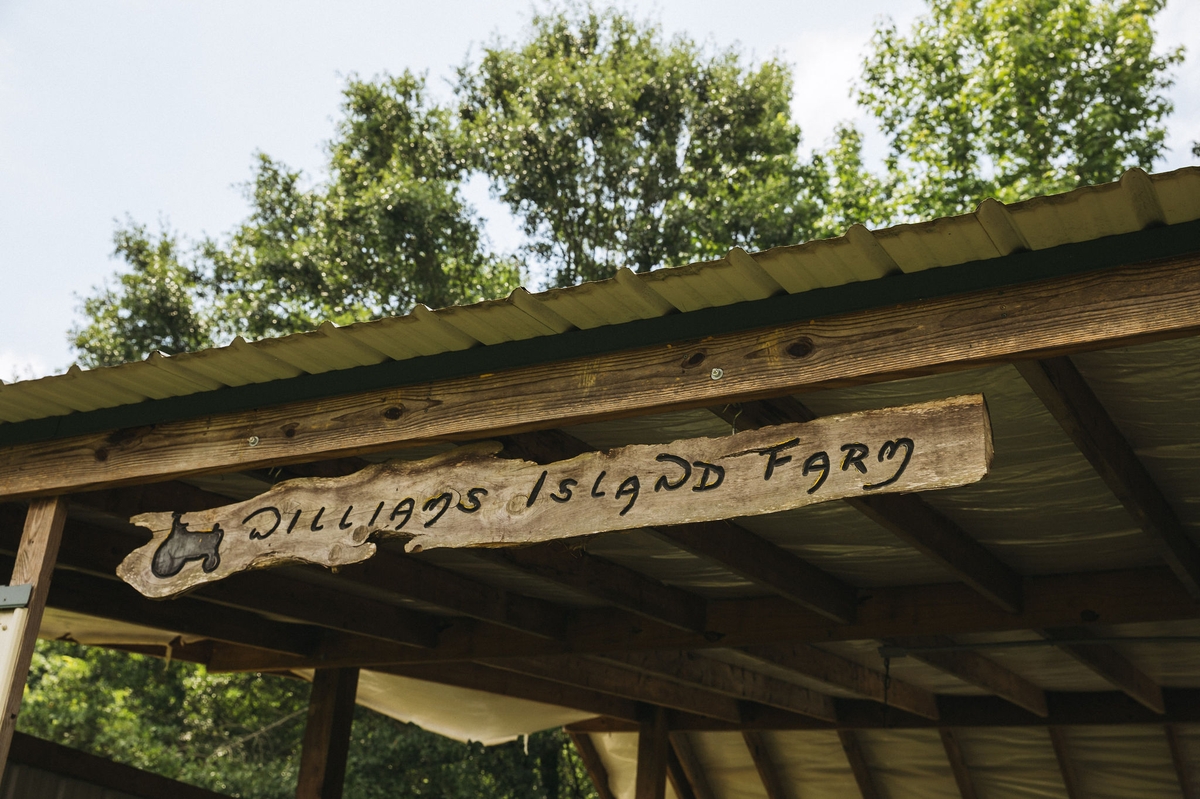
As if instinctually, we gravitated towards an out building that seemed both flimsy and indestructible at the same time. Tractors were parked nearby. Decades of accumulated work and leisure: 10-penny nails holding up wrenches and bottles of antifreeze and engine oil and crushed Coors cans, the flotsam and jetsam from decades of farming, fellowship, in poor weather and good.
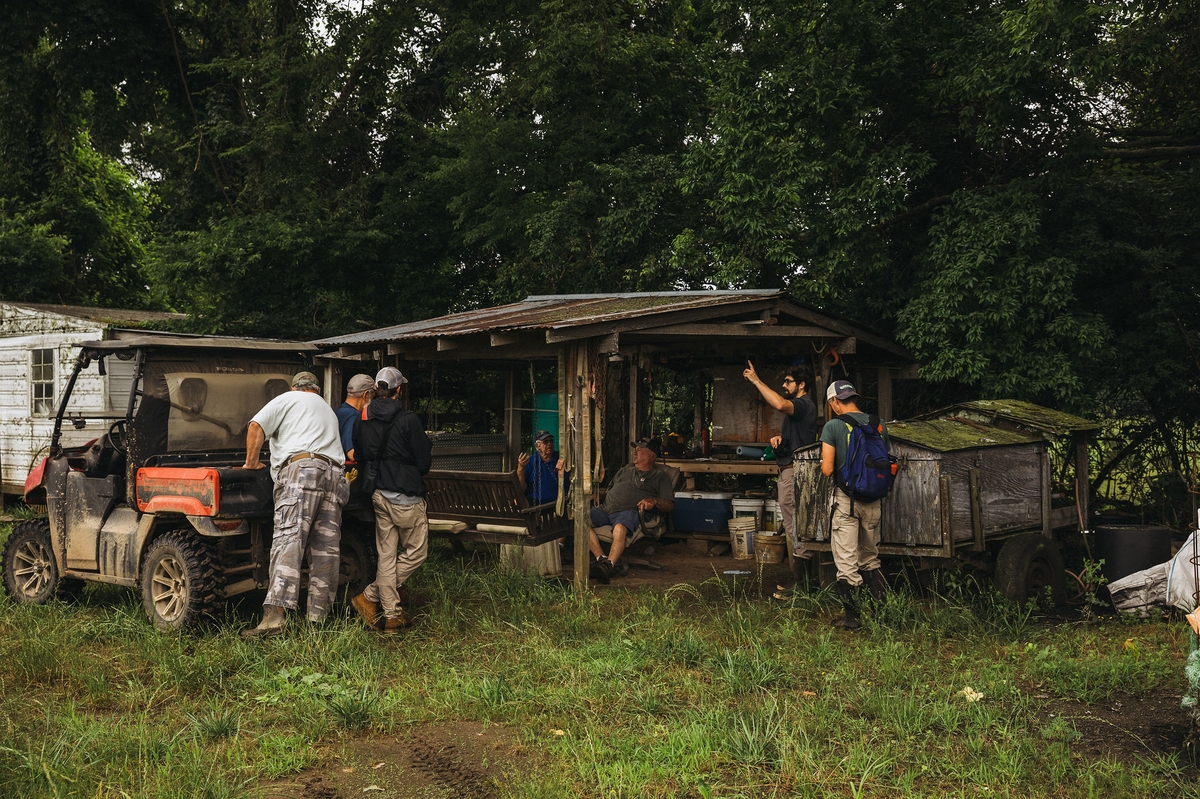
"We call it our barn," said Steve.
Soon, stories and histories opened up. We circled around them like a fire; listening to them felt like an entrance toll before we toured the island.
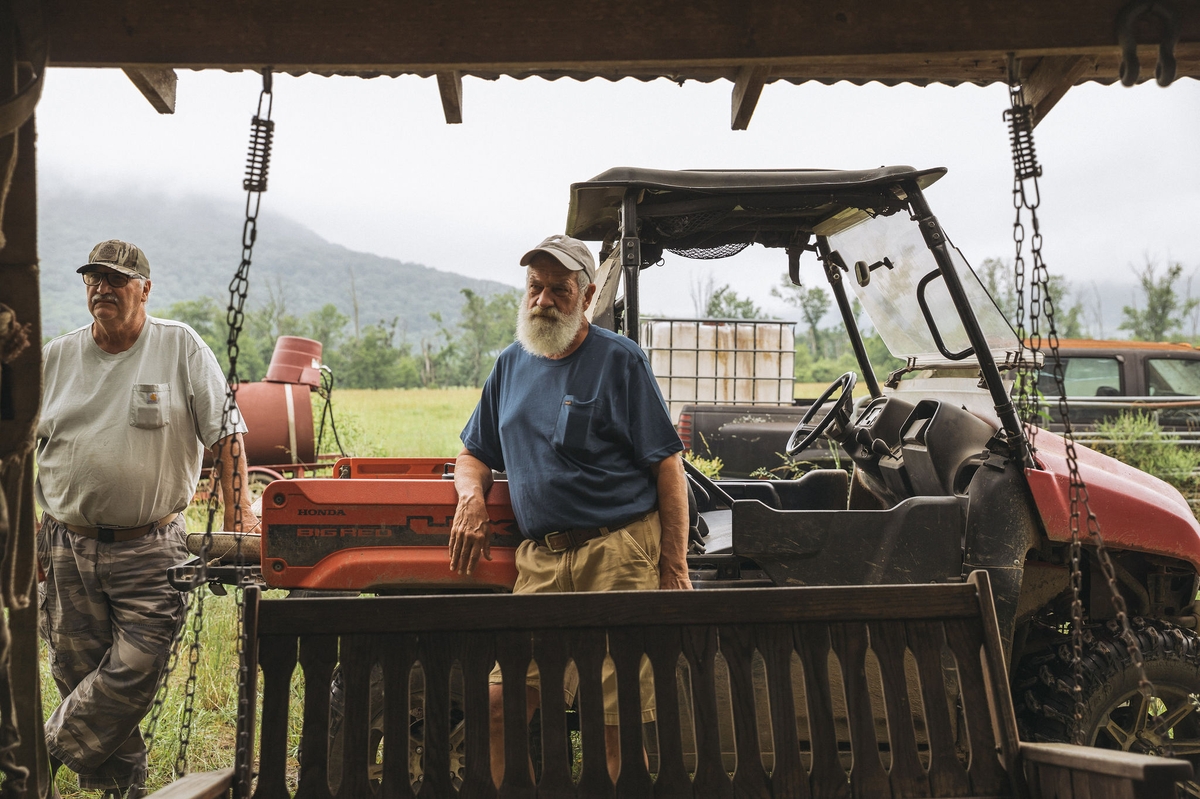
The past is never past, Faulkner said. Certainly not here. It was dizzying, a hopscotching around from decade to decade, century to century, with no discernible thread, yet somehow, like a jazz band, the men knew the stories, context and ways it all fit together.
"My wife's grandfather farmed this island, 70 years ago," said Steve.
Corn as thick as your forearm, Rick said.
We time traveled back farther: stories of a Civil War sniper from across the river with a Whitlock rifle shooting a ball through a mule and the thigh of the man hiding behind it.
Andrews' Raiders. A steamboat race. A blown engine.
Dragging Canoe. Poor whites used to hoe vegetable rows a mile long.
"They'd go down in the morning before lunch, then back in the afternoon," said Barry.
"I've seen pictures," said Rick. "Not a tree on the island."
Families are buried on the island, both white folks and native Americans. Thieves raided the island years ago.
"My great grandfather farmed it for soybean and corn until he was 90," another man said. "It hadn't been farmed since before the Civil War."
"During the 50s, Eisenhower about starved us to death. There was nothing better than three o'clock in the afternoon, chicken freshly skinned and cooked over the fire.
"This island raises some great-tasting quail."
All we could do was listen and hold on.
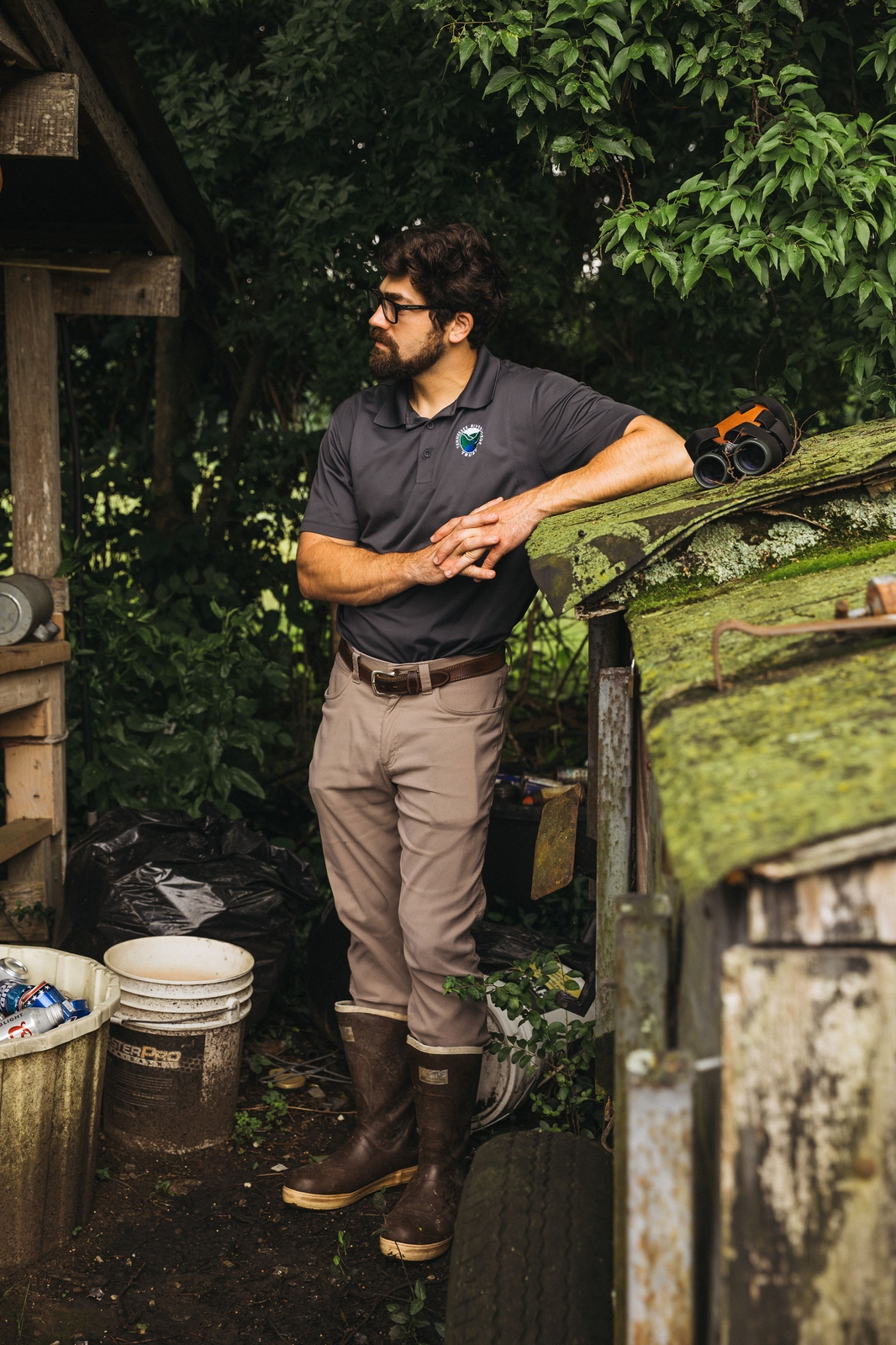
Across the river, B3rry grew up in Lookout Valley.
"My family's been here since 1835. I'm the seventh generation to live here," he said. "My son's the eighth."
His childhood home was built from wood and lumber lassoed from the river and drug to the bank. Newspaper was stuffed in the walls for insulation.
"When I used to walk this island, it was like walking in a park," he said.
He comes to help once a week or so; in return, his old friends give him freezer beef for the year.
"It's some of the finest beef you'll eat," he said.
What's the island mean to you?
"Everything," he said.
"It's just a different perspective you get out here. It's just good for your soul."
Now, let's rewind a lot.
Because the story of Williams Island predates all these men and the stories they tell and remember.
"It was occupied by Cherokees forever until we lost it," said Johi Griffin, the Eastern Band of Cherokee Nation's Tribal and Sacred Historic Sites Keeper.
In North Carolina, Johi custom farms 40 head of Black Angus near Bryson City. The Eastern Band of the Cherokee Nation owns a 300-acre plot that farmers use to produce food and beef, he said.
"We run about 40 head at any one time," he said. "Mostly cow-calf and I raise a lot of kill steers, market steers. I'm a custom beef farmer, not a tractor-trailer load producer."
Johi's 57. Been farming for how long?
"I guess about 52 years," he said. "Since I could walk."
The son of a farmer, he began raising hogs at a young age, earning enough money to open a checking account by age 10.
Now, for the Cherokees, he is both farmer and the preserver of history: the nation's Tribal and Sacred Historic Sites Keeper.
"We as Cherokee occupied that island before white people was here. And we lived and fished and thrived," he said.
"But as you know history, not the one that's written but the one's that is true, they kind of got rid of Indians anyway they could."
Asked about the future of Williams Island, Johi responds with timelessness.
"Leave the land better for when you worked there," he said. "Have a little respect for the ones who came before you.
"We don't own this land. We are just here for our grandchildren and children who follow us. It's our duty to leave it better than when we found it or was here."
Back on the island, three men remain dedicated to that work.
Eliot, who's stewarding in a Trust's vision and partnership with the Cherokees and Chattanooga.
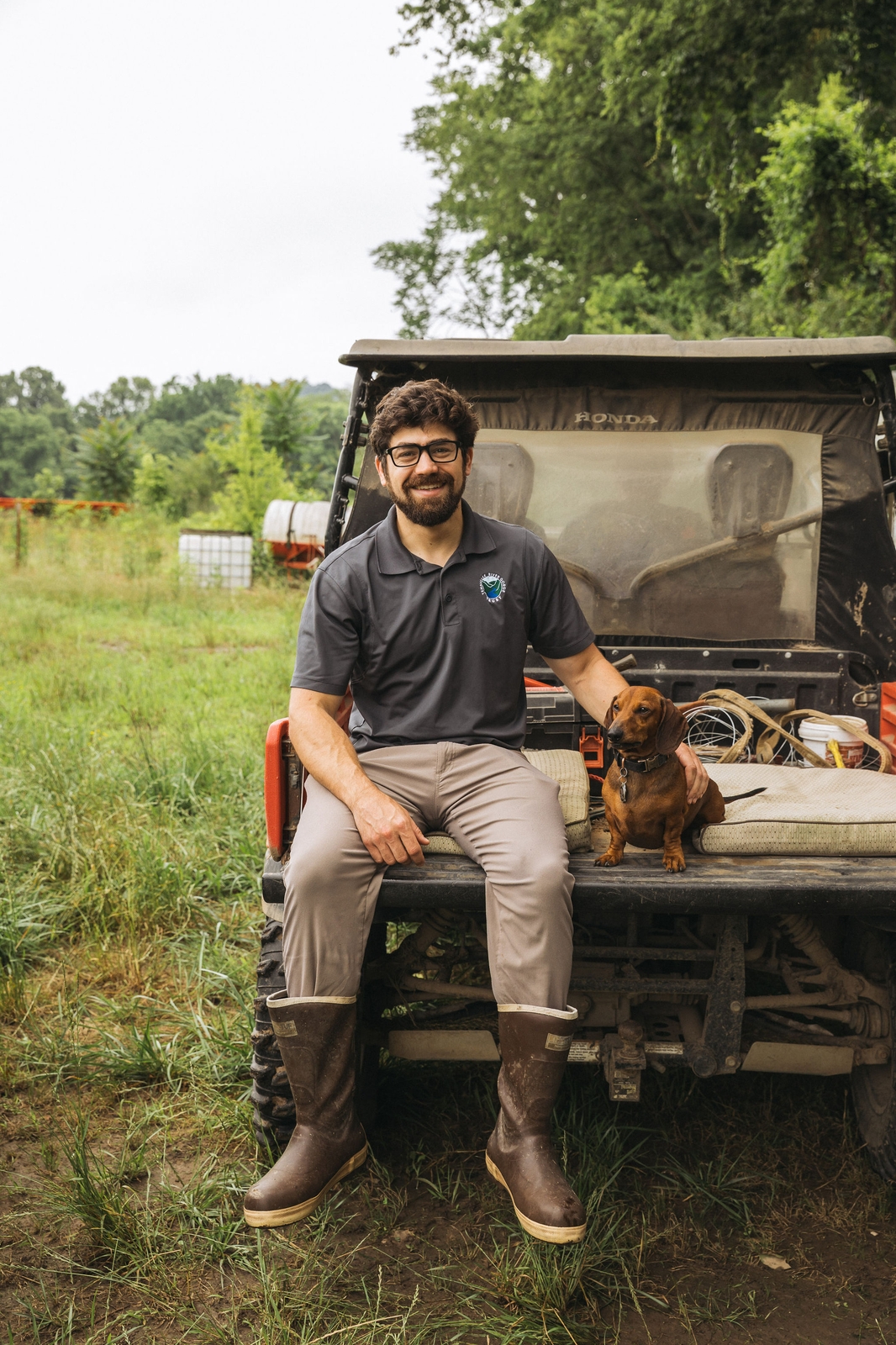
With grasslands, birdsong and access.
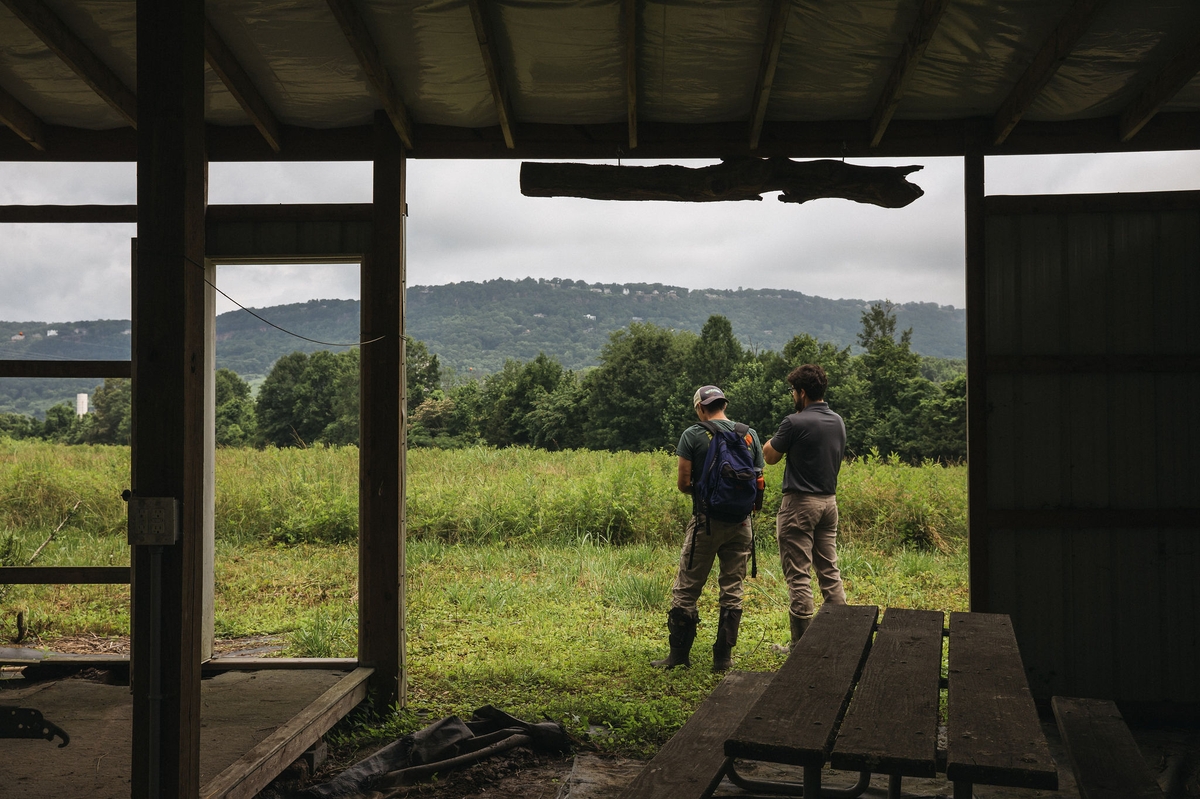
And Steve and Rick, who continue the legacy of farming this island since they were young deer hunters.
They are the current farmers on an island that's been farmed for thousands of years through times of peace, revolution, war, removal and depression: white Americans, Black slaves, native Americans.
"That's true," Steve said.
"There's going to come a day when we can't do it," said Steve.
"I reckon me and Rick will farm this thing until we die. I ain't got no plans to quit," he said.
In the distance, their cows continued to work their way to the edge of the new pasture, hooves covering ground both haunted and hallowed, as they got smaller and smaller, nearly out of sight.
"As long as the good Lord gives us the ability to farm it," Steve said, "we'll probably farm it."
(This story was edited on Sept. 2 to correct a misspelling and two factual errors.) Story ideas, questions, feedback? Interested in partnering with us? Email: david@foodasaverb.com
This story is 100% human generated; no AI chatbot was used in the creation of this content.
food as a verb thanks our sustaining partner:
food as a verb thanks our story sponsor:
Rising Fawn Gardens
Perhaps it is time for us to return to Williams Island.
The island — a short paddle from downtown — feels like a place modern Chattanooga forgot. Shrouded, green, a ground zero — yes, ground zero — for so much we can learn to remember.
Williams Island runs one mile wide and two miles long. It sits in the middle of the Tennessee River, a few miles down-river from Ross's Landing.
You can see Williams Island from the mountains or the banks: Elder, Signal, near Baylor School or Lookout Valley.
Returning to Williams Island feels like a traveling backwards, the sense of stepping onto land so rich with historical, cultural, spiritual and agricultural significance. There is a presence here.
Presences, actually.
"We have evidence of 10,000 years of indigenous use on the island," said Eliot Berz, executive director of Tennessee River Gorge Trust, the regional land trust stewarding Williams Island.
Eliot is dedicated to restoring a right relationship with the island, defined not by pillaging and disrespect, but partnership and humility.
He has a jackpot idea for today and tomorrow: he wants Williams Island more accessible — your feet, walking that land — with the island recentered within our Best Outdoor City Ever experience.
He wants you to see Williams Island in person.
And to realize all the persons that once called this island home.
"It's underestimated and unknown," he said.
"It tells both a Chattanooga story and the story of this place long before it was Chattanooga," he continued. "It's been used for homes for centuries and is now forgotten."
All year, the Trust has been working with the city of Chattanooga to create a public boat ramp and paddle-craft access, located on the eastern bank of the island.
From Suck Creek or downtown or from any point on the river, you can arrive for the day or night. (Here's the backcountry camping permit.)
The landing leads you onto the island. The Trust maintains backcountry campsites, privies and is building a two-mile trail and pavilion overlooking the old organic farm.
The Trust is converting it to a native grasslands.
"It is an amazing opportunity to bring back an ecosystem that has almost been completely absent from the gorge for a long time," Eliot said.
There are birds everywhere: ospreys, turkeys, woodcocks, barn swallows, kingfishers, chimney swifts, catbirds, hawk sparrows.
The Trust's plan also includes a stronger recognition of Native American influence, history and presence, then and now.
"They've never really had a seat back at the management table," Berz said.
The Trust is changing that.
"From a conservation perspective, Williams Island has been managed by people for thousands of years," he said.
Earlier this summer, we met two of them.
When we visited, we met a pair of farmers carrying on an island tradition that dates back centuries: from indigenous, native farmers to poor whites to post-Civil War growers to a early 20th-century organic vegetable farmers.
Today, two men farm the island.
Their names belong in our registry and consciousness.
Rick Lowery.
And Steve Clark.
"We farm 400 acres," said Steve. "Two hundred acres of pasture, two hundred of hay."
Their Black Angus herd runs around 100.
"We have 95 mama cows, three bulls and six steers we're going to kill," he said earlier this summer.
They transport their cows to-and-from across the river on a barge; both men all hail from Lookout Valley, friends since forever.
"We've deer hunted here our whole lives," Steve said. "I used to have beagles and rabbit hunt the island."
As younger men, he and Rick were deer hunting the island, when a wild hair of an idea emerged out of that young-male-bloodstream: hey Rick, think we could farm this?
A long story made short: no, you can't farm it, then yes, you can, as the former River Gorge Trust executive Jim Brown worked with the state into allowing the Trust to steward the island, which then allowed these men to begin farming.
"We went out and bought 35 head of cattle and dropped them off," said Steve. "We didn't have fences or anything. That was 25 years ago.
"You couldn't walk anywhere across it," he said. "Trees were as big as your arm. We went through two bush hogs and three tractors where we could just raise cattle."
Today, it is magnificent: the fields and pasture and grass. Once, a vet came to the island to vaccinate some cattle.
Vet took stock of the health and girth of these cattle, wondering aloud: what medicines are you giving them?
We don't give no medicine, doc. It's the pasture.
Today, they rotate their CLC Cattle herds — Clark Lowery Cattle — every few weeks; cows drink straight from the river. Word is, when they take their cattle to auction, the auctioneer specifically names them as Williams Island cows, and bidders start bumping one another higher.
"It seems that way," said Steve. "We usually get top price."
On the day we visited, we rode ATVs out to meet the herd.
They were in the far pasture, just on the horizon. Steve, 70, began calling the cows home.
The cows arrived in waves, like an Angus parade.
Their moos echoed bass-like and operatic.
"Aren't those some fat slick cattle?" someone says nearby.
Sarah clarified further.
"They're island cows," she said.
Through the fence, the island cows run to the farthest edge of the new pasture, soon visible only as black spots among the tall green grass.
"When we let them have a new pasture, you want to see how far they can go," Steve said.
Let's rewind a little, then rewind a lot.
Hours earlier, on the morning we visited, we'd met Eliot at the Baylor School boat launch, where the Trust keeps its pontoon boat.
We traveled upriver, 15 or so minutes later reaching the new and improved boat launch.
Then, Steve and Rick — the island farmers — joined us.
With them, Berry Thompson, also a friend-since-forever, who helps out on the island.
And his dog, Trooper.
"He's a number two dog with a number eight bark," said Barry.
As if instinctually, we gravitated towards an out building that seemed both flimsy and indestructible at the same time. Tractors were parked nearby. Decades of accumulated work and leisure: 10-penny nails holding up wrenches and bottles of antifreeze and engine oil and crushed Coors cans, the flotsam and jetsam from decades of farming, fellowship, in poor weather and good.
"We call it our barn," said Steve.
Soon, stories and histories opened up. We circled around them like a fire; listening to them felt like an entrance toll before we toured the island.
The past is never past, Faulkner said. Certainly not here. It was dizzying, a hopscotching around from decade to decade, century to century, with no discernible thread, yet somehow, like a jazz band, the men knew the stories, context and ways it all fit together.
"My wife's grandfather farmed this island, 70 years ago," said Steve.
Corn as thick as your forearm, Rick said.
We time traveled back farther: stories of a Civil War sniper from across the river with a Whitlock rifle shooting a ball through a mule and the thigh of the man hiding behind it.
Andrews' Raiders. A steamboat race. A blown engine.
Dragging Canoe. Poor whites used to hoe vegetable rows a mile long.
"They'd go down in the morning before lunch, then back in the afternoon," said Barry.
"I've seen pictures," said Rick. "Not a tree on the island."
Families are buried on the island, both white folks and native Americans. Thieves raided the island years ago.
"My great grandfather farmed it for soybean and corn until he was 90," another man said. "It hadn't been farmed since before the Civil War."
"During the 50s, Eisenhower about starved us to death. There was nothing better than three o'clock in the afternoon, chicken freshly skinned and cooked over the fire.
"This island raises some great-tasting quail."
All we could do was listen and hold on.
Across the river, B3rry grew up in Lookout Valley.
"My family's been here since 1835. I'm the seventh generation to live here," he said. "My son's the eighth."
His childhood home was built from wood and lumber lassoed from the river and drug to the bank. Newspaper was stuffed in the walls for insulation.
"When I used to walk this island, it was like walking in a park," he said.
He comes to help once a week or so; in return, his old friends give him freezer beef for the year.
"It's some of the finest beef you'll eat," he said.
What's the island mean to you?
"Everything," he said.
"It's just a different perspective you get out here. It's just good for your soul."
Now, let's rewind a lot.
Because the story of Williams Island predates all these men and the stories they tell and remember.
"It was occupied by Cherokees forever until we lost it," said Johi Griffin, the Eastern Band of Cherokee Nation's Tribal and Sacred Historic Sites Keeper.
In North Carolina, Johi custom farms 40 head of Black Angus near Bryson City. The Eastern Band of the Cherokee Nation owns a 300-acre plot that farmers use to produce food and beef, he said.
"We run about 40 head at any one time," he said. "Mostly cow-calf and I raise a lot of kill steers, market steers. I'm a custom beef farmer, not a tractor-trailer load producer."
Johi's 57. Been farming for how long?
"I guess about 52 years," he said. "Since I could walk."
The son of a farmer, he began raising hogs at a young age, earning enough money to open a checking account by age 10.
Now, for the Cherokees, he is both farmer and the preserver of history: the nation's Tribal and Sacred Historic Sites Keeper.
"We as Cherokee occupied that island before white people was here. And we lived and fished and thrived," he said.
"But as you know history, not the one that's written but the one's that is true, they kind of got rid of Indians anyway they could."
Asked about the future of Williams Island, Johi responds with timelessness.
"Leave the land better for when you worked there," he said. "Have a little respect for the ones who came before you.
"We don't own this land. We are just here for our grandchildren and children who follow us. It's our duty to leave it better than when we found it or was here."
Back on the island, three men remain dedicated to that work.
Eliot, who's stewarding in a Trust's vision and partnership with the Cherokees and Chattanooga.
With grasslands, birdsong and access.
And Steve and Rick, who continue the legacy of farming this island since they were young deer hunters.
They are the current farmers on an island that's been farmed for thousands of years through times of peace, revolution, war, removal and depression: white Americans, Black slaves, native Americans.
"That's true," Steve said.
"There's going to come a day when we can't do it," said Steve.
"I reckon me and Rick will farm this thing until we die. I ain't got no plans to quit," he said.
In the distance, their cows continued to work their way to the edge of the new pasture, hooves covering ground both haunted and hallowed, as they got smaller and smaller, nearly out of sight.
"As long as the good Lord gives us the ability to farm it," Steve said, "we'll probably farm it."
(This story was edited on Sept. 2 to correct a misspelling and two factual errors.) Story ideas, questions, feedback? Interested in partnering with us? Email: david@foodasaverb.com
This story is 100% human generated; no AI chatbot was used in the creation of this content.
Food as a verb thanks our story sponsor:
Food as a Verb Thanks our sustaining partner:
Food as a verb thanks our story sponsor:
Join our table

keep reading







.png)
