We Reap What We Sow, We Sow What We Reap
"It's not really about the milk, is it?"
Food as a verb thanks
for sponsoring this series

Last week: storm warnings, emergency weather alerts. We rushed to the stores, cleaned the shelves, all the grocery milk and bread gone.
Was it really about milk?
There's a feeling of so many storms, too many storms, as though this weather was a meteorological representation of so much cultural upheaval. There's a feeling, almost child-like, that so many parts of us need re-shelving, restocking, restoring.
"I think something else's is going on here," a friend said, noticing all the empty shelves.
"Yes," I said. "Me, too."
"It's not really about the milk, is it?"
***
During the storm, we lost power. Trees snapped like wishbones. Power lines dangled like weary tinsel after a bad party.
We lit candles, pulled chairs in close to the fireplace, then settled into one of my favorite winter rituals.
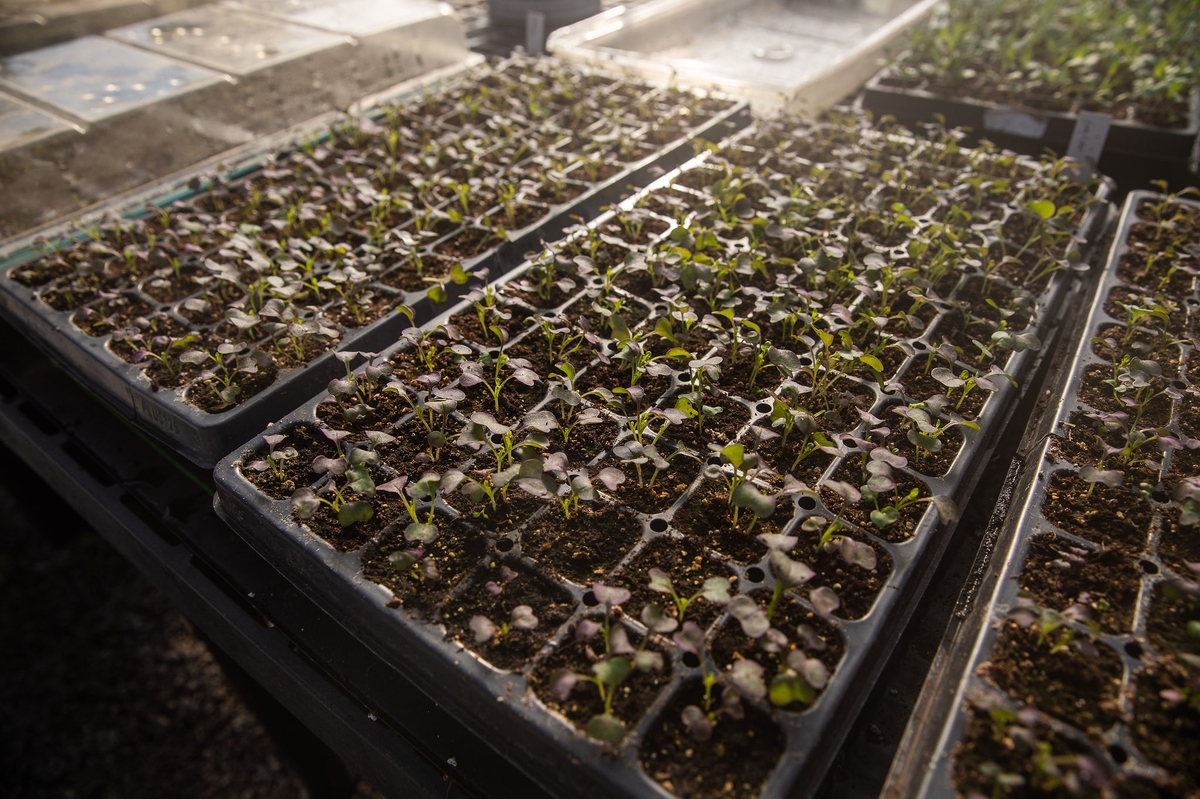
By candlelight, I opened seed catalogs and began planning my spring, summer and fall garden.
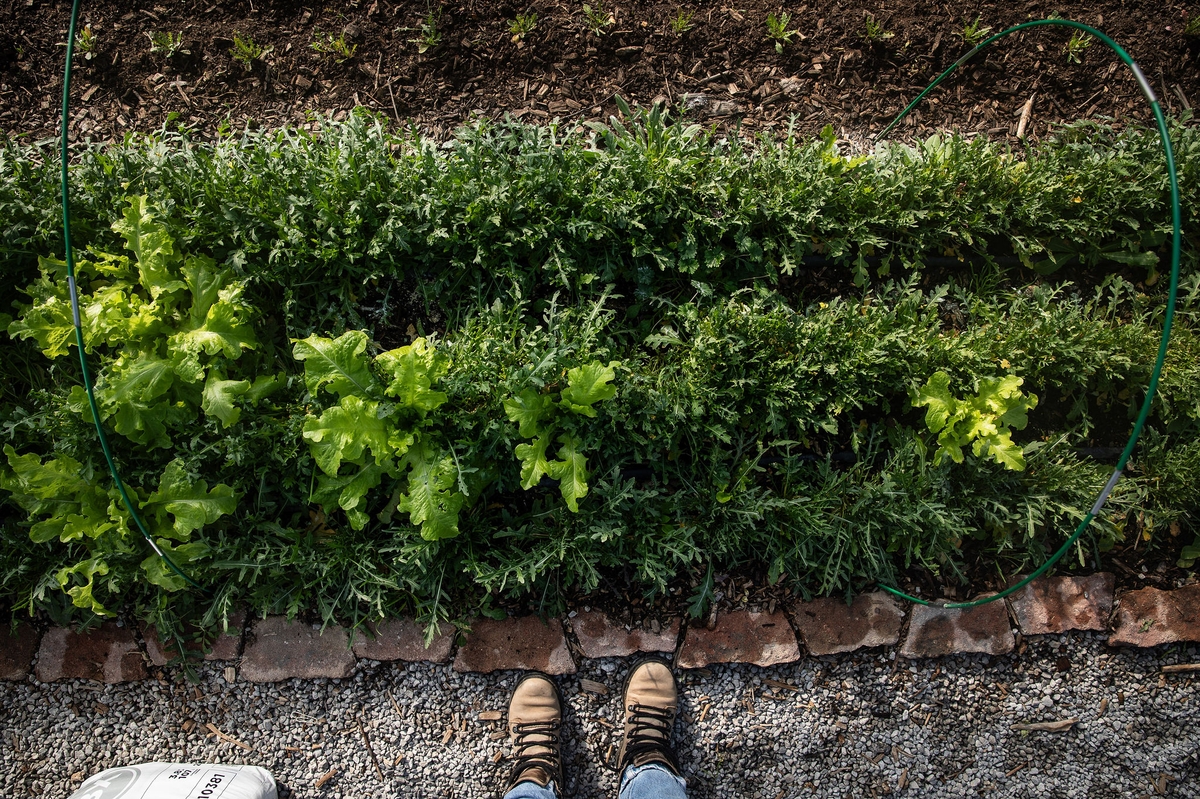
Outside, ice, snow, freeze. Inside, candlelight and catalog pictures of rainbow flowers, lush greens, fat tomatoes, all with such delightful names.
Dracula. Fireball. Flashy Trout's Back. Drunken Women Frizzy Headed. Freckles.
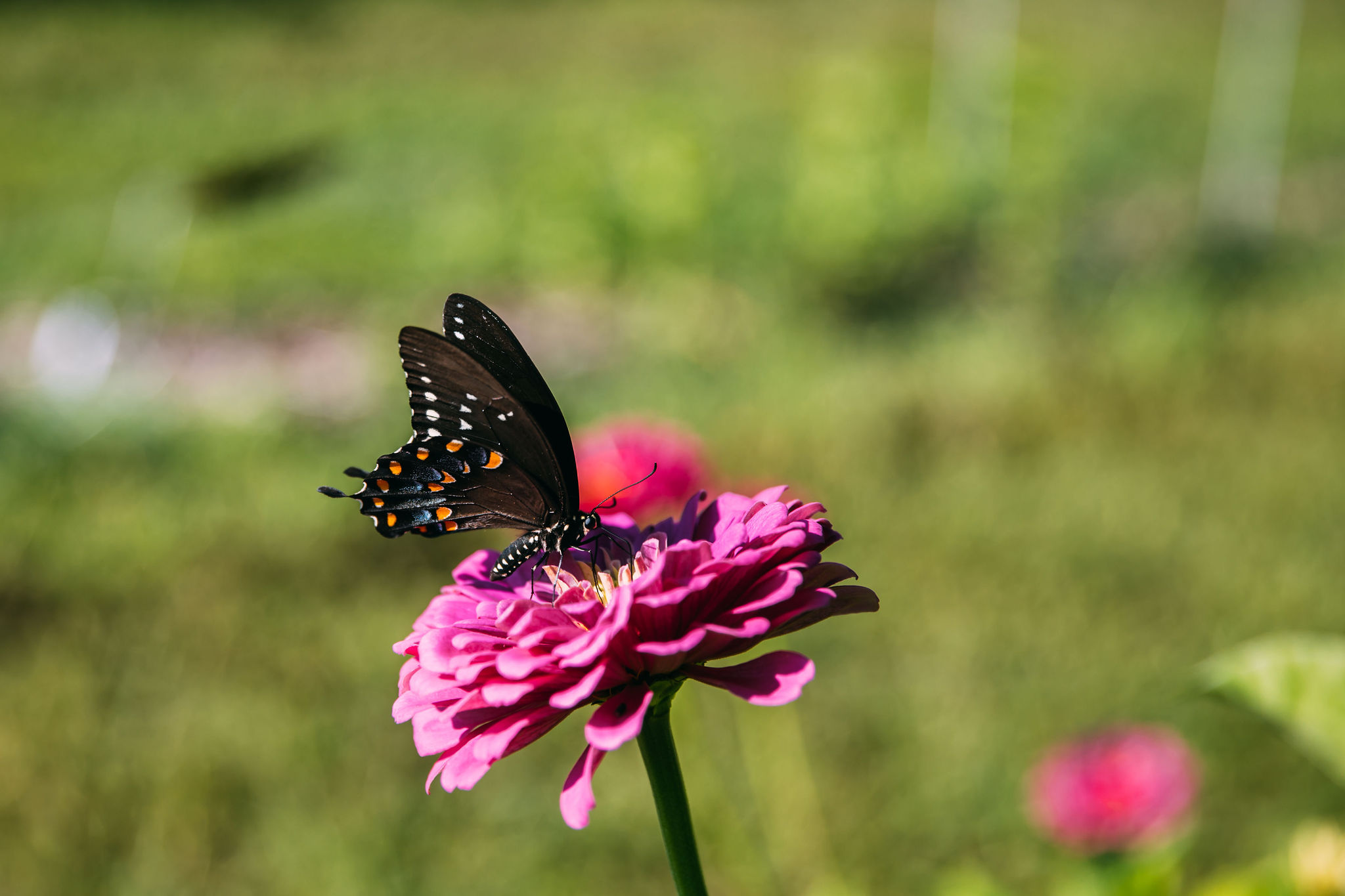
Sure, it was a escapism, those photos promising chunky pumpkins or 10' tall sunflowers or French beans dangling like green July fingers.
More than that, it was reassurance. These seeds were comfort.
Why?
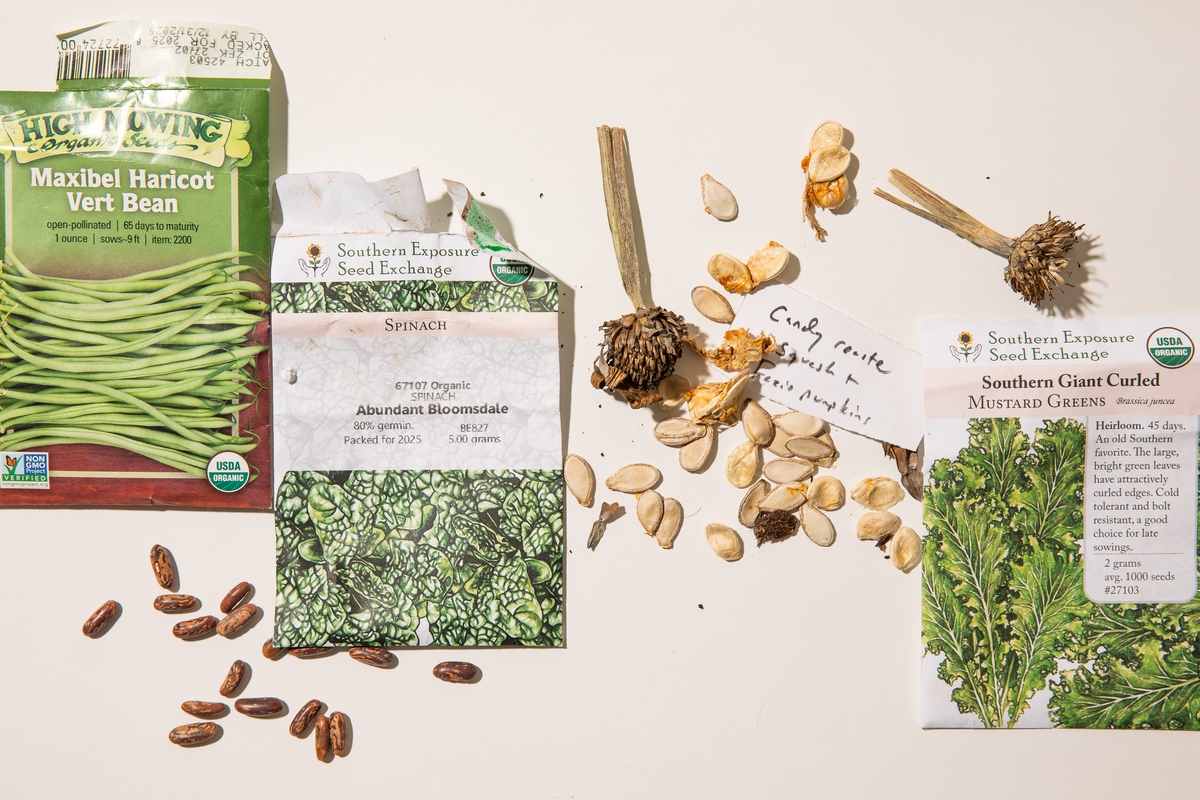
Seeds are who they say they are.
Seeds tell the truth.
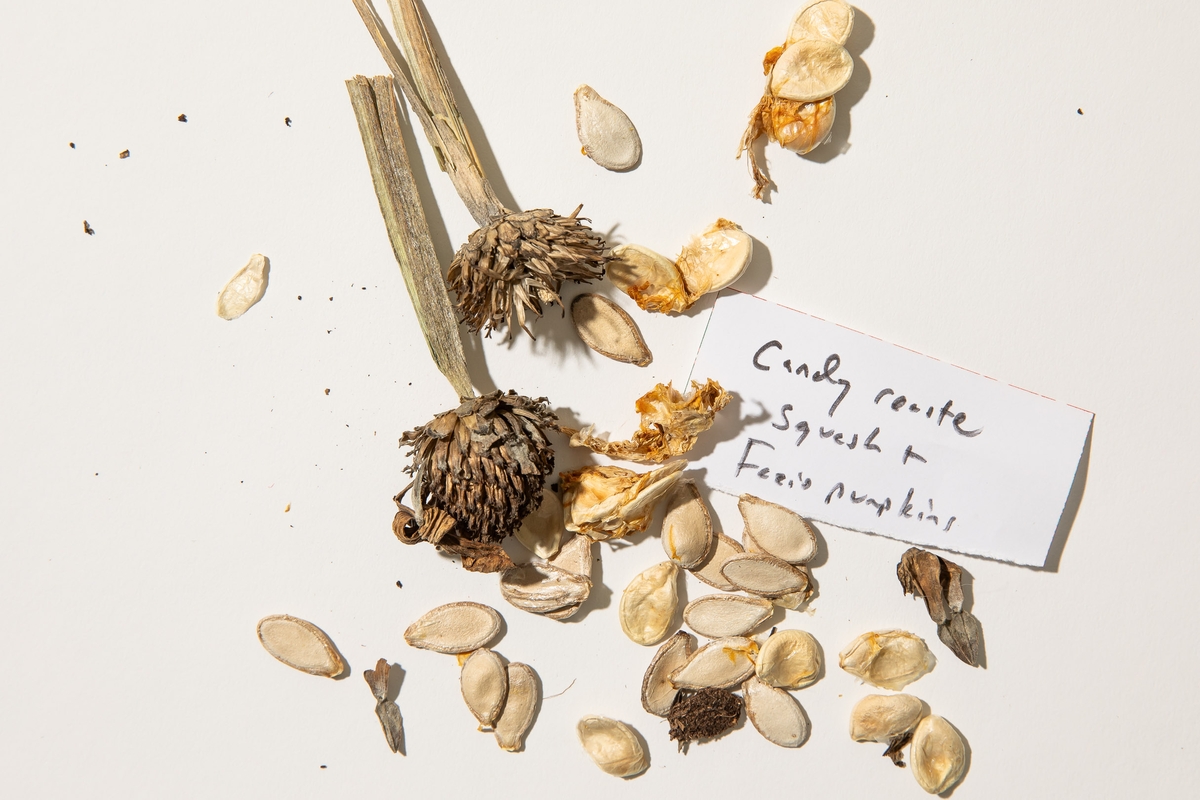
A carrot seed is just that: the promise of a carrot.
Strawberry plants won't bear gooseberries; corn planted won't turn into wheat. Planted, a row of Bellezia arugula becomes arugula, not cucumbers, not radishes.
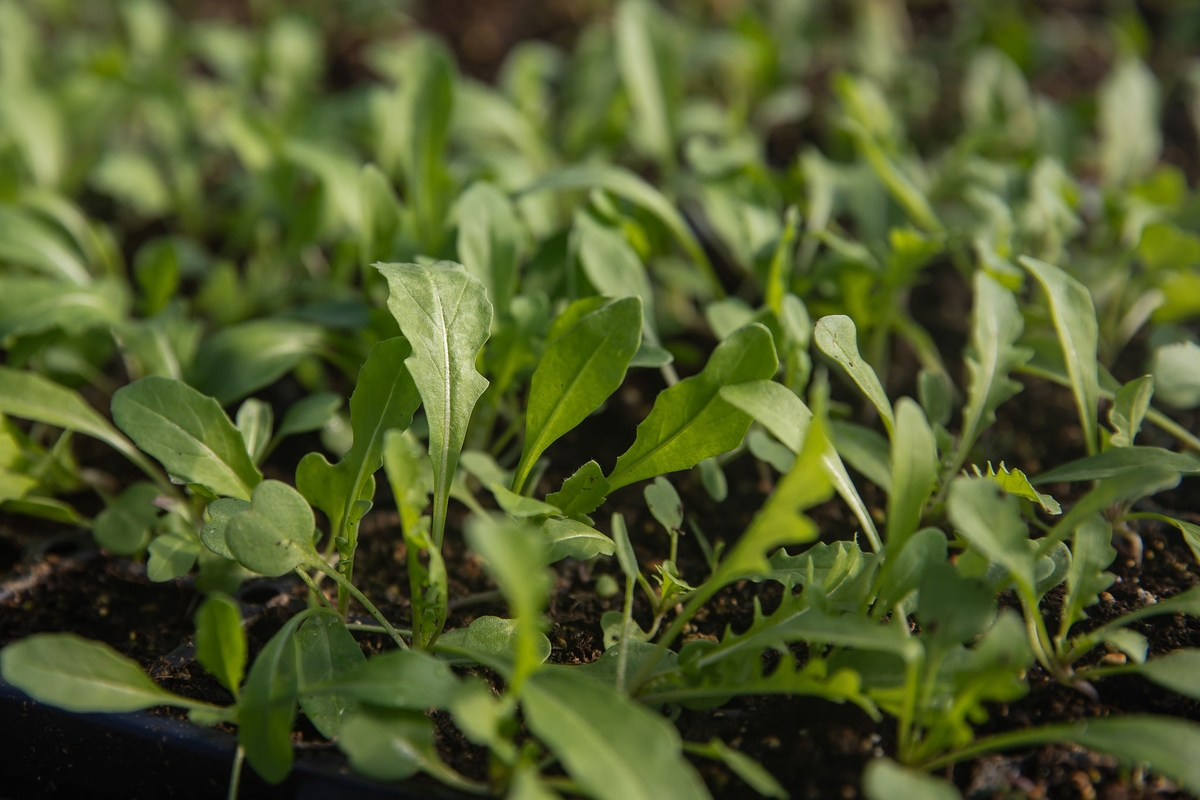
Sure, variables — weather, soil, my own inattention — can wreck the whole thing, but that isn't the seed's fault.
Seeds hold promise: what we plant becomes what we harvest.
Outside, the winds kept blowing. Night fell as candleflame flickered.
Then, around 3 am, the heroes arrived. Crews of linemen reached our neighborhood, working through the dark, cold night to restore power.
It was a picture of generosity. First-responders are occupying a special place in modern America, standing in contrast to a constructed, algorithm-fueled narrative that paints its picture of division and loss.
("The system wants us isolated," my friend said.)
There in the dark? Those linemen? Their actions dazzled across my consciousness, as they worked to restore light to folks they didn't know and would never know.
And something in me shifted simply because of them.
They had planted something.
These days, many of us are asking some powerful questions, often with shaky hearts.
Where do I find comfort in such uncertain times?
And:
What's the right way to respond to this distress and chaos?
These are the core questions, each resting on a very deep strata in our human heart. If we translate these into our most innocent and oldest words, they sound like this:
Am I safe?
What holds me?
Where can I rest?
Nearby, those seed catalogs flickered in the candlelight.
Here, they seemed to say. You find it here.
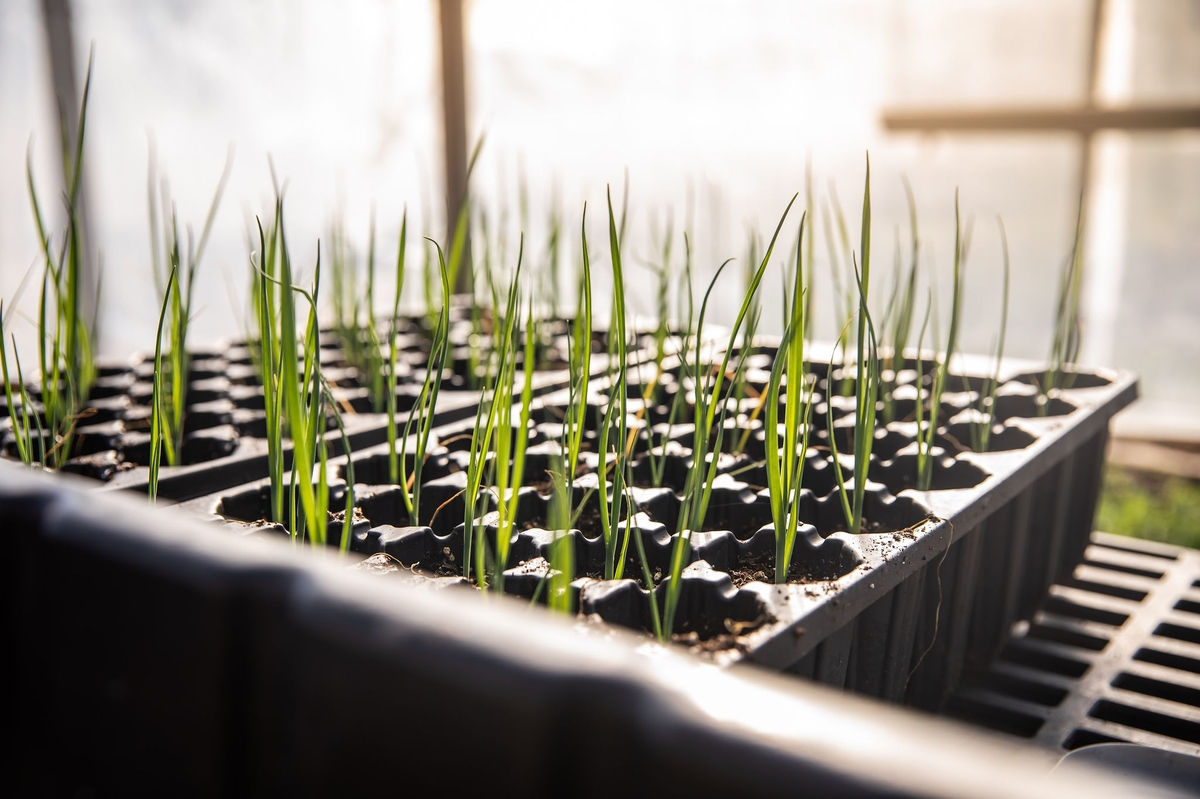
The seeds teach a very old spiritual truth.
"You reap what you sow," Christ said.
This leads to that. This becomes that.
It's trustworthy, like an architectural right angle.
Here comes, of course, the trouble.
We also seem to reap what others sow.
There is both an individual and collective reaping.
The world pollinates itself; we are reaping the fruit of our own actions while also being influenced, impacted and affected by the actions of others.
This is the hot mess of life. You may plant a row of beans, but here I come with my chaos and red peppers and big, sloppy feet and invasive privet; now, your garden is impacted by mine.
No more silly metaphors: it is also the violence, heartache and loss of humans acting upon other humans. Look at the headlines: it is always this tension.
So, what do we do?
Where do we find the calm? Something that's nourishing? The mother's milk of life?
For those of us with nervous systems prone to falling into the void and vortex, this can be especially painful work.
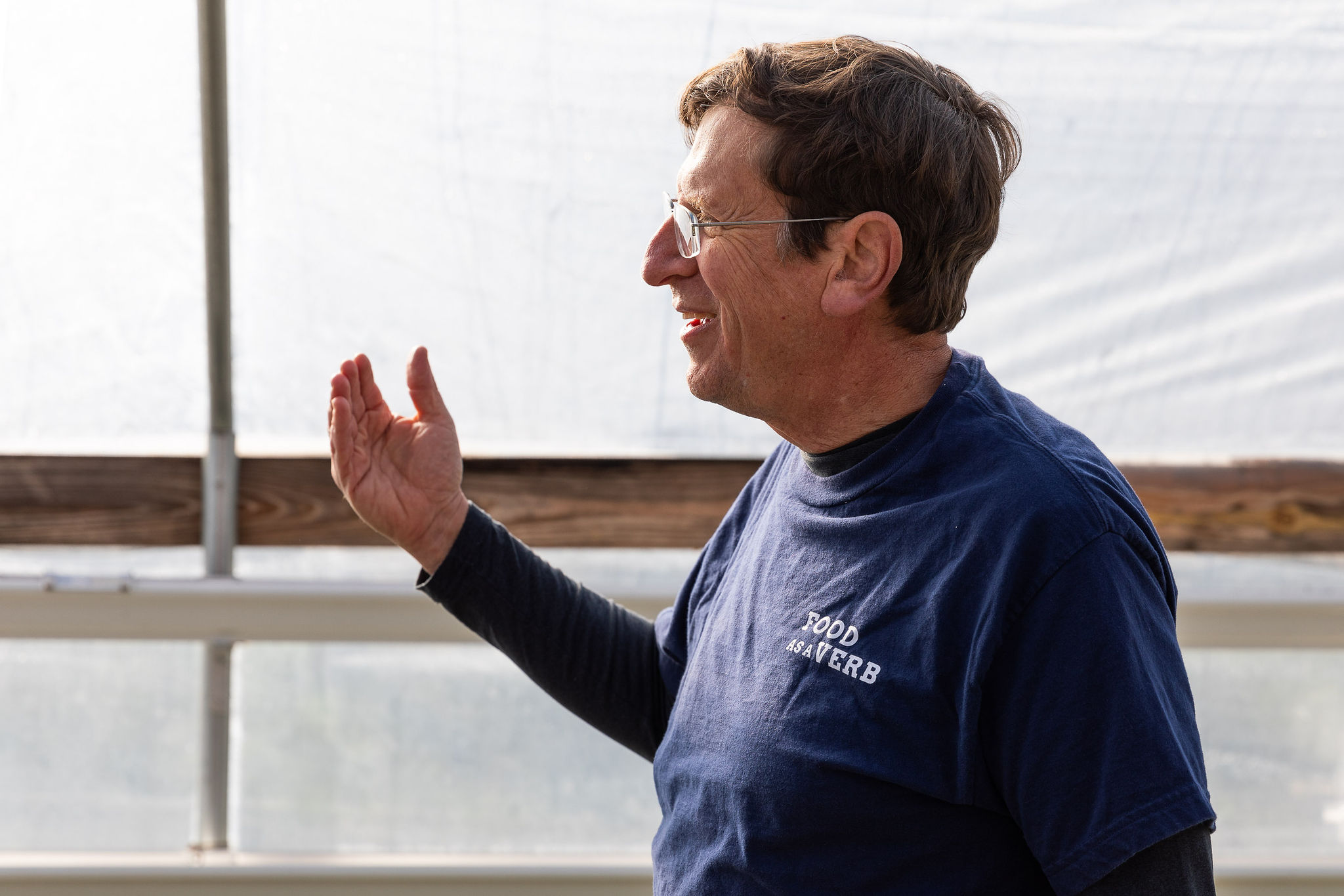
"The way to cope with that is to come out here on the farm. You see life," Dr. Adam Soufleris said.
Not long ago, he retired from a career in infectious disease. After decades of work, he's been "devastated" by the undoing of vaccine trust.
Last fall, he began volunteering with Damon Bartos at The Beth.
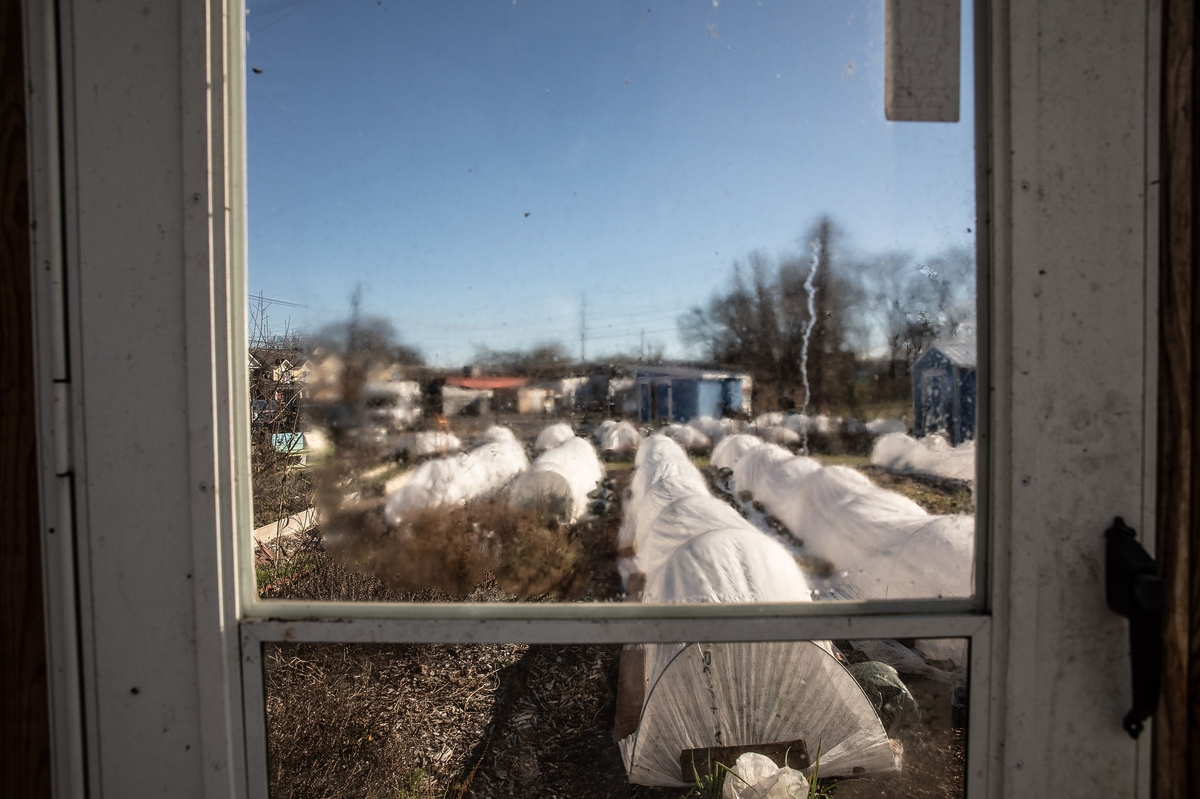
"Damon told me just to put my hands in the dirt," Adam said. "It's life. You come out here. It's life. It's beautiful.
"I think for anybody, if they really want to feel good? Come out here."
Over decades of struggle, I have learned, for me, the following truths:
It is of paramount importance that I know my limits and honor my nervous system, which, on some days, has capacity for news-gathering and on others, is unable to tolerate it. Like facing Medusa or Lot's wife, I can't stare directly at it. I must look elsewhere.
Second: I go outside.
Like Adam said: I get near life. Snuggle down into it. Put my hands in the dirt.
Third: I get off the fucking Internet. The Algorithm is our biggest social threat.
(I wonder if it's actually better to say nothing on social media rather than fuel-posting which then only furthers and feeds the machine causing this mess in the first place. Take your quarter out of the jukebox.)
And, I remember the seeds.
The way we live is a response to the world.
To harvest generosity, we plant generosity.
To harvest community, we plant community.
To harvest safety, we sure as hell don't plant knives in the ground, neighbor-judging and fear.
What if we spent a day only paying attention to beautiful things?
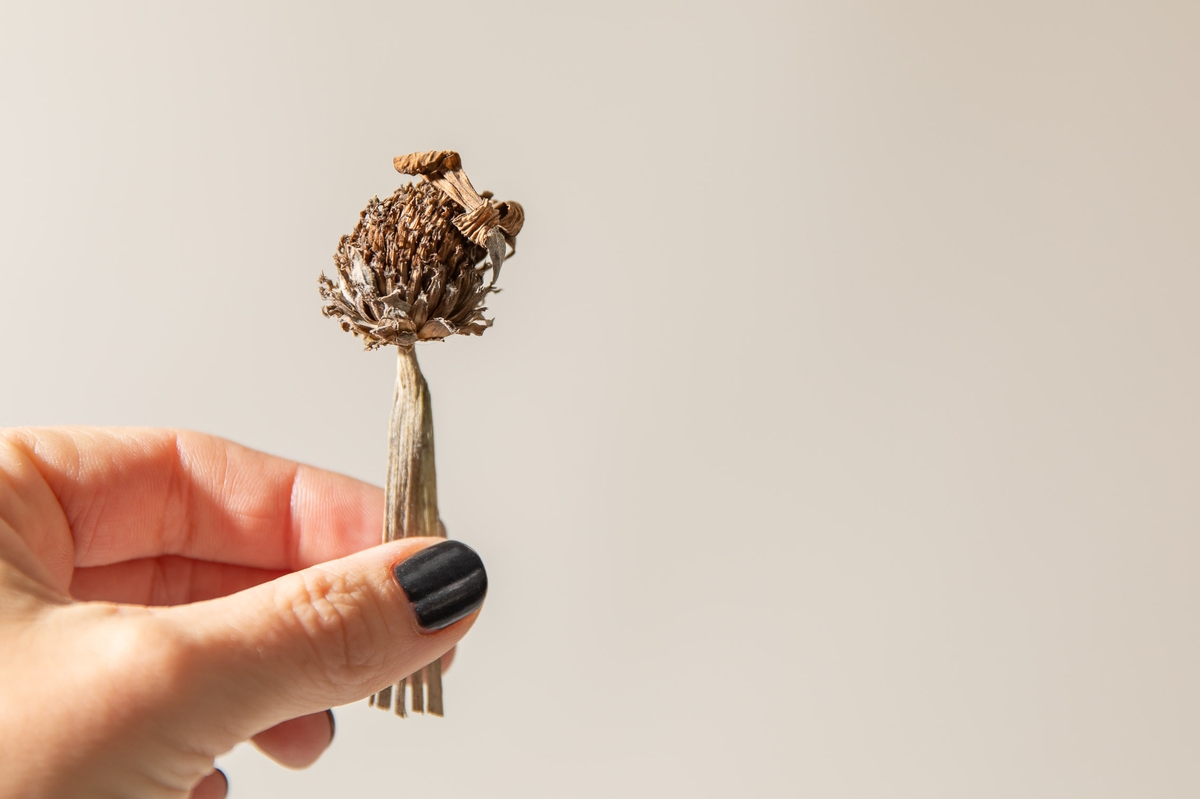
There by candlelight, I selected peanuts, okra, seven varieties of lettuce, arugula, beans and chamomile.
Soon, the seeds will arrive in the mail. It will still be cold outside. Storms, definitely near.
But, with power or without, with calm or without, with milk or without, we still go about our daily work of adding to the world around us.
When we plant well, our internal shelves get full.
So full, so overwhelming.
Then we can share with others.
It's not really about the milk, is it?
We all just want to feel safe.
Story ideas, questions, feedback? Interested in partnering with us? Email: david@foodasaverb.com
This story is 100% human generated; no AI chatbot was used in the creation of this content.
Last week: storm warnings, emergency weather alerts. We rushed to the stores, cleaned the shelves, all the grocery milk and bread gone.
Was it really about milk?
There's a feeling of so many storms, too many storms, as though this weather was a meteorological representation of so much cultural upheaval. There's a feeling, almost child-like, that so many parts of us need re-shelving, restocking, restoring.
"I think something else's is going on here," a friend said, noticing all the empty shelves.
"Yes," I said. "Me, too."
"It's not really about the milk, is it?"
***
During the storm, we lost power. Trees snapped like wishbones. Power lines dangled like weary tinsel after a bad party.
We lit candles, pulled chairs in close to the fireplace, then settled into one of my favorite winter rituals.
By candlelight, I opened seed catalogs and began planning my spring, summer and fall garden.
Outside, ice, snow, freeze. Inside, candlelight and catalog pictures of rainbow flowers, lush greens, fat tomatoes, all with such delightful names.
Dracula. Fireball. Flashy Trout's Back. Drunken Women Frizzy Headed. Freckles.
Sure, it was a escapism, those photos promising chunky pumpkins or 10' tall sunflowers or French beans dangling like green July fingers.
More than that, it was reassurance. These seeds were comfort.
Why?
Seeds are who they say they are.
Seeds tell the truth.
A carrot seed is just that: the promise of a carrot.
Strawberry plants won't bear gooseberries; corn planted won't turn into wheat. Planted, a row of Bellezia arugula becomes arugula, not cucumbers, not radishes.
Sure, variables — weather, soil, my own inattention — can wreck the whole thing, but that isn't the seed's fault.
Seeds hold promise: what we plant becomes what we harvest.
Outside, the winds kept blowing. Night fell as candleflame flickered.
Then, around 3 am, the heroes arrived. Crews of linemen reached our neighborhood, working through the dark, cold night to restore power.
It was a picture of generosity. First-responders are occupying a special place in modern America, standing in contrast to a constructed, algorithm-fueled narrative that paints its picture of division and loss.
("The system wants us isolated," my friend said.)
There in the dark? Those linemen? Their actions dazzled across my consciousness, as they worked to restore light to folks they didn't know and would never know.
And something in me shifted simply because of them.
They had planted something.
These days, many of us are asking some powerful questions, often with shaky hearts.
Where do I find comfort in such uncertain times?
And:
What's the right way to respond to this distress and chaos?
These are the core questions, each resting on a very deep strata in our human heart. If we translate these into our most innocent and oldest words, they sound like this:
Am I safe?
What holds me?
Where can I rest?
Nearby, those seed catalogs flickered in the candlelight.
Here, they seemed to say. You find it here.
The seeds teach a very old spiritual truth.
"You reap what you sow," Christ said.
This leads to that. This becomes that.
It's trustworthy, like an architectural right angle.
Here comes, of course, the trouble.
We also seem to reap what others sow.
There is both an individual and collective reaping.
The world pollinates itself; we are reaping the fruit of our own actions while also being influenced, impacted and affected by the actions of others.
This is the hot mess of life. You may plant a row of beans, but here I come with my chaos and red peppers and big, sloppy feet and invasive privet; now, your garden is impacted by mine.
No more silly metaphors: it is also the violence, heartache and loss of humans acting upon other humans. Look at the headlines: it is always this tension.
So, what do we do?
Where do we find the calm? Something that's nourishing? The mother's milk of life?
For those of us with nervous systems prone to falling into the void and vortex, this can be especially painful work.
"The way to cope with that is to come out here on the farm. You see life," Dr. Adam Soufleris said.
Not long ago, he retired from a career in infectious disease. After decades of work, he's been "devastated" by the undoing of vaccine trust.
Last fall, he began volunteering with Damon Bartos at The Beth.
"Damon told me just to put my hands in the dirt," Adam said. "It's life. You come out here. It's life. It's beautiful.
"I think for anybody, if they really want to feel good? Come out here."
Over decades of struggle, I have learned, for me, the following truths:
It is of paramount importance that I know my limits and honor my nervous system, which, on some days, has capacity for news-gathering and on others, is unable to tolerate it. Like facing Medusa or Lot's wife, I can't stare directly at it. I must look elsewhere.
Second: I go outside.
Like Adam said: I get near life. Snuggle down into it. Put my hands in the dirt.
Third: I get off the fucking Internet. The Algorithm is our biggest social threat.
(I wonder if it's actually better to say nothing on social media rather than fuel-posting which then only furthers and feeds the machine causing this mess in the first place. Take your quarter out of the jukebox.)
And, I remember the seeds.
The way we live is a response to the world.
To harvest generosity, we plant generosity.
To harvest community, we plant community.
To harvest safety, we sure as hell don't plant knives in the ground, neighbor-judging and fear.
What if we spent a day only paying attention to beautiful things?
There by candlelight, I selected peanuts, okra, seven varieties of lettuce, arugula, beans and chamomile.
Soon, the seeds will arrive in the mail. It will still be cold outside. Storms, definitely near.
But, with power or without, with calm or without, with milk or without, we still go about our daily work of adding to the world around us.
When we plant well, our internal shelves get full.
So full, so overwhelming.
Then we can share with others.
It's not really about the milk, is it?
We all just want to feel safe.
Story ideas, questions, feedback? Interested in partnering with us? Email: david@foodasaverb.com
This story is 100% human generated; no AI chatbot was used in the creation of this content.
Food as a verb thanks our story sponsor:
Food as a Verb Thanks our sustaining partner:
Food as a verb thanks our story sponsor:
Join our table

keep reading