

Carry the Torch Forward: Remembering Dolly and Wendell
"I believe Dolly was the American Goddess."
Food as a verb thanks
for sponsoring this series

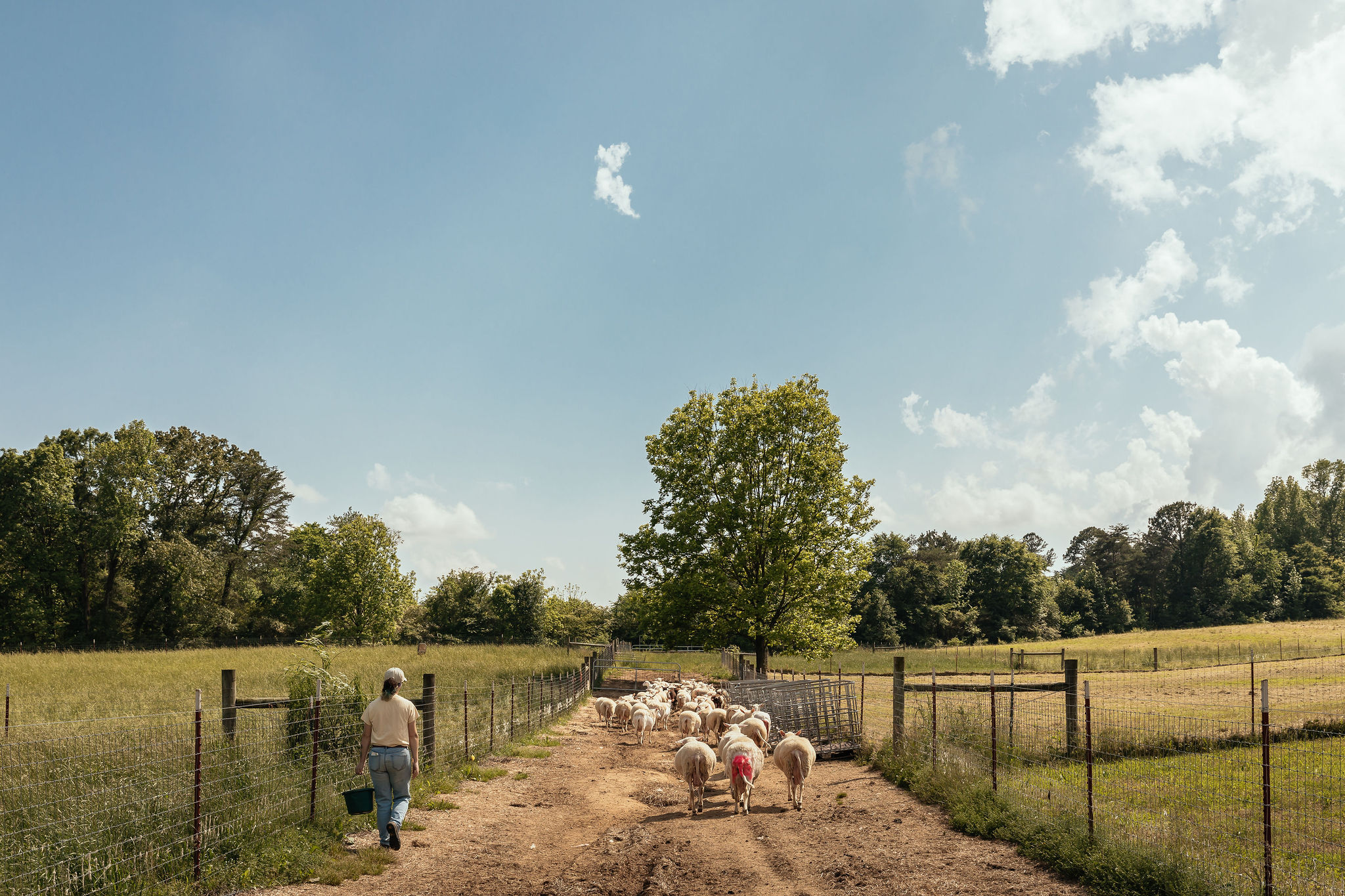
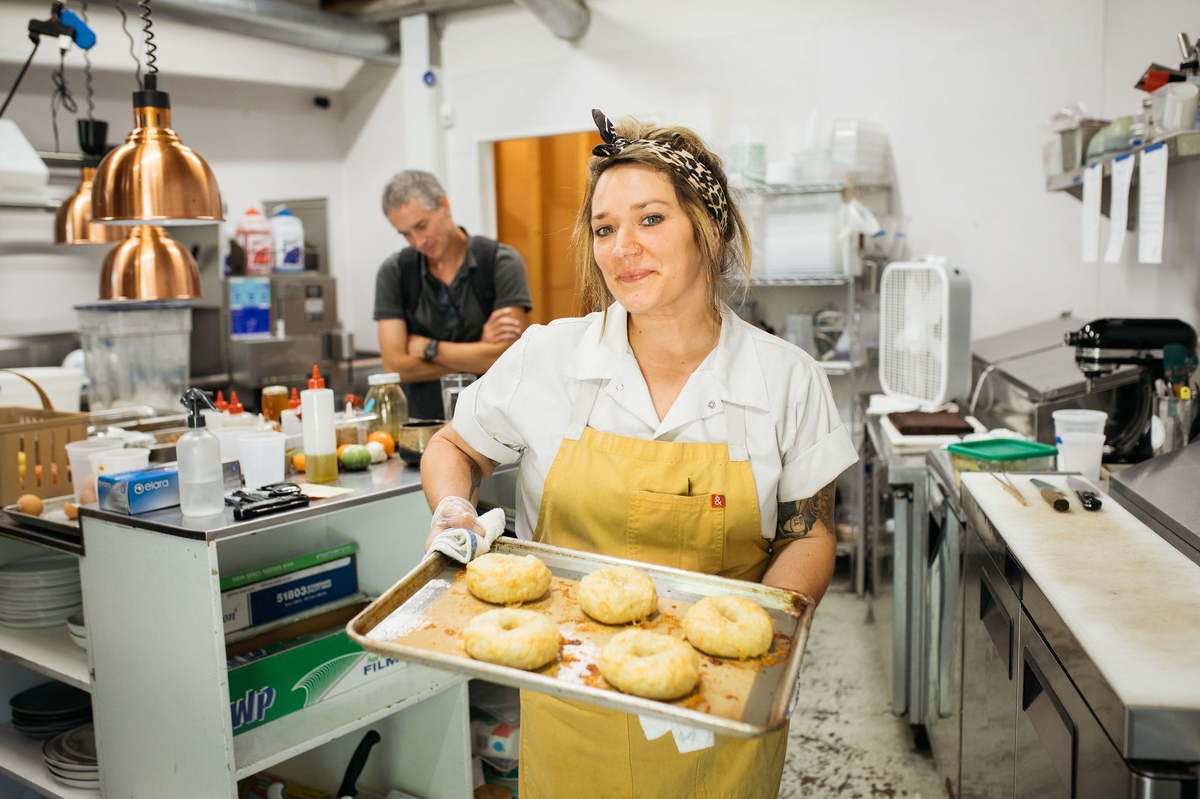
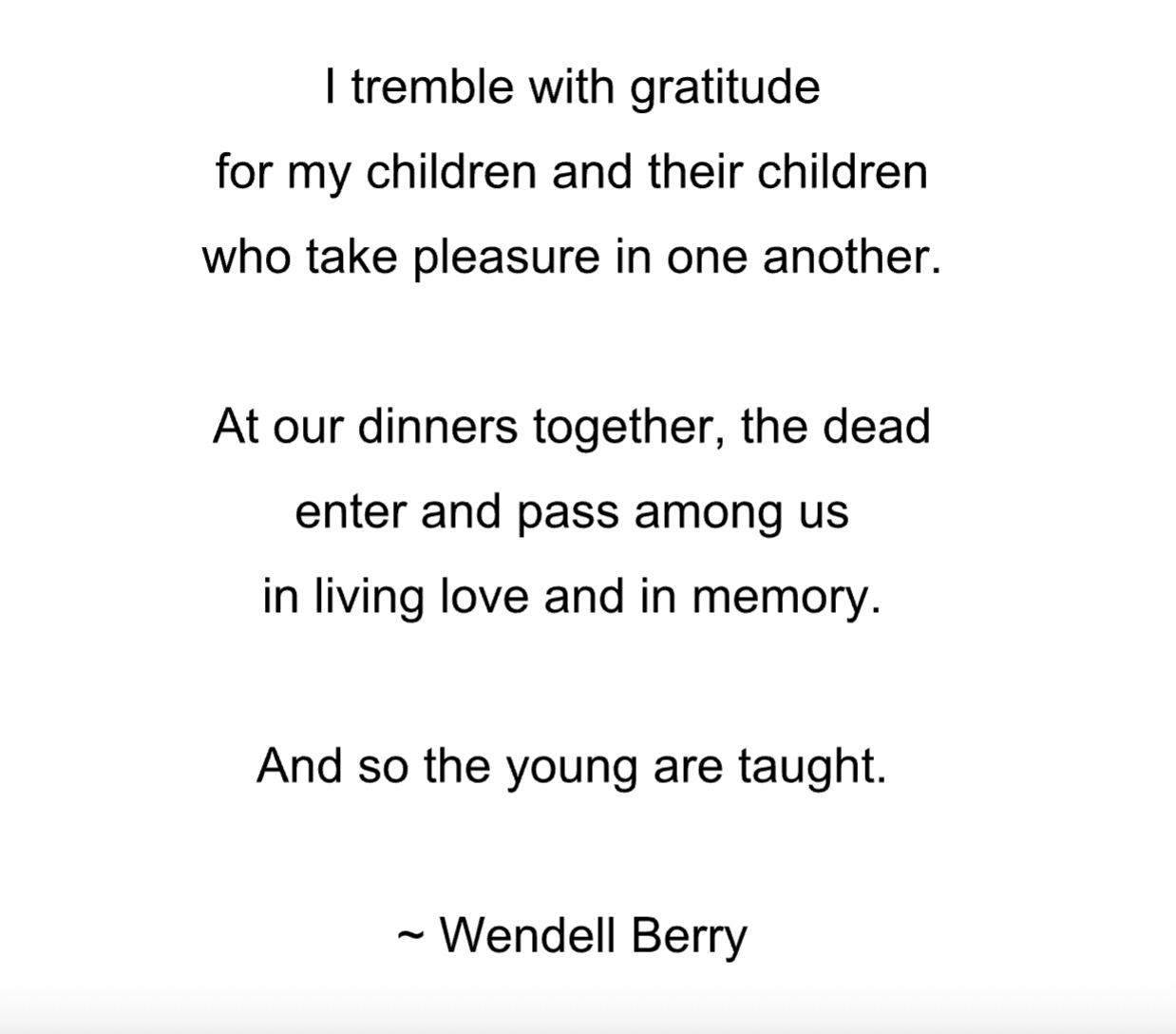
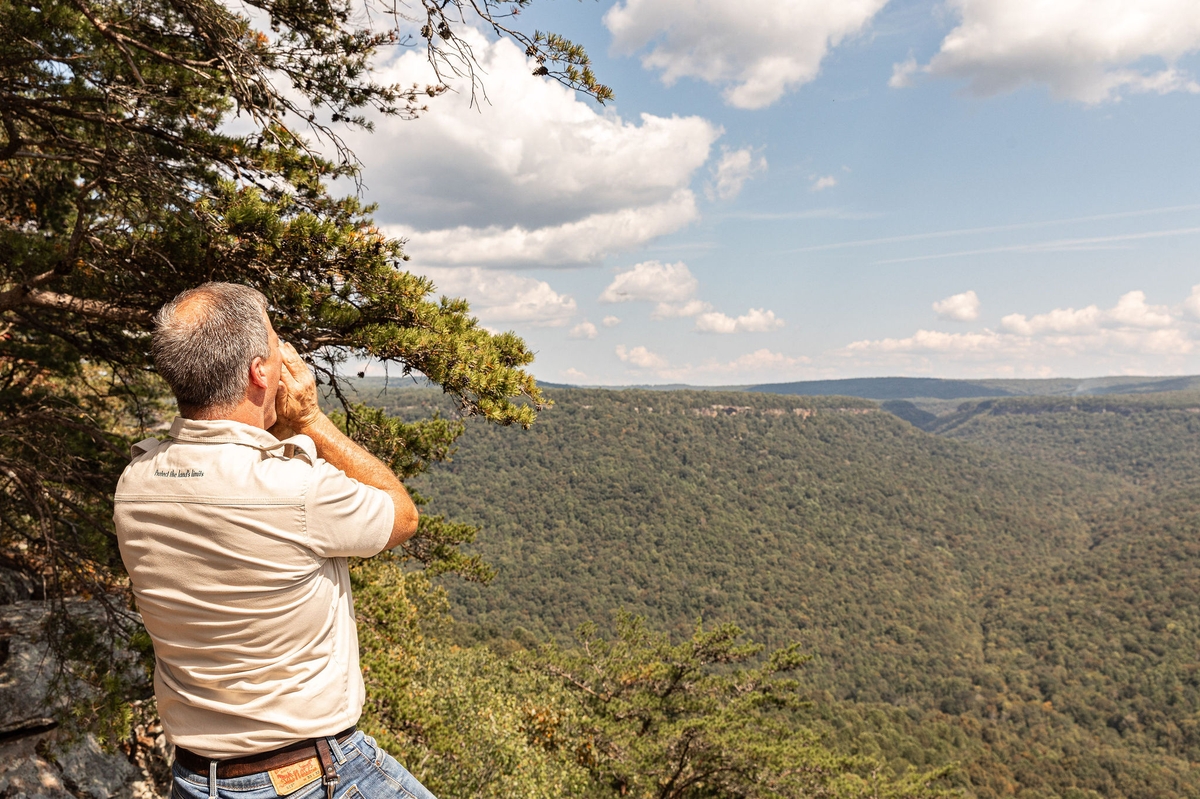
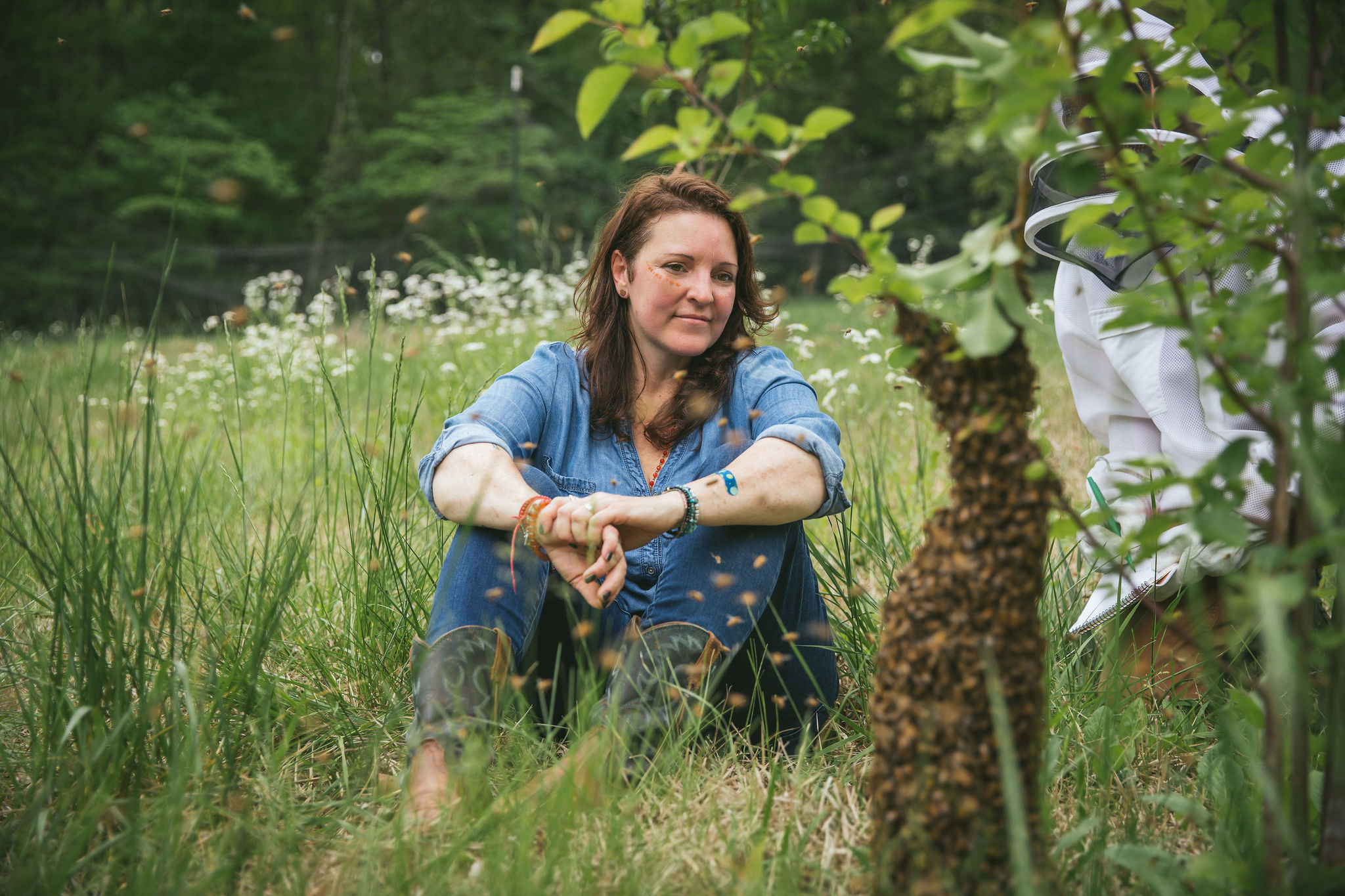
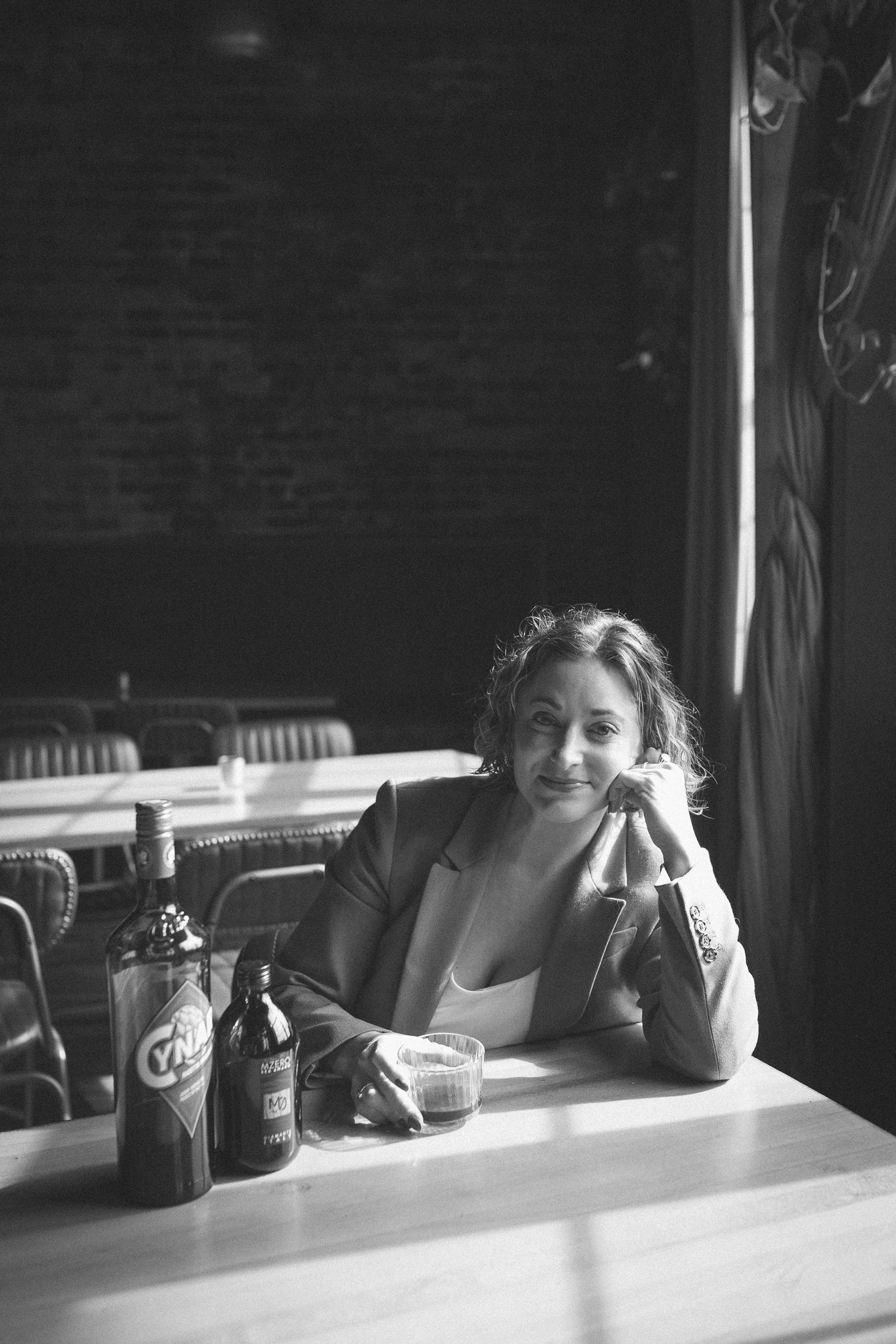
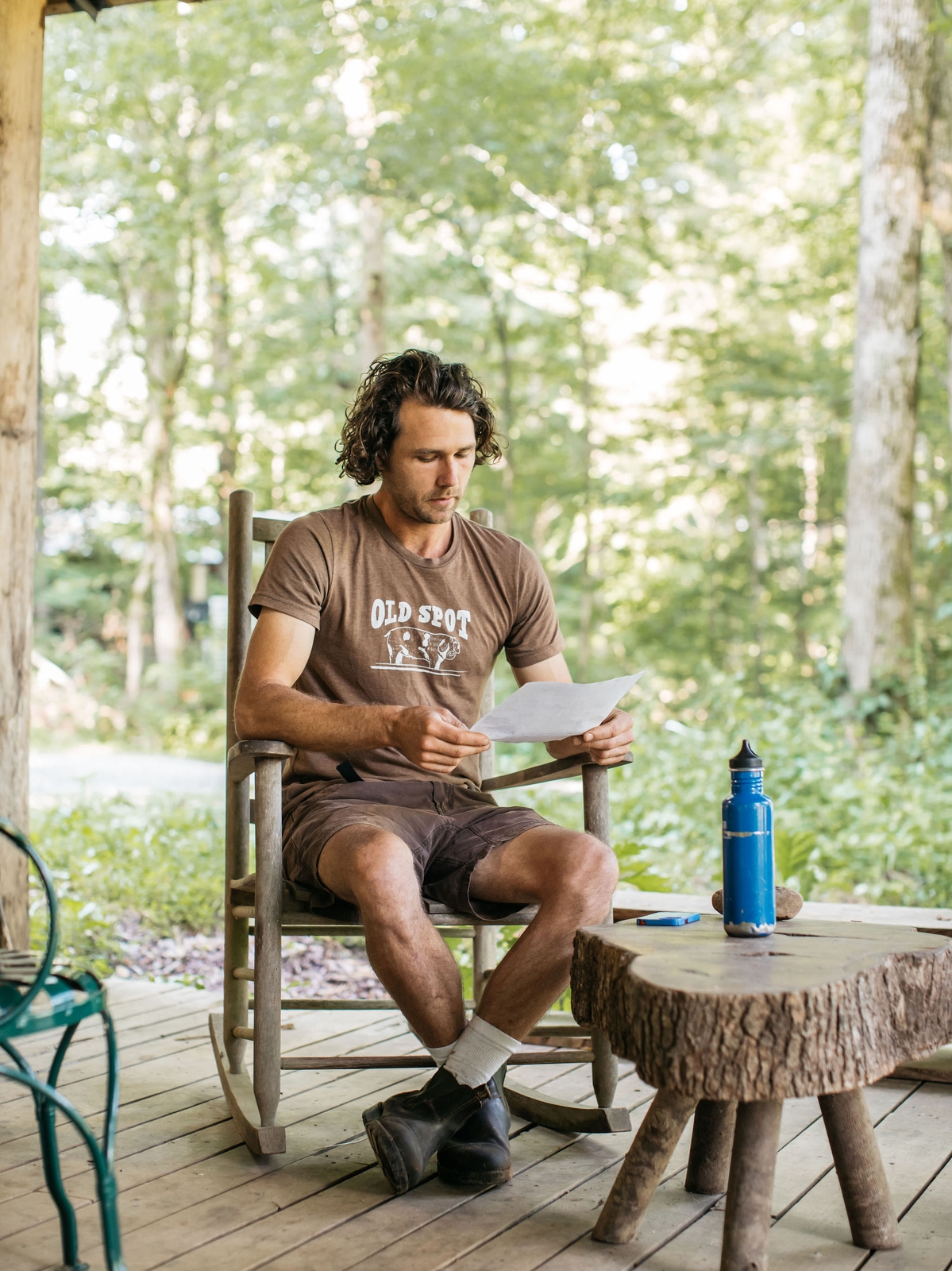
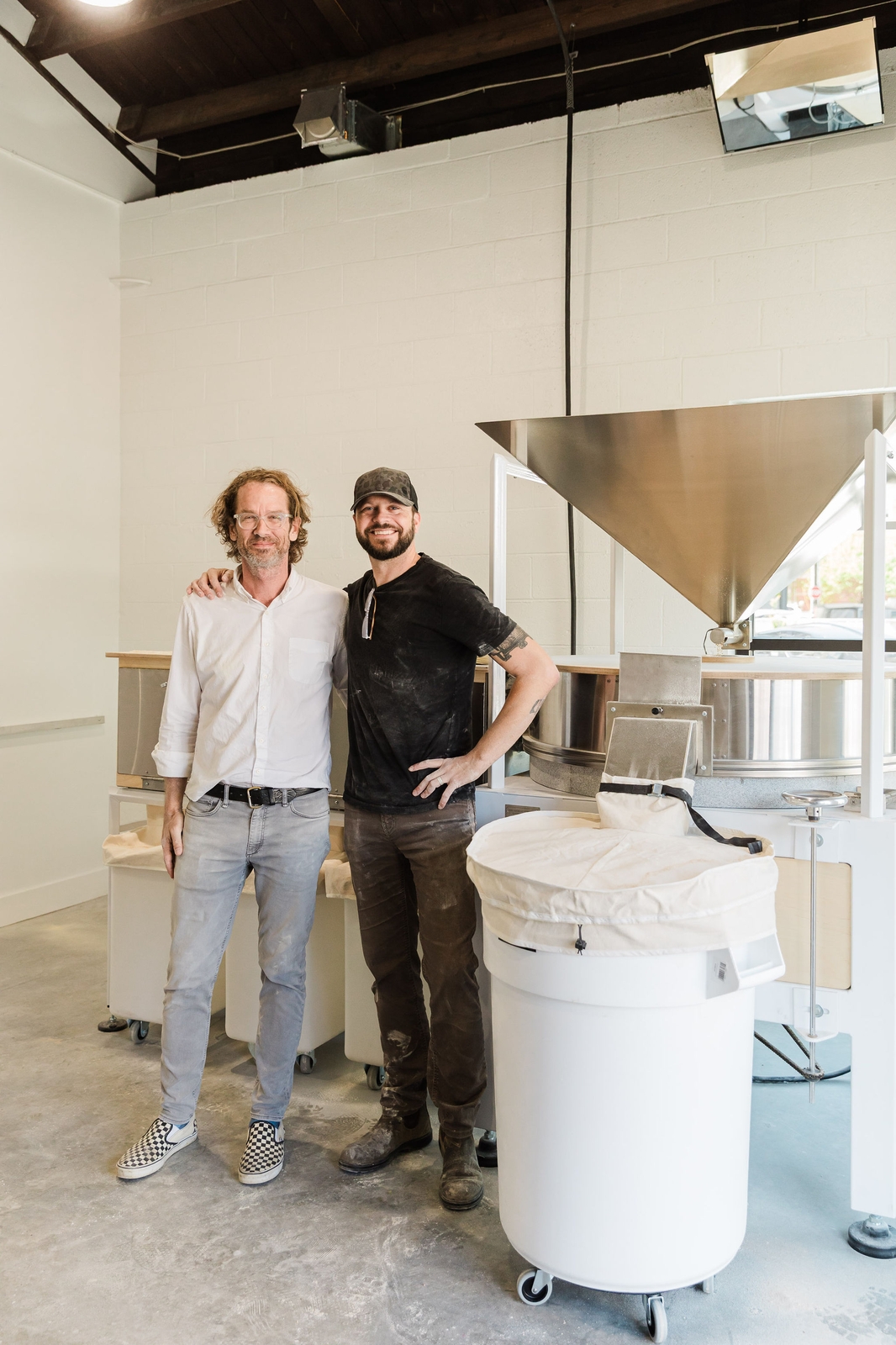
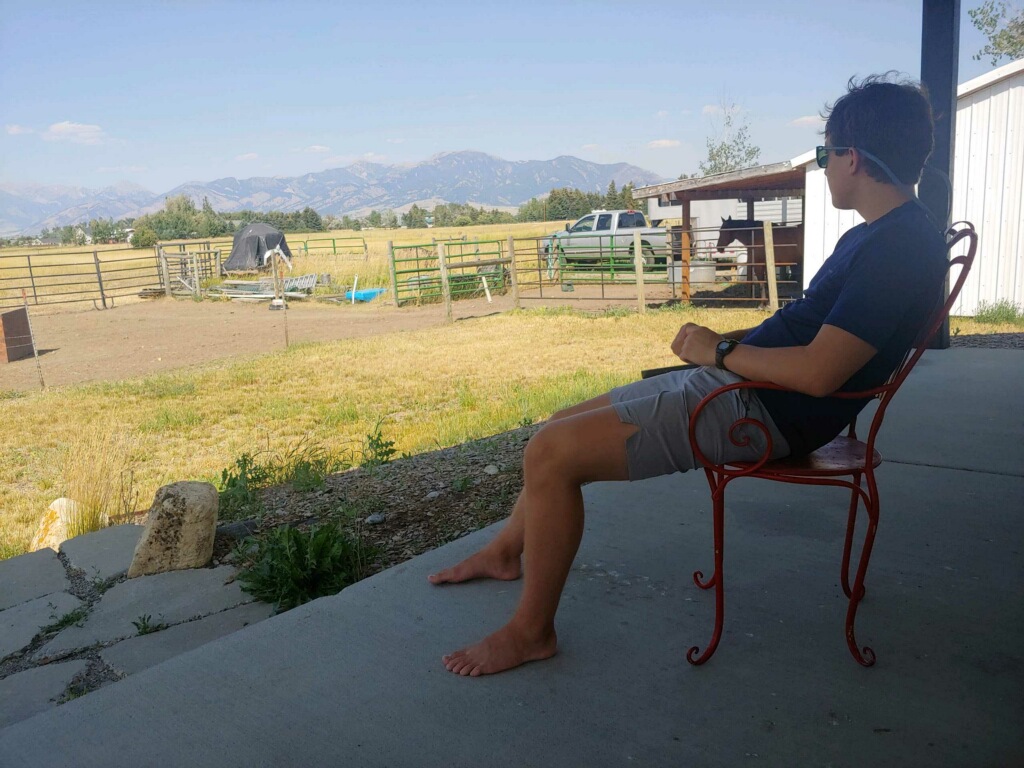
Before we eulogize Dolly Parton and Wendell Berry, a short word on photos in today's story.
Sarah and I had daydreamed about a feature on both Dolly and Wendell — word is, up until his death, he still welcomed visitors, including one friend of ours, to his front porch — but neither interview ever materialized.
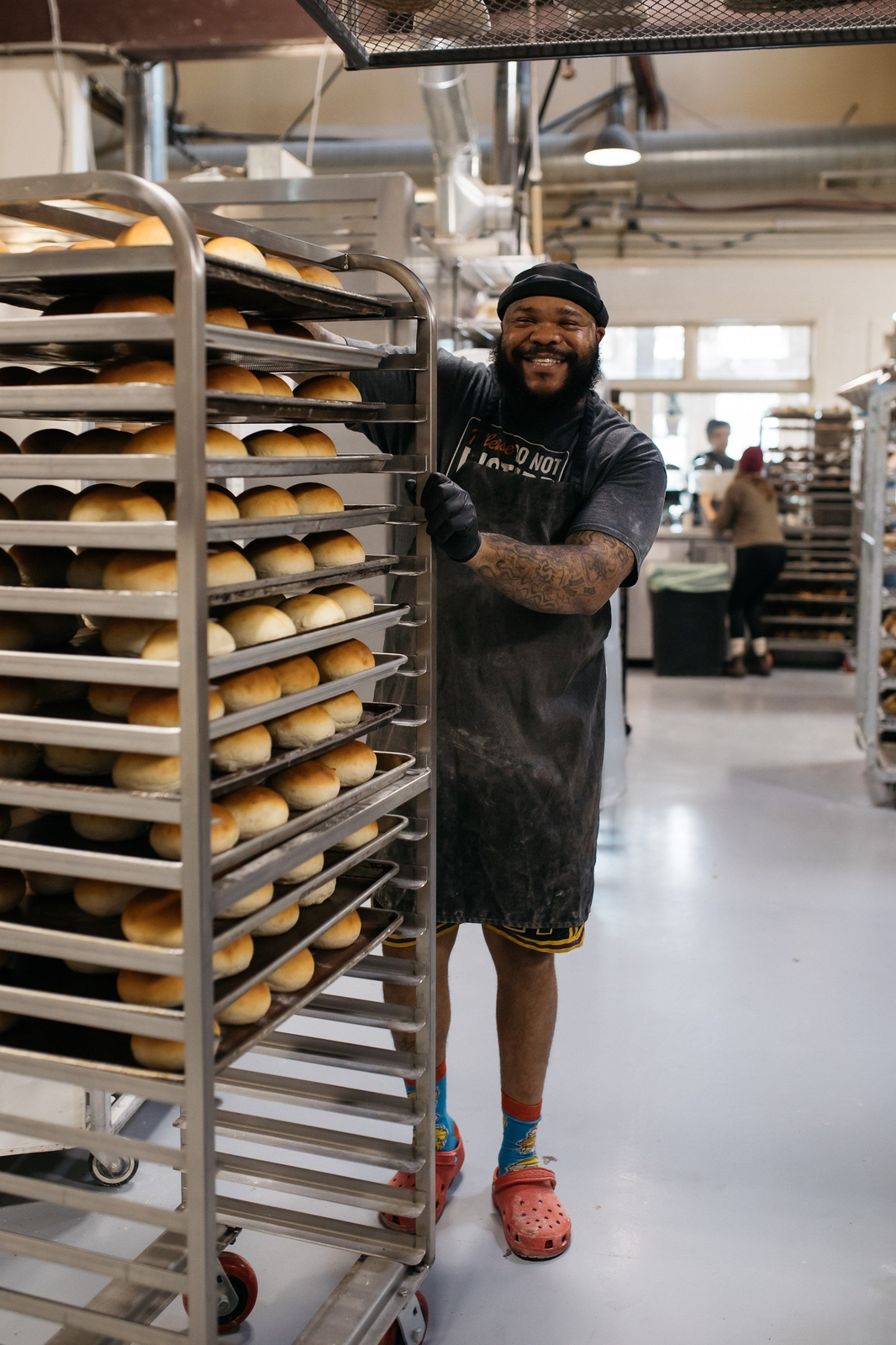
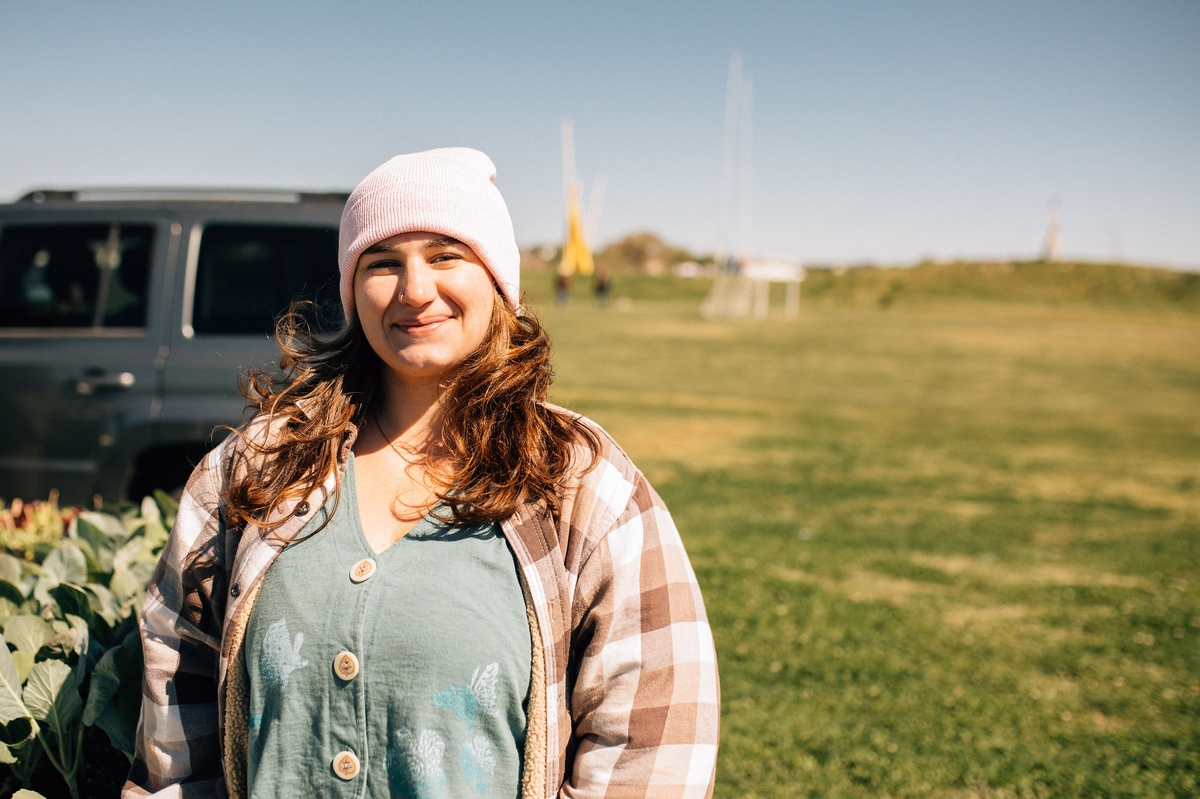
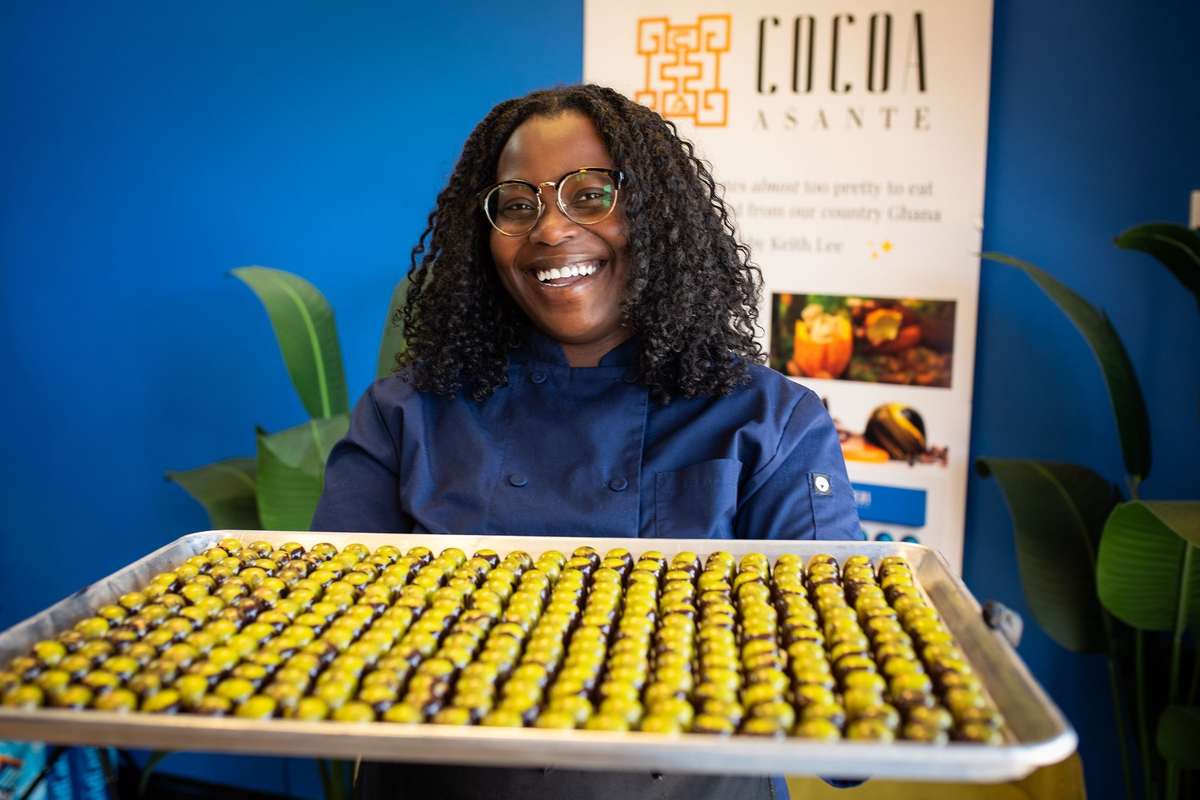
Initially, today's photos may seem out of place. Sadly, no Wendell. Really sadly, no Dolly.
By the end, the photos will make sense.
As August gave way to September, Dolly Parton died, then Wendell Berry then, on Thursday morning, the news broke: Gloria Steinem, 92, was also gone.
They were three faces of the same energy: a more just, more loving, more grounded America. Steinem was Toledo then New York City brownstones; she was not agrarian, but she was a truth-teller and sure as hell influential to the American food landscape.
She got women out of the kitchen.
Ms. Steinem was unapologetic, fierce, like a defense attorney who never gave up defending the falsely accused. She activated in me something different but similar as Mr. Berry did, and equally influential.
I used to teach Steinem and Second Wave Feminism to McCallie School guys. Show of hands: how many of us have a significant woman in our lives who is a business leader? Judge? Surgeon? College professor? And so on.
Sooner or later, every hand was high in the air.
Before Steinem and the second wave, few, if any, hands would be. She helped get women and girls into the professional, expansive, non-domestic realms of America. A thread runs from Steinem's Ms. to Dolly's "9 to 5." Sometimes the thread is gorgeous; other times, it is still frayed and wanting.
Dolly fought, but in different ways and with different strategies. There is no Dolly without Gloria, for a soft feminism goes hand-in-hand with a hard, unapologetic one. The question I keep wondering is about tactics. What helps America move to better ground? Dolly's got the whole world in her hands? Or something ... angrier? Wendell wrote hard, relentlessly, like a four-season field that kept producing. He was a gentleman, possibly a curmudgeon at times, but never pulled his punches.
Dolly? She was grace and big-chested humor and love that seemed to have no reservations.
Few people in this world have the grace and precision to walk the line that creates such self-assurance while also offering it to others. She could have loved anyone. Like a claw machine, reach down and pull up and out a sample size of any group of Americans, and she'd love them. She'd love them well and fully and genuinely.
A few degrees in either direction, and that becomes sentimental or false or sappy.
With her, it was real. It was prodigious. It also is both the rare quality, the needed quality and perhaps what we long for the most these days. For years, she mailed books to our house for our kids to read. That alone seems saintly.
"Her death has really hit me hard," said Nita Johnston, from Cleveland, Tennessee.
Nita's mother was born and raised in Cosby, on the edge of the Smokies, near Dolly and Dolly's people.
"I know, firsthand, how the people of upper East Tennessee truly revered her," she said.
Her grandmother was one of eight children of a saw-milling father who also ran a "good-sized farm."
"I grew up watching Dolly almost every Sunday evening, either on the 'Grand Old Opry,' or on 'The Porter Wagoner Show.' I have cousins who got their first jobs at Dollywood. And I have hiked off trail in the Smokies by the old Parton Cemetery where some of Dolly’s kin are buried," she said.
When Dolly died, she began writing, soon merging Dolly's life with the great goddesses.
Here's Nita:
Dolly was our Sophia, the Divine Feminine personified, a shining example of nurturing, creativity, compassion, empathy, allowing, inclusion and love, all wrapped up in a petite package of rhinestones and red lipstick.
And she could poke fun at her own facade just to make us understand it, too. I believe Dolly was the American Goddess.
The Athena archetype is rational, focused, strategic, driven, patient, sees the big picture, goal-oriented, yet with a head and heart connection. Dolly certain had those qualities.
The Artemis archetype is connected with nature, fair, focused, intuitive, environment-oriented, and influential. Dolly had those same qualities in spades.
Demeter, the mother archetype, is caring, loving, nurturing, generous, self-sacrificing and family-focused. That described Dolly to a tee.
Persophone is the mystic archetype who is eternally youthful, innocent, intuitive, creative and self-asserttve. That was also our Dolly.
Hera, the queen archetype, is regal, loyal, confident, conscoious, partnership-focused. Dolly was certainly our queen.
And Aphrodite, the alchemist, is present, magnetic, creative, a deep listener, tranformative and relationship-focused. Dolly personified.
Now the torch has passed, and it is up to each of us, male and female alike, to carry that torch forward and become the Dolly in our own little world.
I believe Dolly is our Patron Saint of Tennessee and All Things Appalachia.
Both Wendell and Dolly validated the land and culture with a redeeming pride: hillbilly, backcountry, redneck, poor were all transmuted into something grand. Whatever was projected onto Appalachia was distilled and turned back into dignity and love. They both embodied that.
Dolly Parton showed us ways to live. Wendell Berry gave us words we'd forgotten. Both emerged out of place, land, the soil.
"What other piece of land, part of a particular whole, could produce a Dolly and a Wendell in a dozen years' time?" Jane Henegar wrote from her Lookout Mountain home.
The Henegars — both Jane and Henry are like Wendell Berry for many of us — routinely read his work, particularly his lines about family, aloud.
Years ago, Virginia Petite — a good friend to Food as a Verb — was dating a California farmer who'd named his dog, Wendell.
"I had no clue who Wendell referenced," she said.
She soon learned.
The thing with the farmer fell apart, but her relationship with Wendell Berry was just beginning.
For Christmas, her family gave one book as a gift exchange. ("My mom was inspired by an airplane advertisement on a layover through Iceland years ago.")
Sis gave her the Gift of Good Land.
"When I started reading it, I was immediately struck by how Wendell Berry — I don't think I could ever feel comfortable referring to him so personally as to merely say Wendell — tapped into something in me," she said.
"He was the first person that I really can think of that was able to translate feelings and longings into words."
Earlier this week, the days were busy: bees, an egg-eating snake, a group of ladies coming over to play cards, a weekend guest to prepare for.
But, she paused, sat down and wrote a tribute.
He literally has contributed to my life in a deep and meaningful way, in ways I probably will never fully realize.
He accessed a part of my inner person that I didn't know how to express. But he also has shaped how I see the world and the meaning of stewardship.
The way he viewed caring for land has since shaped my own thoughts ...
This bears a level of accountability, of responsibility. It shifts from entitlement, greed, desire, to that of not only honoring the land but respecting others and sharing with them.
A while back, she'd left the South for California and Hawaii, then returned, but still pined for the West Coast.
"I didn't want to be here, let alone stay," she said. "Yet, I find myself here still, finally starting to accept and settle into life."
She'd begun taking courses at the Berry Center's Farm and Forest Institute.
"This center has helped me feel connected to place and empowered to care for my parents' land," she said.
"It has helped me to finally feel like I am on a path that I have dreamt of since I first moved to Tennessee."
When she was a young girl, her folks were living on three acres and change. Her 5th-grade birthday, she asked her parents for a piece of that land.
"For them to deed me a 5' x 5' piece of their property that I could cultivate and tend all my own, in name and in responsibility," she remembers.
It would help "me better understand the physical world and my role and relationship to land, to place."
For me, a couple of Christmases ago, my son gave me Wendell Berry's Unsettling of America, one of his favorite books.
I asked him to contribute here. What does Wendell Berry mean to you?
Here's what my son wrote:
Everything Wendell Berry writes seems to defy relativism of any sort.
What he wrote in the 1970s was true hundreds of years before that and will be true hundreds of years later.
His writing is the alarm clock that sounds off when we fall asleep and surrender ourselves to a world where gun violence, factory farming and OpenAI go unchecked.
He reminds us that, under no circumstances, should we acquiescence to a country we are unsatisfied with.
His critics often pointed out the impracticality and quixotic nature of his arguments.
Though, I think it's exactly because of his uncompromisingly idealistic writings that so many have found solace in his words.
Of course it's impractical to transition a world of eight billion people away from factory farming and towards subsistence agriculture.
But the same voice that hand-waves away Wendell Berry's agrarian qualms is the one that allows this impracticality to develop in the first place.
As a result, America leaves it to the words of explosively didactic authors like Wendell Berry to cut this beast of greed and expansion off at its head.
So many of us have spent years bouncing on the knee of a country that pacified our skeptcisim and objection to a digitally-charged, endlessly-expanding world that told us not alternative could be achieved.
Wendell Berry spent his life proving that alternative was more possible than we may realize.
Finally, a friend sent this interview in The Sun, which is worth a read. As is Peggy Noonan's beautiful tribute to Dolly in the Wall Street Journal.
So, as we say goodbye, the explanation of today's photos.
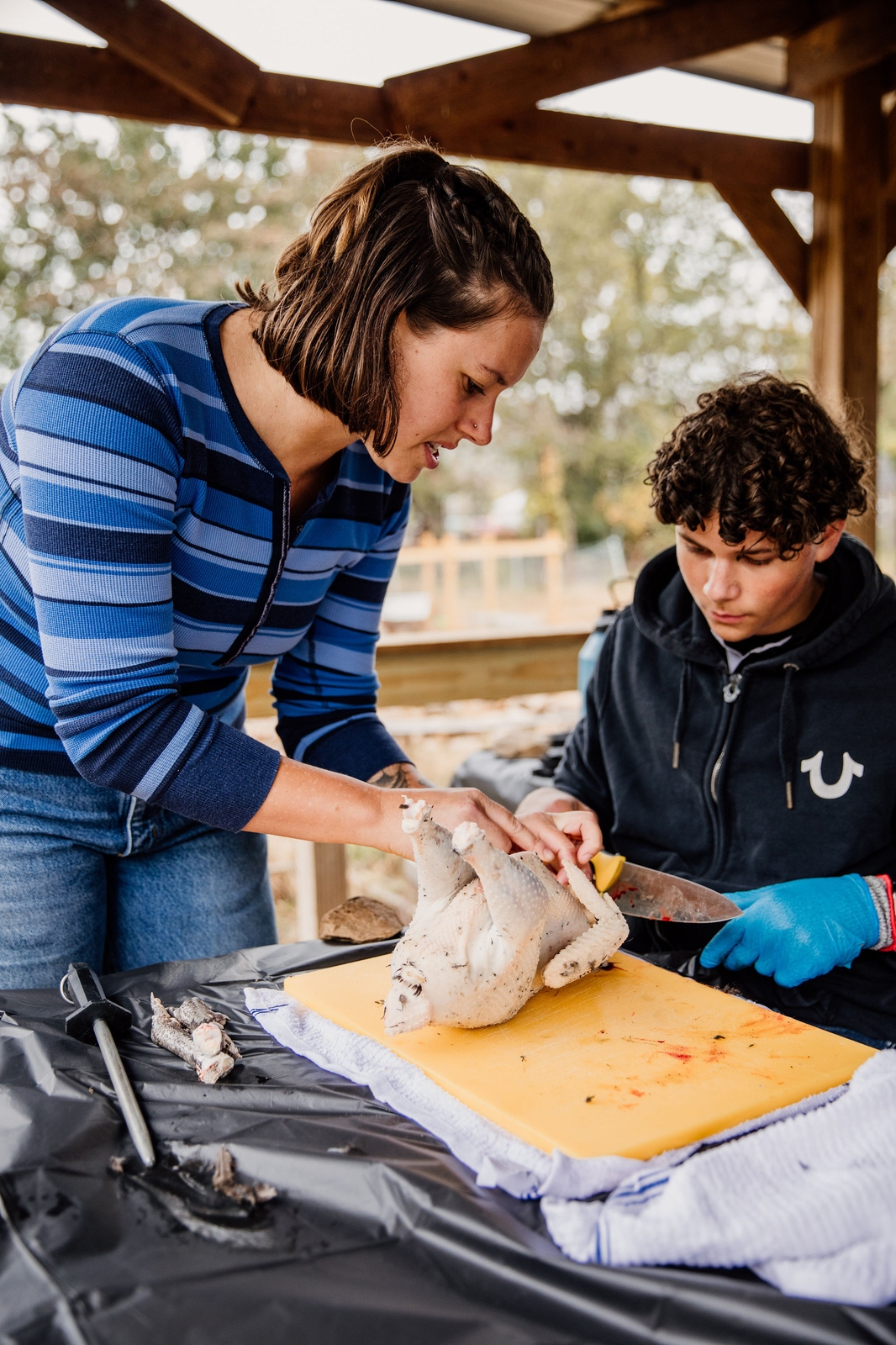
In his Manifesto: The Mad Farmer Liberation Front poem, Wendell Berry suggests we:
Ask the questions that have no answers.
I think the question we face as we grieve any sort of loss: how we will go on with this person or place now missing?
How will we find our life again? The ground beneath us? With what was once here now gone?
These are the questions of separation, and they seem, and feel, unanswerable.
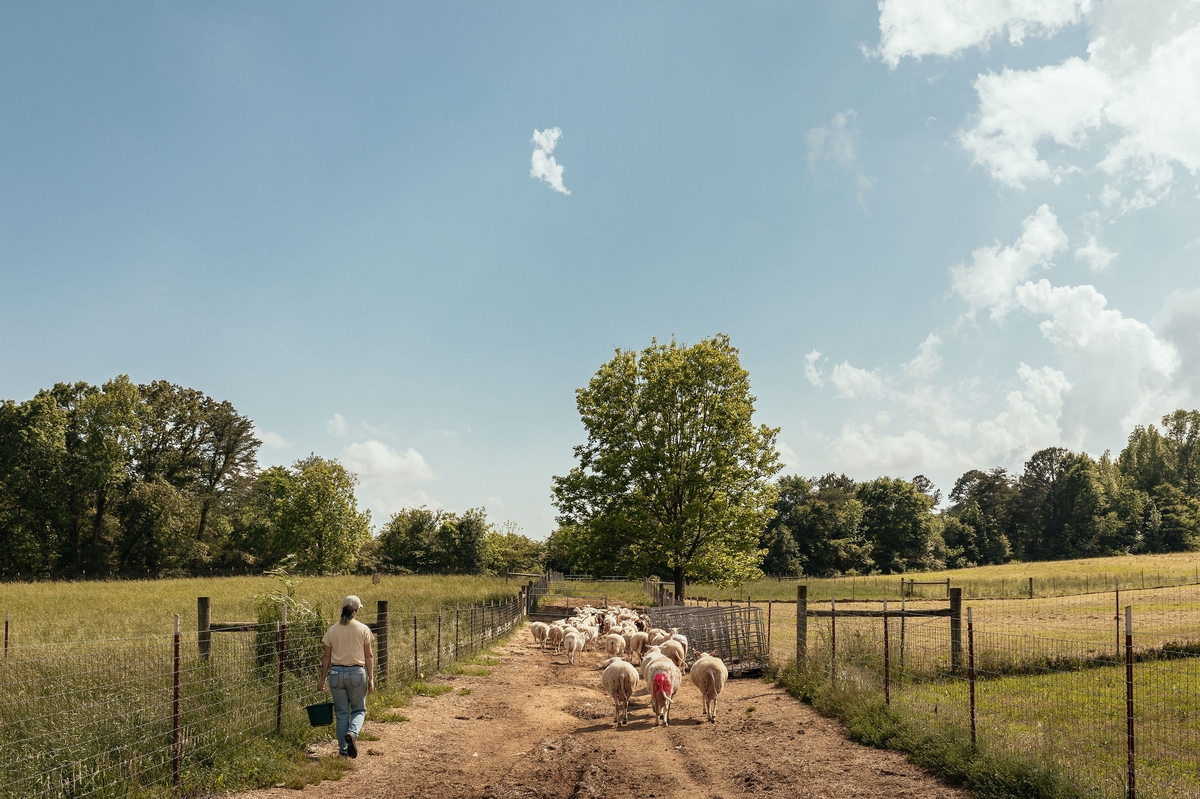
Yet, if we squint, or listen closer, we find an answer, almost like that voice of hers, worth hearing.
It's us.
It's in us.
That's how they live on.
When we touch and encounter the world with the same grace and love, conferring dignity on whatever place or creature or colleague near us, then we find ourselves walking alongside Dolly and Wendell.
Remember what Nita wrote?
Now the torch has passed, and it is up to each of us, male and female alike, to carry that torch forward and become the Dolly in our own little world.
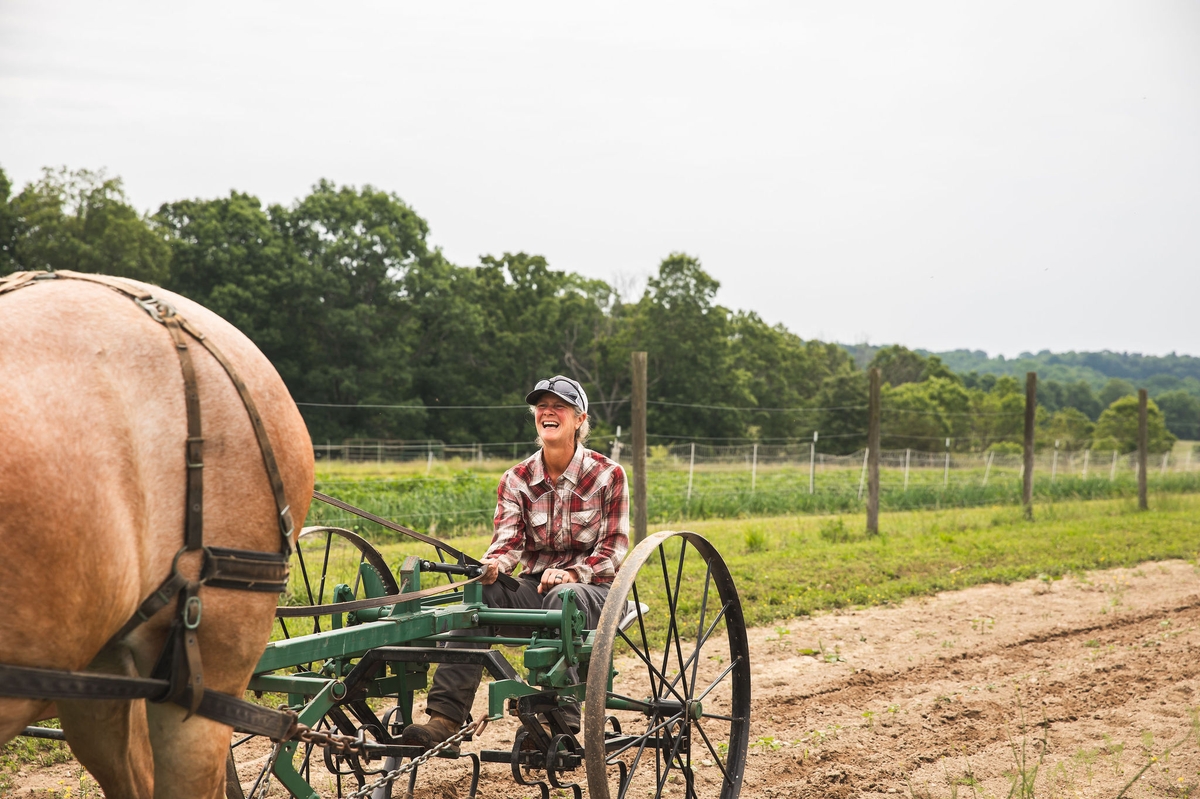
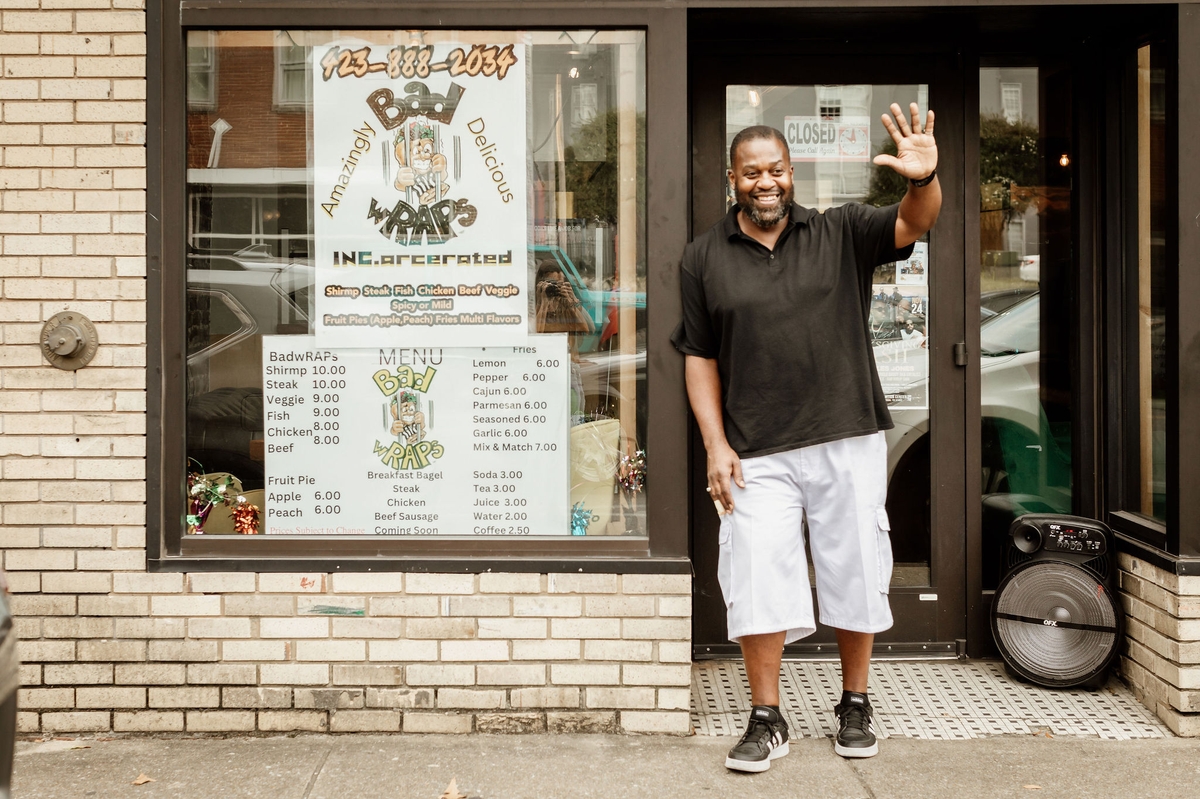
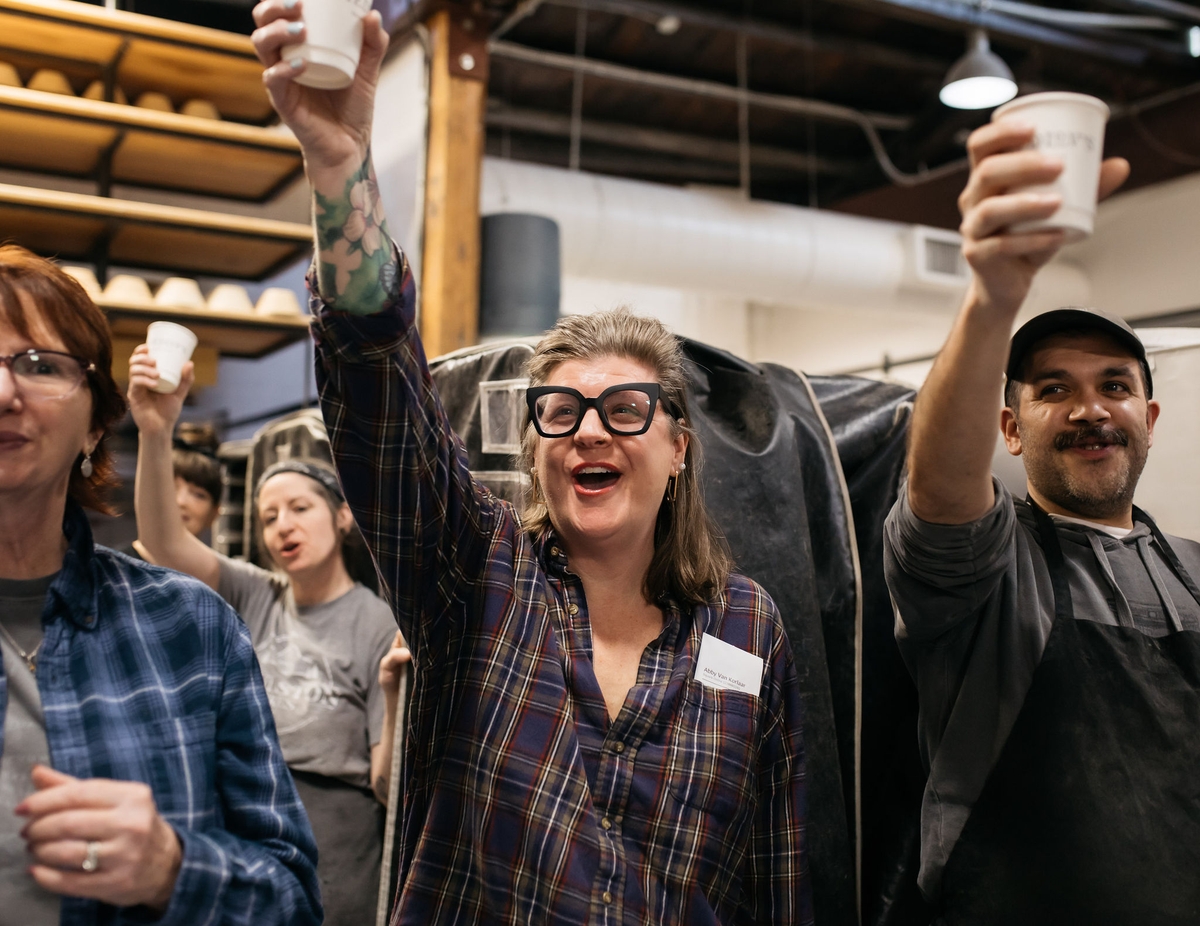
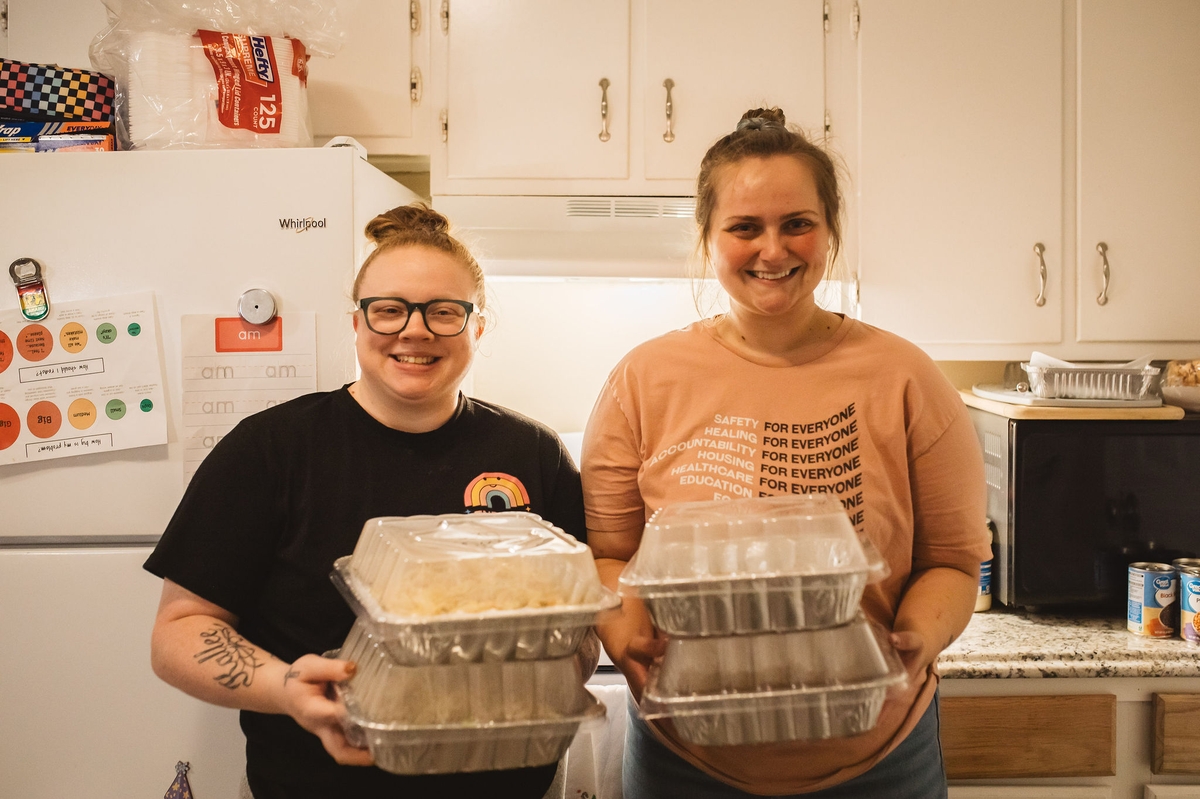
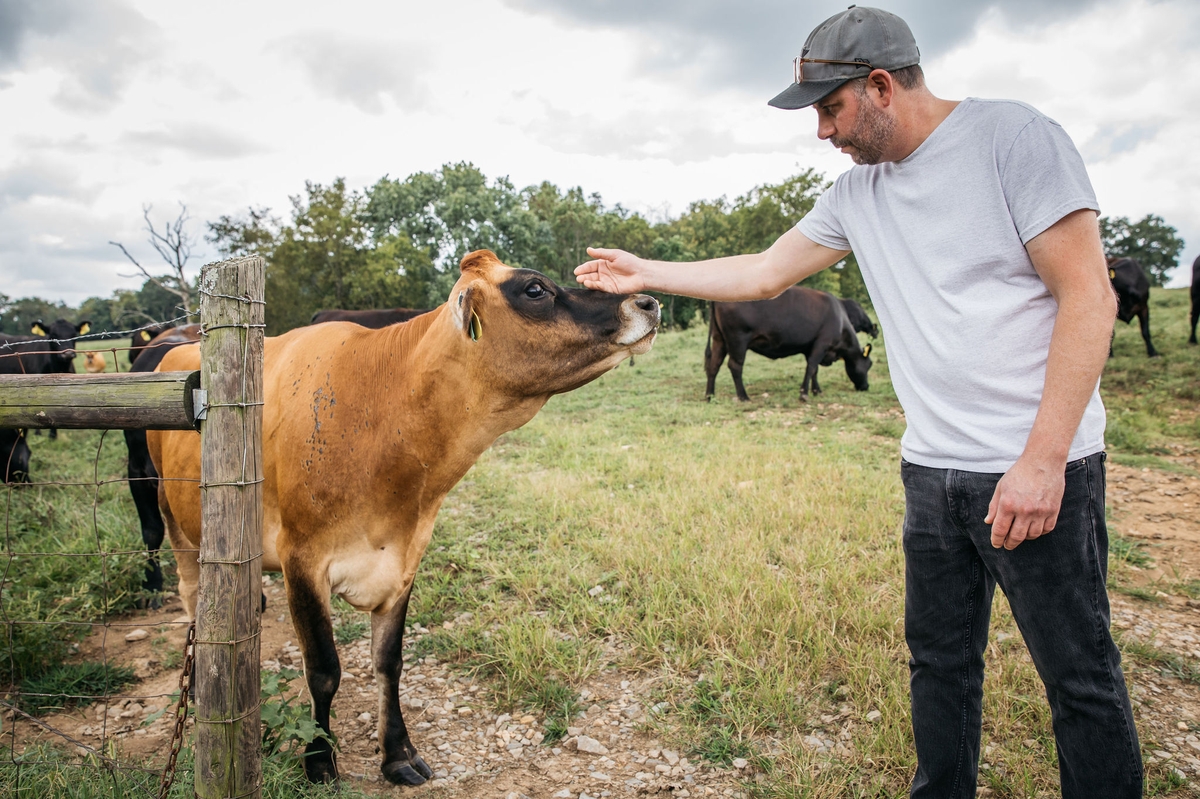
The photos from today are a dozen out of hundreds more we could have shared: all Chattanoogans who carry that same torch.
Wendell Berry, Dolly Parton ... their bodies are gone.
But something still remains, burning like a rhinestone.
Story ideas, questions, feedback? Interested in partnering with us? Email: david@foodasaverb.com
This story is 100% human generated; no AI chatbot was used in the creation of this content.
Before we eulogize Dolly Parton and Wendell Berry, a short word on photos in today's story.
Sarah and I had daydreamed about a feature on both Dolly and Wendell — word is, up until his death, he still welcomed visitors, including one friend of ours, to his front porch — but neither interview ever materialized.
Initially, today's photos may seem out of place. Sadly, no Wendell. Really sadly, no Dolly.
By the end, the photos will make sense.
As August gave way to September, Dolly Parton died, then Wendell Berry then, on Thursday morning, the news broke: Gloria Steinem, 92, was also gone.
They were three faces of the same energy: a more just, more loving, more grounded America. Steinem was Toledo then New York City brownstones; she was not agrarian, but she was a truth-teller and sure as hell influential to the American food landscape.
She got women out of the kitchen.
Ms. Steinem was unapologetic, fierce, like a defense attorney who never gave up defending the falsely accused. She activated in me something different but similar as Mr. Berry did, and equally influential.
I used to teach Steinem and Second Wave Feminism to McCallie School guys. Show of hands: how many of us have a significant woman in our lives who is a business leader? Judge? Surgeon? College professor? And so on.
Sooner or later, every hand was high in the air.
Before Steinem and the second wave, few, if any, hands would be. She helped get women and girls into the professional, expansive, non-domestic realms of America. A thread runs from Steinem's Ms. to Dolly's "9 to 5." Sometimes the thread is gorgeous; other times, it is still frayed and wanting.
Dolly fought, but in different ways and with different strategies. There is no Dolly without Gloria, for a soft feminism goes hand-in-hand with a hard, unapologetic one. The question I keep wondering is about tactics. What helps America move to better ground? Dolly's got the whole world in her hands? Or something ... angrier? Wendell wrote hard, relentlessly, like a four-season field that kept producing. He was a gentleman, possibly a curmudgeon at times, but never pulled his punches.
Dolly? She was grace and big-chested humor and love that seemed to have no reservations.
Few people in this world have the grace and precision to walk the line that creates such self-assurance while also offering it to others. She could have loved anyone. Like a claw machine, reach down and pull up and out a sample size of any group of Americans, and she'd love them. She'd love them well and fully and genuinely.
A few degrees in either direction, and that becomes sentimental or false or sappy.
With her, it was real. It was prodigious. It also is both the rare quality, the needed quality and perhaps what we long for the most these days. For years, she mailed books to our house for our kids to read. That alone seems saintly.
"Her death has really hit me hard," said Nita Johnston, from Cleveland, Tennessee.
Nita's mother was born and raised in Cosby, on the edge of the Smokies, near Dolly and Dolly's people.
"I know, firsthand, how the people of upper East Tennessee truly revered her," she said.
Her grandmother was one of eight children of a saw-milling father who also ran a "good-sized farm."
"I grew up watching Dolly almost every Sunday evening, either on the 'Grand Old Opry,' or on 'The Porter Wagoner Show.' I have cousins who got their first jobs at Dollywood. And I have hiked off trail in the Smokies by the old Parton Cemetery where some of Dolly’s kin are buried," she said.
When Dolly died, she began writing, soon merging Dolly's life with the great goddesses.
Here's Nita:
Dolly was our Sophia, the Divine Feminine personified, a shining example of nurturing, creativity, compassion, empathy, allowing, inclusion and love, all wrapped up in a petite package of rhinestones and red lipstick.
And she could poke fun at her own facade just to make us understand it, too. I believe Dolly was the American Goddess.
The Athena archetype is rational, focused, strategic, driven, patient, sees the big picture, goal-oriented, yet with a head and heart connection. Dolly certain had those qualities.
The Artemis archetype is connected with nature, fair, focused, intuitive, environment-oriented, and influential. Dolly had those same qualities in spades.
Demeter, the mother archetype, is caring, loving, nurturing, generous, self-sacrificing and family-focused. That described Dolly to a tee.
Persophone is the mystic archetype who is eternally youthful, innocent, intuitive, creative and self-asserttve. That was also our Dolly.
Hera, the queen archetype, is regal, loyal, confident, conscoious, partnership-focused. Dolly was certainly our queen.
And Aphrodite, the alchemist, is present, magnetic, creative, a deep listener, tranformative and relationship-focused. Dolly personified.
Now the torch has passed, and it is up to each of us, male and female alike, to carry that torch forward and become the Dolly in our own little world.
I believe Dolly is our Patron Saint of Tennessee and All Things Appalachia.
Both Wendell and Dolly validated the land and culture with a redeeming pride: hillbilly, backcountry, redneck, poor were all transmuted into something grand. Whatever was projected onto Appalachia was distilled and turned back into dignity and love. They both embodied that.
Dolly Parton showed us ways to live. Wendell Berry gave us words we'd forgotten. Both emerged out of place, land, the soil.
"What other piece of land, part of a particular whole, could produce a Dolly and a Wendell in a dozen years' time?" Jane Henegar wrote from her Lookout Mountain home.
The Henegars — both Jane and Henry are like Wendell Berry for many of us — routinely read his work, particularly his lines about family, aloud.
Years ago, Virginia Petite — a good friend to Food as a Verb — was dating a California farmer who'd named his dog, Wendell.
"I had no clue who Wendell referenced," she said.
She soon learned.
The thing with the farmer fell apart, but her relationship with Wendell Berry was just beginning.
For Christmas, her family gave one book as a gift exchange. ("My mom was inspired by an airplane advertisement on a layover through Iceland years ago.")
Sis gave her the Gift of Good Land.
"When I started reading it, I was immediately struck by how Wendell Berry — I don't think I could ever feel comfortable referring to him so personally as to merely say Wendell — tapped into something in me," she said.
"He was the first person that I really can think of that was able to translate feelings and longings into words."
Earlier this week, the days were busy: bees, an egg-eating snake, a group of ladies coming over to play cards, a weekend guest to prepare for.
But, she paused, sat down and wrote a tribute.
He literally has contributed to my life in a deep and meaningful way, in ways I probably will never fully realize.
He accessed a part of my inner person that I didn't know how to express. But he also has shaped how I see the world and the meaning of stewardship.
The way he viewed caring for land has since shaped my own thoughts ...
This bears a level of accountability, of responsibility. It shifts from entitlement, greed, desire, to that of not only honoring the land but respecting others and sharing with them.
A while back, she'd left the South for California and Hawaii, then returned, but still pined for the West Coast.
"I didn't want to be here, let alone stay," she said. "Yet, I find myself here still, finally starting to accept and settle into life."
She'd begun taking courses at the Berry Center's Farm and Forest Institute.
"This center has helped me feel connected to place and empowered to care for my parents' land," she said.
"It has helped me to finally feel like I am on a path that I have dreamt of since I first moved to Tennessee."
When she was a young girl, her folks were living on three acres and change. Her 5th-grade birthday, she asked her parents for a piece of that land.
"For them to deed me a 5' x 5' piece of their property that I could cultivate and tend all my own, in name and in responsibility," she remembers.
It would help "me better understand the physical world and my role and relationship to land, to place."
For me, a couple of Christmases ago, my son gave me Wendell Berry's Unsettling of America, one of his favorite books.
I asked him to contribute here. What does Wendell Berry mean to you?
Here's what my son wrote:
Everything Wendell Berry writes seems to defy relativism of any sort.
What he wrote in the 1970s was true hundreds of years before that and will be true hundreds of years later.
His writing is the alarm clock that sounds off when we fall asleep and surrender ourselves to a world where gun violence, factory farming and OpenAI go unchecked.
He reminds us that, under no circumstances, should we acquiescence to a country we are unsatisfied with.
His critics often pointed out the impracticality and quixotic nature of his arguments.
Though, I think it's exactly because of his uncompromisingly idealistic writings that so many have found solace in his words.
Of course it's impractical to transition a world of eight billion people away from factory farming and towards subsistence agriculture.
But the same voice that hand-waves away Wendell Berry's agrarian qualms is the one that allows this impracticality to develop in the first place.
As a result, America leaves it to the words of explosively didactic authors like Wendell Berry to cut this beast of greed and expansion off at its head.
So many of us have spent years bouncing on the knee of a country that pacified our skeptcisim and objection to a digitally-charged, endlessly-expanding world that told us not alternative could be achieved.
Wendell Berry spent his life proving that alternative was more possible than we may realize.
Finally, a friend sent this interview in The Sun, which is worth a read. As is Peggy Noonan's beautiful tribute to Dolly in the Wall Street Journal.
So, as we say goodbye, the explanation of today's photos.
In his Manifesto: The Mad Farmer Liberation Front poem, Wendell Berry suggests we:
Ask the questions that have no answers.
I think the question we face as we grieve any sort of loss: how we will go on with this person or place now missing?
How will we find our life again? The ground beneath us? With what was once here now gone?
These are the questions of separation, and they seem, and feel, unanswerable.
Yet, if we squint, or listen closer, we find an answer, almost like that voice of hers, worth hearing.
It's us.
It's in us.
That's how they live on.
When we touch and encounter the world with the same grace and love, conferring dignity on whatever place or creature or colleague near us, then we find ourselves walking alongside Dolly and Wendell.
Remember what Nita wrote?
Now the torch has passed, and it is up to each of us, male and female alike, to carry that torch forward and become the Dolly in our own little world.
The photos from today are a dozen out of hundreds more we could have shared: all Chattanoogans who carry that same torch.
Wendell Berry, Dolly Parton ... their bodies are gone.
But something still remains, burning like a rhinestone.
Story ideas, questions, feedback? Interested in partnering with us? Email: david@foodasaverb.com
This story is 100% human generated; no AI chatbot was used in the creation of this content.
Food as a verb thanks our story sponsor:
Food as a Verb Thanks our sustaining partner:
Food as a verb thanks our story sponsor:
Join our table

keep reading






.png)
