

Introducing Niedlov's New Mill and the Resurrection of Our Local Grain Economy
"This connection you feel. You can just taste it."
Food as a verb thanks
for sponsoring this series

On Monday, April 13, a FedEx truck beep-beep-backed its bumper up to the Main Street loading dock at Niedlov's Bakery. Inside the truck, a delivery from Vermont: two crates, pushing one ton, maybe more. The FedEx driver had a partner, but shrugged him off: this one's extra-special. I want to unload it myself.
He forklifted the crates, one by one, onto the Niedlov's loading dock like an arc or long-lost treasure.
Each contained wood and stone.
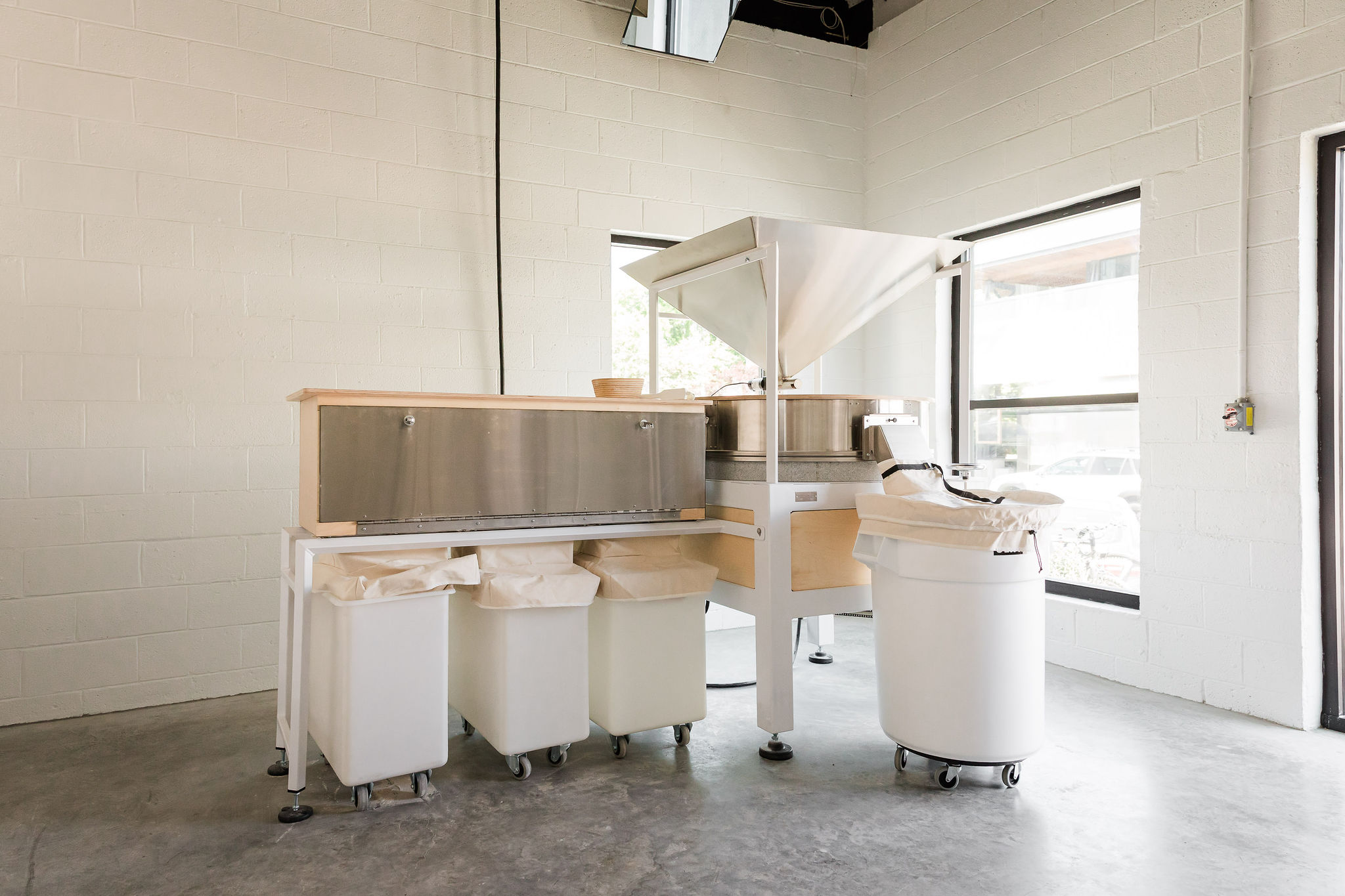
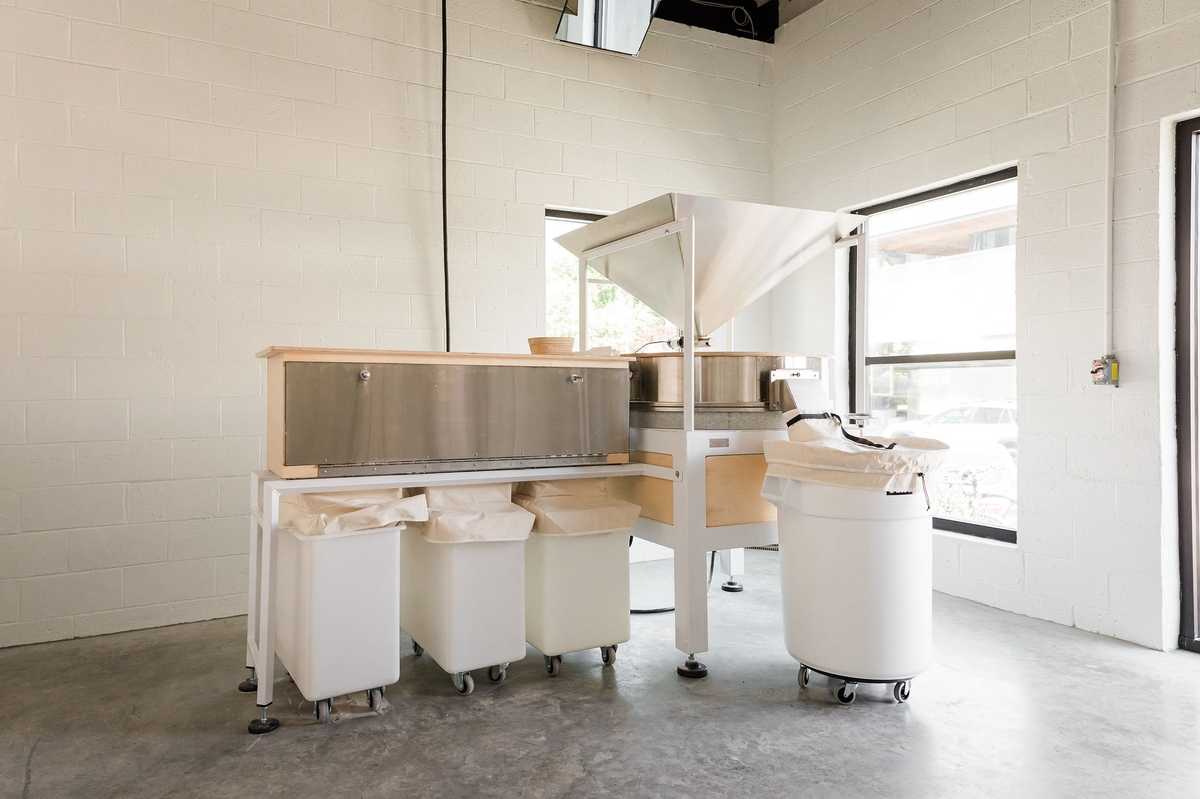
By nightfall, it had all been assembled and stood balanced and strong inside Niedlov's newly renovated backroom, where the walls have been painted stark white, like a museum.
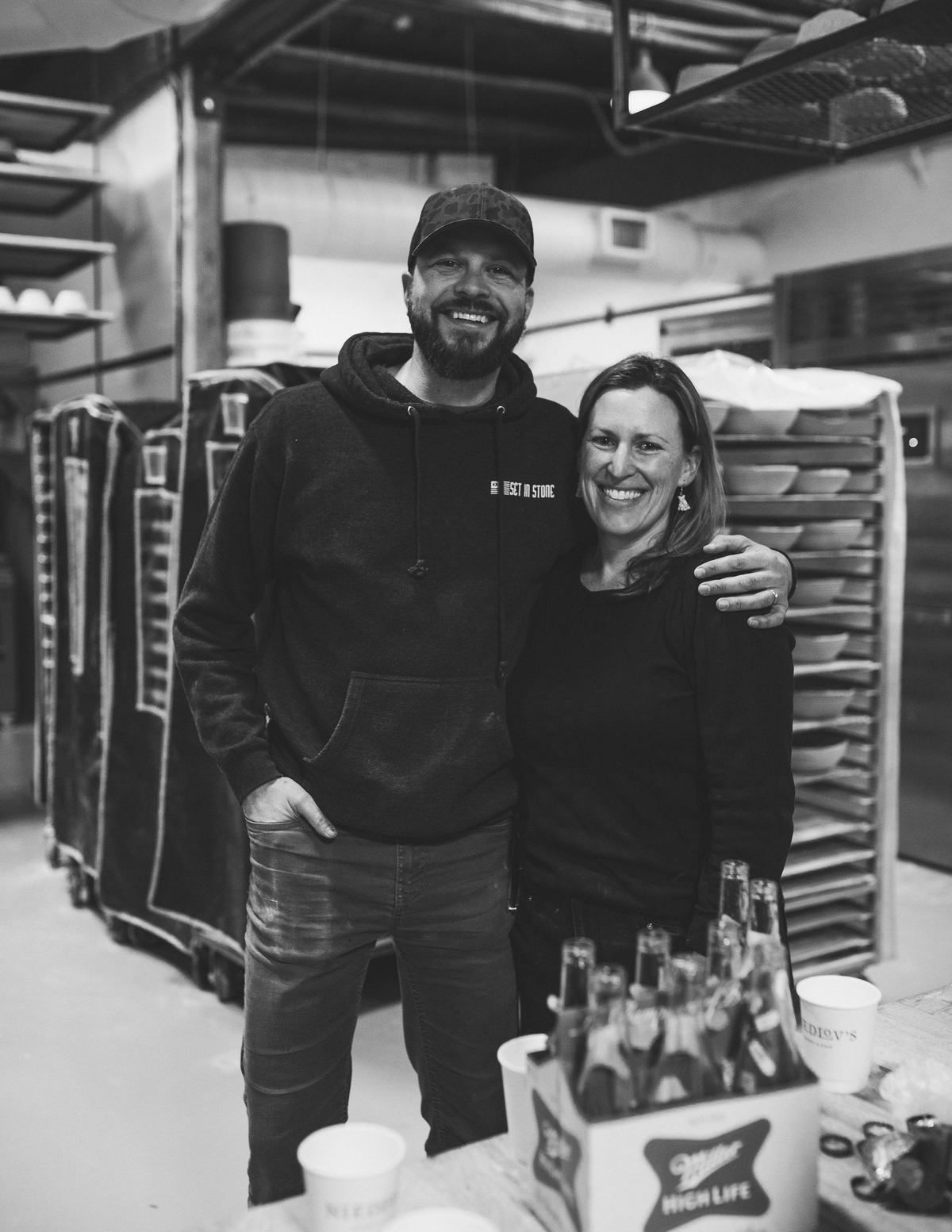
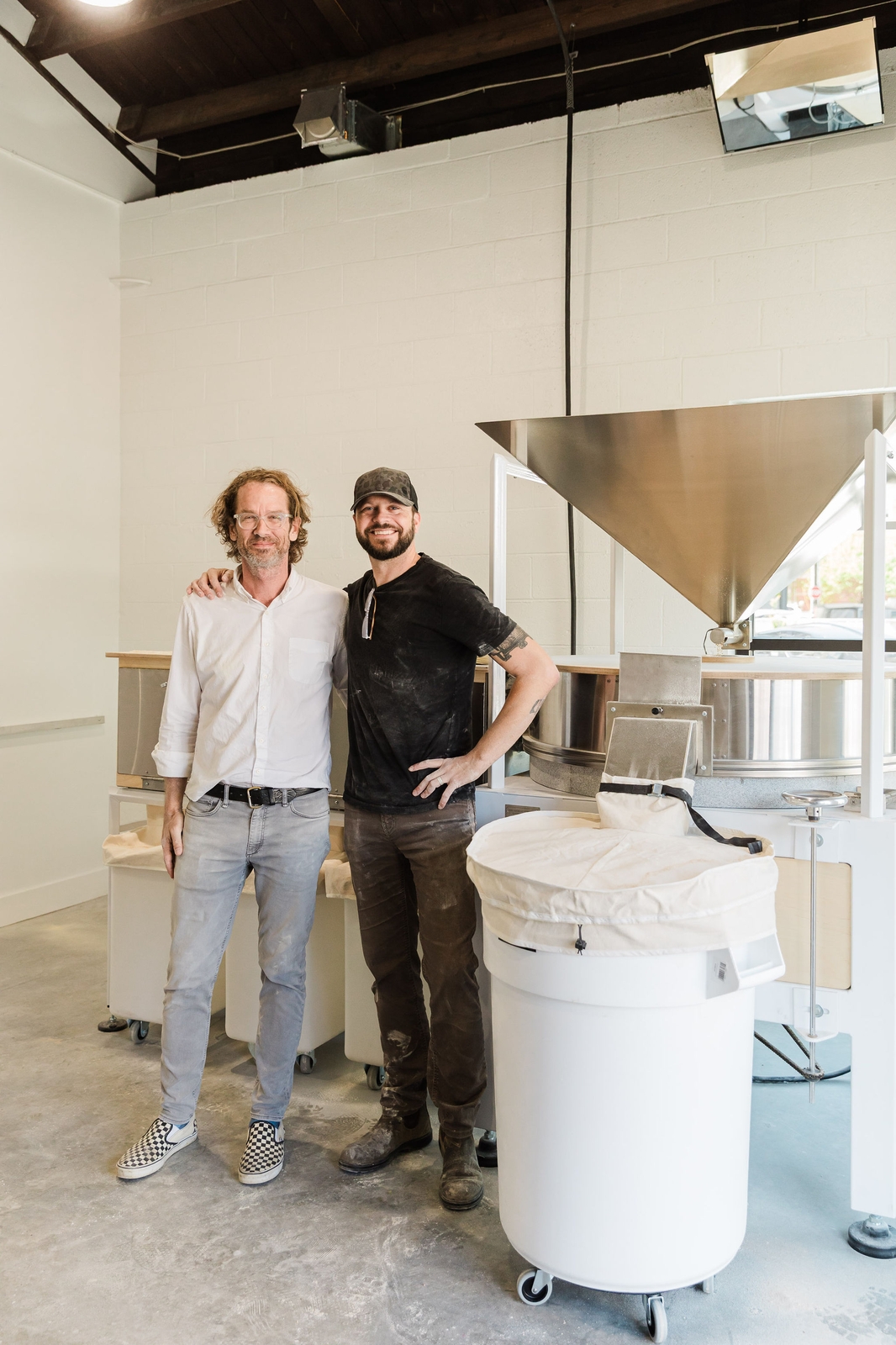
The three people in the room — Lauren and Erik Zilen, owners of Niedlov's Bakery, and Tucker Build's Jeff Cannon — stood in awe. Also assembling itself: the final pages of a story they'd been writing for years.
"We all three cried," said Lauren.
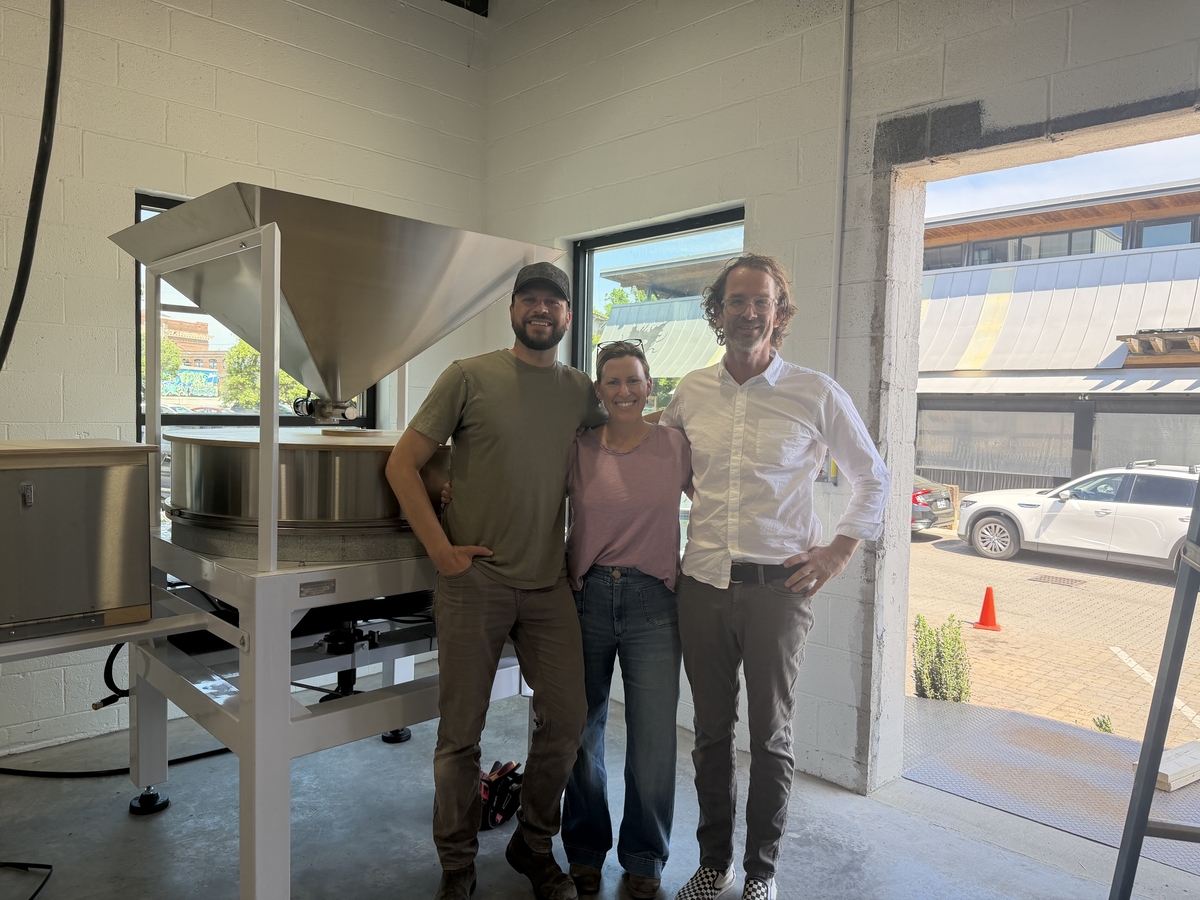
Do you see it there in the background?
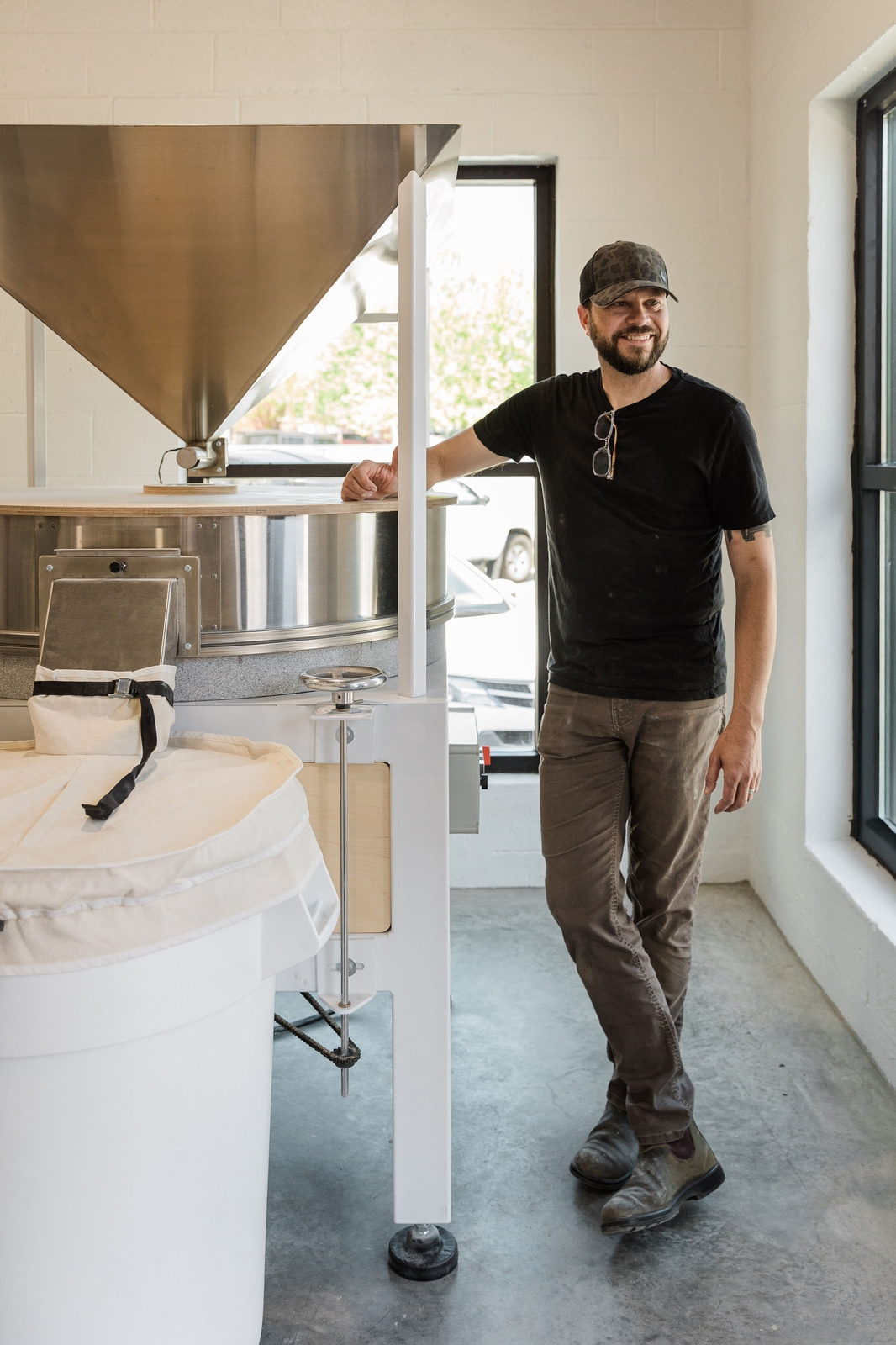
Niedlov's has its own mill.
It's one of the most beautiful things we've seen in Chattanooga.
The moment is one of the most meaningful in our local food people's history, as it marks the revival and resurrection of our local grain economy.
It feels like introducing this mill the way you would a newborn, like Simba being held high above the community. Come see. Come behold.
Is that too much? I don't think so.
Where else can you find local loaves of bread baked from organic wheat grown from regional farmers, harvested, cleaned and milled under the same roof as the bakery?
"It's adding an incredible variable," said Jeff, Tucker Build's owner and founder."It sets us up to be disrupted far less."
(In October, the Zilens are opening up their doors for a most special event: Bake Bread Together — where local bakers can bake loaves in the Niedlov's oven using flour from this new mill. Reduced tickets are offered for members of The Table. Reserve your spot here.)
The mill is both agricultural and communal, a time-traveled relic from a long-ago era. Working together, Niedlov's and Tucker Build have reintroduced one of the most important culinary relationships into modern Chattanooga.
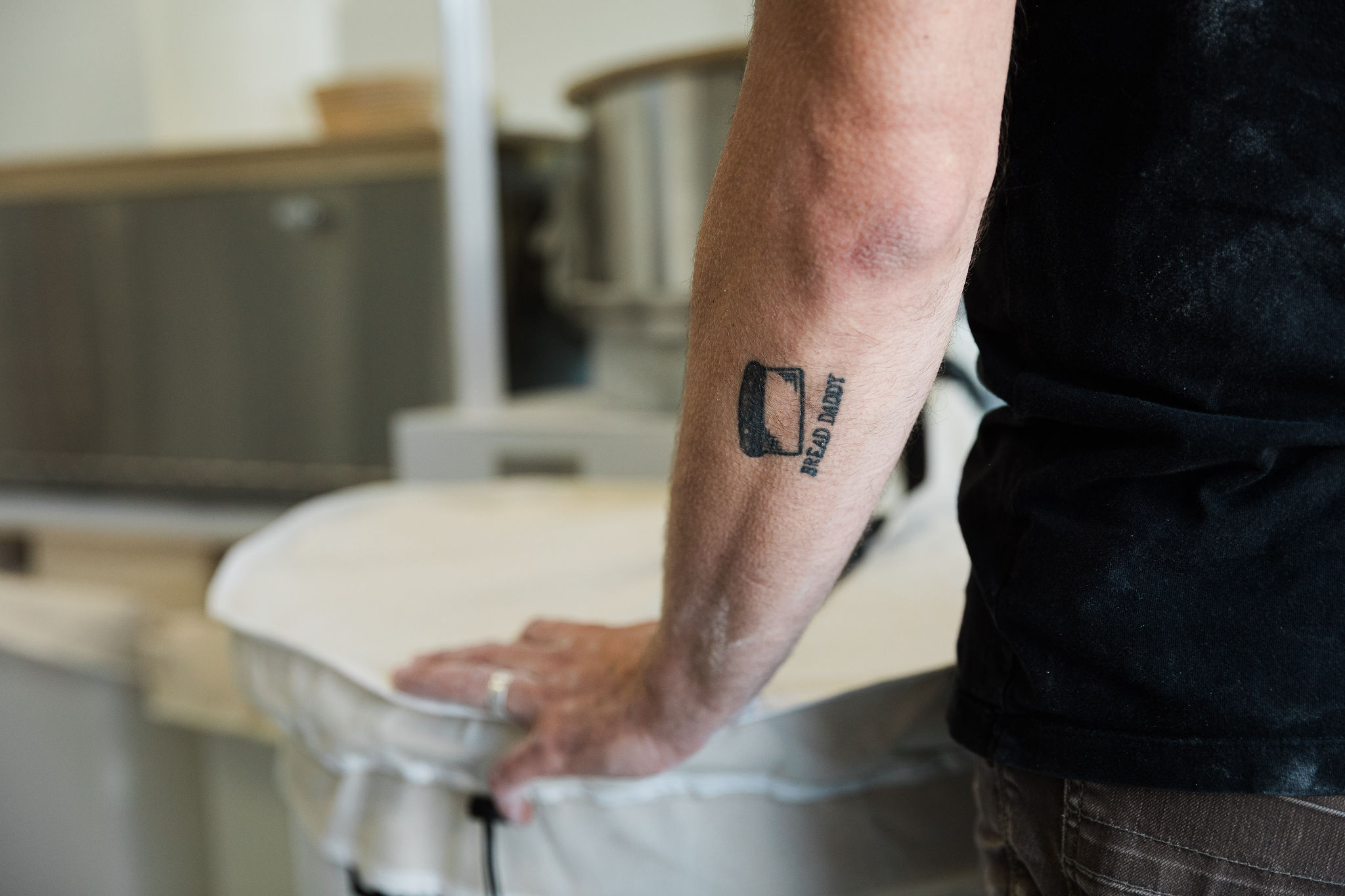
Now, out in the fields, more wheat is growing. Because of this mill, the Main St. bakery has increased demand of Southern grown wheat, with at least three regional growers planting 100s of more acres of organic wheat each year.
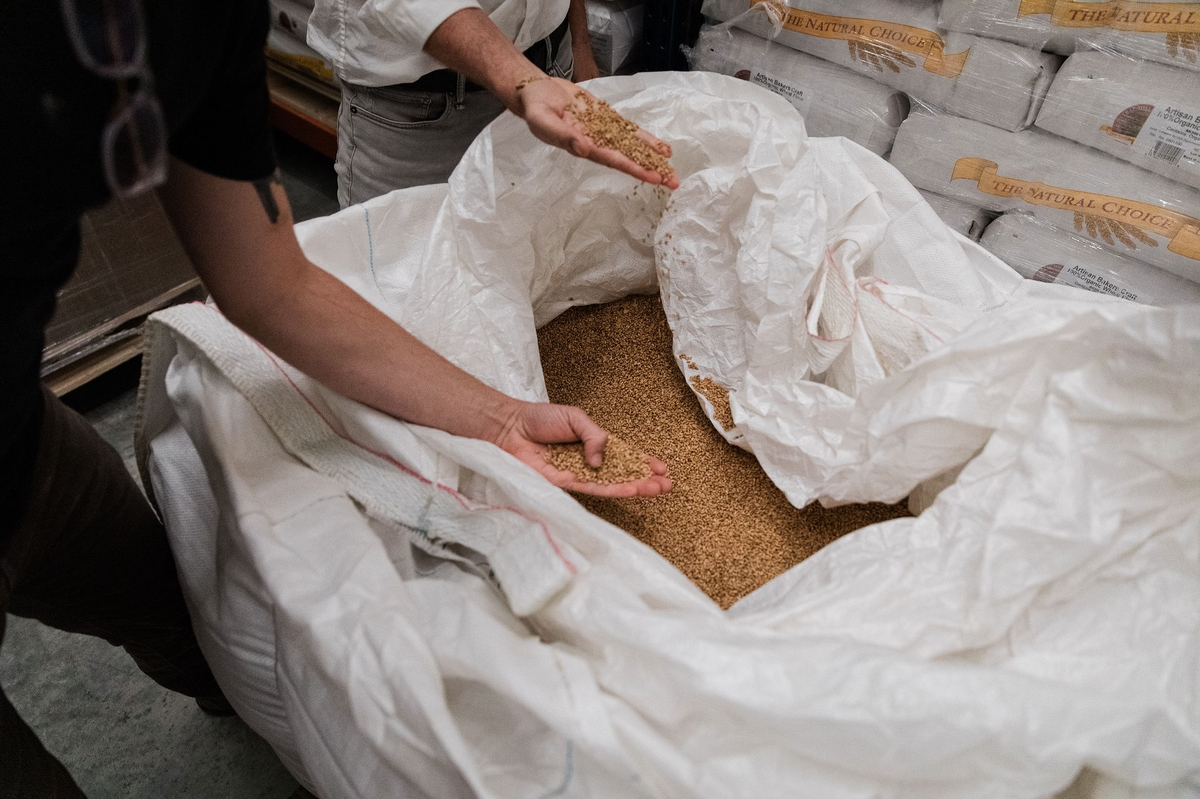
On that April day, a few hours after the mill arrived, so did a middle Tennessee farmer: Caney Fork Farm's Asher Wright came to unload the first order of Tennessee-grown, organic NuEast wheat.
"I almost cried again," said Erik.
The story of the mill is a love story. A husband and wife holding true to a vision despite fear, fire and great risk. A dear friend whose design + build team worked with pace, dedication and generosity.
But it's not just their story.
It's ours.
"This is for the community," Erik said.
Let's go back to the very beginning.
"Five or six years ago, we were sitting around a table," Erik remembers.
Bill Keener was there. He kept asking this one question:
Who's going to revive the local grain economy?
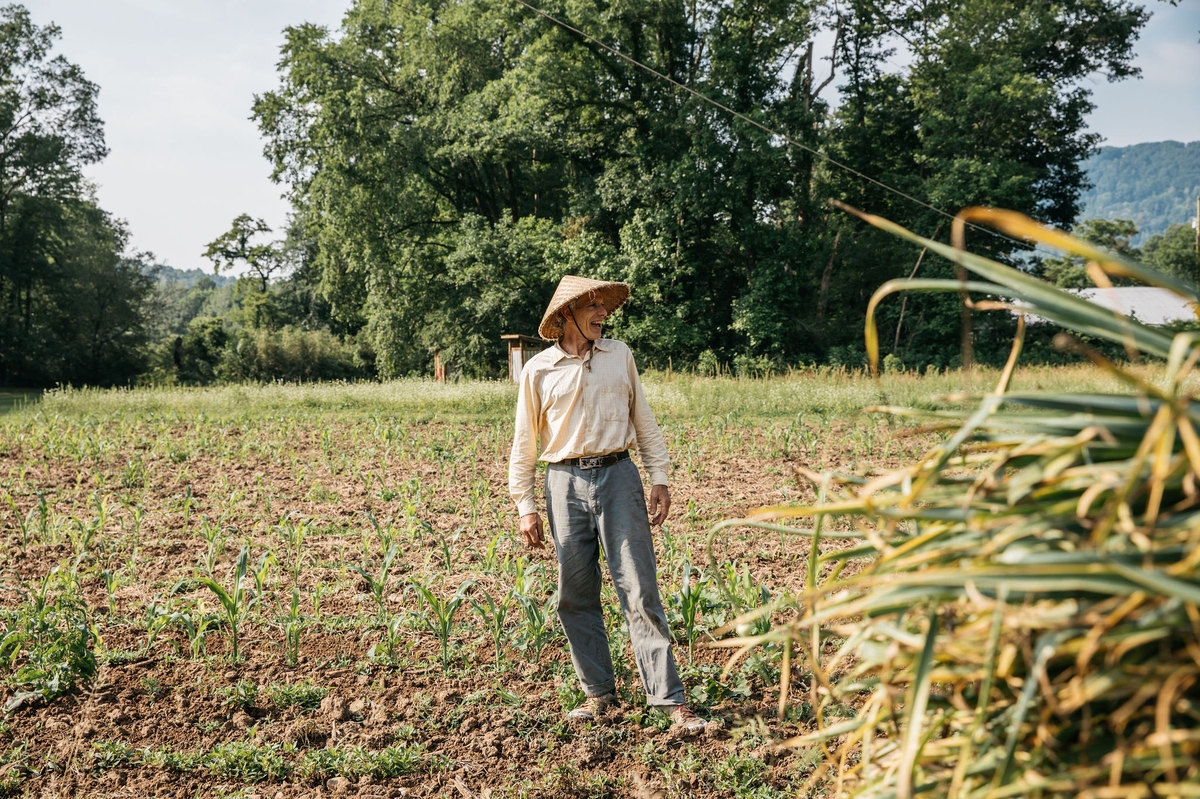
We at Food as a Verb heard it, too. In one of our very first stories, we walked a field of summer corn with Bill at his Sequatchie Cove Farm.
"Where are local grains?" he asked.
We didn't know.
"The future of local grains," said Bill. "Within the local food community, how can we introduce grains? To me, it is the final frontier."
It woke us up. Erik, too.
As Bill asked this question, a peculiar and particular part of Erik stirred on the inside, like a seed head breaking through the soil. He kept looking around, wondering who would step up and start milling.
"Nobody would take this part of it," he said.
He and Lauren turned it into their own question:
How many hands?
How many hands are involved in one Niedlov's loaf?
"There's too much separation between us and baking bread and the land it is coming from," he said.
At the time, they sourced their grain from Idaho's Central Milling, but began asking: could regional farmers grow more, or any, wheat?
This is where things turn really lovely.
As they began asking the question, more people showed up with answers.
Dr. Robin Fazio got involved. Sarah and I fell hard for this story. Ron and Cynthia Shaffer from Red Clay Farms let Erik mill on their Tyrolean stone mill. Then, Murray Brett and Dayspring Farms in north Georgia. The quest to revive our local grain economy had begun.
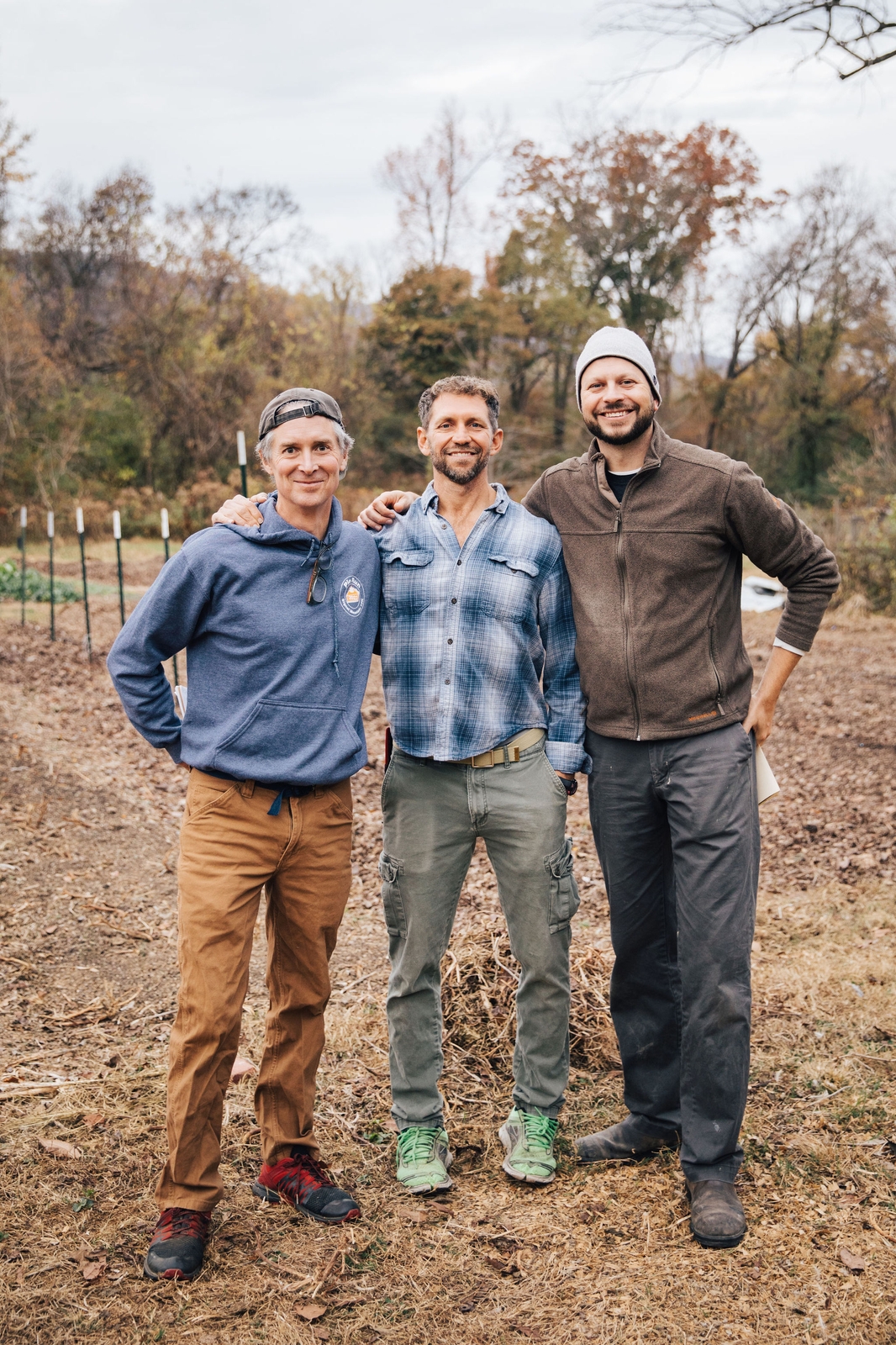
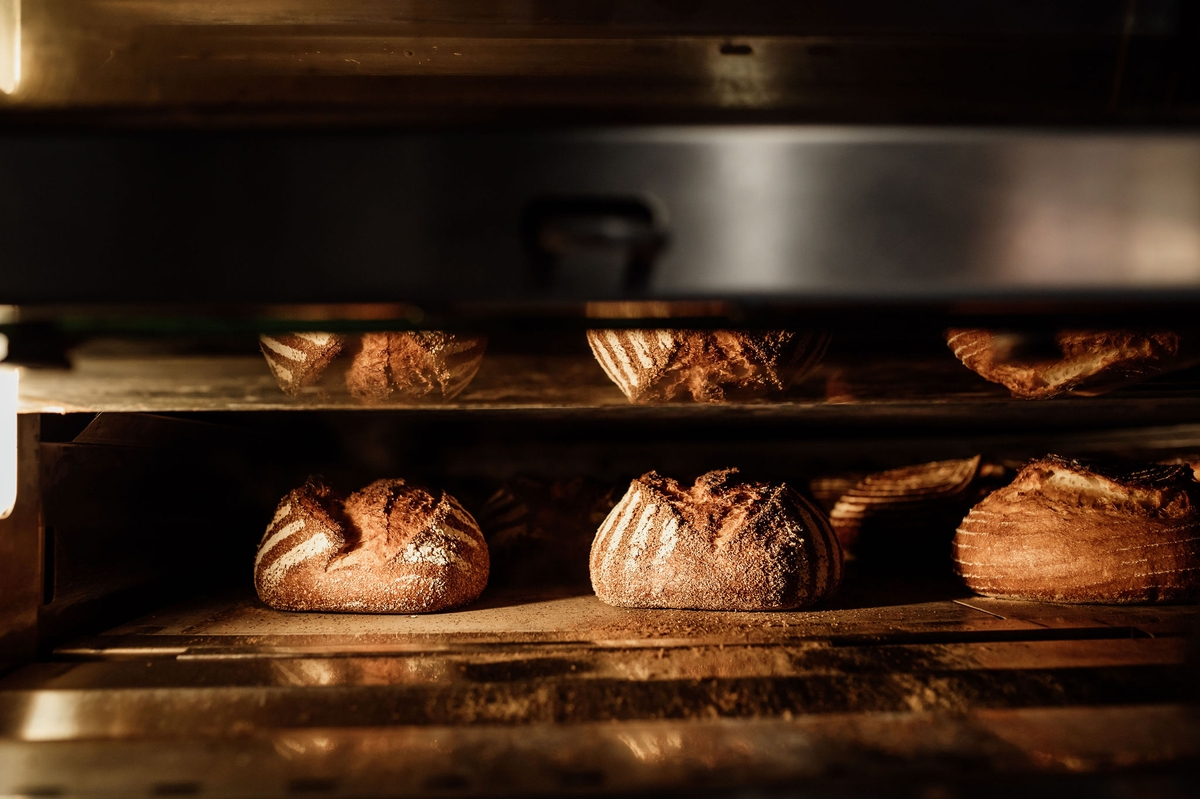
This all led to this: last year, Niedlov's introduced the Rogue loaf, Chattanooga's first modern local loaf.
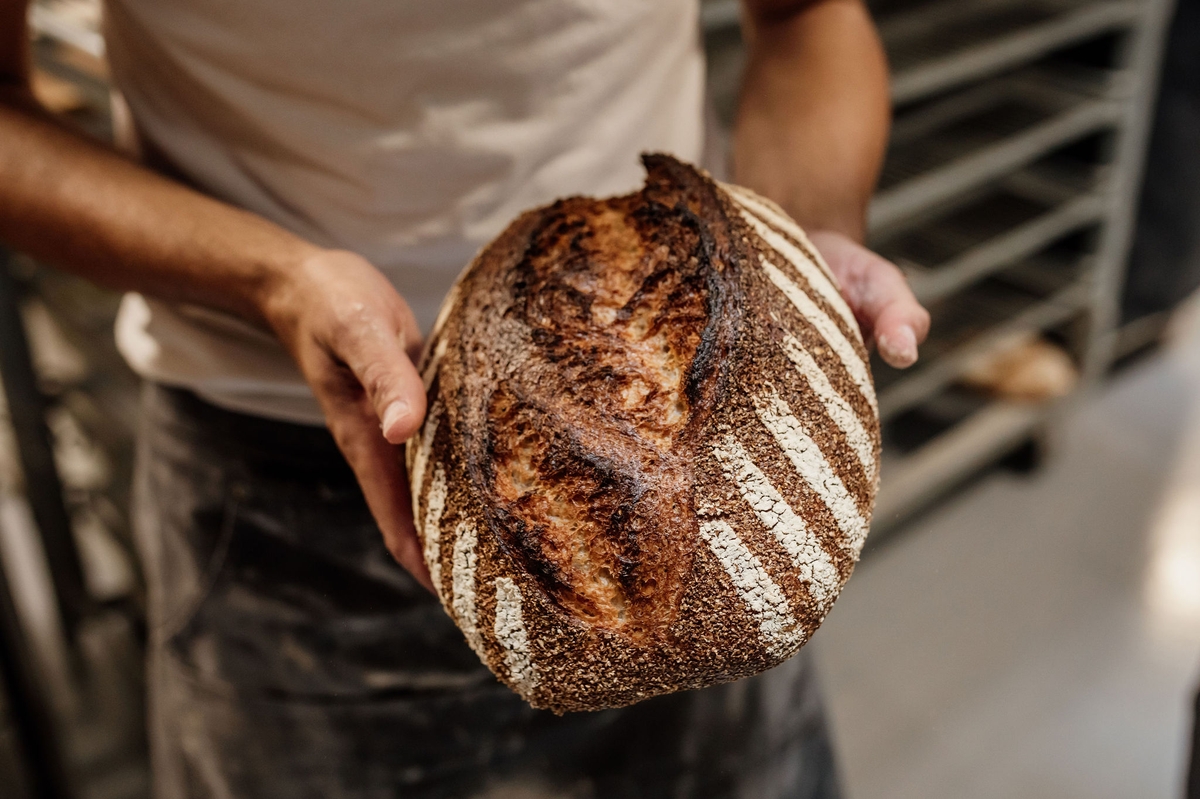
Then, Lauren and Erik began chewing on another question: what if ... what if ... Niedlov's had its own mill?
The question followed them far, wouldn't let go, even into Erik's dreams.
"Oh, yeah," he said.
It was the Hero's Journey — the Bakers' Journey — like that spiritual archetype. Erik and Lauren were being called into this. They couldn't not mill.
But saying yes is no easy thing. ("I don't want to mill," he'd mumble under his breath.)
This was a commitment — financial and energetic. The pandemic was still in the rearview mirror. The Zilens have a young family. Buying a mill would require more of them than any past decision since purchasing Niedlov's in 2014.
He and Lauren were around the dinner table one night. The kids had pushed their chairs in, taken their plates to the sink. The two were just talking.
I'm going to do it, he said. Somebody's going to have to pony up.
They placed an order with New American Mills in Vermont for a 40" stone mill.
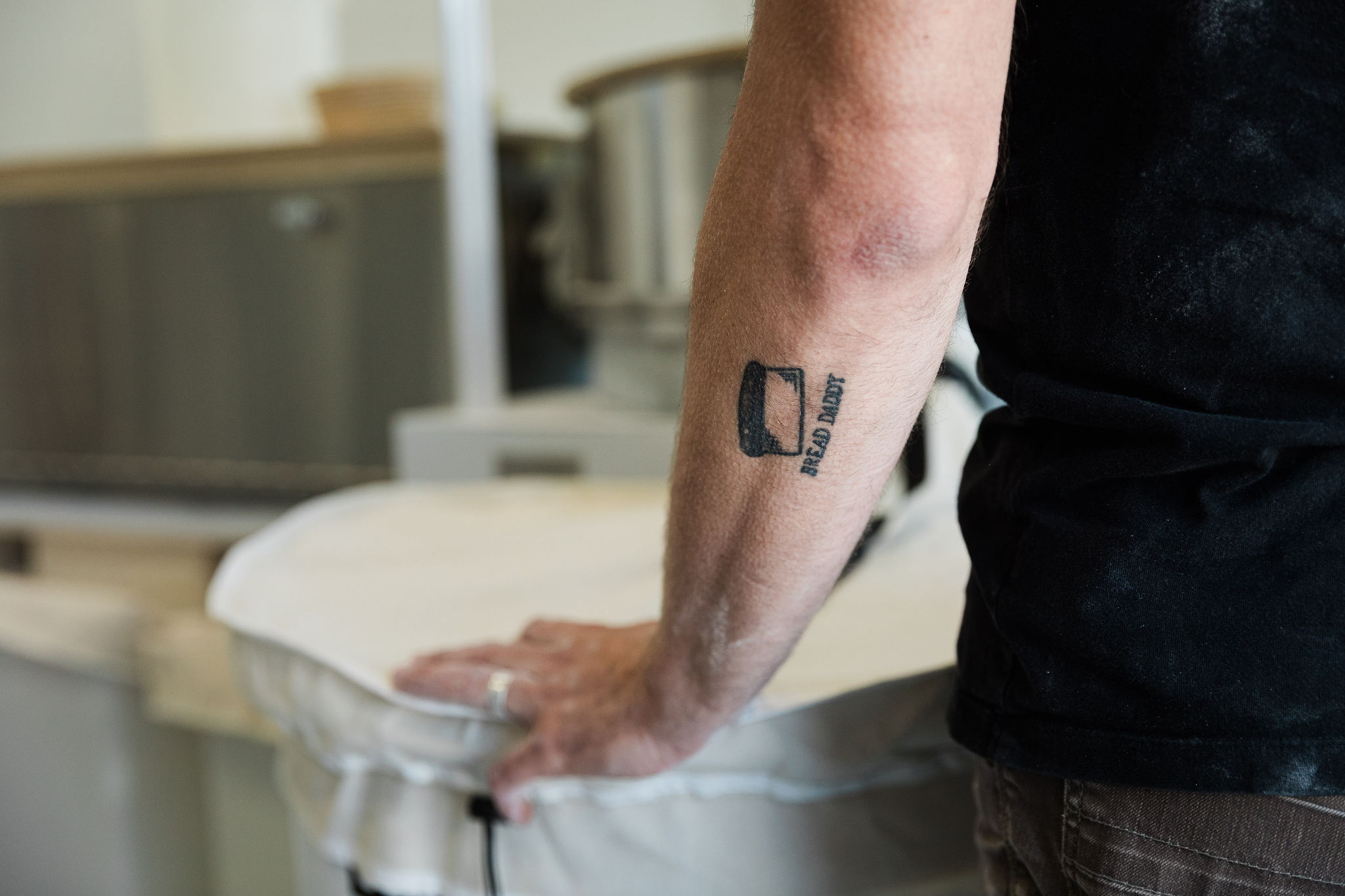
Then, the Zilens knew just who to call.
Welcome, Jeff Cannon.
Jeff's the owner and founder of Tucker Build and an old, precious friend to so many in town. More than a year ago, he and his team began renovating the back part of Niedlov's. The work was meticulous: even the outlets had to be unexposed, for example, not to allow the finest of fine particles to catch fire. A back room, adjacent to the loading dock, was renovated as a walk-in cooler, new office and the milling room.
Along the way, it impacted him, too; he began baking his own sourdough, learning more about ancient grains and American wheat.
Then, last fall, tragedy:
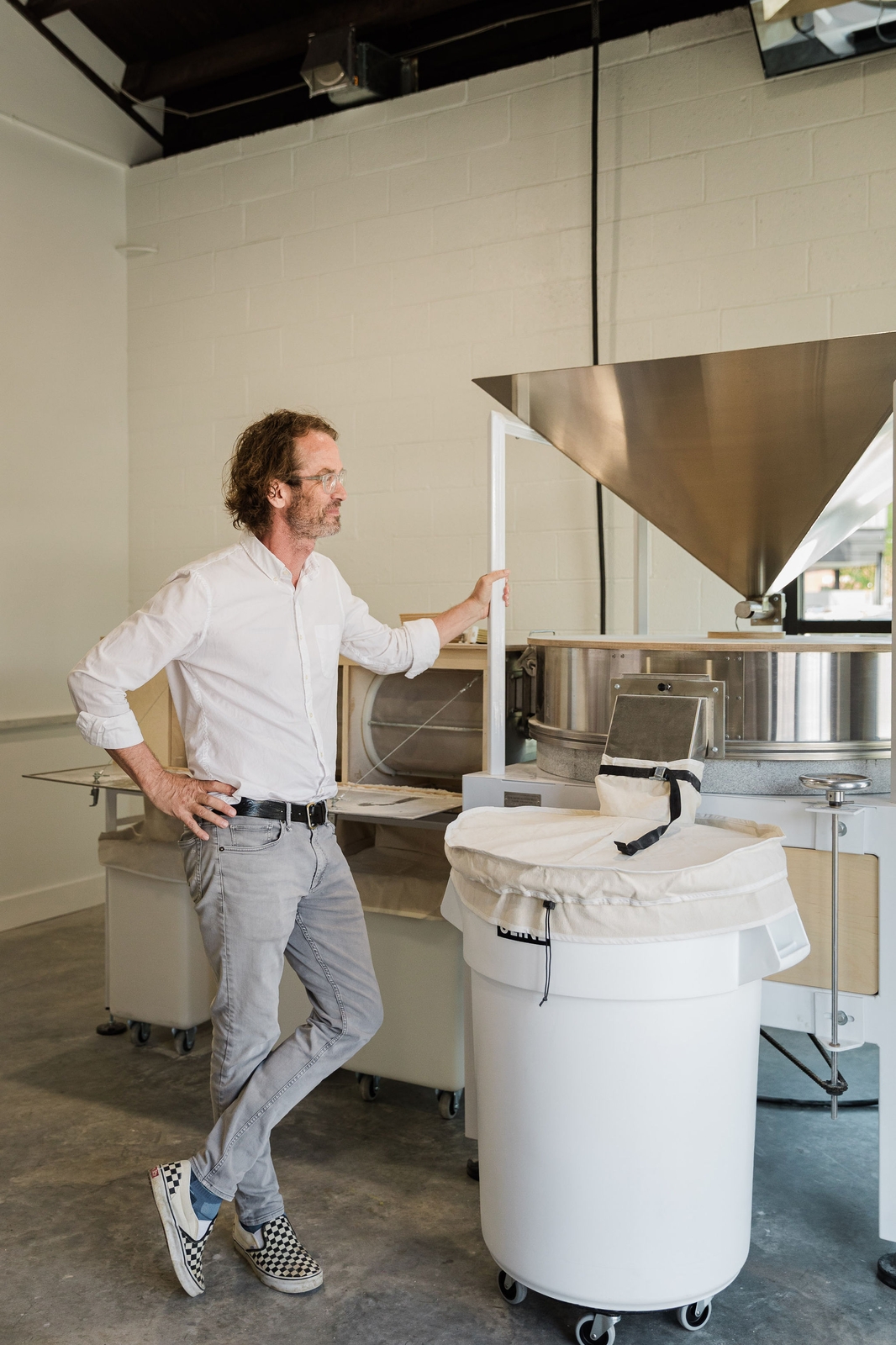
A fire.
In Vermont, New American Mills burned to the ground. With it, Niedlov's partially built mill.
New American Mill owners vowed to rebuild.
Internally, Erik and Lauren were beset with doubt. What have we done?
"I was in a bad spot," said Erik. "You just get lost."
Plus, increasing business demands pushed them even more into the business-side of Niedlov's. In his heart, Erik's a baker, not a businessman.
"I just want to make bread," he'd mumble to himself.
Then, a James Beard nomination.
Then, New American finished their mill and set a shipment date.
Then, multiple farmers called with good news: we have wheat growing. We can make this work.
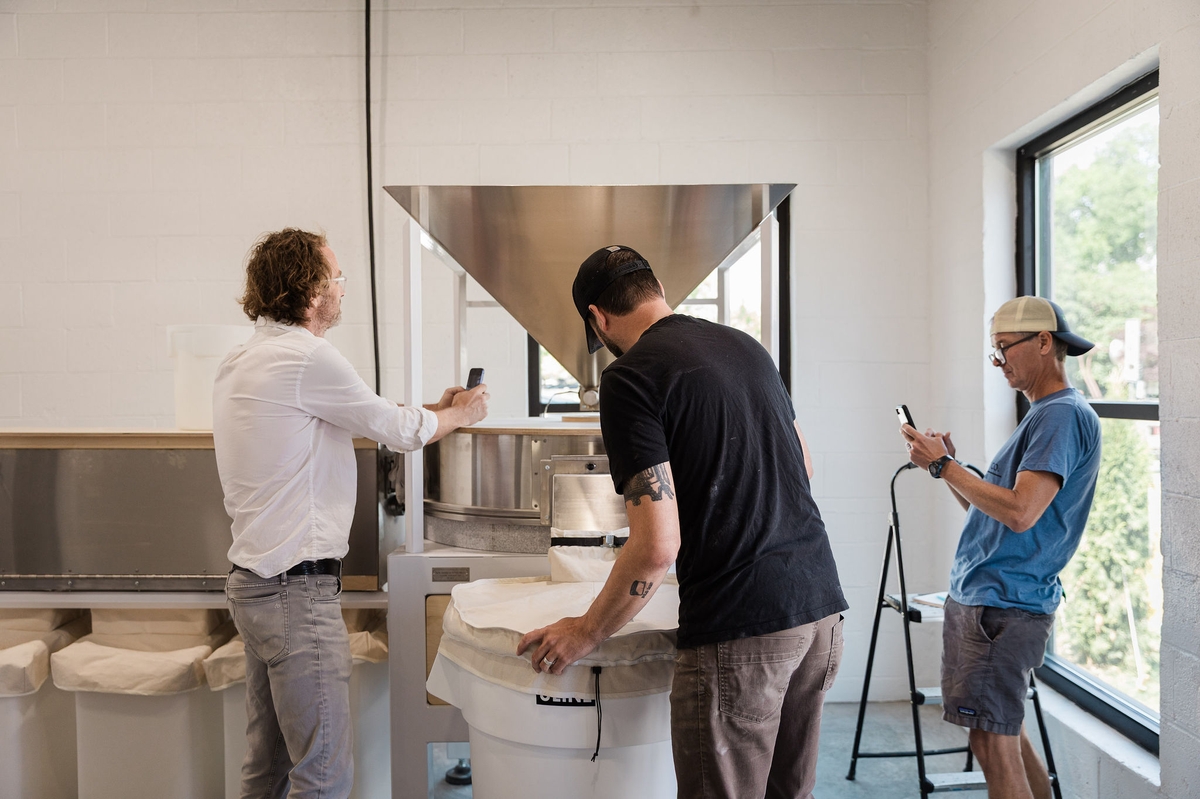
One month ago, the newly rebuilt New American Mills shipped its 40" stone mill to 215 East Main Street, along with a 43-page instruction manual, including some dire warnings. (NEVER NEVER RUN THE MILL W THE STONES TOUCHING WITHOUT GRAIN FLOWING INTIO IT!)
My gosh, it's beautiful.
Let's gawk.
Here's how it works.
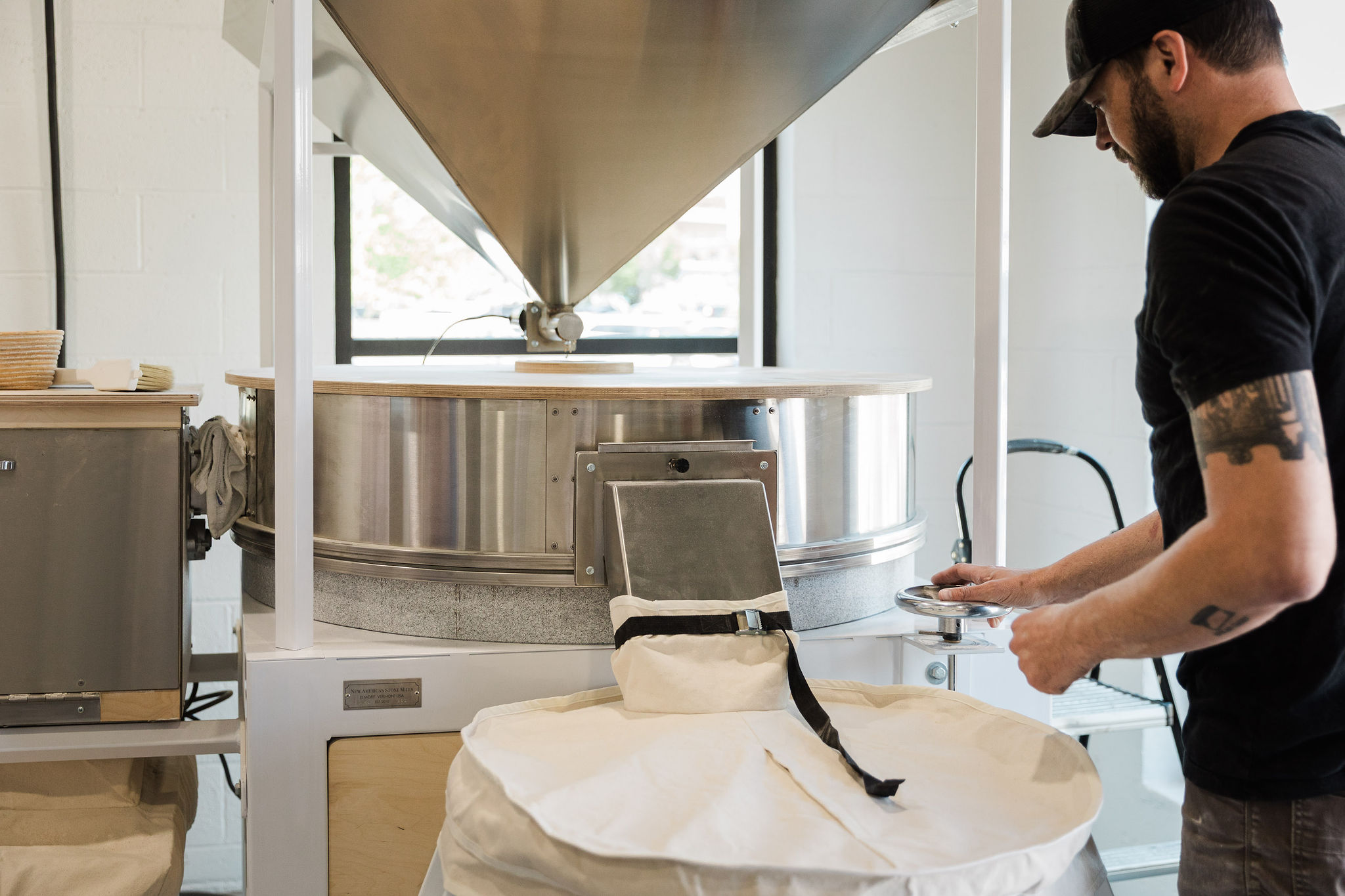
An electric auger turns two huge granite stones that sit one-on-top-of-another, like a stone sandwich bagel.
Organic grain is sourced from regional farmers who deliver to Niedlov's, where grain is kept in the new cooler.
Some grain comes from faraway, like farmers in Arizona, who are growing Sonora, the oldest wheat in America, and regional farmers who are trying other varieties, like Phoenix, Warthog and Catawba.
There's Asher at Caney Fork and Murray in north Georgia, even Mennonite farmers who still use horse-drawn carriages and one single community phone. ("You have to leave a message," said Erik.)
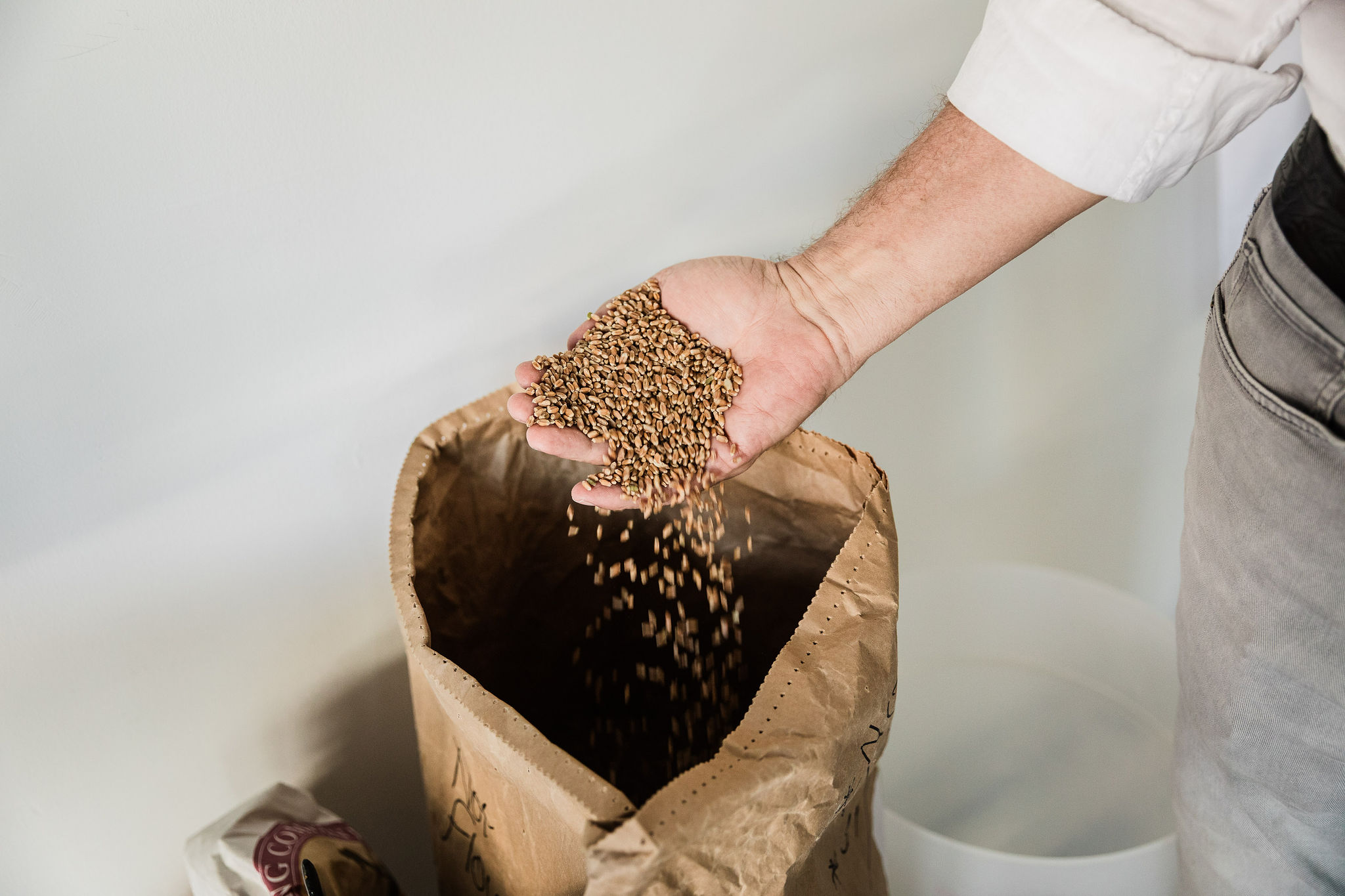
The grain goes into a bucket, which is hoisted up to the top of the mill, into a funnel.
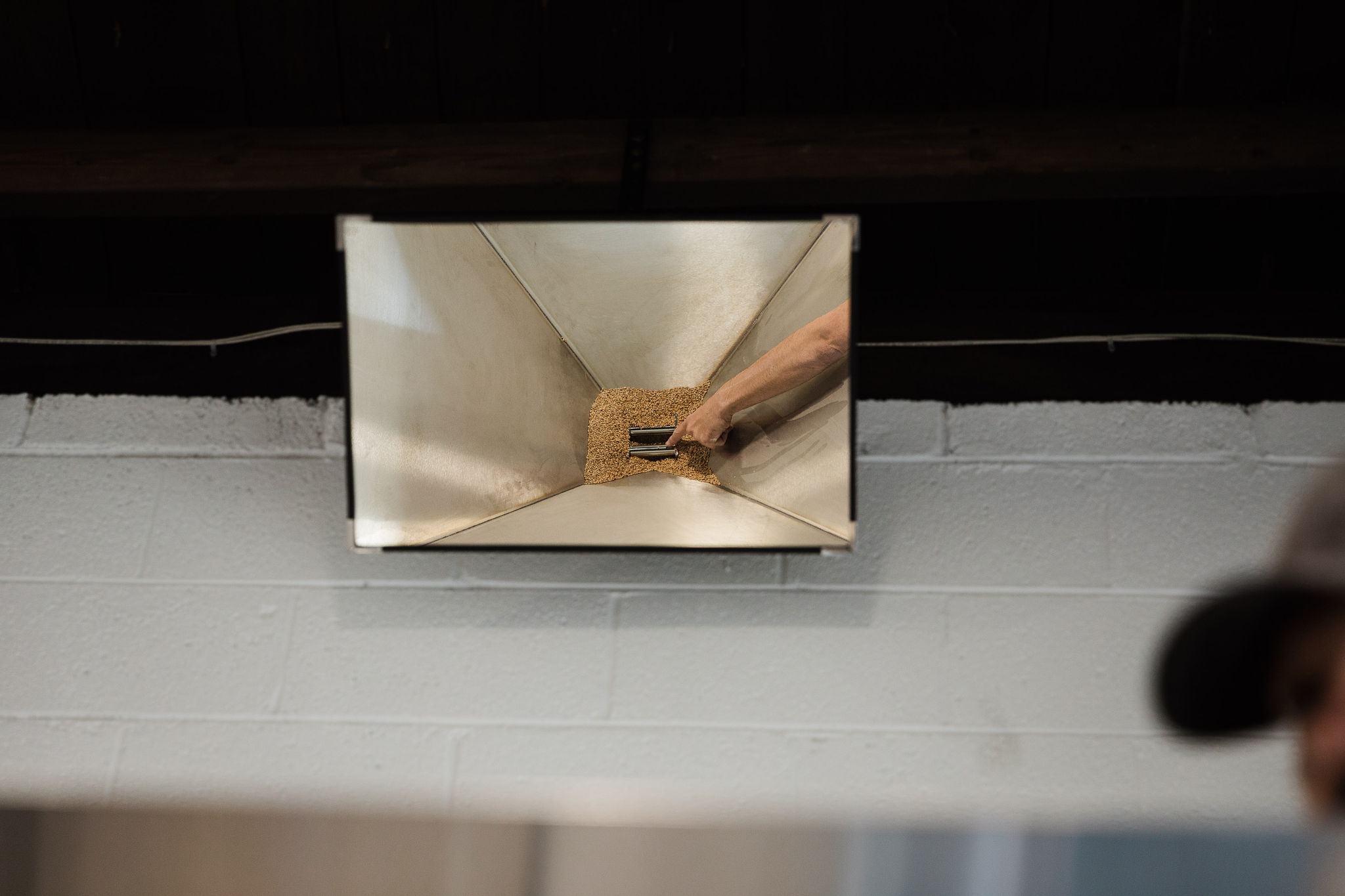
There's a mirror, so folks on the ground can see.
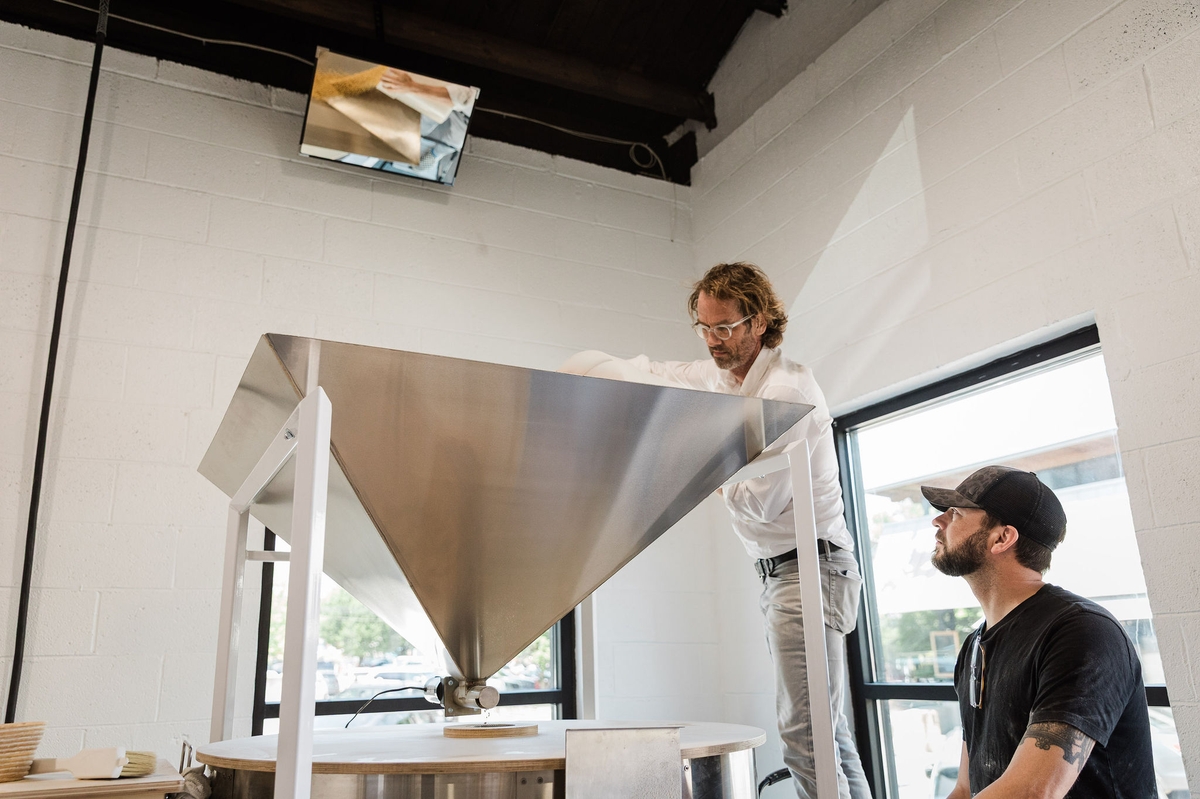
There's also a magnet, which catches any stray things that may not belong from the farm.
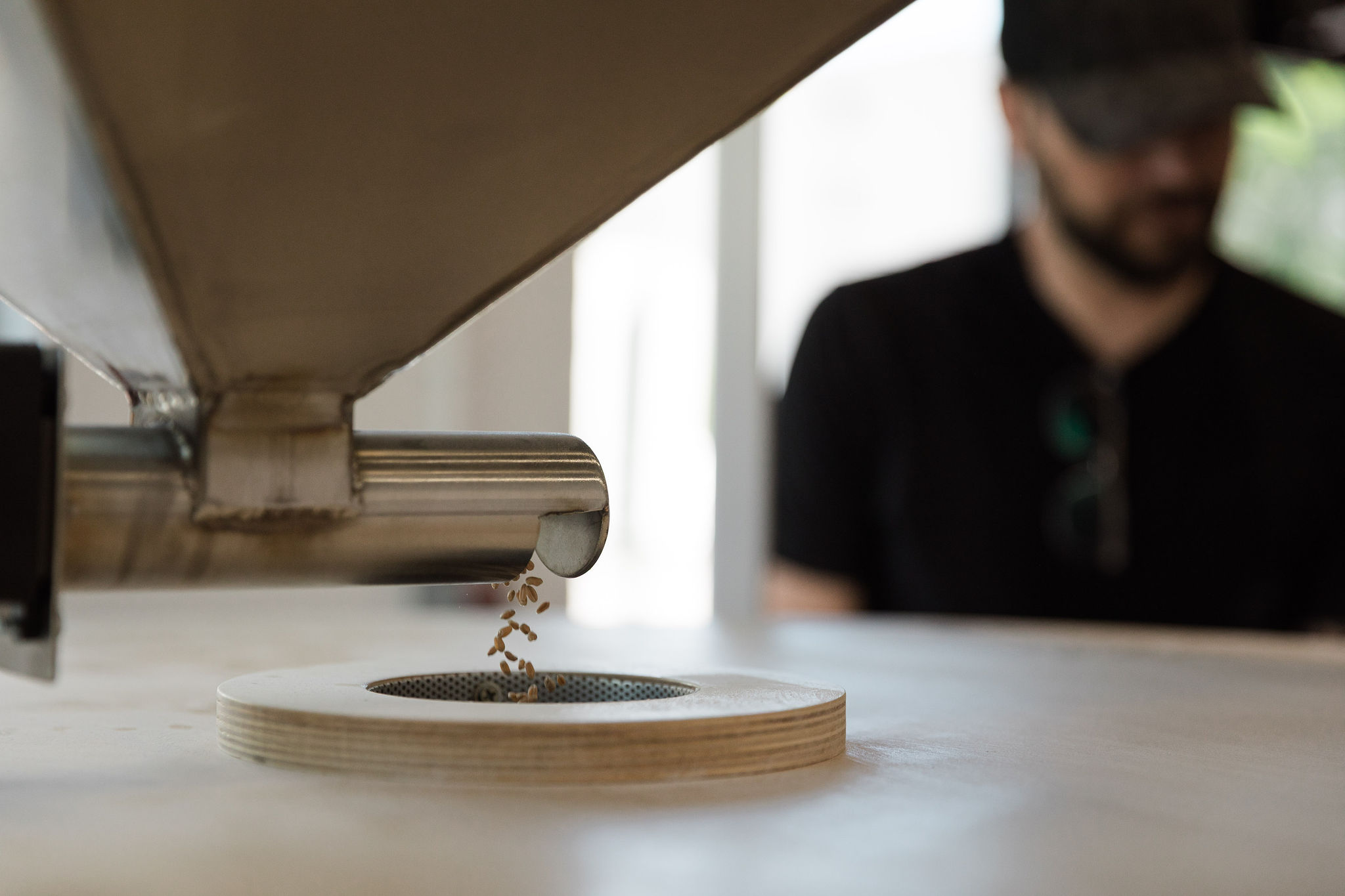
Grain is fed into the space between the stones, which turn counterclockwise. The amount of space between them is controlled by an arm on the outside, which Erik dials up or down, like a violinist warming up. Only the top stone spins.
"The grind between the two stones then centrifugal force sends it out," said Jeff.
It is raw granite and elemental and ancient.
"This is the same thing Prater's Mill is made of," said Jeff. "These two things you see are big millstones that have been around forever. That stone will outlive you for a long time."
The stones aren't grinding the wheat kernel.
"You're getting it to a point where you are bursting it open and then milling it," Erik said.
"You need to get it as fine as possible without damaging the starches."
"This is as much an art as it is a science," said Jeff.
Then, the miller has four choices.
The milled grain can remain whole wheat. The milled grain comes straight from the stone into a large container with cloth top.
This is whole wheat.
Or, the miller can divert the grain into a series of sifters running perpendicular to the stones.
Each sifter sifts from fine to finer to finest.
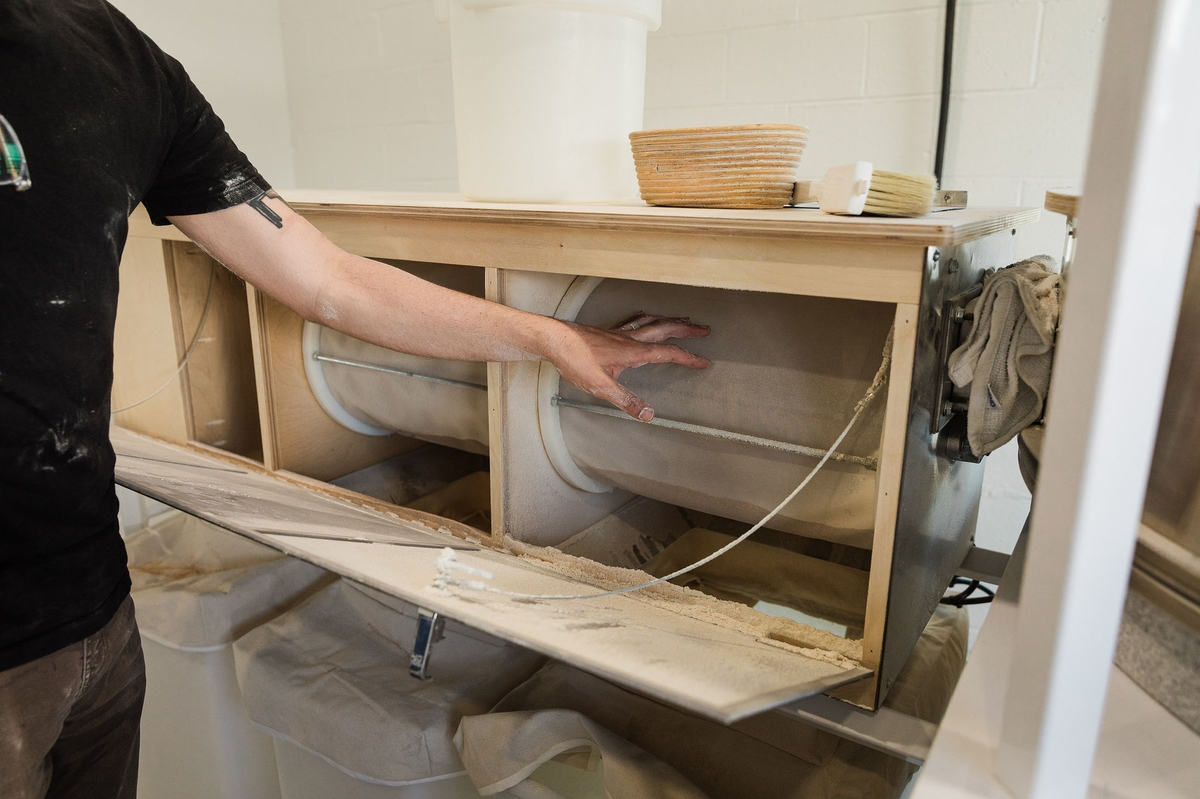
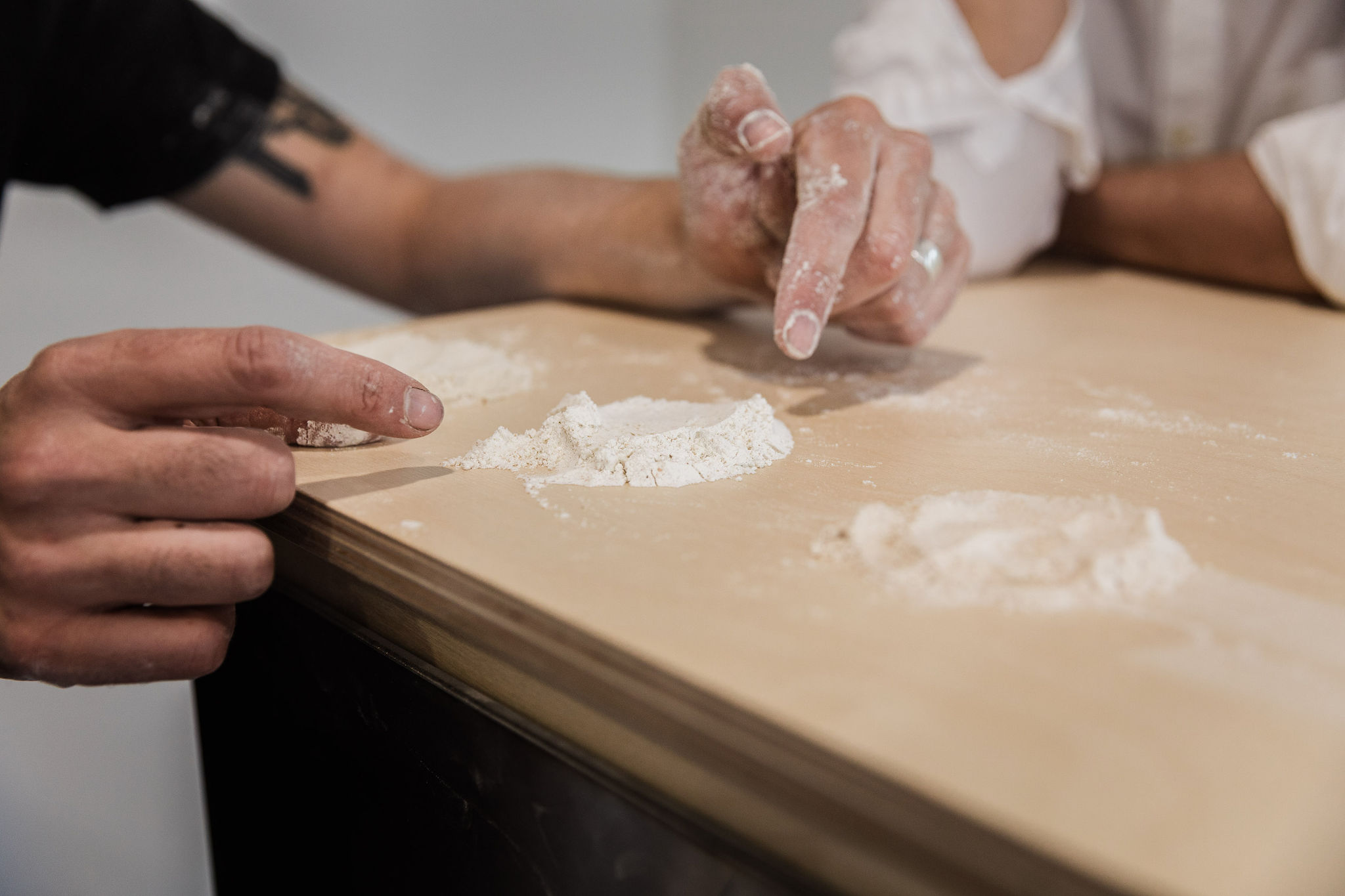
Erik and Jeff experiment with all three.
"It's biscuit time!" Erik shouts.
"It's beautiful, it's light, it's moist and it's keeping its shape," he said. "Oh my Lord, that's going to be so good.
"I can't wait to bake with that. This is what I'm supposed to be doing. I'm supposed to be baking bread."
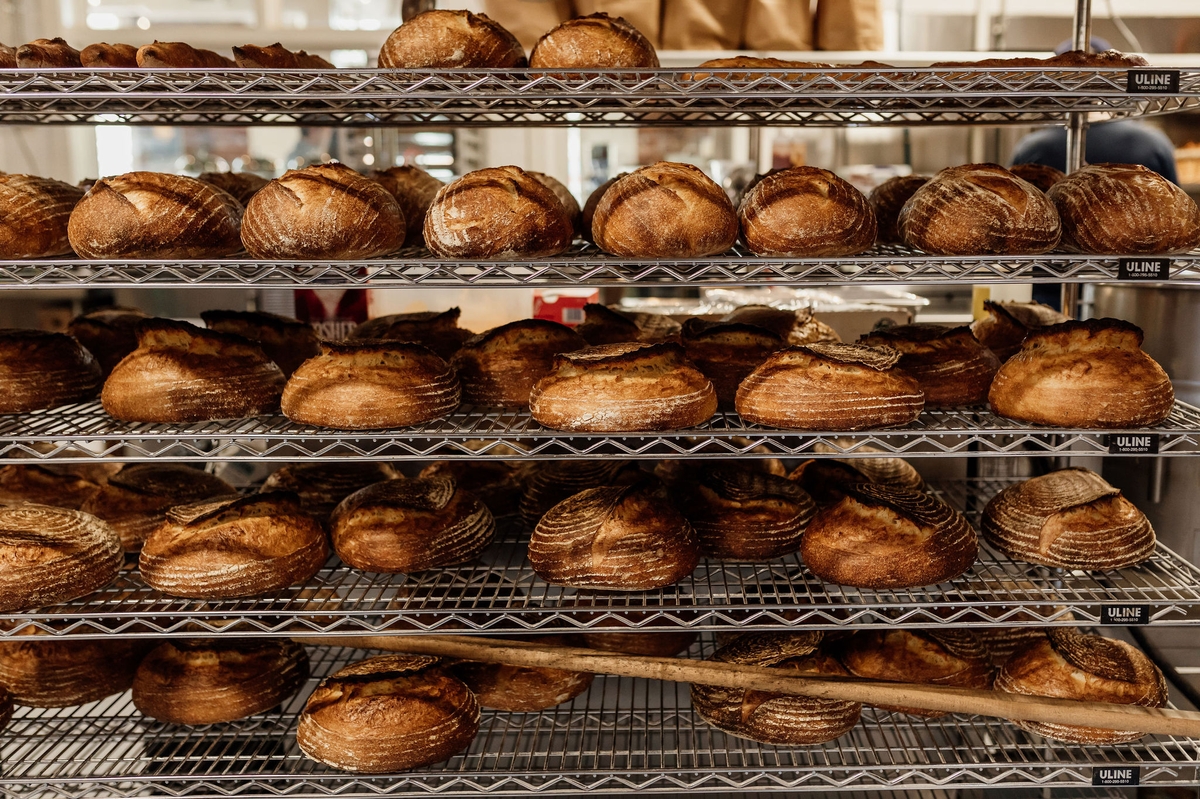
Soon, Niedlov's will begin milling for area restaurants, home bakers and brewers. Newly milled wheat flour will also be available on Niedlov's shelves later this summer under a new brand. Even a drive-thru window is possible.
In the meantime, Erik's continuing to modify, change, adapt.
"Erik spent years tweaking recipes to where they are now," said Jeff. "Now, he has to do this per batch, so he's nervous."
Erik loves something Kat Cox, a baker from Oklahoma, likes to say:
"She equated baking like an agricultural act," he said. "It really resonated. There was a separation between the bread and where it comes from."
And now?
The separation is gone. We could load up a bus and drive to see the entire process — from planting to growing to harvesting to milling — and be home in time for an early dinner.
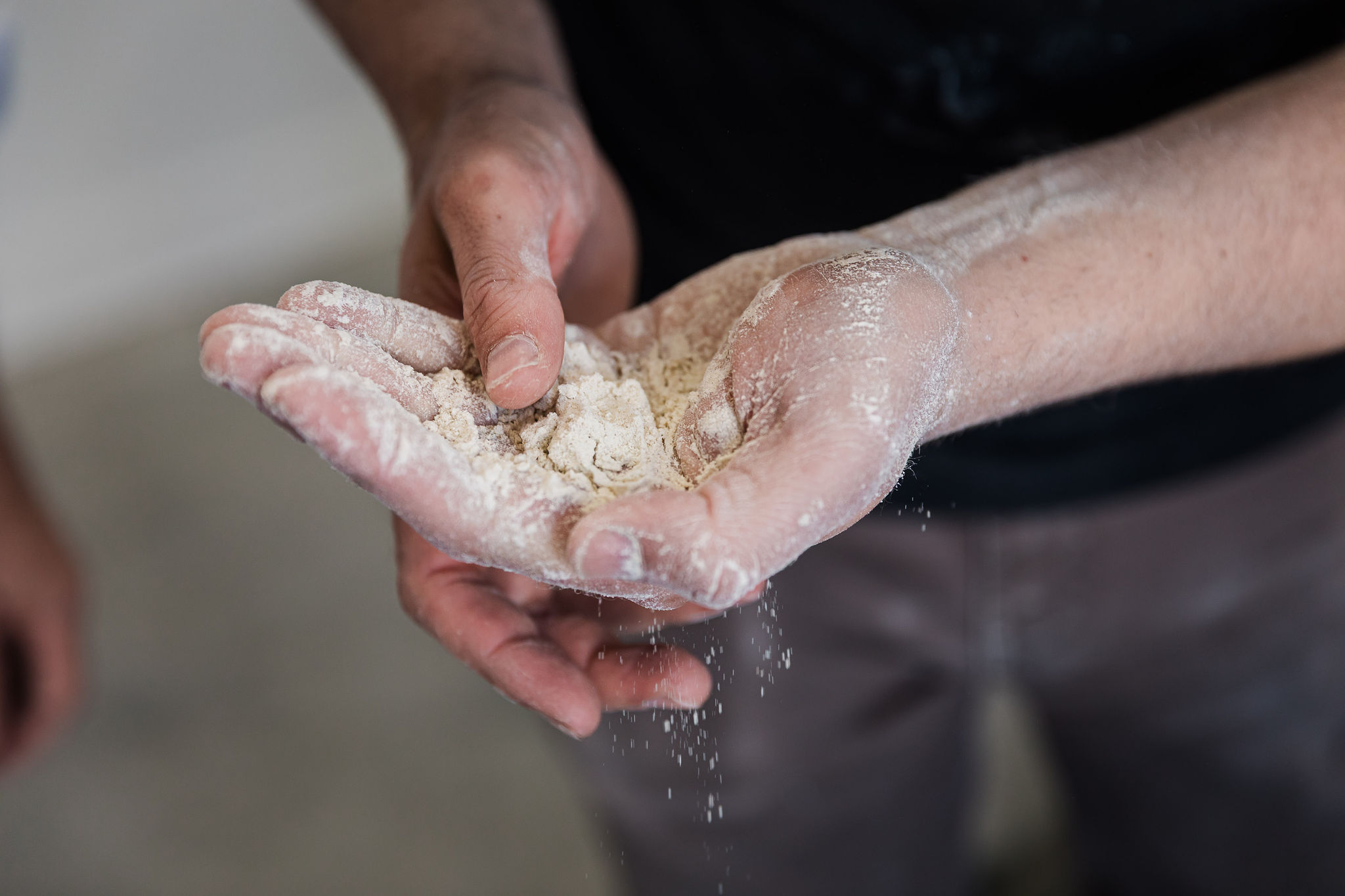
"This feels right," Erik said. "When a farmer has taken wheat from the farm freshly milled it and baked that loaf of bread, you cant deny it tastes better. We were intended to have that connection to it."
"This makes me feel grounded," he said. "It grounds you."
Into what?
"How important relationships are."
Some milled flour spilled to the ground. It's going to happen: at the work, at the bakery, in life.
Jeff touched it with the toe of his boot.

As the mill stones turned, Both friends spoke about the same thing: connection.
"This connection," Jeff said, "is reunifying. It puts you in connection where it's all coming from."
That first day, after mill was assembled and level, one wheat farmer sent Erik a text:
This feels like a milestone. Thankful for you and your time and your creativity to make this work.
"He was so happy," Erik said. "He texted three times."
That's the connection. From Keener question to a rogue Rouge journey to the trust between one family and friends to the resurrection of our region's grain economy.
"A connection between that biscuit and the land," said Erik. "I know where it came from and how much effort it took.
"This connection you feel.
"You can just taste it."
Story ideas, questions, feedback? Interested in partnering with us? Email: david@foodasaverb.com
This story is 100% human generated; no AI chatbot was used in the creation of this content.
On Monday, April 13, a FedEx truck beep-beep-backed its bumper up to the Main Street loading dock at Niedlov's Bakery. Inside the truck, a delivery from Vermont: two crates, pushing one ton, maybe more. The FedEx driver had a partner, but shrugged him off: this one's extra-special. I want to unload it myself.
He forklifted the crates, one by one, onto the Niedlov's loading dock like an arc or long-lost treasure.
Each contained wood and stone.
By nightfall, it had all been assembled and stood balanced and strong inside Niedlov's newly renovated backroom, where the walls have been painted stark white, like a museum.
The three people in the room — Lauren and Erik Zilen, owners of Niedlov's Bakery, and Tucker Build's Jeff Cannon — stood in awe. Also assembling itself: the final pages of a story they'd been writing for years.
"We all three cried," said Lauren.
Do you see it there in the background?
Niedlov's has its own mill.
It's one of the most beautiful things we've seen in Chattanooga.
The moment is one of the most meaningful in our local food people's history, as it marks the revival and resurrection of our local grain economy.
It feels like introducing this mill the way you would a newborn, like Simba being held high above the community. Come see. Come behold.
Is that too much? I don't think so.
Where else can you find local loaves of bread baked from organic wheat grown from regional farmers, harvested, cleaned and milled under the same roof as the bakery?
"It's adding an incredible variable," said Jeff, Tucker Build's owner and founder."It sets us up to be disrupted far less."
(In October, the Zilens are opening up their doors for a most special event: Bake Bread Together — where local bakers can bake loaves in the Niedlov's oven using flour from this new mill. Reduced tickets are offered for members of The Table. Reserve your spot here.)
The mill is both agricultural and communal, a time-traveled relic from a long-ago era. Working together, Niedlov's and Tucker Build have reintroduced one of the most important culinary relationships into modern Chattanooga.
Now, out in the fields, more wheat is growing. Because of this mill, the Main St. bakery has increased demand of Southern grown wheat, with at least three regional growers planting 100s of more acres of organic wheat each year.
On that April day, a few hours after the mill arrived, so did a middle Tennessee farmer: Caney Fork Farm's Asher Wright came to unload the first order of Tennessee-grown, organic NuEast wheat.
"I almost cried again," said Erik.
The story of the mill is a love story. A husband and wife holding true to a vision despite fear, fire and great risk. A dear friend whose design + build team worked with pace, dedication and generosity.
But it's not just their story.
It's ours.
"This is for the community," Erik said.
Let's go back to the very beginning.
"Five or six years ago, we were sitting around a table," Erik remembers.
Bill Keener was there. He kept asking this one question:
Who's going to revive the local grain economy?
We at Food as a Verb heard it, too. In one of our very first stories, we walked a field of summer corn with Bill at his Sequatchie Cove Farm.
"Where are local grains?" he asked.
We didn't know.
"The future of local grains," said Bill. "Within the local food community, how can we introduce grains? To me, it is the final frontier."
It woke us up. Erik, too.
As Bill asked this question, a peculiar and particular part of Erik stirred on the inside, like a seed head breaking through the soil. He kept looking around, wondering who would step up and start milling.
"Nobody would take this part of it," he said.
He and Lauren turned it into their own question:
How many hands?
How many hands are involved in one Niedlov's loaf?
"There's too much separation between us and baking bread and the land it is coming from," he said.
At the time, they sourced their grain from Idaho's Central Milling, but began asking: could regional farmers grow more, or any, wheat?
This is where things turn really lovely.
As they began asking the question, more people showed up with answers.
Dr. Robin Fazio got involved. Sarah and I fell hard for this story. Ron and Cynthia Shaffer from Red Clay Farms let Erik mill on their Tyrolean stone mill. Then, Murray Brett and Dayspring Farms in north Georgia. The quest to revive our local grain economy had begun.
This all led to this: last year, Niedlov's introduced the Rogue loaf, Chattanooga's first modern local loaf.
Then, Lauren and Erik began chewing on another question: what if ... what if ... Niedlov's had its own mill?
The question followed them far, wouldn't let go, even into Erik's dreams.
"Oh, yeah," he said.
It was the Hero's Journey — the Bakers' Journey — like that spiritual archetype. Erik and Lauren were being called into this. They couldn't not mill.
But saying yes is no easy thing. ("I don't want to mill," he'd mumble under his breath.)
This was a commitment — financial and energetic. The pandemic was still in the rearview mirror. The Zilens have a young family. Buying a mill would require more of them than any past decision since purchasing Niedlov's in 2014.
He and Lauren were around the dinner table one night. The kids had pushed their chairs in, taken their plates to the sink. The two were just talking.
I'm going to do it, he said. Somebody's going to have to pony up.
They placed an order with New American Mills in Vermont for a 40" stone mill.
Then, the Zilens knew just who to call.
Welcome, Jeff Cannon.
Jeff's the owner and founder of Tucker Build and an old, precious friend to so many in town. More than a year ago, he and his team began renovating the back part of Niedlov's. The work was meticulous: even the outlets had to be unexposed, for example, not to allow the finest of fine particles to catch fire. A back room, adjacent to the loading dock, was renovated as a walk-in cooler, new office and the milling room.
Along the way, it impacted him, too; he began baking his own sourdough, learning more about ancient grains and American wheat.
Then, last fall, tragedy:
A fire.
In Vermont, New American Mills burned to the ground. With it, Niedlov's partially built mill.
New American Mill owners vowed to rebuild.
Internally, Erik and Lauren were beset with doubt. What have we done?
"I was in a bad spot," said Erik. "You just get lost."
Plus, increasing business demands pushed them even more into the business-side of Niedlov's. In his heart, Erik's a baker, not a businessman.
"I just want to make bread," he'd mumble to himself.
Then, a James Beard nomination.
Then, New American finished their mill and set a shipment date.
Then, multiple farmers called with good news: we have wheat growing. We can make this work.
One month ago, the newly rebuilt New American Mills shipped its 40" stone mill to 215 East Main Street, along with a 43-page instruction manual, including some dire warnings. (NEVER NEVER RUN THE MILL W THE STONES TOUCHING WITHOUT GRAIN FLOWING INTIO IT!)
My gosh, it's beautiful.
Let's gawk.
Here's how it works.
An electric auger turns two huge granite stones that sit one-on-top-of-another, like a stone sandwich bagel.
Organic grain is sourced from regional farmers who deliver to Niedlov's, where grain is kept in the new cooler.
Some grain comes from faraway, like farmers in Arizona, who are growing Sonora, the oldest wheat in America, and regional farmers who are trying other varieties, like Phoenix, Warthog and Catawba.
There's Asher at Caney Fork and Murray in north Georgia, even Mennonite farmers who still use horse-drawn carriages and one single community phone. ("You have to leave a message," said Erik.)
The grain goes into a bucket, which is hoisted up to the top of the mill, into a funnel.
There's a mirror, so folks on the ground can see.
There's also a magnet, which catches any stray things that may not belong from the farm.
Grain is fed into the space between the stones, which turn counterclockwise. The amount of space between them is controlled by an arm on the outside, which Erik dials up or down, like a violinist warming up. Only the top stone spins.
"The grind between the two stones then centrifugal force sends it out," said Jeff.
It is raw granite and elemental and ancient.
"This is the same thing Prater's Mill is made of," said Jeff. "These two things you see are big millstones that have been around forever. That stone will outlive you for a long time."
The stones aren't grinding the wheat kernel.
"You're getting it to a point where you are bursting it open and then milling it," Erik said.
"You need to get it as fine as possible without damaging the starches."
"This is as much an art as it is a science," said Jeff.
Then, the miller has four choices.
The milled grain can remain whole wheat. The milled grain comes straight from the stone into a large container with cloth top.
This is whole wheat.
Or, the miller can divert the grain into a series of sifters running perpendicular to the stones.
Each sifter sifts from fine to finer to finest.
Erik and Jeff experiment with all three.
"It's biscuit time!" Erik shouts.
"It's beautiful, it's light, it's moist and it's keeping its shape," he said. "Oh my Lord, that's going to be so good.
"I can't wait to bake with that. This is what I'm supposed to be doing. I'm supposed to be baking bread."
Soon, Niedlov's will begin milling for area restaurants, home bakers and brewers. Newly milled wheat flour will also be available on Niedlov's shelves later this summer under a new brand. Even a drive-thru window is possible.
In the meantime, Erik's continuing to modify, change, adapt.
"Erik spent years tweaking recipes to where they are now," said Jeff. "Now, he has to do this per batch, so he's nervous."
Erik loves something Kat Cox, a baker from Oklahoma, likes to say:
"She equated baking like an agricultural act," he said. "It really resonated. There was a separation between the bread and where it comes from."
And now?
The separation is gone. We could load up a bus and drive to see the entire process — from planting to growing to harvesting to milling — and be home in time for an early dinner.
"This feels right," Erik said. "When a farmer has taken wheat from the farm freshly milled it and baked that loaf of bread, you cant deny it tastes better. We were intended to have that connection to it."
"This makes me feel grounded," he said. "It grounds you."
Into what?
"How important relationships are."
Some milled flour spilled to the ground. It's going to happen: at the work, at the bakery, in life.
Jeff touched it with the toe of his boot.
As the mill stones turned, Both friends spoke about the same thing: connection.
"This connection," Jeff said, "is reunifying. It puts you in connection where it's all coming from."
That first day, after mill was assembled and level, one wheat farmer sent Erik a text:
This feels like a milestone. Thankful for you and your time and your creativity to make this work.
"He was so happy," Erik said. "He texted three times."
That's the connection. From Keener question to a rogue Rouge journey to the trust between one family and friends to the resurrection of our region's grain economy.
"A connection between that biscuit and the land," said Erik. "I know where it came from and how much effort it took.
"This connection you feel.
"You can just taste it."
Story ideas, questions, feedback? Interested in partnering with us? Email: david@foodasaverb.com
This story is 100% human generated; no AI chatbot was used in the creation of this content.
Food as a verb thanks our story sponsor:
Food as a Verb Thanks our sustaining partner:
Food as a verb thanks our story sponsor:
Join our table

keep reading










.png)
