Onto the Next 250: the Way Barbecue Saves America
Happy Fifth of July, everyone.
Food as a verb thanks
for sponsoring this series
"Ever notice how people use the word 'barbecue' differently?" one friend said this week. "It depends on where they're from."
Down south, barbecue is used as a noun, describing a piece of meat slowly cooked over open flame.
As in: hand me some more barbecue.

Up north, though, barbecue is often used as a verb, describing the act — not the event — of grilling meat over open flame.
"It's their way of saying: let's grill out," my friend, a native Georgian, said.
As in: want to come over and barbecue?
In September 1889, there was a remarkable barbecue in Walker County. It was both a noun and a verb.
Designed to commemorate the Battle of Chickamauga, the barbecue brought together Union and Confederate veterans, old enemies from both sides of the war.
The event was part of larger work: to reunite the country by establishing military and national parks.
Thousands came.
Here's a description from the American Battlefield Trust:
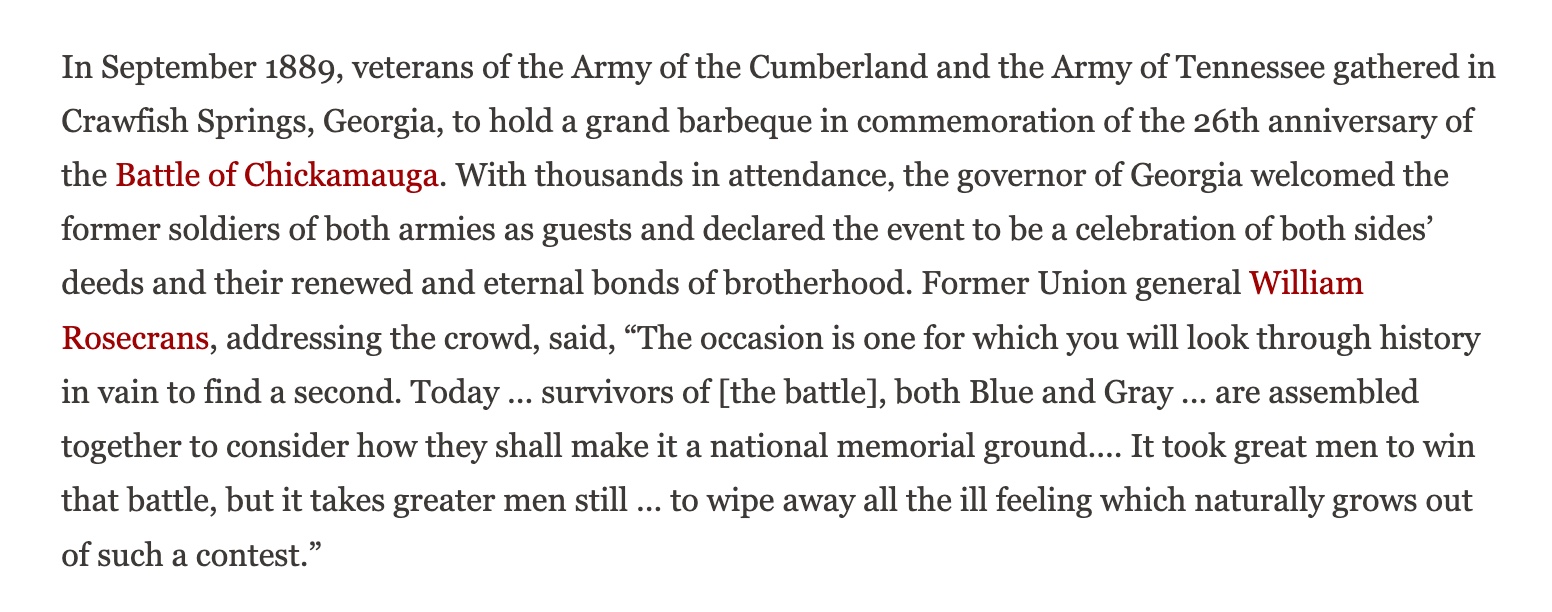
Notice that line from Gen. Rosecrans:
"It took great men to win that battle, but it takes greater men still ... to wipe away all the ill feeling which naturally grows out of such a contest."
Now, 137 years later, we are again confronting elements of both ill feelings and the reconciliation which requires, as Rosecrans called it, greater men and women intent on the wiping away.
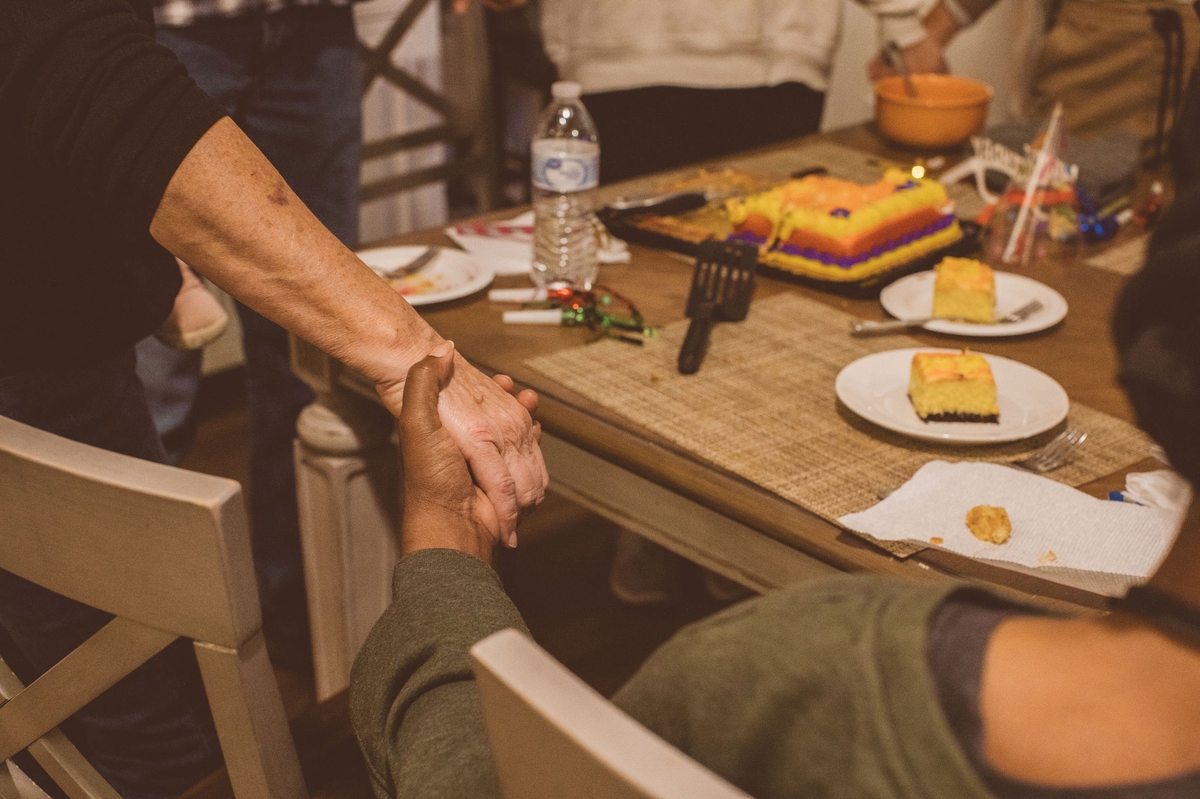
American felt really Big yesterday. As it should.
I was so proud, but it was more than just pride. I felt affirmation.
It was the day when the barbecue narrative won. Barbecue, as in: many Americans are not at war with one another.
Barbecue, as in: more of us seek and work towards connection and harmony than not.
The World Cup has shown us so much of this. Yes, it is grand spectacle, maybe the grandest, but the stories coming out of Little America Meets the Rest of the World are all affirming, all rooted in barbecue ethics.
So many of them center around food: ranch dressing, Texas barbecue, refills, McDonald's, Buc-ee's, Guinness running dry in New England.
Here's the fabulous Peggy Noonan of the Wall Street Journal:
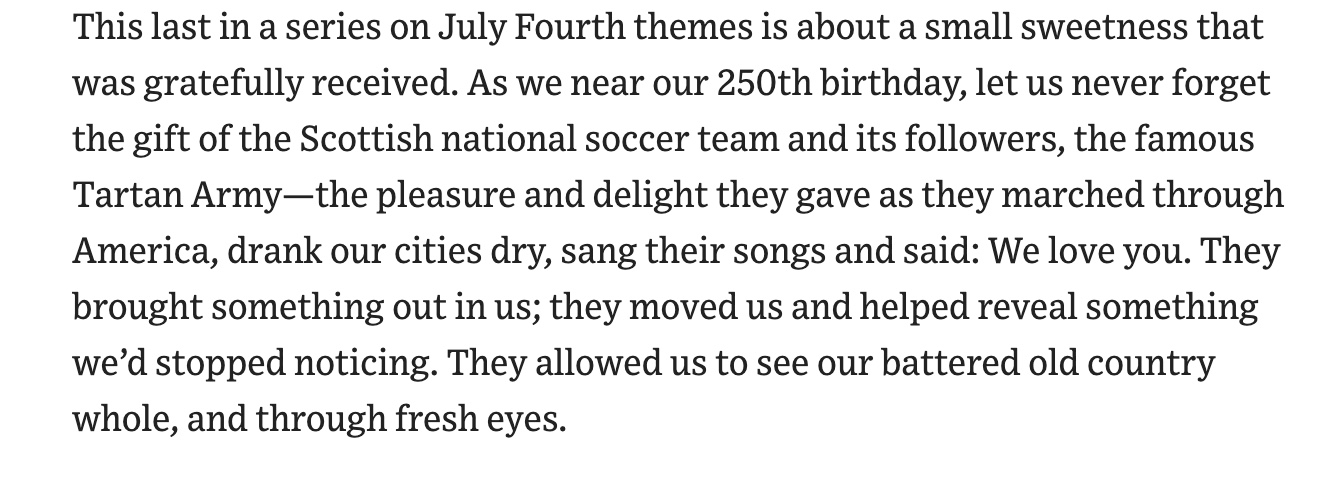
I love her last line there. They reminded us about us.
The wicked stepmother spell has been cast: believe what you see on your phones, screens. Division, hatred, emnity, strife.
We keep shouting: don't. It's not true. Well, it's not the only truth. It's not the majority truth. Here's Noonan once more:
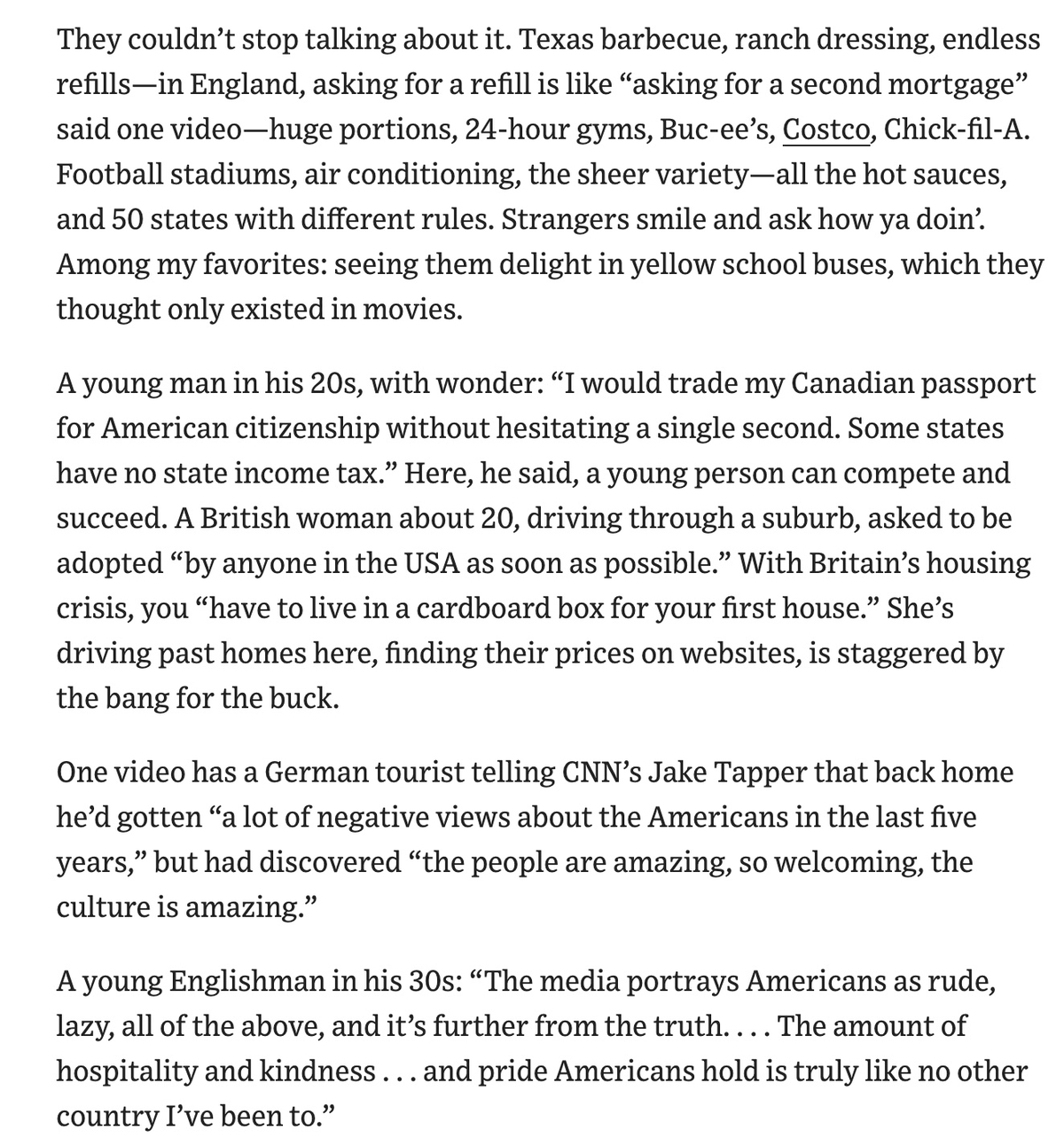
That's breaking the spell. Big America keeps telling us one thing, while Little America keeps proving it wrong.
It's all barbecue as noun + verb.
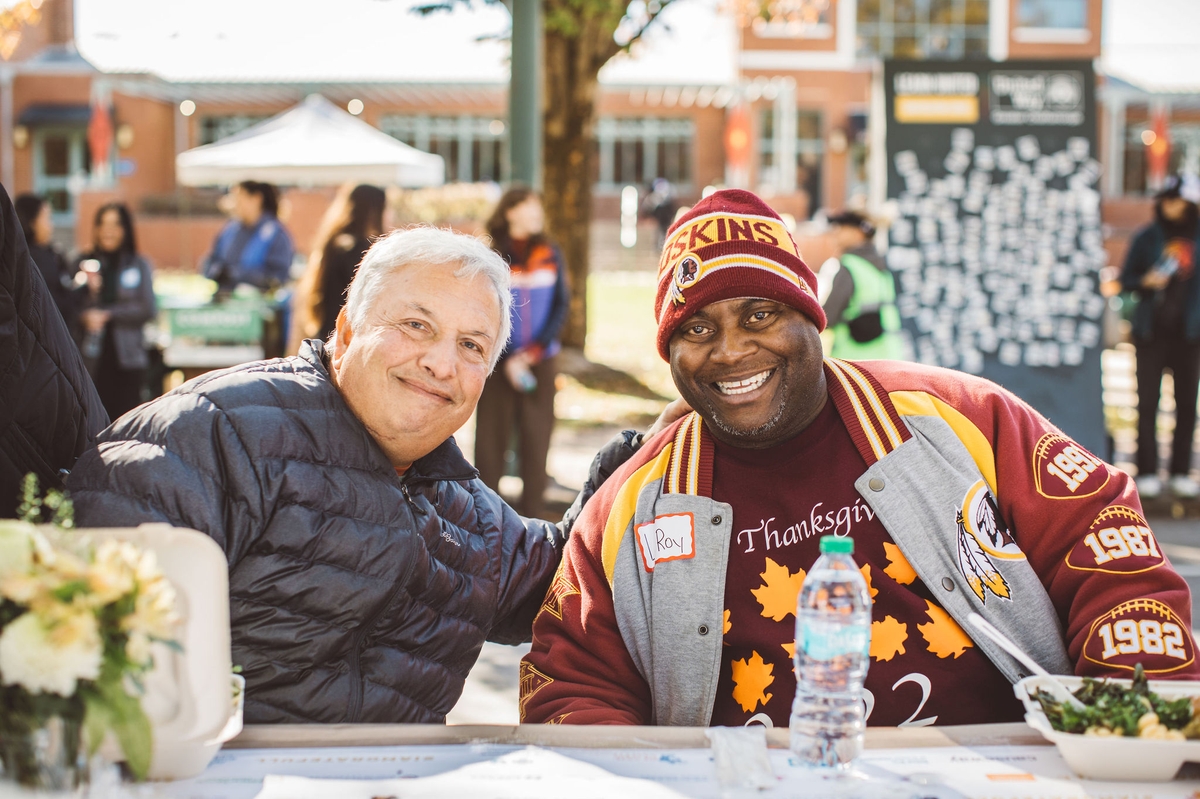
You've seen the quote swirling around the Internet: If you want to hate America, watch the news.
If you want to love America, drive across the country.
Or pay attention to the World Cup.
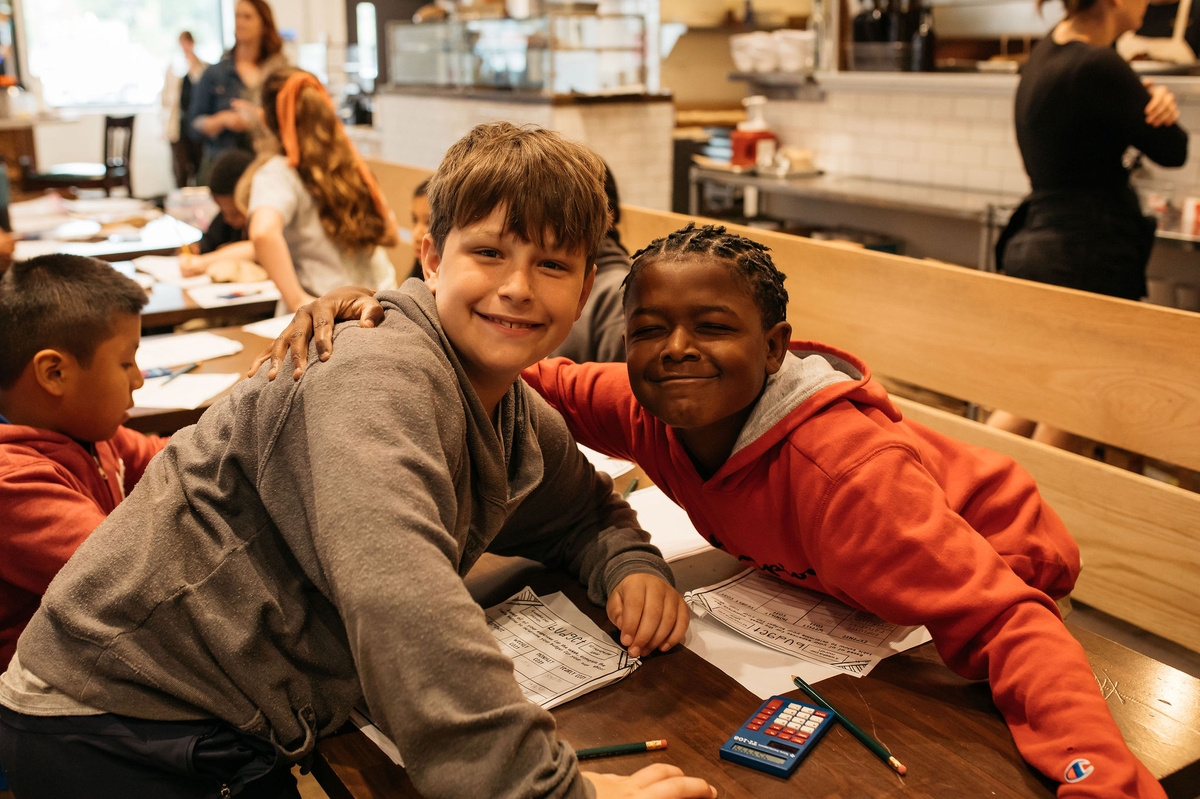
Or kids.
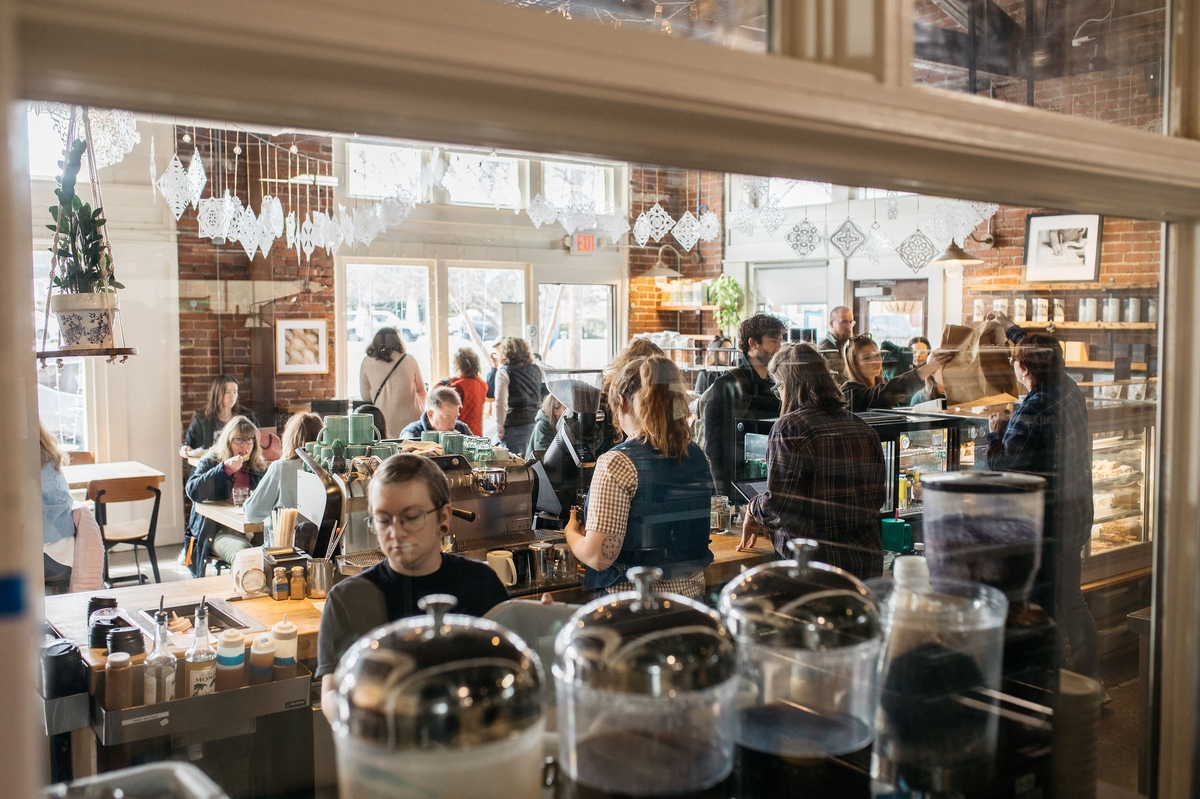
Or stand in line at Niedlov's.
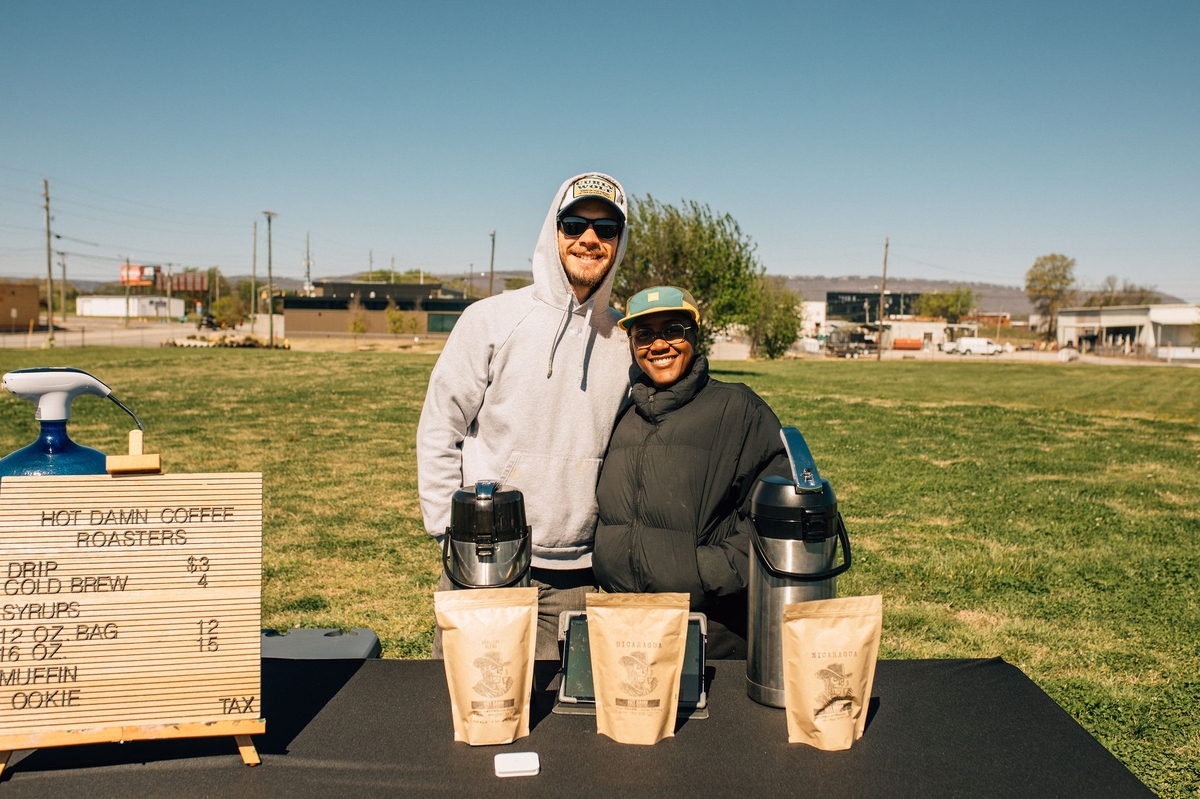
Or go to a farmers' market.
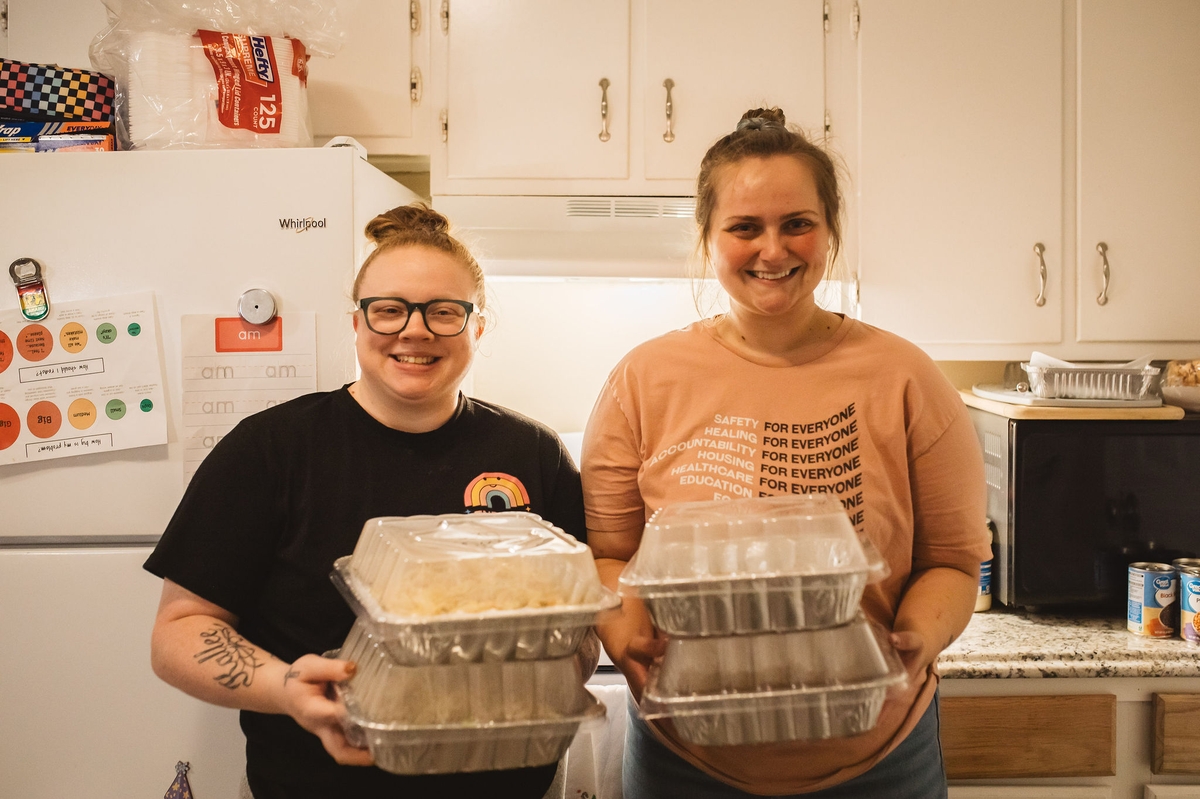
Or watch what happens inside grocery stores: from cashiers to strangers in line.
Or, we would humbly add, read Food as a Verb.
Yes, there is cultural rudeness, distance, a lack of concern. There is real violence.
And let's not overlook that celebrated 1887 barbecue. It was still established by white power: Black America was not offered a seat there.
So we aren't casting this as the epitome of healing when half our population, half our American family, isn't given a place at the table.
But when you begin to look for it — when you start playing the greatest, most healing game of I-Spy ever — you notice:
The ability and potential at daily acts of encounter that wipe away ill will are not only possible but prolific.
That's the barbecue.
That's the encounter.
Noun and verb.
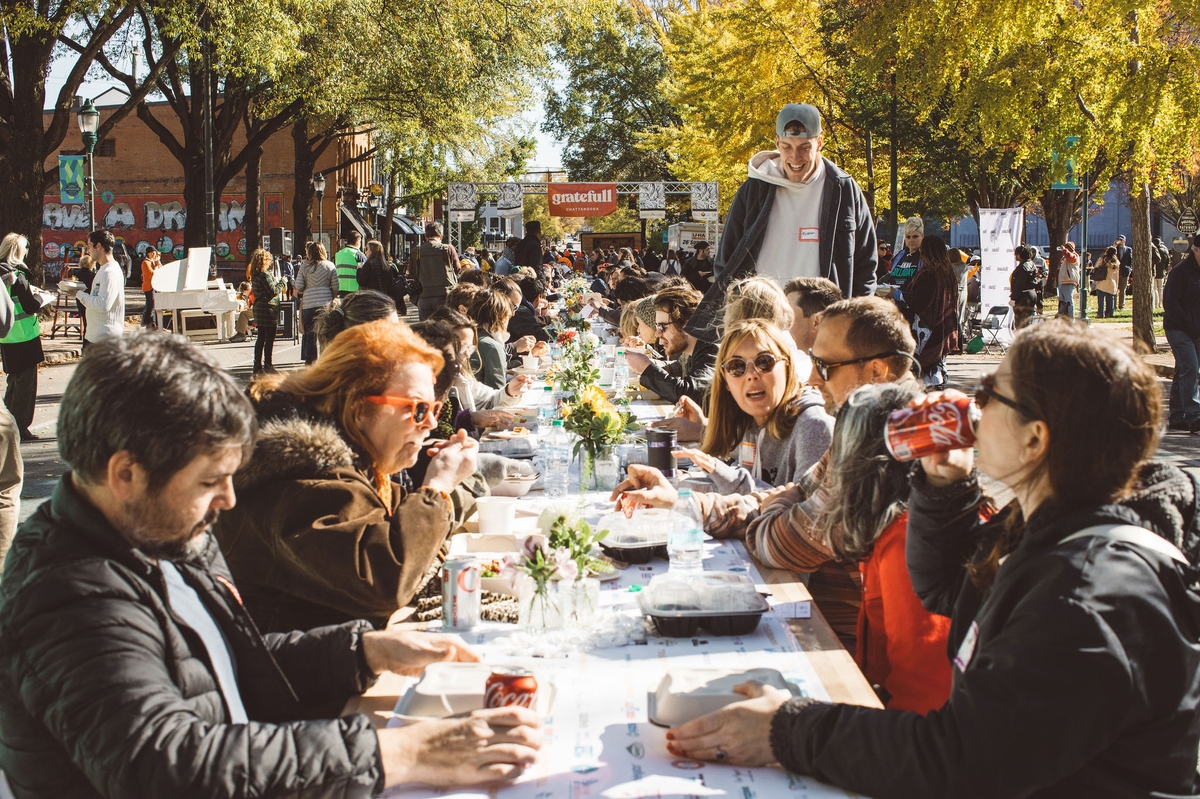
It is all un-reportable and insignificant to the headlines. No one in any newsroom is talking about these moments. These are our Fifth of July stories, as Little America keeps remaking itself, keeps America going. It is always these small encounters that make up life. A thousand million of them create our ongoing nation. Always small, always encounters.
The potential is made new every day.
Now, onto the next 250 years.
Story ideas, questions, feedback? Interested in partnering with us? Email: david@foodasaverb.com
This story is 100% human generated; no AI chatbot was used in the creation of this content.
food as a verb thanks our sustaining partner:
food as a verb thanks our story sponsor:
Rising Fawn Gardens
"Ever notice how people use the word 'barbecue' differently?" one friend said this week. "It depends on where they're from."
Down south, barbecue is used as a noun, describing a piece of meat slowly cooked over open flame.
As in: hand me some more barbecue.
Up north, though, barbecue is often used as a verb, describing the act — not the event — of grilling meat over open flame.
"It's their way of saying: let's grill out," my friend, a native Georgian, said.
As in: want to come over and barbecue?
In September 1889, there was a remarkable barbecue in Walker County. It was both a noun and a verb.
Designed to commemorate the Battle of Chickamauga, the barbecue brought together Union and Confederate veterans, old enemies from both sides of the war.
The event was part of larger work: to reunite the country by establishing military and national parks.
Thousands came.
Here's a description from the American Battlefield Trust:
Notice that line from Gen. Rosecrans:
"It took great men to win that battle, but it takes greater men still ... to wipe away all the ill feeling which naturally grows out of such a contest."
Now, 137 years later, we are again confronting elements of both ill feelings and the reconciliation which requires, as Rosecrans called it, greater men and women intent on the wiping away.
American felt really Big yesterday. As it should.
I was so proud, but it was more than just pride. I felt affirmation.
It was the day when the barbecue narrative won. Barbecue, as in: many Americans are not at war with one another.
Barbecue, as in: more of us seek and work towards connection and harmony than not.
The World Cup has shown us so much of this. Yes, it is grand spectacle, maybe the grandest, but the stories coming out of Little America Meets the Rest of the World are all affirming, all rooted in barbecue ethics.
So many of them center around food: ranch dressing, Texas barbecue, refills, McDonald's, Buc-ee's, Guinness running dry in New England.
Here's the fabulous Peggy Noonan of the Wall Street Journal:
I love her last line there. They reminded us about us.
The wicked stepmother spell has been cast: believe what you see on your phones, screens. Division, hatred, emnity, strife.
We keep shouting: don't. It's not true. Well, it's not the only truth. It's not the majority truth. Here's Noonan once more:
That's breaking the spell. Big America keeps telling us one thing, while Little America keeps proving it wrong.
It's all barbecue as noun + verb.
You've seen the quote swirling around the Internet: If you want to hate America, watch the news.
If you want to love America, drive across the country.
Or pay attention to the World Cup.
Or kids.
Or stand in line at Niedlov's.
Or go to a farmers' market.
Or watch what happens inside grocery stores: from cashiers to strangers in line.
Or, we would humbly add, read Food as a Verb.
Yes, there is cultural rudeness, distance, a lack of concern. There is real violence.
And let's not overlook that celebrated 1887 barbecue. It was still established by white power: Black America was not offered a seat there.
So we aren't casting this as the epitome of healing when half our population, half our American family, isn't given a place at the table.
But when you begin to look for it — when you start playing the greatest, most healing game of I-Spy ever — you notice:
The ability and potential at daily acts of encounter that wipe away ill will are not only possible but prolific.
That's the barbecue.
That's the encounter.
Noun and verb.
It is all un-reportable and insignificant to the headlines. No one in any newsroom is talking about these moments. These are our Fifth of July stories, as Little America keeps remaking itself, keeps America going. It is always these small encounters that make up life. A thousand million of them create our ongoing nation. Always small, always encounters.
The potential is made new every day.
Now, onto the next 250 years.
Story ideas, questions, feedback? Interested in partnering with us? Email: david@foodasaverb.com
This story is 100% human generated; no AI chatbot was used in the creation of this content.
Food as a verb thanks our story sponsor:
Food as a Verb Thanks our sustaining partner:
Food as a verb thanks our story sponsor:
Join our table

keep reading