

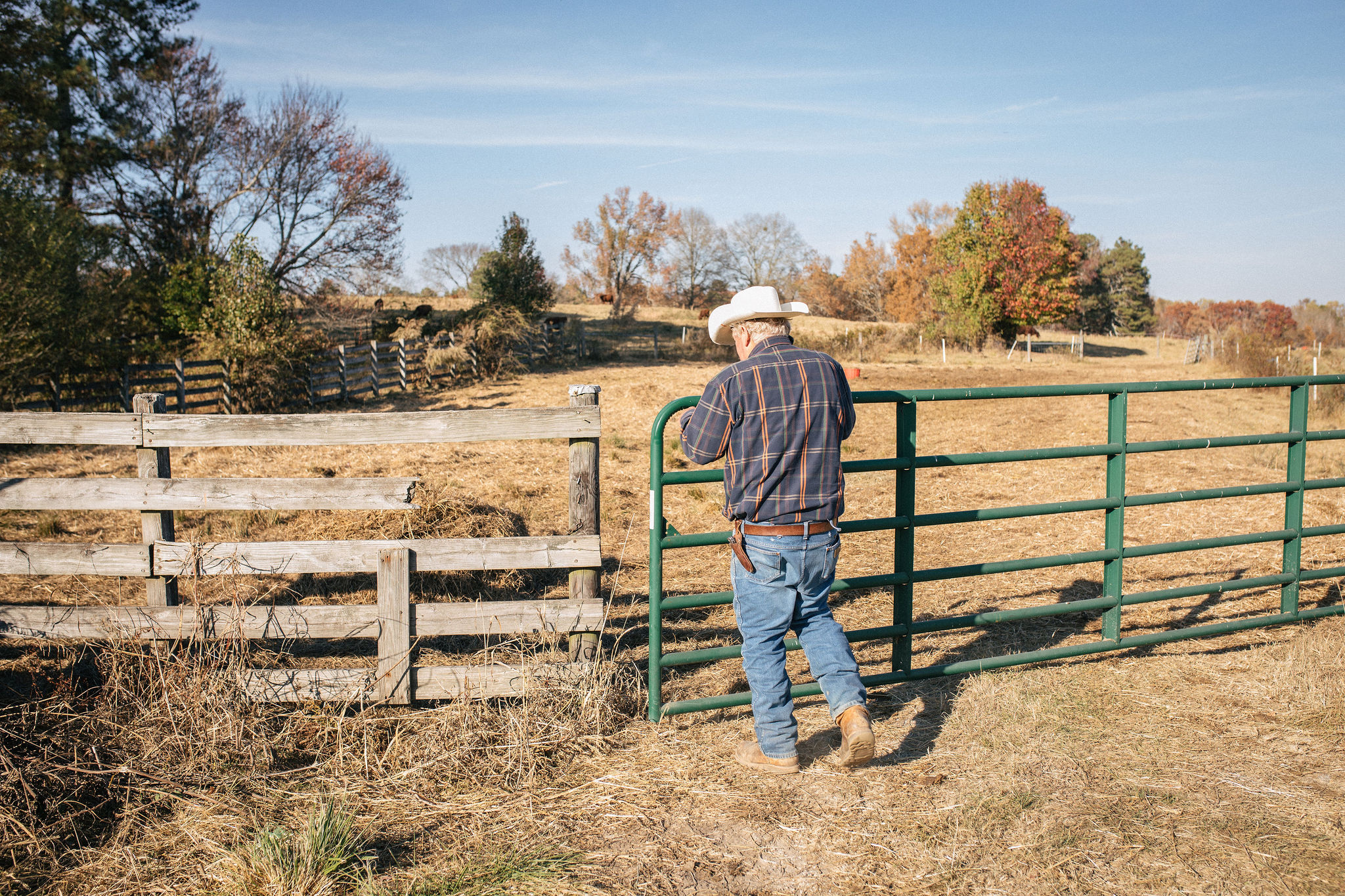
Pasture Gates and Tailgates: Brooks Lamb Talks With Peyton Hopkins
What's it like to farm with nature instead of against it?
Food as a verb thanks
for sponsoring this series
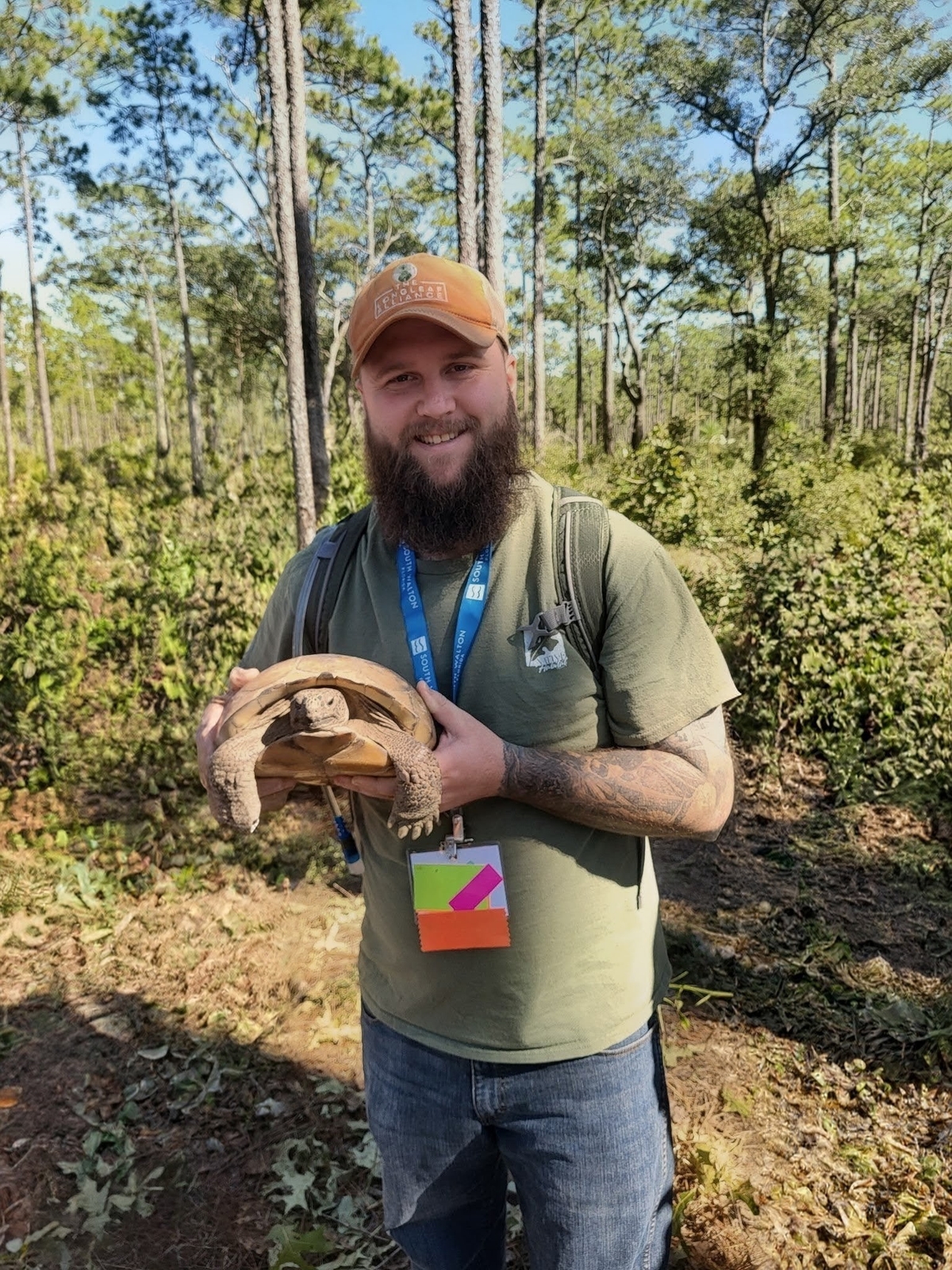
Peyton Hopkins, 30, grew up in Lincoln County, Tennessee, joined the Future Farmers of America in high school, then the US Army, deployed to Iraq and then returned home to build a career around regenerative agriculture — he managed a 2,000-acre livestock operation in Florida and protected natural resources and habitats at Elgin Air Force Base — before coming back to the Volunteer State.
He's here to support farmers and landowners as a regenerative agriculture specialist and conservationist.
But not that kind of conservationist.
"Conservation isn't about telling producers how to farm," he said. "It's about working alongside them and building on the stewardship they've practiced for generations."
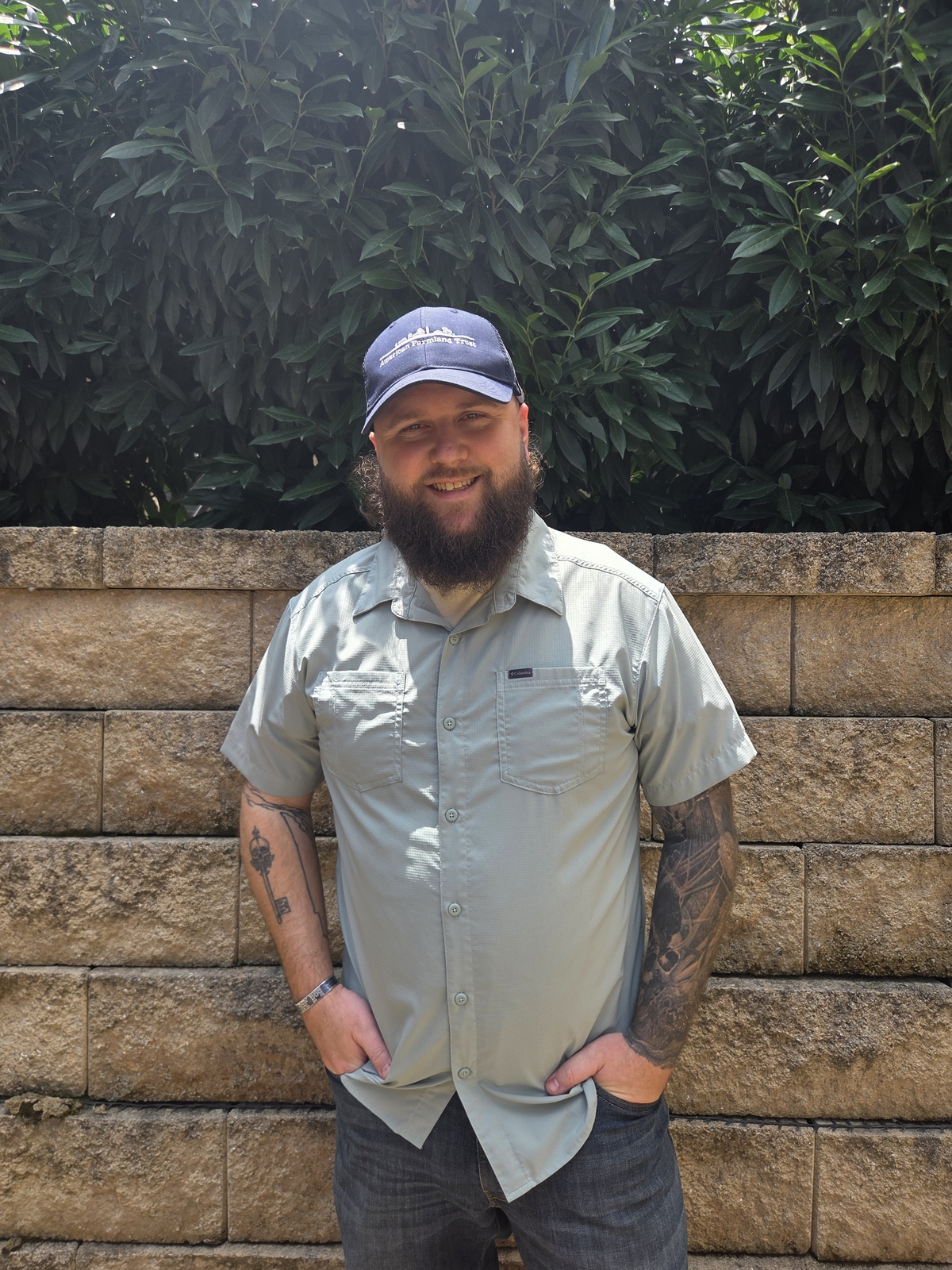
Today, Peyton is American Farmland Trust's new Implementation Specialist based in the Southeast, specificialy Tennessee, in a new position that allows him to travel the state, talking — and listening — with farmers.
"The best ideas often come from conversations at a pasture gate or around a tailgate, simply listening to what matters most to the people who know their land best," he said.
He'll work with farmers and landowners as they consider implementing practices that 'improve soil health, strengthen agricultural operations, and support the long-term stewardship of working lands."
In today's Food as a Verb, Peyton's interviewed by Brooks Lamb, an old friend, author and Special Advisor for Strategic Communications at American Farmland Trust. His Love for the Land is a treasure, and his recent Oxford American piece on tobacco farming with his grandfather is one of the finest essays I've read all year.
Contact info for Peyton can be found at the end of today's interview.
Welcome back home, Peyton.
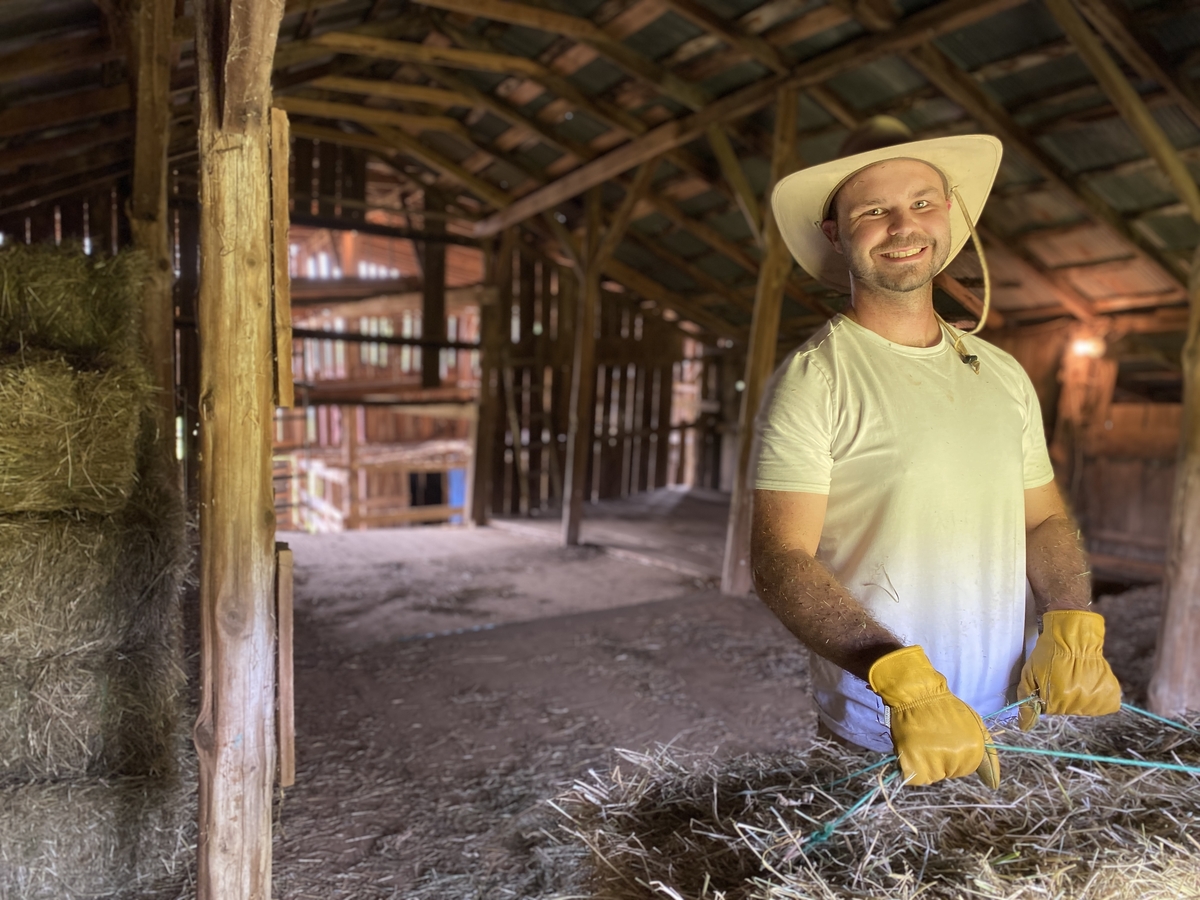
Brooks Lamb: I’m happy we have the chance to connect today, Peyton. What sparked your interest in the agricultural and conservation fields?
Peyton Hopkins: I was born and raised in Tennessee, and while I didn't grow up on a farm, agriculture was always part of the communities around me.
My interest really took shape in high school through Future Farmers of America (FFA), where I competed in agricultural sales and environmental and natural resources events.
Those experiences opened my eyes to the connections between agriculture, conservation, and the people who steward our land. That passion led me to a career in regenerative agriculture, habitat restoration, and natural resource management. Joining American Farmland Trust felt like the perfect opportunity to bring those experiences back home to Tennessee and support producers.
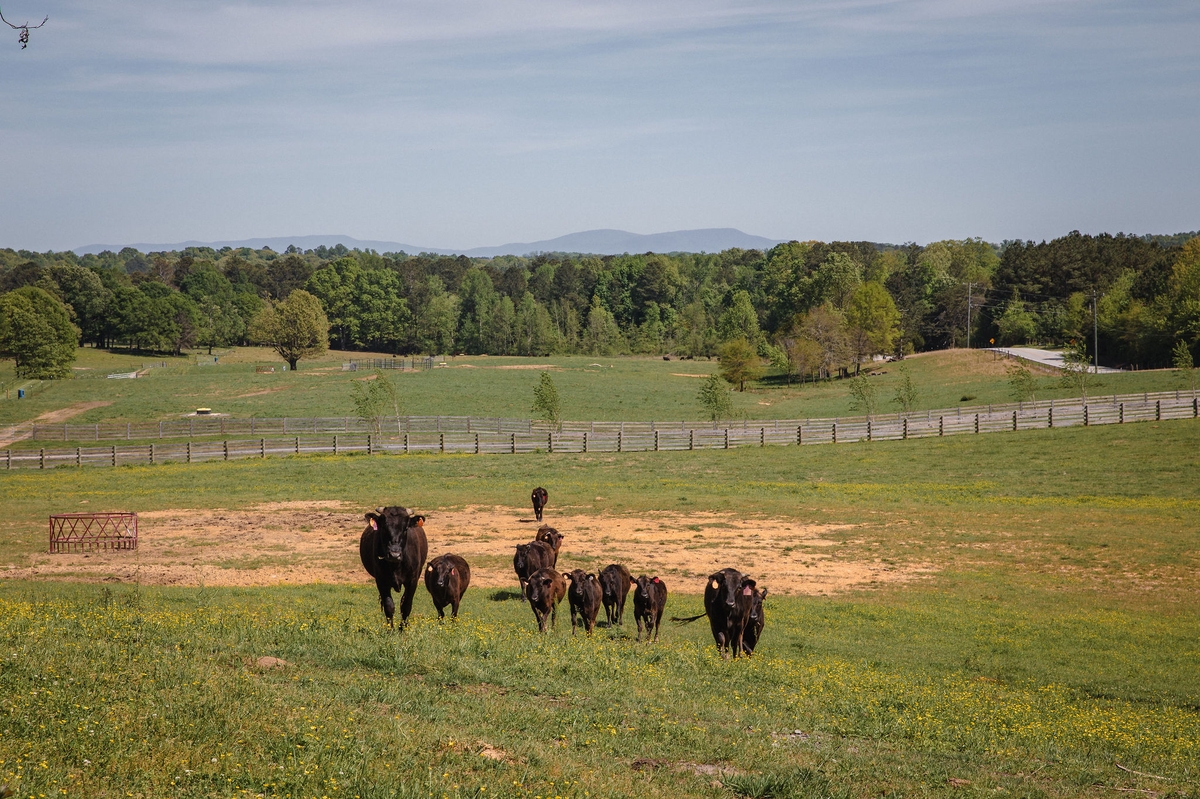
Improving Soil Health, Farm Economics, and Wildlife Habitat
Brooks: Your role is intended to help farmers in the Volunteer State adopt regenerative practices, and it’s supported in partnership with the USDA Natural Resources Conservation Service’s Tennessee office. How will you be helping farmers, and why should we advance regenerative agriculture?
Peyton: My role is centered on helping producers implement practical, science-based conservation practices that improve the long-term health and profitability of their farms.
What makes this opportunity especially exciting is that it's part of American Farmland Trust's first partnership with Tennessee NRCS. They’ve been working to help farmers improve their stewardship for decades, and I’m grateful for the chance to join that effort.
Every operation is different, so my first priority is listening and understanding each producer's goals before working alongside them to identify solutions that fit their operation. That could mean improving grazing management, introducing diverse forage systems, establishing cover crops, advancing soil health or helping producers make better use of existing resources.
I'll work directly with farmers through field visits, demonstrations, educational events and one-on-one technical assistance to help turn those ideas into action.
What excites me most is that regenerative agriculture isn't about asking producers to sacrifice productivity for conservation.
It's about building resilient farms that can better withstand drought, improve water infiltration, reduce input costs and leave healthier soils for future generations.
When agriculture and conservation work together, producers are better positioned to become or remain profitable while strengthening the land that supports their livelihoods. I'm proud to be part of this new partnership and look forward to helping Tennessee producers of every size and scale.
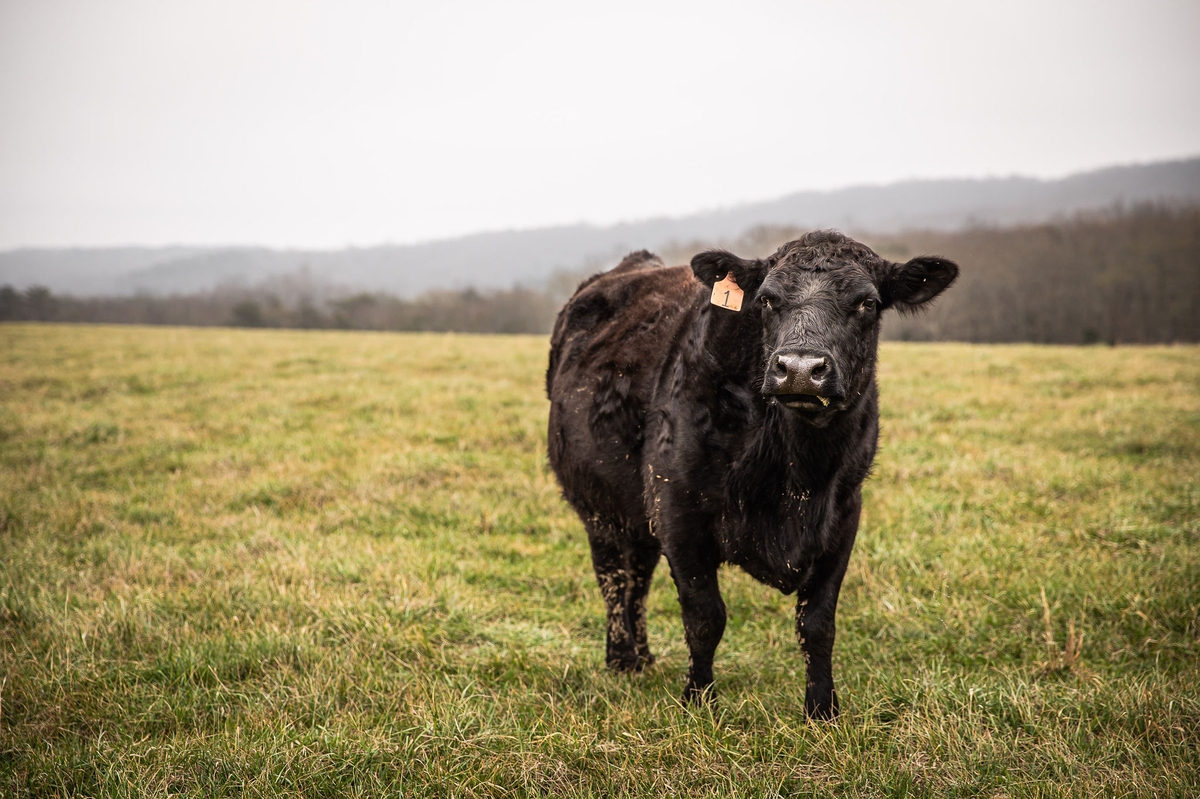
Brooks: That’s fantastic, and it’s clear you’ve put a lot of thought into your work. It sounds like these regenerative practices are very important for people and for the land. They’re beneficial for wildlife, too, right?
Peyton: Absolutely. One of the things I appreciate most about regenerative agriculture is that when we farm with nature instead of against it, wildlife benefits right alongside the operation.
For example, Adaptative Multi-Paddock (AMP) grazing creates healthier, more diverse pastures by rotating livestock and allowing plants adequate recovery time. That improves forage diversity, builds healthier soils, increases water infiltration, and creates a variety of vegetation heights and structures across the landscape.
Those conditions provide food and cover for pollinators, bobwhite quail, wild turkey, songbirds, deer, and many other species while supporting healthier ecosystems overall.
Wildlife conservation has been a passion of mine throughout my career, and I've had the opportunity to work in habitat restoration and natural resource management before joining AFT.
I enjoy helping producers see that productive agriculture and thriving wildlife aren't competing goals. They can both flourish through thoughtful land stewardship.
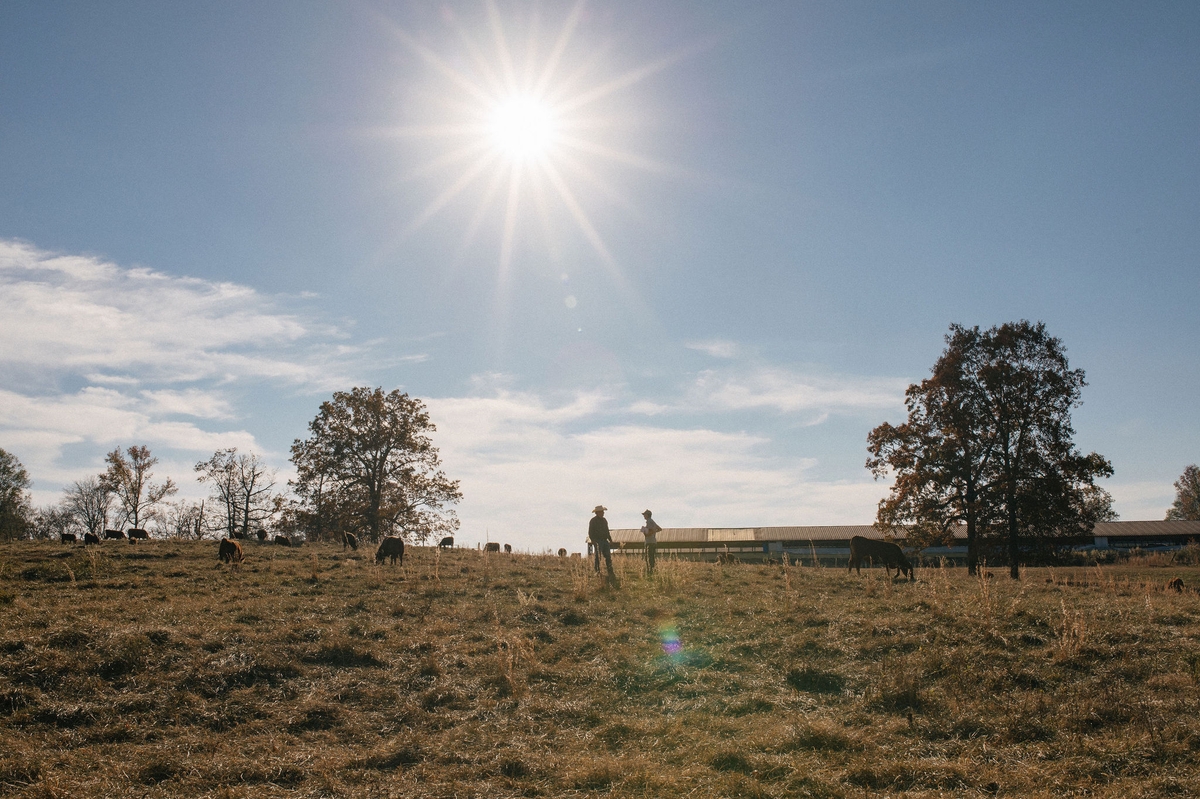
Working with Veteran Farmers
Brooks: You’re an Army veteran. Can you briefly describe your military service—and can you speak about why helping veteran farmers is particularly important to you?
Peyton: I joined the Army right out of high school, fulfilling a lifelong dream of serving my country. While my military career was cut short due to service-connected injuries sustained during my deployment to Iraq, the experience shaped who I am today.
It taught me discipline, adaptability, and the importance of serving something larger than myself. Those lessons continue to guide how I approach my career and the relationships I build with producers.
I think many veterans are naturally drawn to agriculture because it nurtures the same values of purpose, responsibility, and service.
Working on the land requires resilience, problem-solving, and commitment, qualities that many veterans already possess. It also provides an opportunity to build something lasting for their families and communities.
I'm especially passionate about helping veteran farmers navigate conservation programs and connect with resources that can help them succeed.
If I can use my own experiences to build trust and encourage even a few veterans to pursue opportunities in agriculture, I’ll be proud.
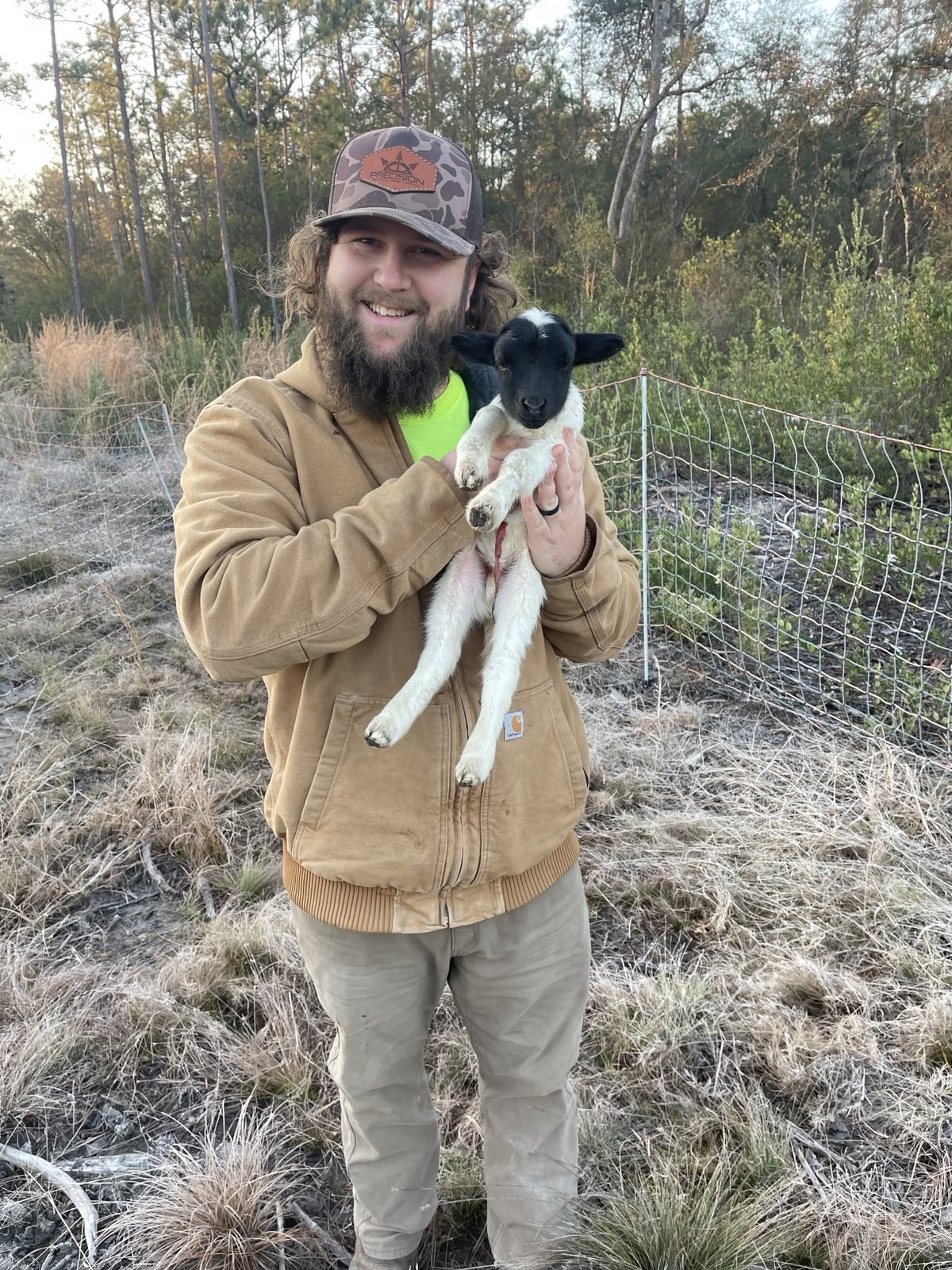
Listening to Those Who Know Their Land
Brooks: Thanks so much for this conversation, Peyton. Do you have any final thoughts to share?
Peyton: One lesson I've learned is that conservation isn't about telling producers how to farm. It's about working alongside them and building on the stewardship they've practiced for generations. The best ideas often come from conversations at a pasture gate or around a tailgate, simply listening to what matters most to the people who know their land best.
I'm excited to meet producers across Middle and East Tennessee, hear their stories, and help them achieve their goals. If you'd like to learn more about American Farmland Trust or discuss conservation opportunities for your operation, I'd love to connect.
You can reach me at phopkins@farmland.org or (931) 531-7346.
If you’d like to learn more about American Farmland Trust’s efforts to help farmers across Tennessee and the South improve their stewardship, visit: https://farmland.org/southeast
Story ideas, questions, feedback? Interested in partnering with us? Email: david@foodasaverb.com
This story is 100% human generated; no AI chatbot was used in the creation of this content.
food as a verb thanks our sustaining partner:
food as a verb thanks our story sponsor:
Rising Fawn Gardens
Peyton Hopkins, 30, grew up in Lincoln County, Tennessee, joined the Future Farmers of America in high school, then the US Army, deployed to Iraq and then returned home to build a career around regenerative agriculture — he managed a 2,000-acre livestock operation in Florida and protected natural resources and habitats at Elgin Air Force Base — before coming back to the Volunteer State.
He's here to support farmers and landowners as a regenerative agriculture specialist and conservationist.
But not that kind of conservationist.
"Conservation isn't about telling producers how to farm," he said. "It's about working alongside them and building on the stewardship they've practiced for generations."
Today, Peyton is American Farmland Trust's new Implementation Specialist based in the Southeast, specificialy Tennessee, in a new position that allows him to travel the state, talking — and listening — with farmers.
"The best ideas often come from conversations at a pasture gate or around a tailgate, simply listening to what matters most to the people who know their land best," he said.
He'll work with farmers and landowners as they consider implementing practices that 'improve soil health, strengthen agricultural operations, and support the long-term stewardship of working lands."
In today's Food as a Verb, Peyton's interviewed by Brooks Lamb, an old friend, author and Special Advisor for Strategic Communications at American Farmland Trust. His Love for the Land is a treasure, and his recent Oxford American piece on tobacco farming with his grandfather is one of the finest essays I've read all year.
Contact info for Peyton can be found at the end of today's interview.
Welcome back home, Peyton.
Brooks Lamb: I’m happy we have the chance to connect today, Peyton. What sparked your interest in the agricultural and conservation fields?
Peyton Hopkins: I was born and raised in Tennessee, and while I didn't grow up on a farm, agriculture was always part of the communities around me.
My interest really took shape in high school through Future Farmers of America (FFA), where I competed in agricultural sales and environmental and natural resources events.
Those experiences opened my eyes to the connections between agriculture, conservation, and the people who steward our land. That passion led me to a career in regenerative agriculture, habitat restoration, and natural resource management. Joining American Farmland Trust felt like the perfect opportunity to bring those experiences back home to Tennessee and support producers.
Improving Soil Health, Farm Economics, and Wildlife Habitat
Brooks: Your role is intended to help farmers in the Volunteer State adopt regenerative practices, and it’s supported in partnership with the USDA Natural Resources Conservation Service’s Tennessee office. How will you be helping farmers, and why should we advance regenerative agriculture?
Peyton: My role is centered on helping producers implement practical, science-based conservation practices that improve the long-term health and profitability of their farms.
What makes this opportunity especially exciting is that it's part of American Farmland Trust's first partnership with Tennessee NRCS. They’ve been working to help farmers improve their stewardship for decades, and I’m grateful for the chance to join that effort.
Every operation is different, so my first priority is listening and understanding each producer's goals before working alongside them to identify solutions that fit their operation. That could mean improving grazing management, introducing diverse forage systems, establishing cover crops, advancing soil health or helping producers make better use of existing resources.
I'll work directly with farmers through field visits, demonstrations, educational events and one-on-one technical assistance to help turn those ideas into action.
What excites me most is that regenerative agriculture isn't about asking producers to sacrifice productivity for conservation.
It's about building resilient farms that can better withstand drought, improve water infiltration, reduce input costs and leave healthier soils for future generations.
When agriculture and conservation work together, producers are better positioned to become or remain profitable while strengthening the land that supports their livelihoods. I'm proud to be part of this new partnership and look forward to helping Tennessee producers of every size and scale.
Brooks: That’s fantastic, and it’s clear you’ve put a lot of thought into your work. It sounds like these regenerative practices are very important for people and for the land. They’re beneficial for wildlife, too, right?
Peyton: Absolutely. One of the things I appreciate most about regenerative agriculture is that when we farm with nature instead of against it, wildlife benefits right alongside the operation.
For example, Adaptative Multi-Paddock (AMP) grazing creates healthier, more diverse pastures by rotating livestock and allowing plants adequate recovery time. That improves forage diversity, builds healthier soils, increases water infiltration, and creates a variety of vegetation heights and structures across the landscape.
Those conditions provide food and cover for pollinators, bobwhite quail, wild turkey, songbirds, deer, and many other species while supporting healthier ecosystems overall.
Wildlife conservation has been a passion of mine throughout my career, and I've had the opportunity to work in habitat restoration and natural resource management before joining AFT.
I enjoy helping producers see that productive agriculture and thriving wildlife aren't competing goals. They can both flourish through thoughtful land stewardship.
Working with Veteran Farmers
Brooks: You’re an Army veteran. Can you briefly describe your military service—and can you speak about why helping veteran farmers is particularly important to you?
Peyton: I joined the Army right out of high school, fulfilling a lifelong dream of serving my country. While my military career was cut short due to service-connected injuries sustained during my deployment to Iraq, the experience shaped who I am today.
It taught me discipline, adaptability, and the importance of serving something larger than myself. Those lessons continue to guide how I approach my career and the relationships I build with producers.
I think many veterans are naturally drawn to agriculture because it nurtures the same values of purpose, responsibility, and service.
Working on the land requires resilience, problem-solving, and commitment, qualities that many veterans already possess. It also provides an opportunity to build something lasting for their families and communities.
I'm especially passionate about helping veteran farmers navigate conservation programs and connect with resources that can help them succeed.
If I can use my own experiences to build trust and encourage even a few veterans to pursue opportunities in agriculture, I’ll be proud.
Listening to Those Who Know Their Land
Brooks: Thanks so much for this conversation, Peyton. Do you have any final thoughts to share?
Peyton: One lesson I've learned is that conservation isn't about telling producers how to farm. It's about working alongside them and building on the stewardship they've practiced for generations. The best ideas often come from conversations at a pasture gate or around a tailgate, simply listening to what matters most to the people who know their land best.
I'm excited to meet producers across Middle and East Tennessee, hear their stories, and help them achieve their goals. If you'd like to learn more about American Farmland Trust or discuss conservation opportunities for your operation, I'd love to connect.
You can reach me at phopkins@farmland.org or (931) 531-7346.
If you’d like to learn more about American Farmland Trust’s efforts to help farmers across Tennessee and the South improve their stewardship, visit: https://farmland.org/southeast
Story ideas, questions, feedback? Interested in partnering with us? Email: david@foodasaverb.com
This story is 100% human generated; no AI chatbot was used in the creation of this content.
Food as a verb thanks our story sponsor:
Food as a Verb Thanks our sustaining partner:
Food as a verb thanks our story sponsor:
Join our table

keep reading





.png)
