The Threads Between Raised Beds and Raised Consciousness
Follow the thread, he said. And look what happened.
Food as a verb thanks
for sponsoring this series

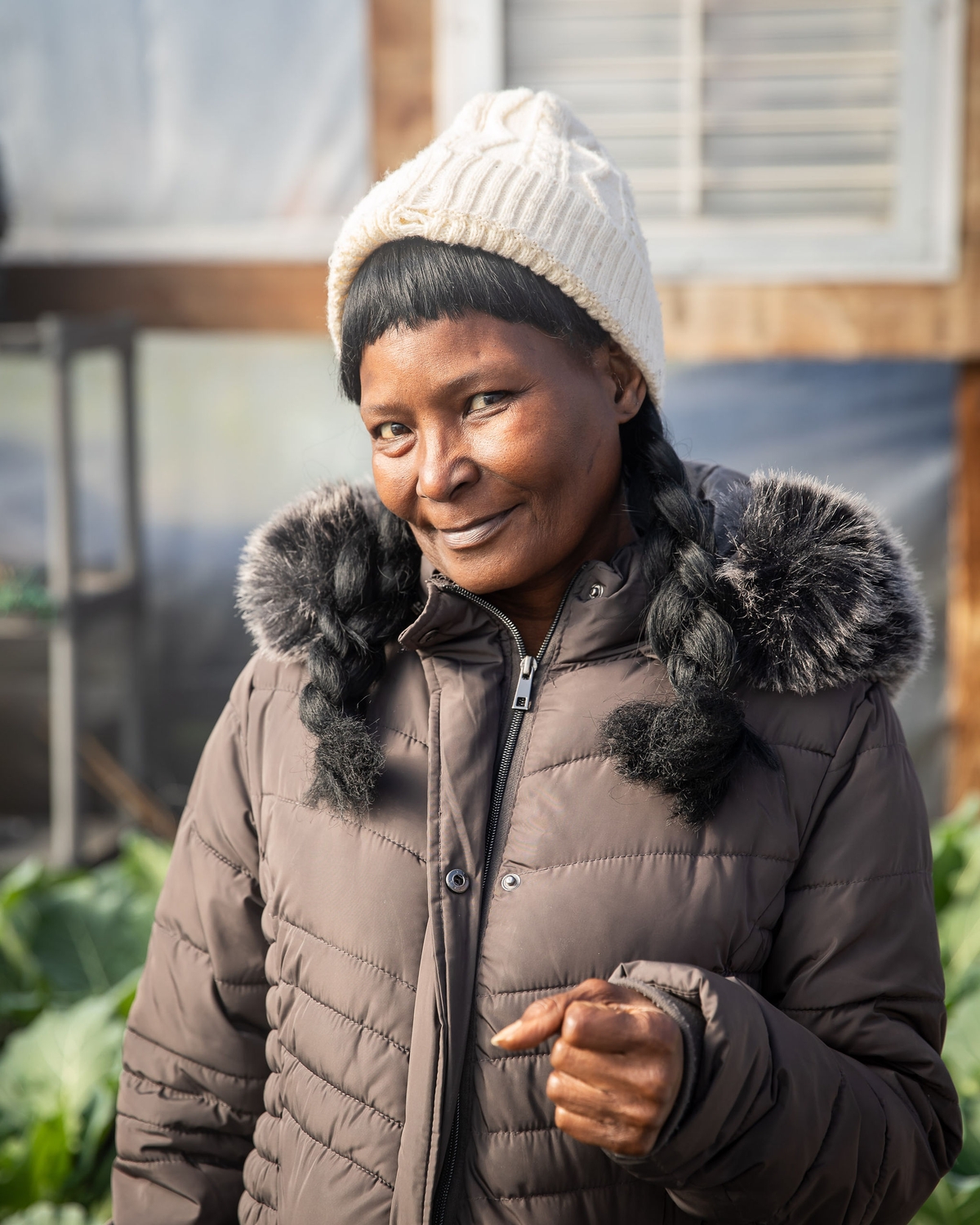
Carla Sims lives in The Villages in Alton Park. The 63-year-old grandmother plants flowers in front porch pots, but most of all, she daydreams, yearns even, for a garden of her own.
"Cucumbers, cabbage, collard greens, squash, zucchini," she said. "I'm a food and vegetable girl."
She's a foodie. Store-bought won't cut it.
"Fresh vegetables," she said. "I'm from the old school. My grandma had a garden in the backyard. I have the old taste of vegetables in my mouth."
Right across from the Whole Note on MLK Boulevard — "it was Ninth Street back then," she said — her grandmother grew three seasons of vegetables, along with backyard chickens for eggs and stews.
"I love the stuff that comes from the ground," Carla said.
Trouble is: she can't plant anything in the ground.
The Villages in Alton Park, a 275-unit Chattanooga Housing Authority property, reportedly, doesn't allow residents to plant in the ground outside their apartments.
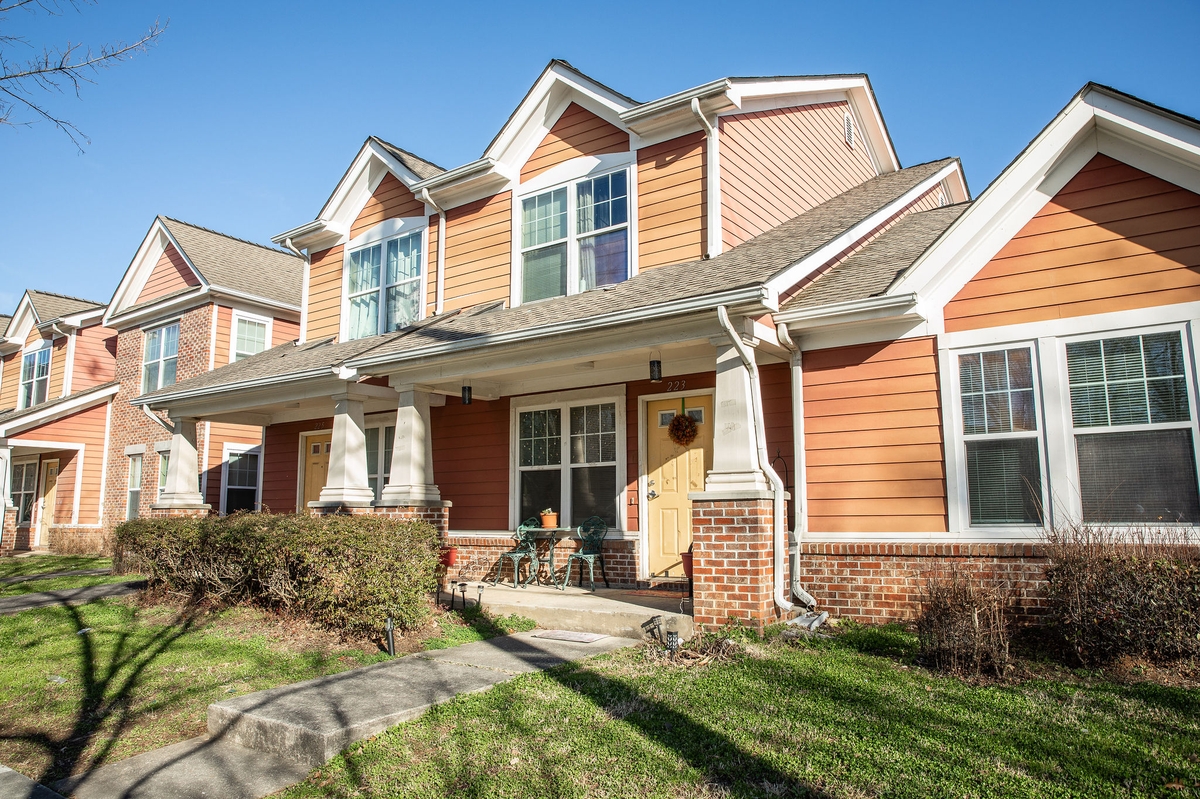
This is common rental practice, but also points to a very difficult truth: if you rent, you can't grow your own food.
If one-third of the people in this National Park City are renters, as research suggests, then we have both a spiritual and agrarian problem:
What happens when tens of thousands of people here aren't allowed to grow their own food?
"Unless it's in a pot," she said. "You can't do it on the ground."
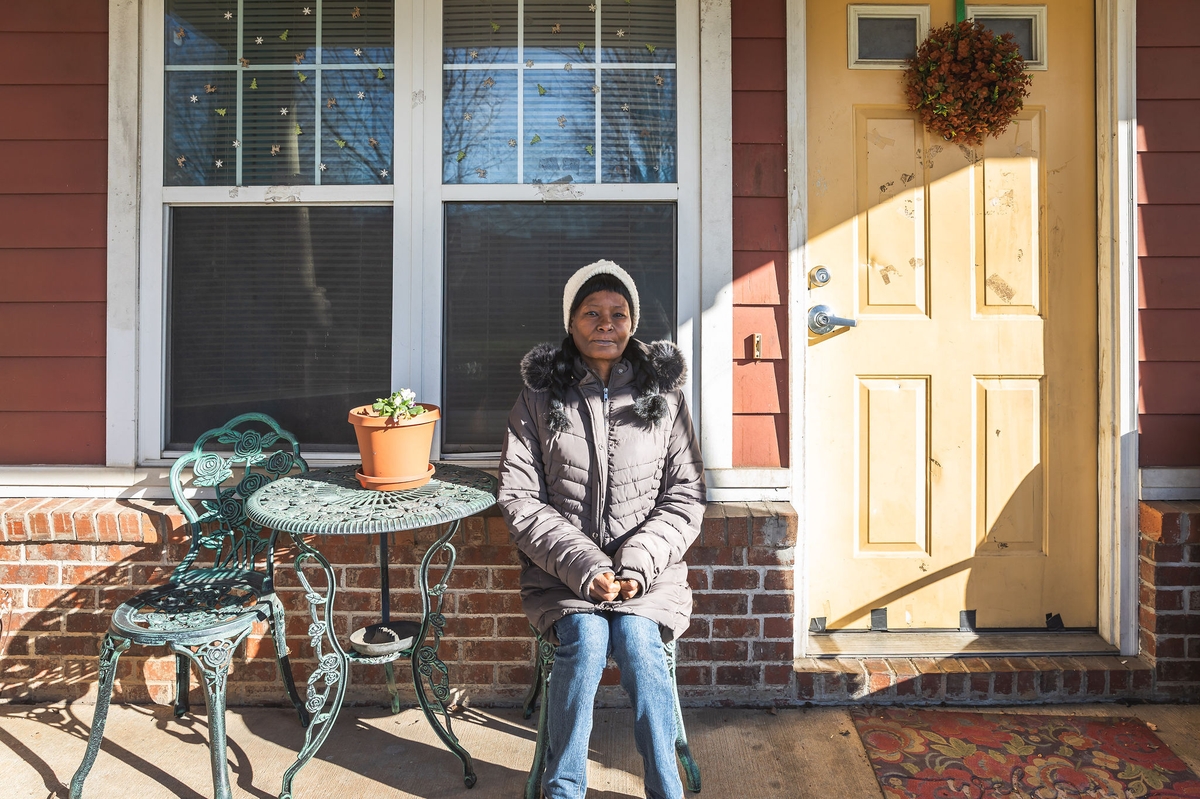
So, one year ago, she tapped Damon Bartos on the shoulder:
Got an idea, she said.
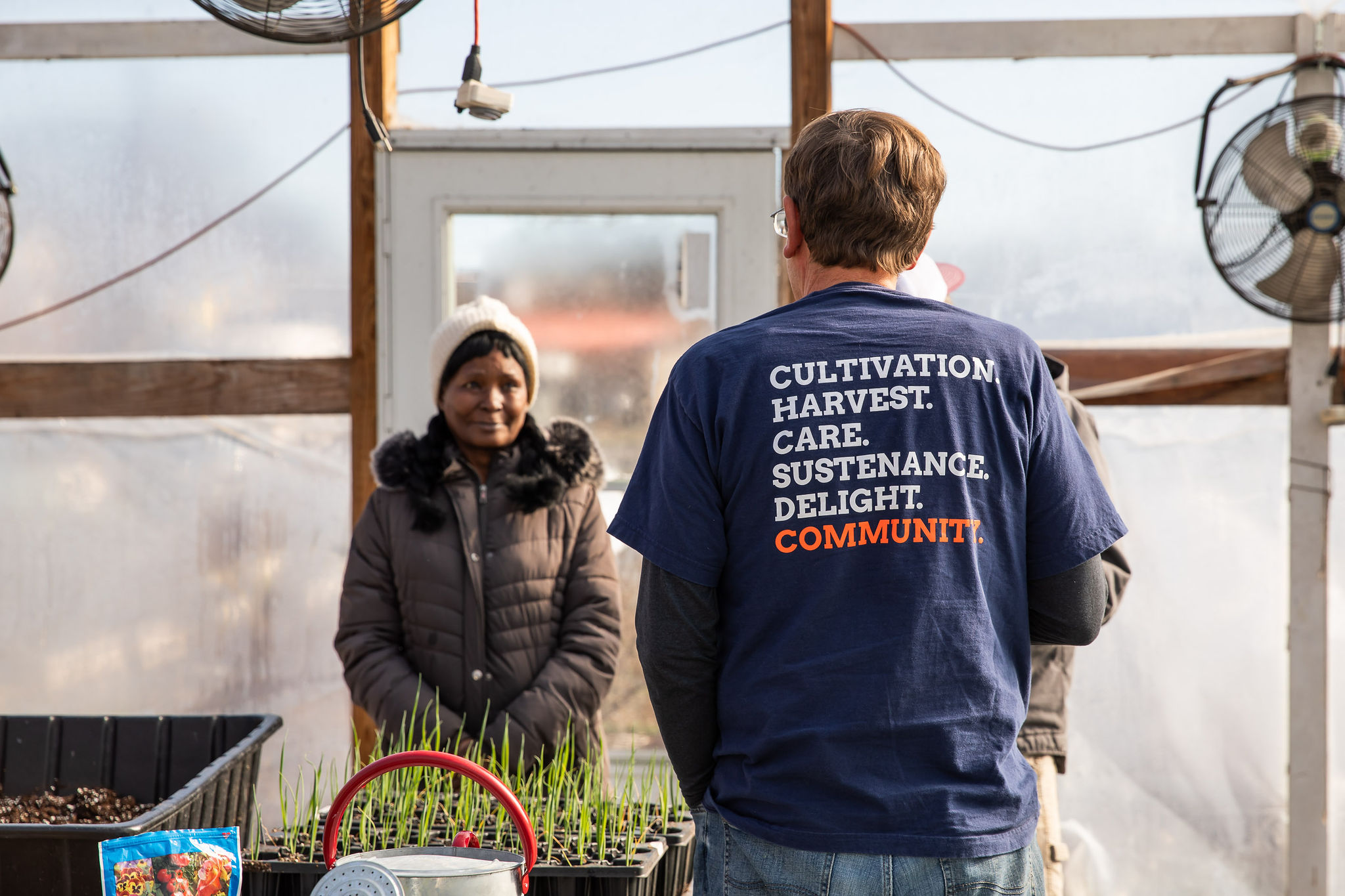
Damon's the farm manager at The Bethlehem Center, the more than-century-old nonprofit directly across the street from The Villages and Carla's front porch.
"CHA doesn't offer a permanent or temporary growing space," Damon said.
(CHA has not responded to our interview request.)
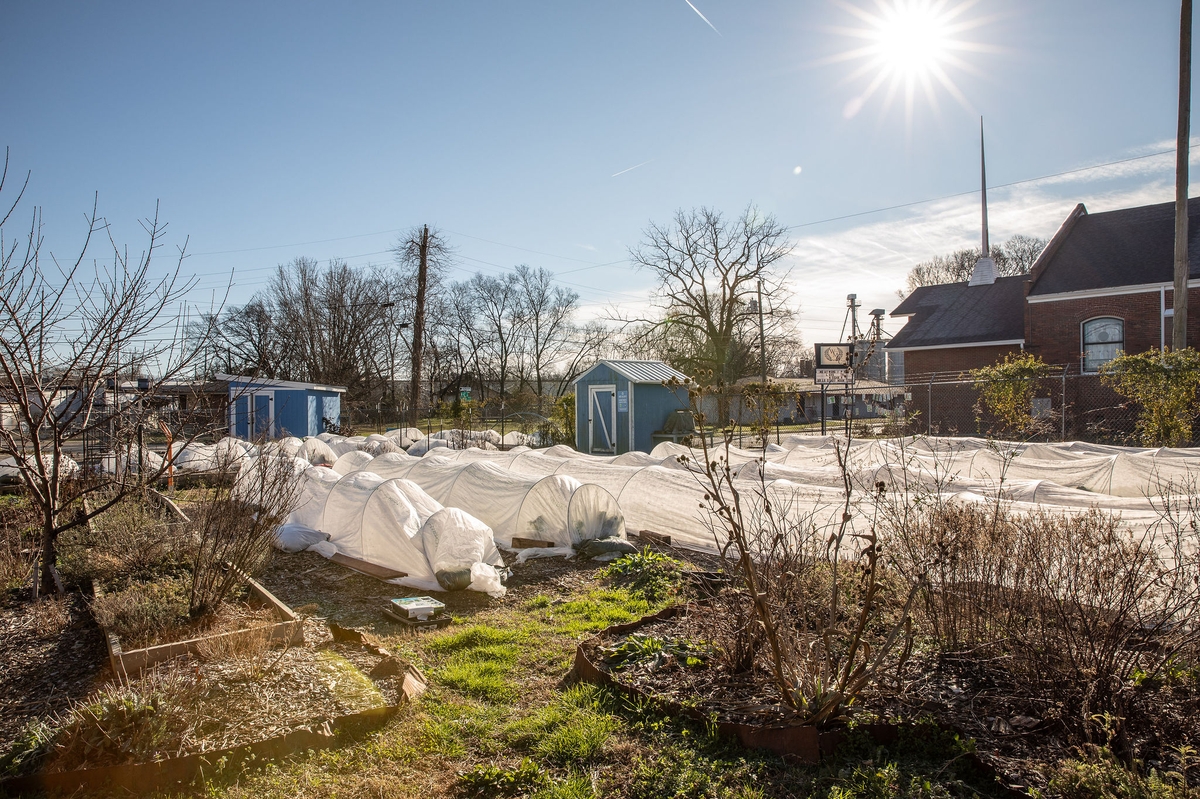
Damon's urban farm is abundant: in 2024, it produced 4,000 pounds of organic fruit and vegetables for Alton Park. Here's Carla, after eating some of the free collard greens Damon grew for the community.
"Oh my gosh, so good," she said. "I went way back to the 70s. My taste buds went way back."
He's created a thread that runs through the entire food system in Chattanooga.
How?
That's the story for today: raised beds, raised consciousness.
"There are lots of hands in this," he said, before adding: "This story is a thread."
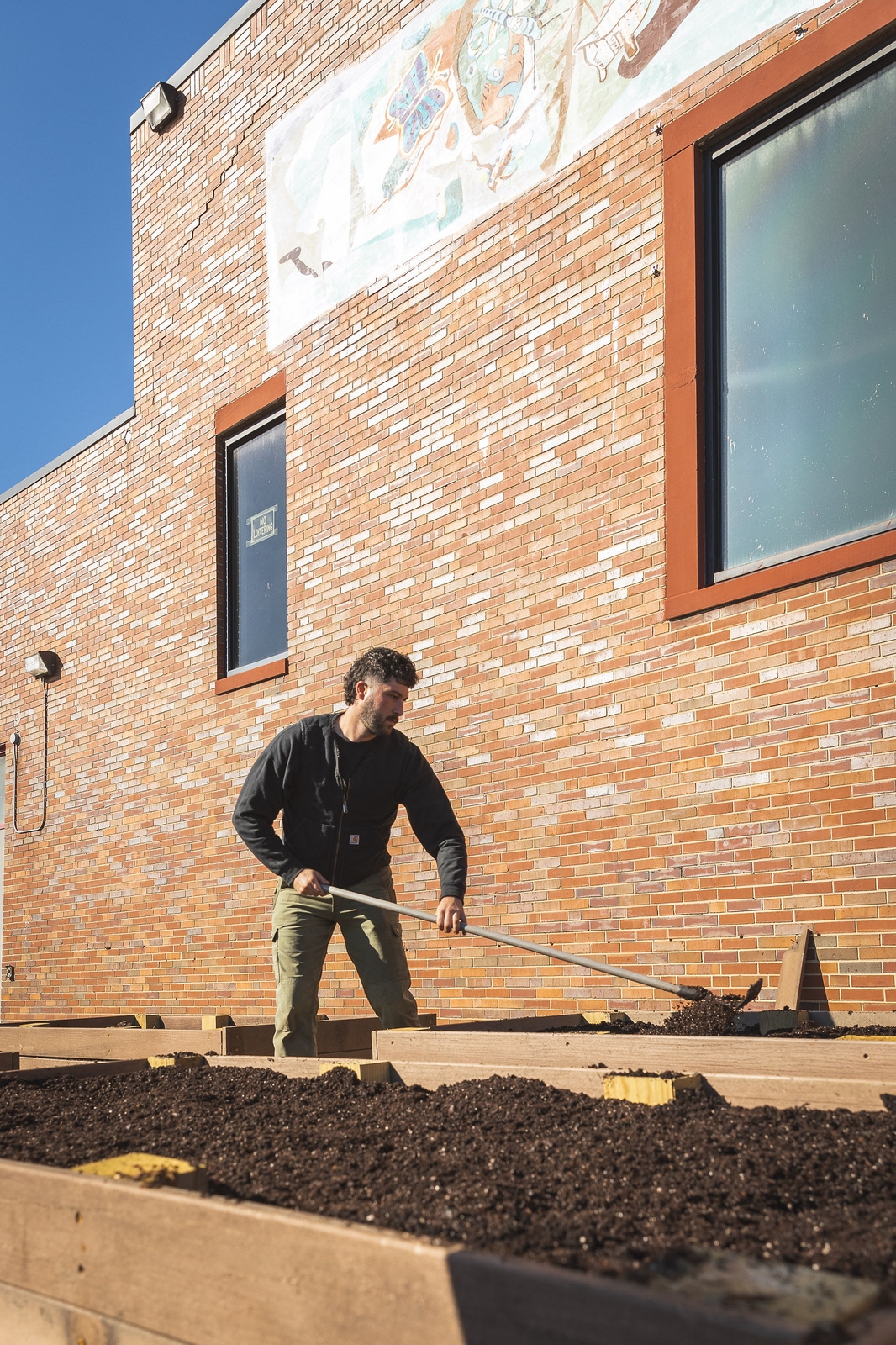
A year ago, Carla nudged him with an idea: can you build some raised beds for us at The Beth? So we can plant and grow our own food there?
Damon gave a yes-no answer.
Yes: I'd love to.
But no: we don't have any money.
But Carla's idea? It was the first strands of this barely visible thread. Damon kept tugging at it.
Then, Food as a Verb hosted a farm tour at The Beth. Afterwards, someone asked: any projects you're hoping to start?
Carla's idea flashed.
"I'd love to build a community garden of raised beds," Damon answered.

The thread got thicker. The woman who asked that question? She was part of Feeding The Future, a foundation tied to Five Star Breaktime Solutions; she would later bring a check by to launch the raised bed program.
Then, the Chattanooga Area Food Bank donated raised beds.
A few months ago, Damon went to pick them up in his two-door Jeep, thinking they were disassembled into individual planks and boards.
Riding shotgun with him? Dr. Adam Soufleris, the retired infectious disease specialist who, well, I'll let him tell his own story.
"When I retired, I said: how can I help the community be healthier?" he said. "You know, without doing doctor stuff?"
Urban farming called to him. He read about Damon, then met him at an event. Asked if he could help.
Come down and get your hands in the dirt, Damon invited. So, Adam began volunteering at The Beth.
They have become fast friends.
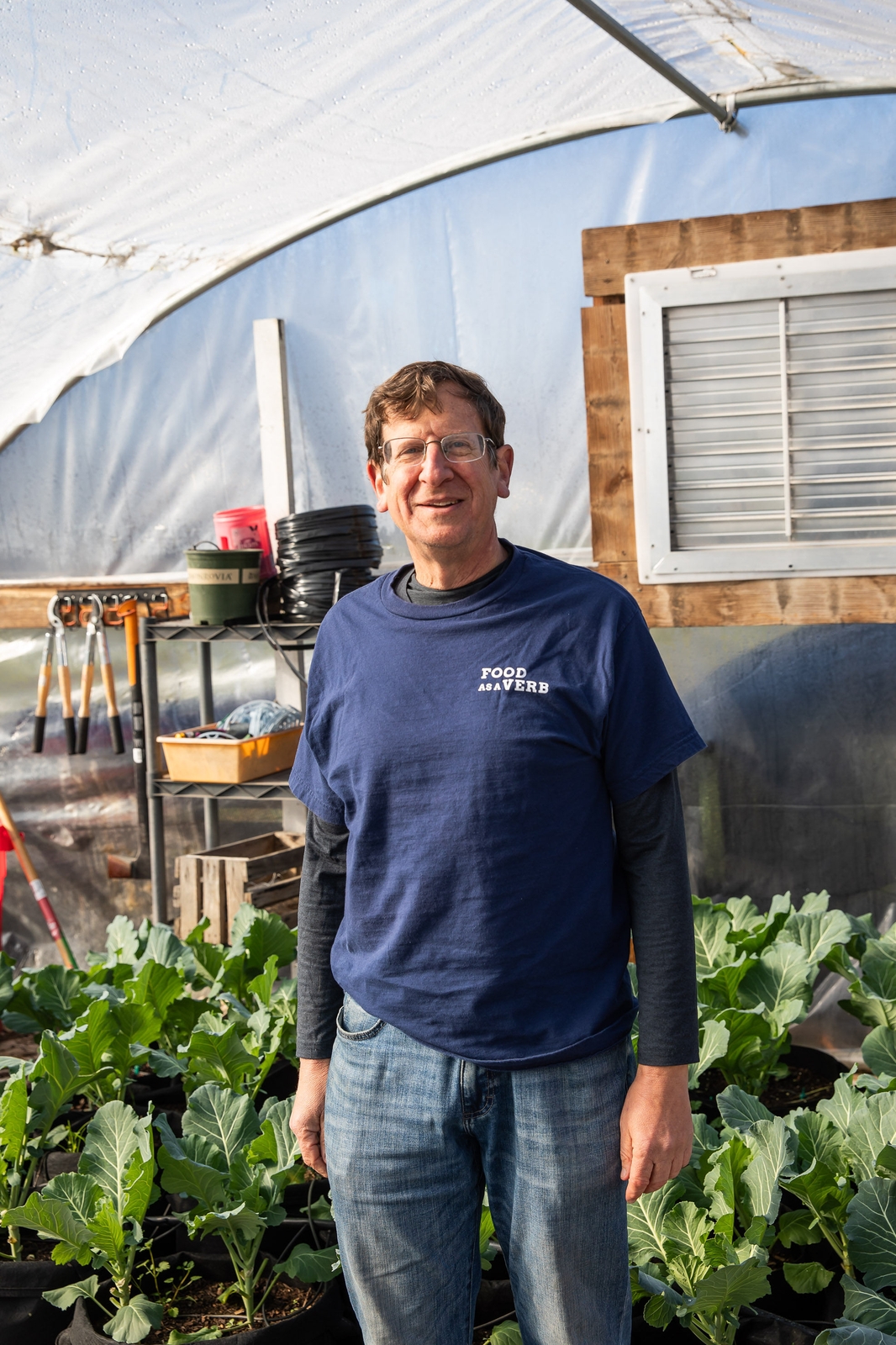
"I learn from him everyday. He's such a good teacher," Adam said. "He may just be 28 years old, but his wisdom is way beyond that."
So as Adam and Damon arrived at the Food Bank, they saw the raised beds were still partially assembled. Hmmm, Adam thought: how many trips will it take to put 100 planks into a two-door Jeep?
"He would have been there a week," Adam laughed.
Right there, he made an offer: I'll rent us a U-haul.
Thanks to Adam's rental box truck, it took two hours.
(Well, maybe three. Afterwards, they had to clean off the mud.)
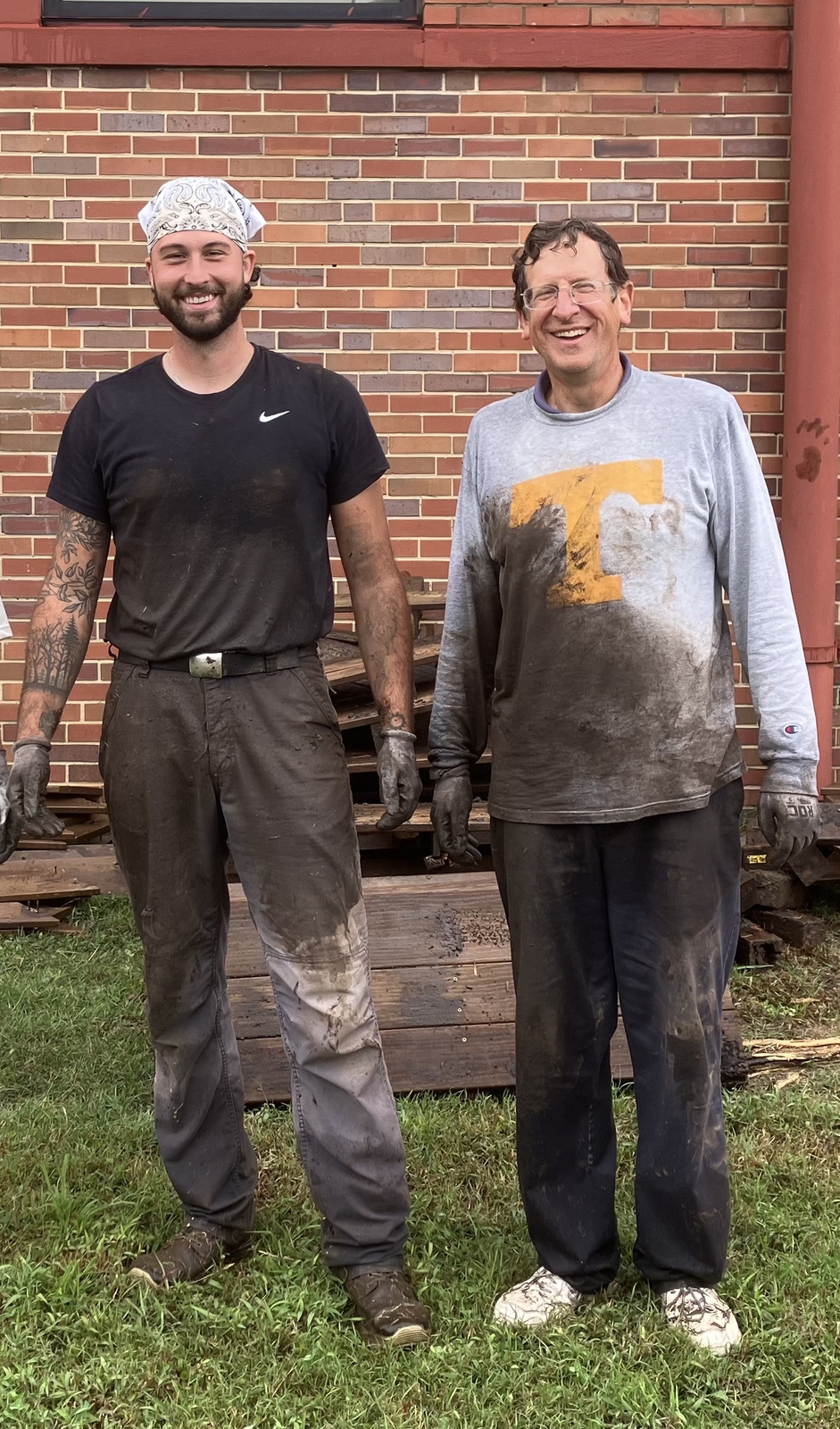
The thread got wider, clearer. The Barn Nursery donated soil. Evans Lumber brought over brand-new 4' x 6' posts as corner supports for the beds.
On Monday, Dr. James Harr brought students from The McCallie School, part of his Appalachian food culture course, to help fill the beds.
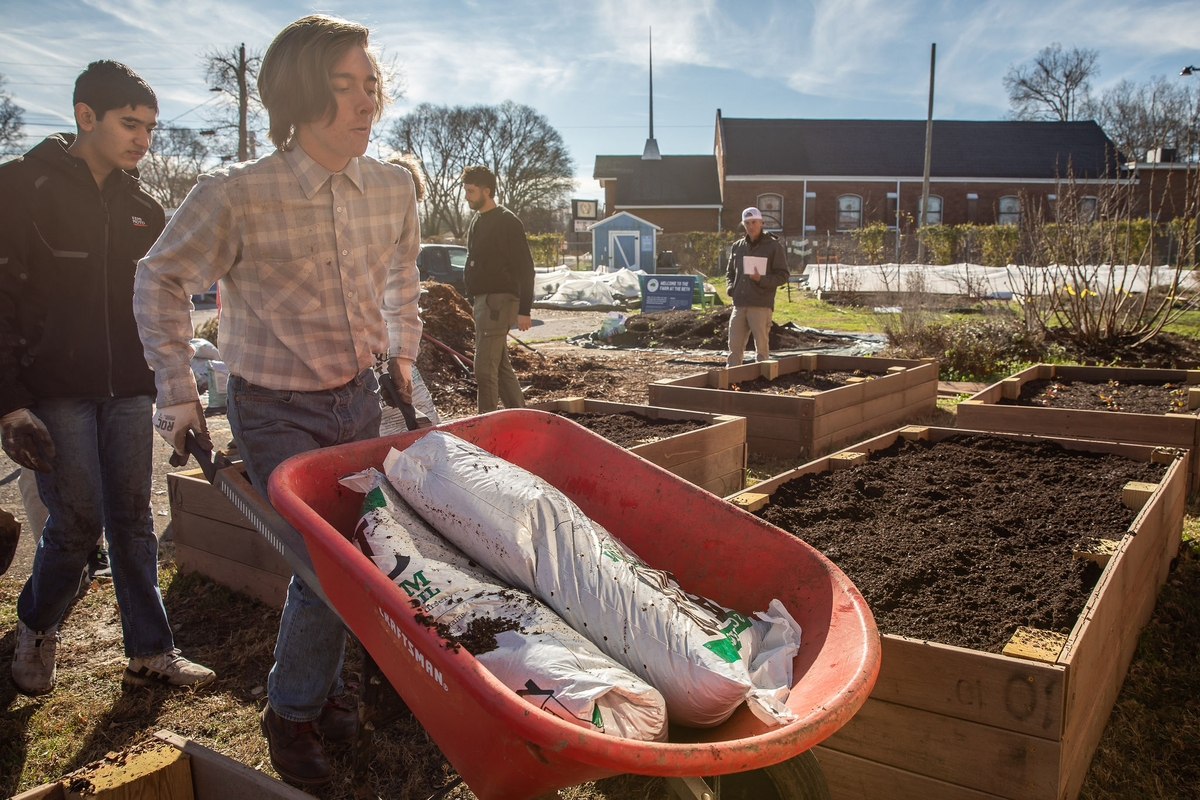
Shovels, wheelbarrows, raised beds, raised consciousness.
"I had no idea there was a thing called a food desert," said Flynn Allen, a freshman from Sewanee. "I didn't know about food insecurity."
And now?
"Food insecurity in Appalachia is a big problem. I'm definitely going to start working at food banks once I can drive," he said. ("I'm only 14.")
This week, Damon sent word to all residents of The Villages, letting them know 18 new raised beds were theirs to claim.
Carla already laid claim hers: the front two.
"I'm going to be here every day," she said.
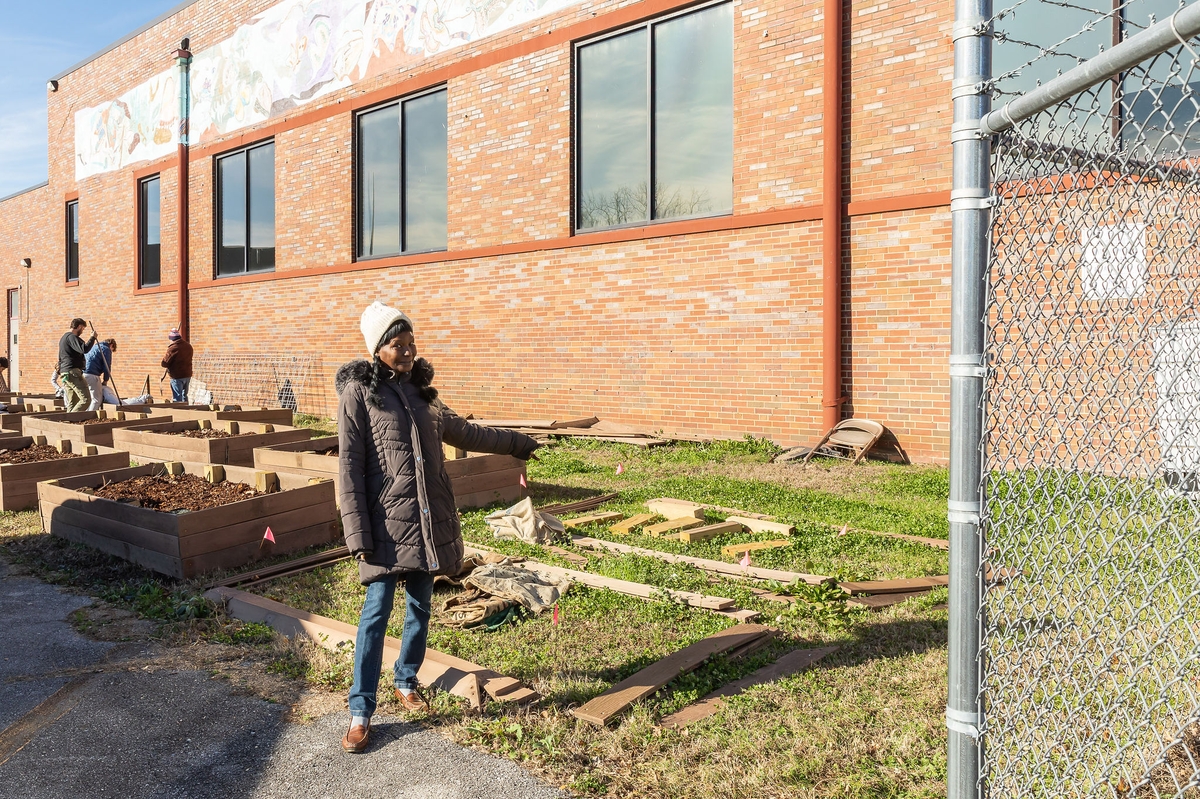
Let's expand the thread even more.
Two days after he finished the new raised beds, Damon delivered an order of dino kale to Easy Bistro; two days later, Swiss chard, collards and Bellezia arugula to Little Coyote, all grown at The Beth's farm.
Both are Michelin-awarded restaurants, the highest honor in the world's restaurant industry.
They're sourcing produce from this 1/3-acre farm inside a food desert.
With most of its growing space dedicated to Alton Park neighbors.
Managed by a young farmer whose budget is skeletal, vulnerable and threadbare and whose workweek pushes 60 hours and is all alone, save whatever help he gets from volunteers like Adam.
In this National Park Best Outdoor City Ever, there are multiple food deserts, zip codes rife with food insecurity.
And, another truth: there are some of the finest restaurants in the US.
And the thread that runs between it all?
This urban farm and farmer in Alton Park.
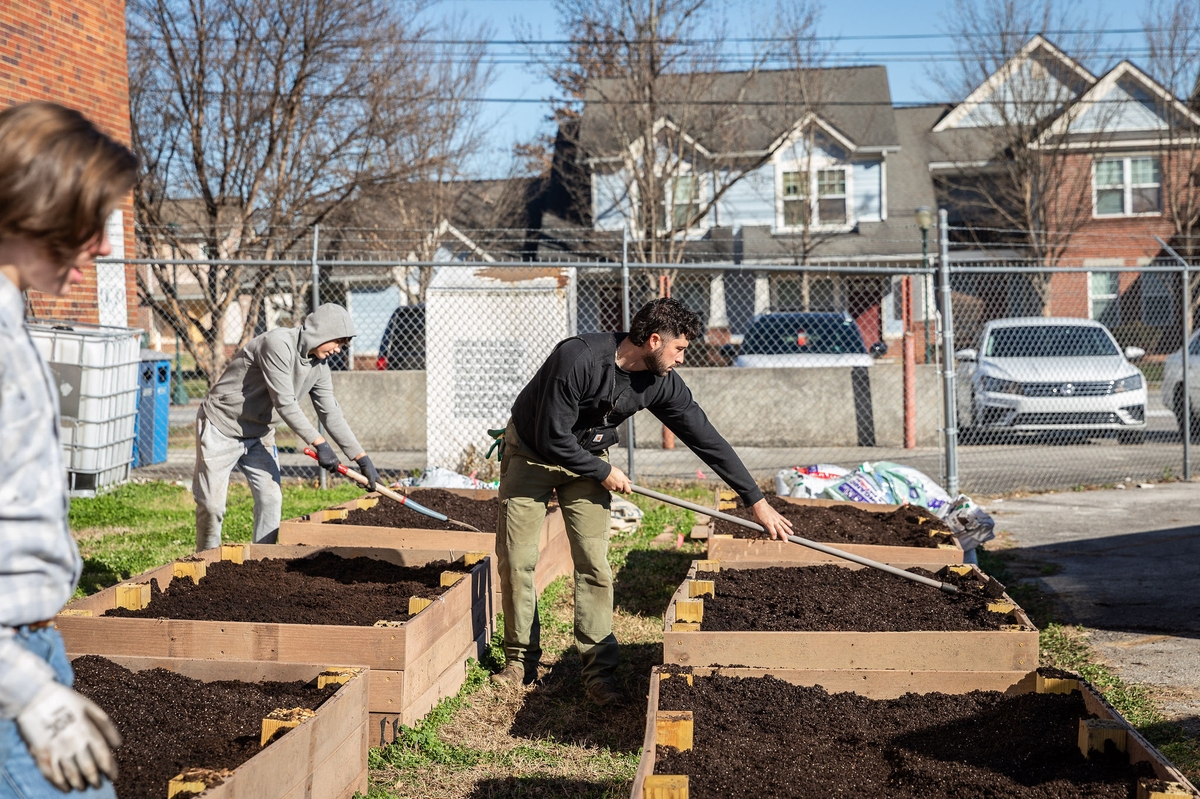
"I love the mission out here," said Adam. "But the thing that makes me smile the most?
"Folks getting food out of this pantry and some of the best restaurants in town ... they're eating the same stuff.
"Everybody's eating the produce here," he said. "Some of the best restaurants in town and the people here are eating the same food."
Story ideas, questions, feedback? Interested in partnering with us? Email: david@foodasaverb.com
This story is 100% human generated; no AI chatbot was used in the creation of this content.
Carla Sims lives in The Villages in Alton Park. The 63-year-old grandmother plants flowers in front porch pots, but most of all, she daydreams, yearns even, for a garden of her own.
"Cucumbers, cabbage, collard greens, squash, zucchini," she said. "I'm a food and vegetable girl."
She's a foodie. Store-bought won't cut it.
"Fresh vegetables," she said. "I'm from the old school. My grandma had a garden in the backyard. I have the old taste of vegetables in my mouth."
Right across from the Whole Note on MLK Boulevard — "it was Ninth Street back then," she said — her grandmother grew three seasons of vegetables, along with backyard chickens for eggs and stews.
"I love the stuff that comes from the ground," Carla said.
Trouble is: she can't plant anything in the ground.
The Villages in Alton Park, a 275-unit Chattanooga Housing Authority property, reportedly, doesn't allow residents to plant in the ground outside their apartments.
This is common rental practice, but also points to a very difficult truth: if you rent, you can't grow your own food.
If one-third of the people in this National Park City are renters, as research suggests, then we have both a spiritual and agrarian problem:
What happens when tens of thousands of people here aren't allowed to grow their own food?
"Unless it's in a pot," she said. "You can't do it on the ground."
So, one year ago, she tapped Damon Bartos on the shoulder:
Got an idea, she said.
Damon's the farm manager at The Bethlehem Center, the more than-century-old nonprofit directly across the street from The Villages and Carla's front porch.
"CHA doesn't offer a permanent or temporary growing space," Damon said.
(CHA has not responded to our interview request.)
Damon's urban farm is abundant: in 2024, it produced 4,000 pounds of organic fruit and vegetables for Alton Park. Here's Carla, after eating some of the free collard greens Damon grew for the community.
"Oh my gosh, so good," she said. "I went way back to the 70s. My taste buds went way back."
He's created a thread that runs through the entire food system in Chattanooga.
How?
That's the story for today: raised beds, raised consciousness.
"There are lots of hands in this," he said, before adding: "This story is a thread."
A year ago, Carla nudged him with an idea: can you build some raised beds for us at The Beth? So we can plant and grow our own food there?
Damon gave a yes-no answer.
Yes: I'd love to.
But no: we don't have any money.
But Carla's idea? It was the first strands of this barely visible thread. Damon kept tugging at it.
Then, Food as a Verb hosted a farm tour at The Beth. Afterwards, someone asked: any projects you're hoping to start?
Carla's idea flashed.
"I'd love to build a community garden of raised beds," Damon answered.
The thread got thicker. The woman who asked that question? She was part of Feeding The Future, a foundation tied to Five Star Breaktime Solutions; she would later bring a check by to launch the raised bed program.
Then, the Chattanooga Area Food Bank donated raised beds.
A few months ago, Damon went to pick them up in his two-door Jeep, thinking they were disassembled into individual planks and boards.
Riding shotgun with him? Dr. Adam Soufleris, the retired infectious disease specialist who, well, I'll let him tell his own story.
"When I retired, I said: how can I help the community be healthier?" he said. "You know, without doing doctor stuff?"
Urban farming called to him. He read about Damon, then met him at an event. Asked if he could help.
Come down and get your hands in the dirt, Damon invited. So, Adam began volunteering at The Beth.
They have become fast friends.
"I learn from him everyday. He's such a good teacher," Adam said. "He may just be 28 years old, but his wisdom is way beyond that."
So as Adam and Damon arrived at the Food Bank, they saw the raised beds were still partially assembled. Hmmm, Adam thought: how many trips will it take to put 100 planks into a two-door Jeep?
"He would have been there a week," Adam laughed.
Right there, he made an offer: I'll rent us a U-haul.
Thanks to Adam's rental box truck, it took two hours.
(Well, maybe three. Afterwards, they had to clean off the mud.)
The thread got wider, clearer. The Barn Nursery donated soil. Evans Lumber brought over brand-new 4' x 6' posts as corner supports for the beds.
On Monday, Dr. James Harr brought students from The McCallie School, part of his Appalachian food culture course, to help fill the beds.
Shovels, wheelbarrows, raised beds, raised consciousness.
"I had no idea there was a thing called a food desert," said Flynn Allen, a freshman from Sewanee. "I didn't know about food insecurity."
And now?
"Food insecurity in Appalachia is a big problem. I'm definitely going to start working at food banks once I can drive," he said. ("I'm only 14.")
This week, Damon sent word to all residents of The Villages, letting them know 18 new raised beds were theirs to claim.
Carla already laid claim hers: the front two.
"I'm going to be here every day," she said.
Let's expand the thread even more.
Two days after he finished the new raised beds, Damon delivered an order of dino kale to Easy Bistro; two days later, Swiss chard, collards and Bellezia arugula to Little Coyote, all grown at The Beth's farm.
Both are Michelin-awarded restaurants, the highest honor in the world's restaurant industry.
They're sourcing produce from this 1/3-acre farm inside a food desert.
With most of its growing space dedicated to Alton Park neighbors.
Managed by a young farmer whose budget is skeletal, vulnerable and threadbare and whose workweek pushes 60 hours and is all alone, save whatever help he gets from volunteers like Adam.
In this National Park Best Outdoor City Ever, there are multiple food deserts, zip codes rife with food insecurity.
And, another truth: there are some of the finest restaurants in the US.
And the thread that runs between it all?
This urban farm and farmer in Alton Park.
"I love the mission out here," said Adam. "But the thing that makes me smile the most?
"Folks getting food out of this pantry and some of the best restaurants in town ... they're eating the same stuff.
"Everybody's eating the produce here," he said. "Some of the best restaurants in town and the people here are eating the same food."
Story ideas, questions, feedback? Interested in partnering with us? Email: david@foodasaverb.com
This story is 100% human generated; no AI chatbot was used in the creation of this content.
Food as a verb thanks our story sponsor:
Food as a Verb Thanks our sustaining partner:
Food as a verb thanks our story sponsor:
Join our table
keep reading