Take This Cup ... But Which One?
Sometimes, I drink to forget. Can I also drink to remember?
Food as a verb thanks
for sponsoring this series
Sometimes, I drink to forget.
Forget today's stress, forget tomorrow's tension.
This Christmas, can I also drink to remember?
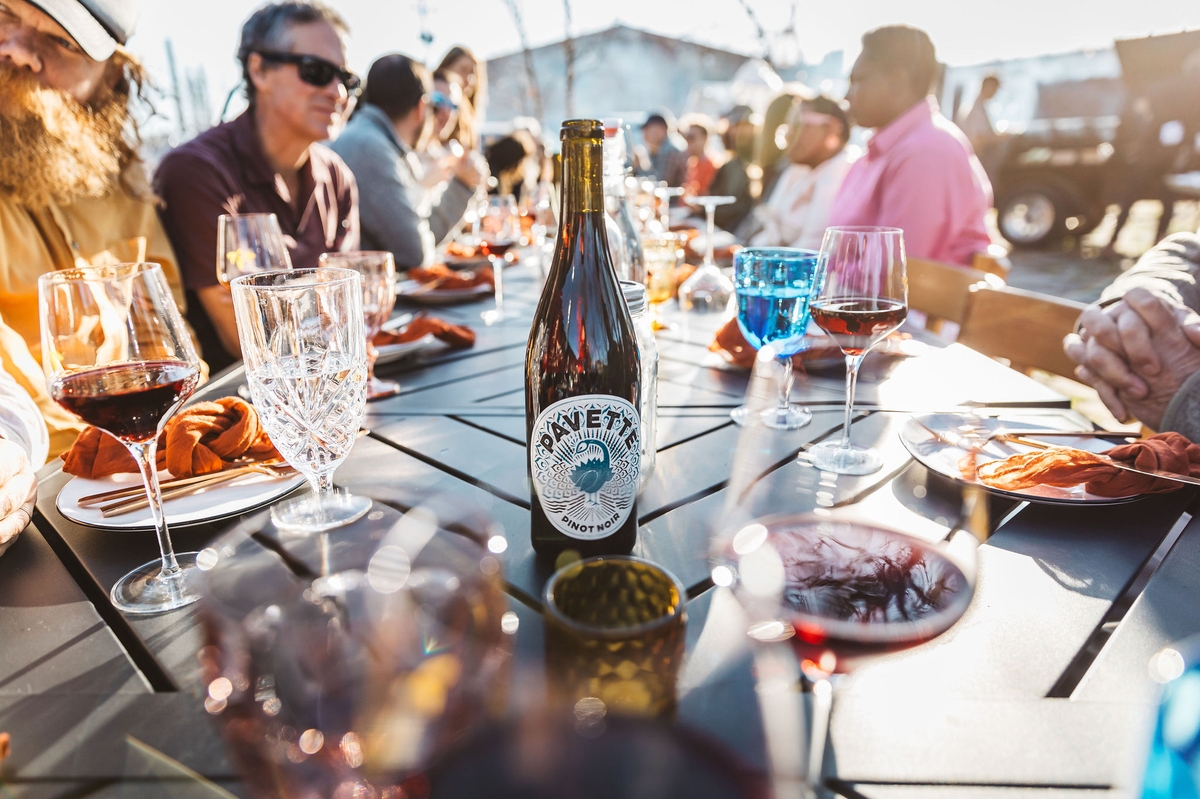
But what, exactly, am I remembering?
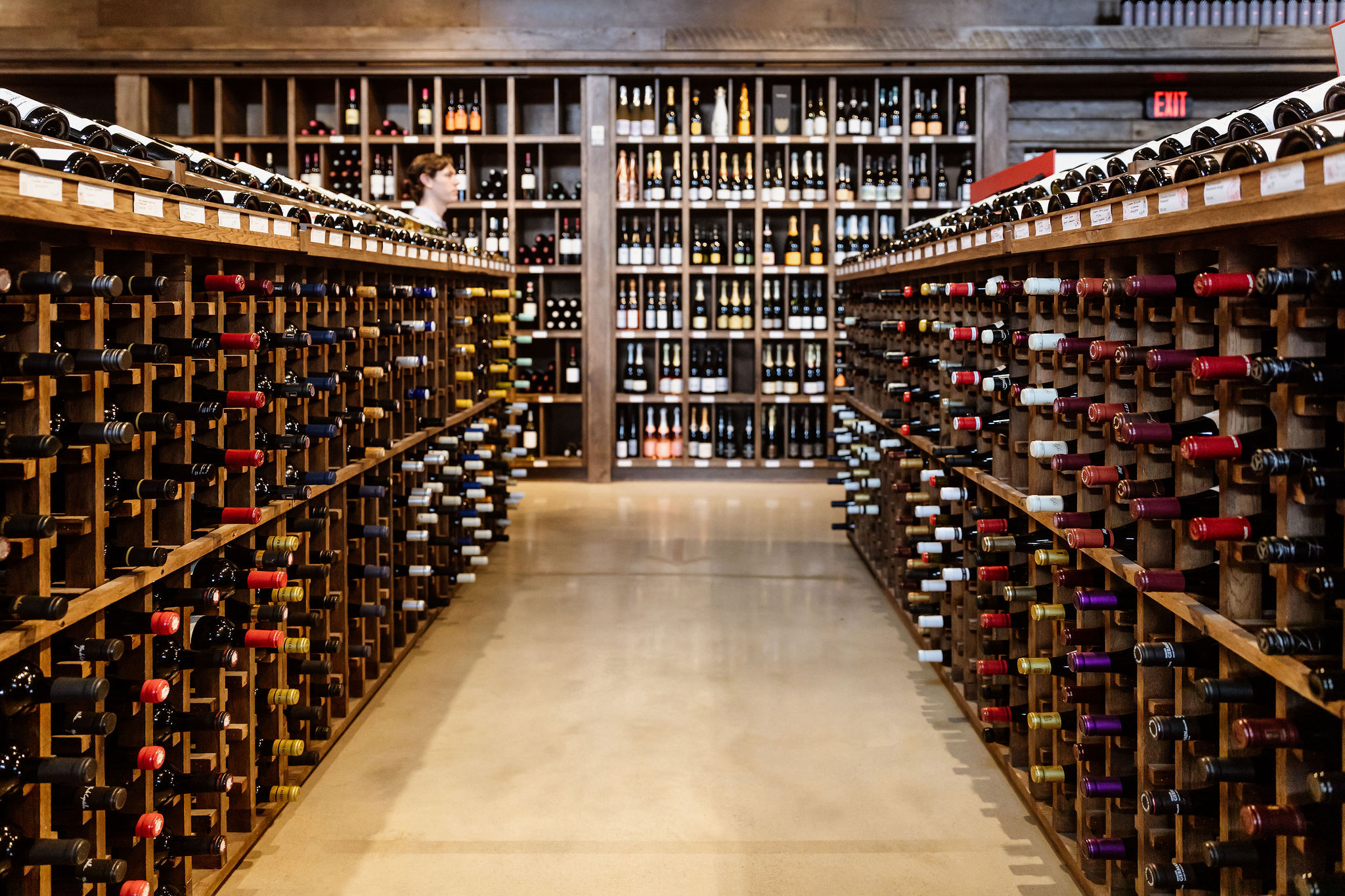
"The invitation," said Caleb Kneip, wine director at Imbibe.
Caleb's a friend who's also a wine expert and Christian. Earlier this winter, we sat down around this question:
Yes, wine is a physical experience.
"Real wine is an agricultural product that comes from the earth," he said. "It comes from Creation."
But can it also be spiritual?
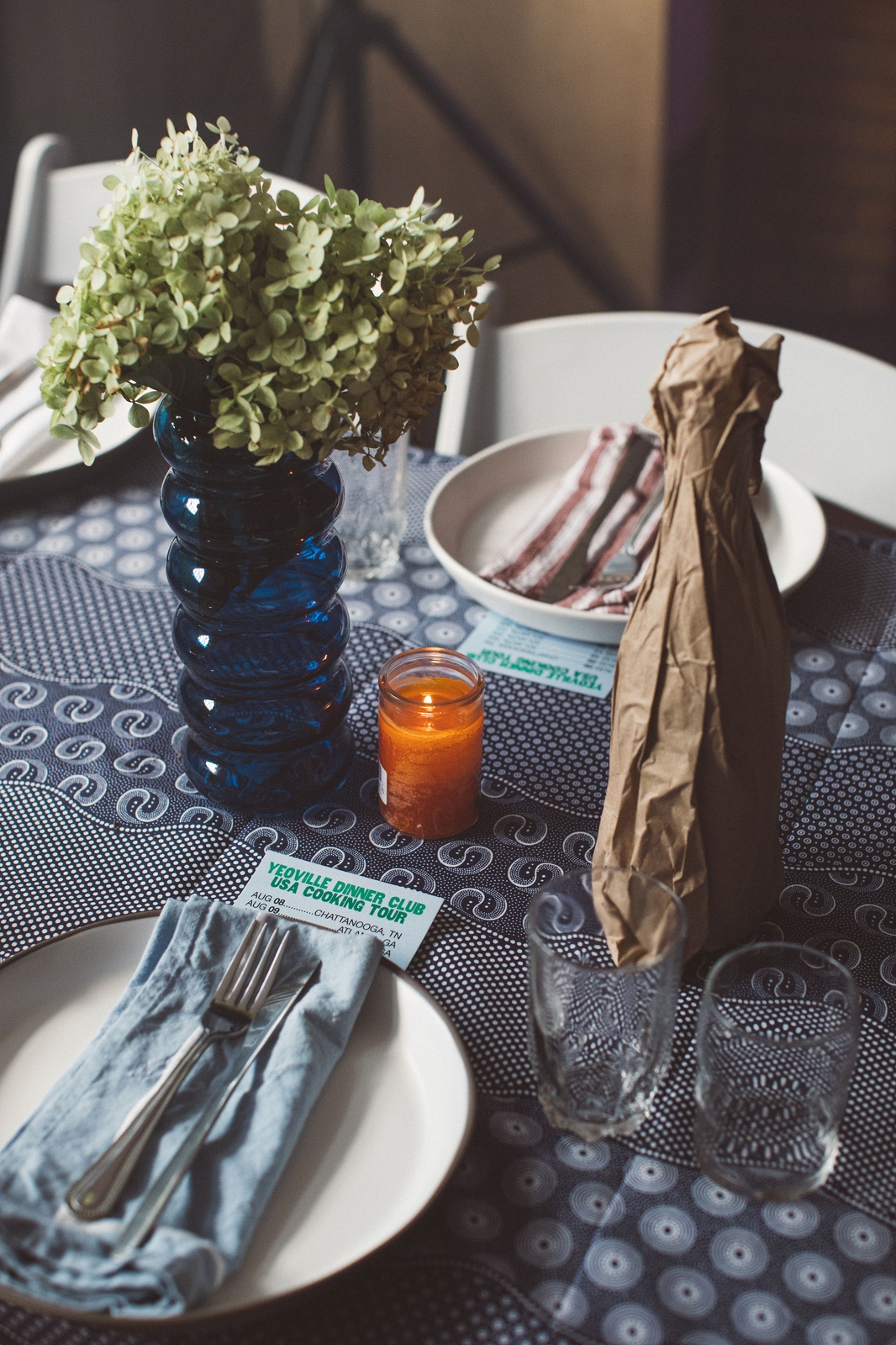
Let's start here. The Gospels tell of the water-into-wine miracle: at a bumping wedding party, the host runs out of the good stuff.
The keg ran dry, so the host dusted off the Franzia or — worse — just served seltzer. Bad move.
“Fill the jars with water," Jesus told the caterers.
Lo and behold, his first miracle. Water became wine.
Lots of questions for God once we cross into the afterlife. But for Caleb, there's one near the top of his list when he reaches Heaven.
"What was that wine you made?" he said, smiling.
It's a fabulous question. For his first miracle, did Jesus just replicate the house wine?
Or do something ... magical?
"I'm really curious," he said. "Was it a Bordeaux? Or something culturally appropriate?
"Or did he blow everybody's mind by making something nobody had ever had?"

Christianity centralizes wine; it is both physical and symbolic, bookending Jesus's first get-this-party-going miracle and the final time he ate with his friends.
"Take this cup," he told his mates, and that cup was brimming with wine.
But why?
What is it about wine that straddles both the physical and spiritual realms?
"It's the invitation," Caleb said again.
Towards what?
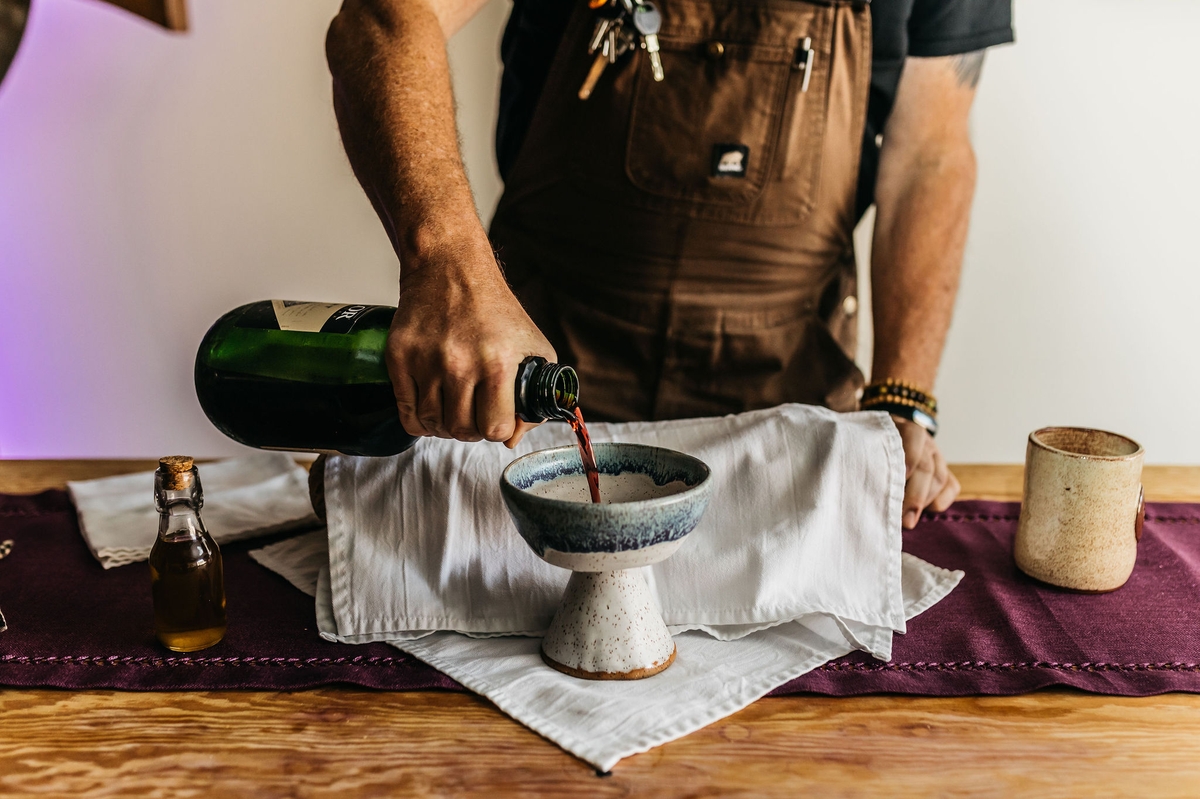
On Thanksgiving, we opened a bottle of Undurraga, a red blend from Chile that Caleb suggested.
Not only was it delicious, a real surprise and unlike any red I'd had lately, the Undurraga came from a winery more than a century old owned by a family, not some big corporation.
By choosing that Unduragga, I was choosing something else.
"You're putting bread on a farmer's table," Caleb said.
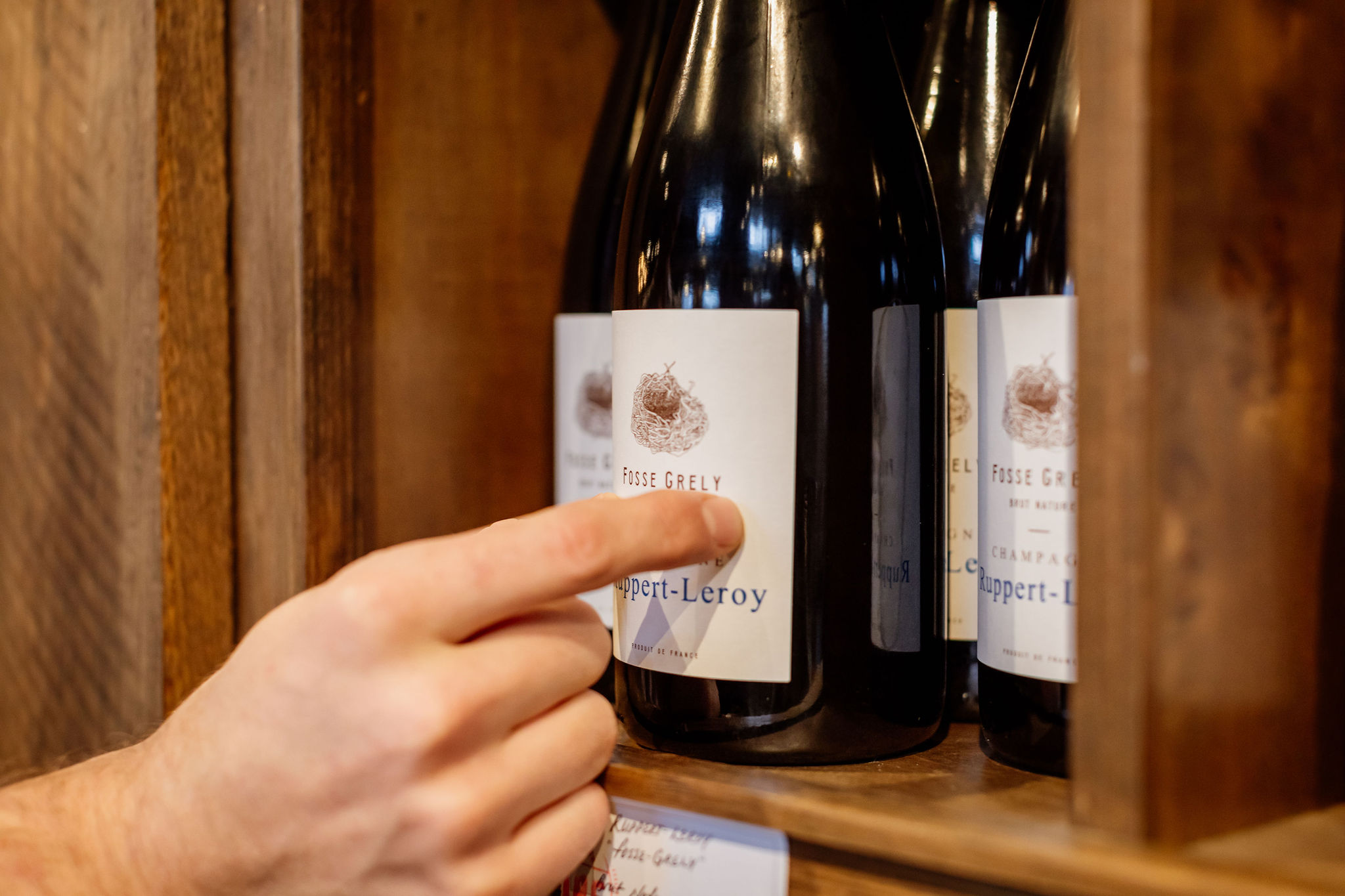
Most nights, I drink a glass of Navarra red produced by this man here. (His wine sells for $16 at Imbibe or Pruett's.)
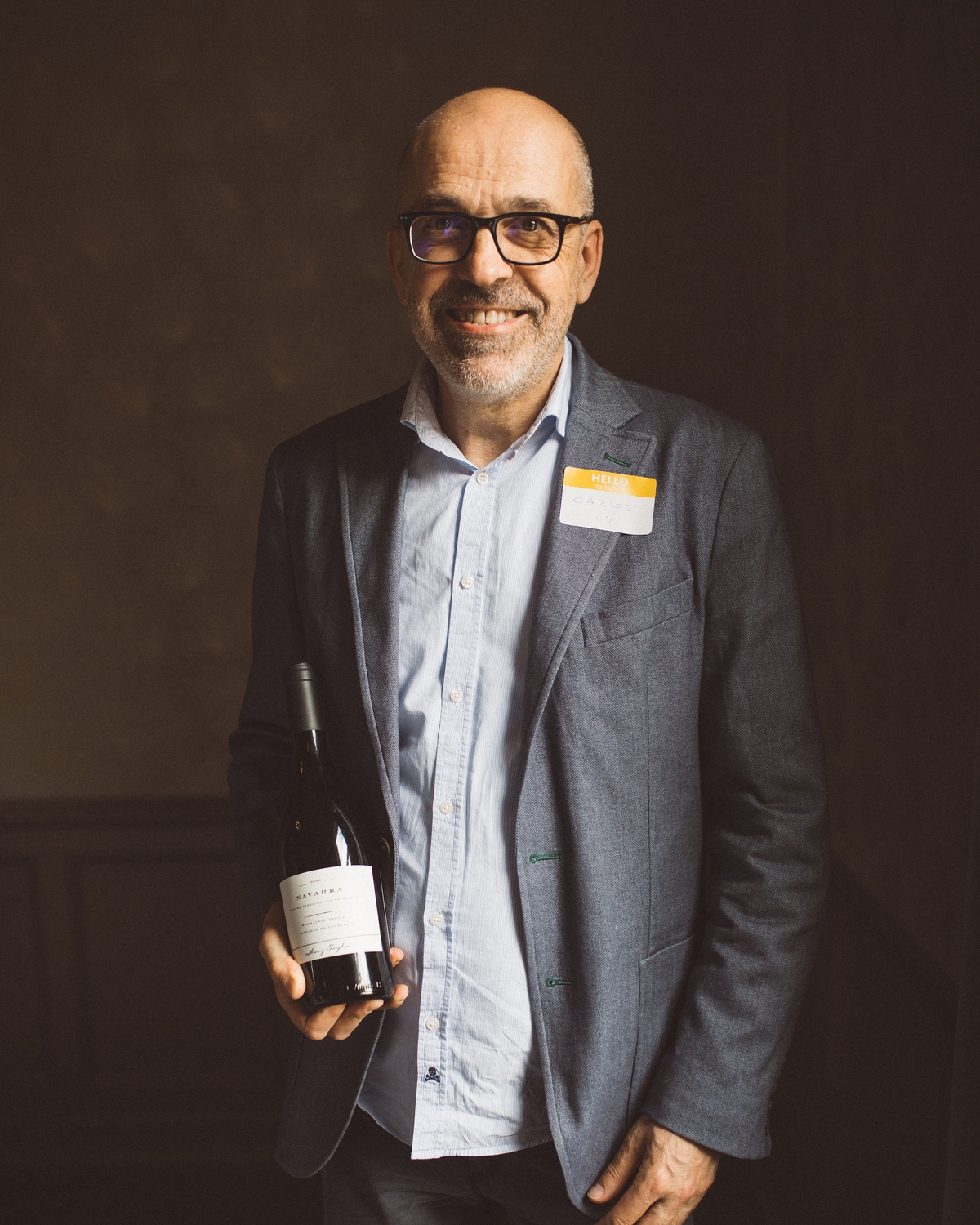
He lives and farms in Spain, halfway across the world.
I even know what his vineyards look like.
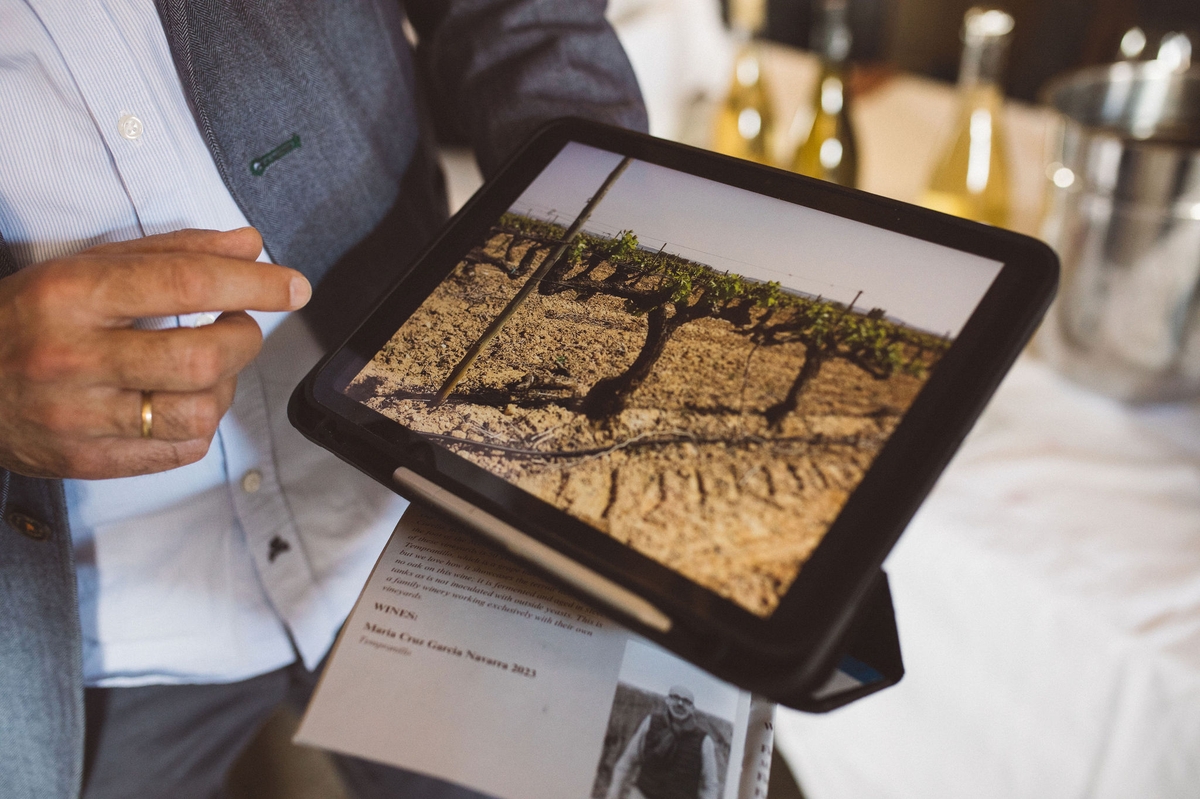
Why? How?
Because we met. Shook hands. We shared a half-hour together earlier this year.
Earlier this year, we spent an afternoon with him and other European wine producers. Read: small farmers, regular families with bills and dreams and leaky roofs and beautiful vineyards and maybe, just maybe, a vacation this summer.
Suddenly, selecting wine at the store wasn't so abstract.
Behind each label were humans — and I'd just spent the afternoon talking with some of them.
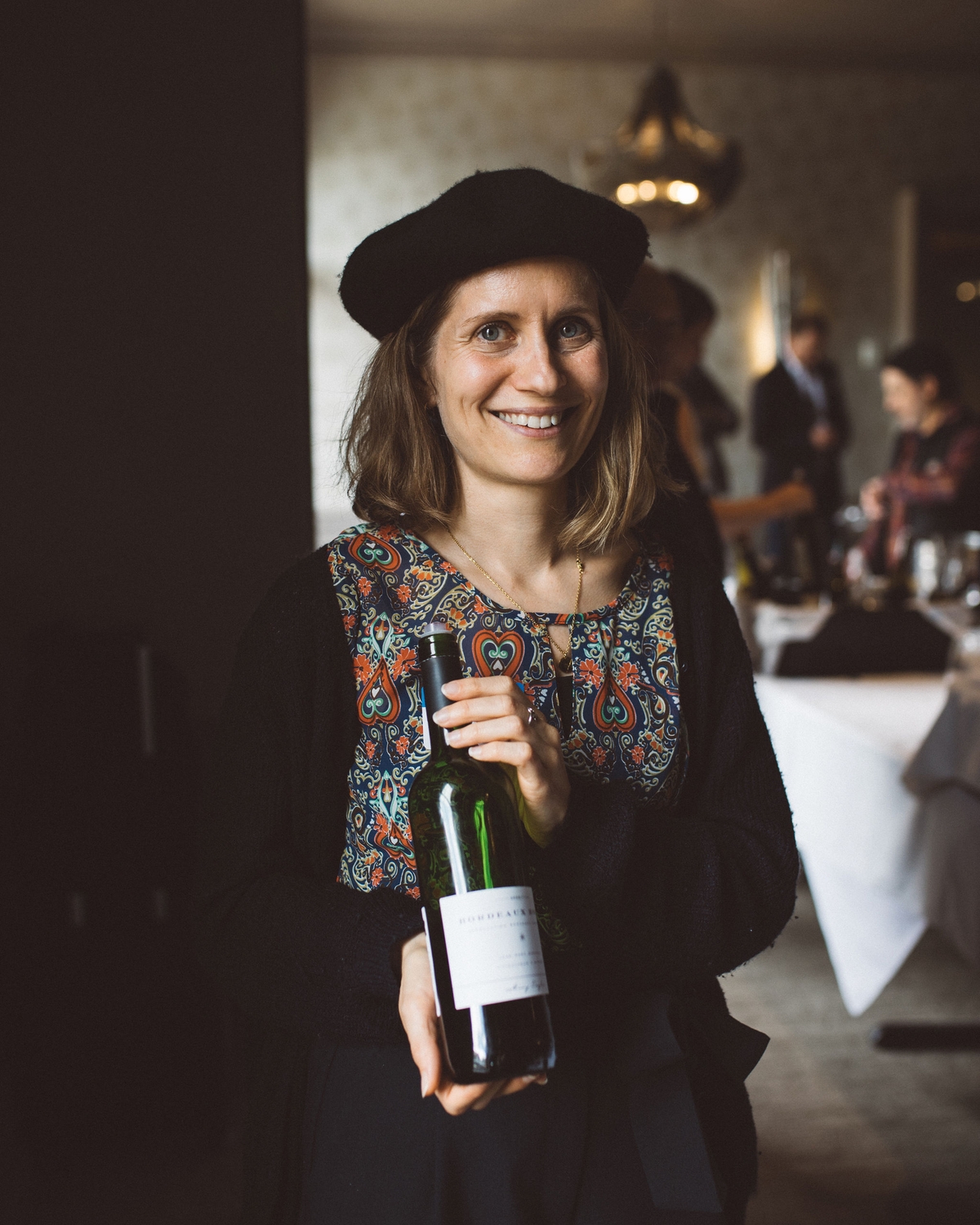
Behind other labels? Faceless machinery, massive corporate complexities.
That's what I am remembering.
"Take a risk on the small farmer," Caleb said. "Remember him. Remember him and his life."
Take this cup, Jesus said.
But which cup?
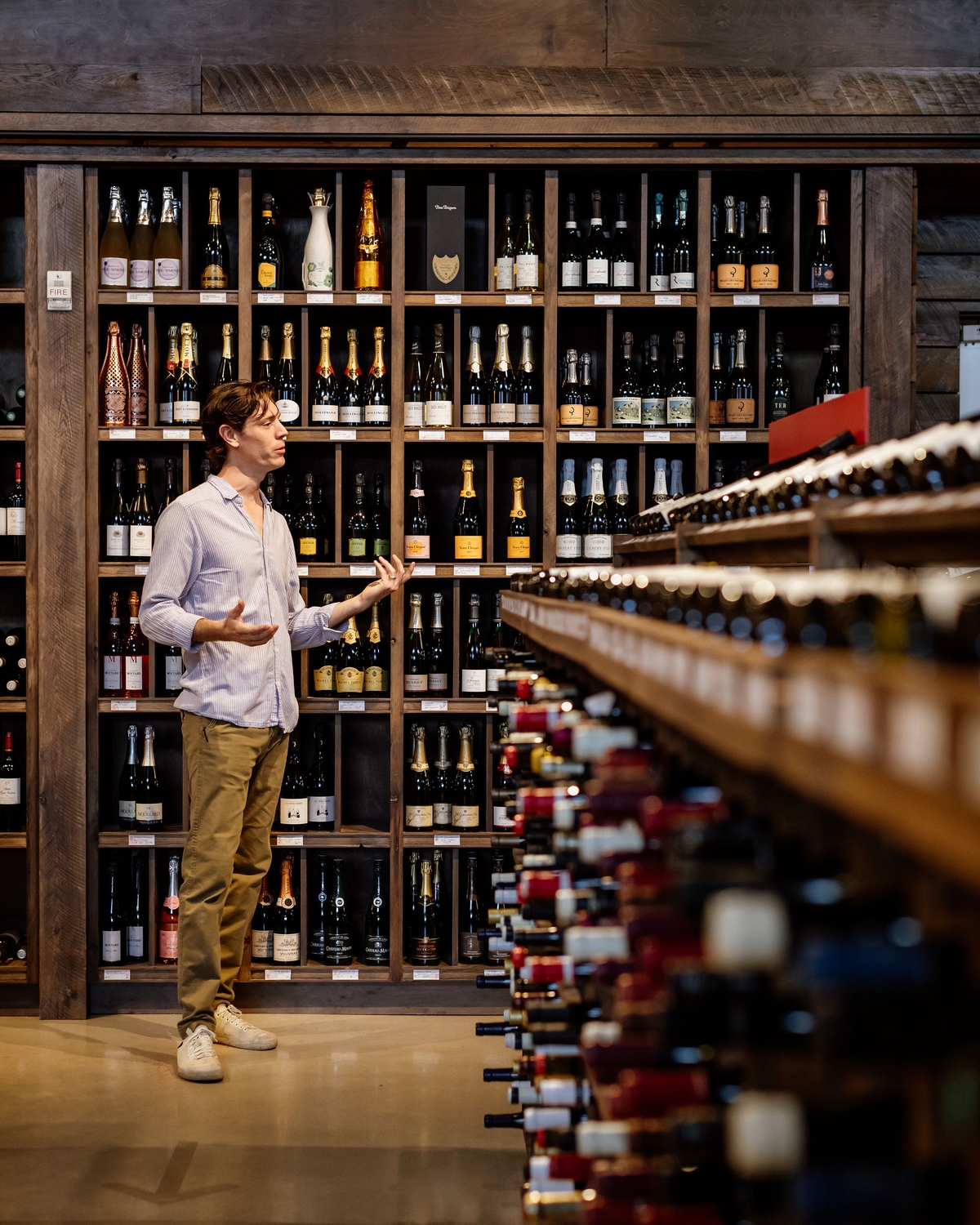
For Caleb, taking the cup means also taking the responsibility of choosing wine produced from small farmers treating the land, or Creation, with care and generational respect.
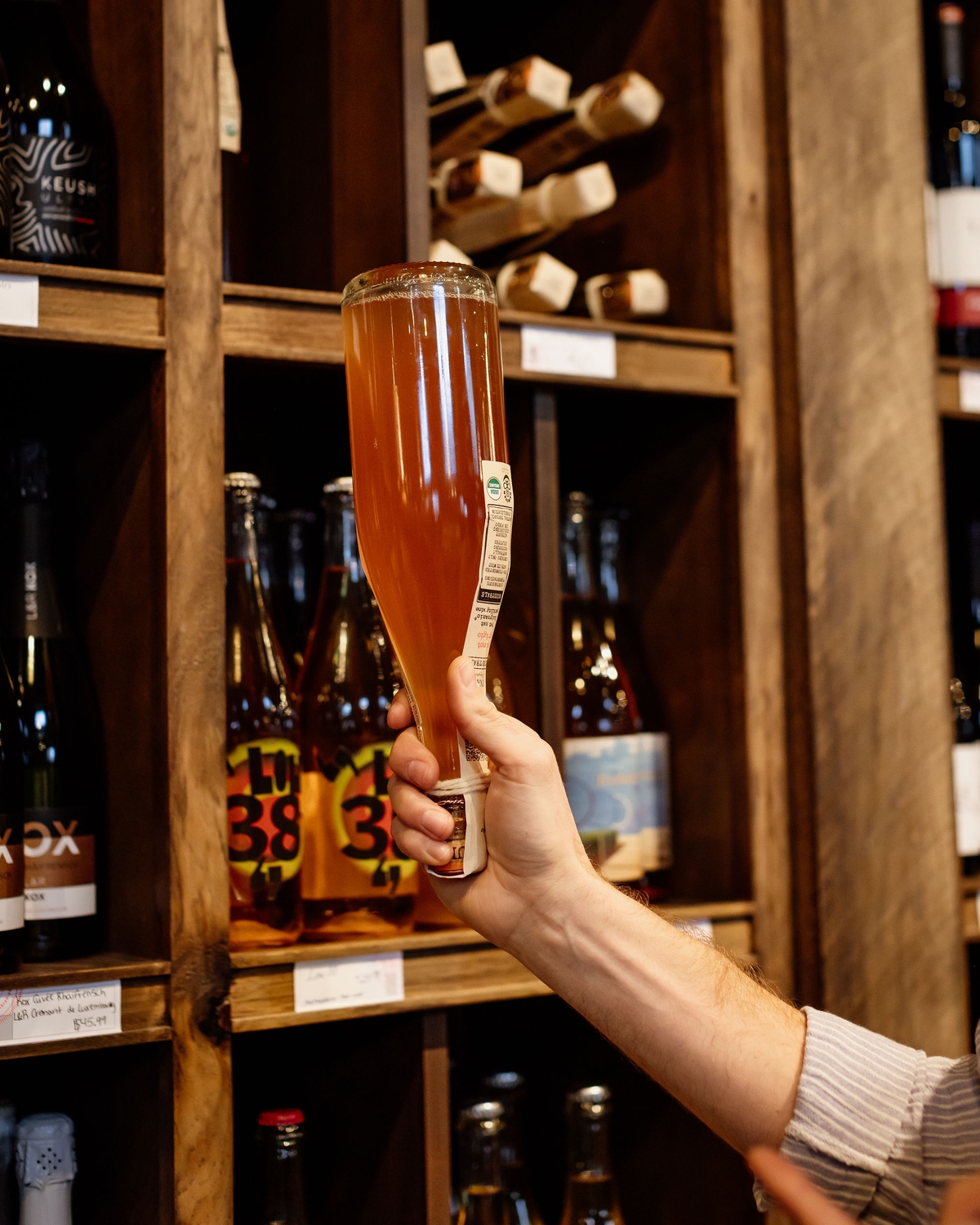
Sure, it's risky. It may turn upside down your safe ... predictable ... wine selection.
Good.
Welcome to the mystery.
"That's part of the spirituality of wine," said Caleb. "God is a mystery. That's the romance of learning and exploring."
The predictability we seek with wine can be a reflection of the predictability we seek in life. (Hands high here: am I alone on this one or does anyone else do the same?)
Wine doesn't play that game.
"Start thinking about wine as like a carton of organic raspberries," said Caleb. "Stop thinking about it like it's going to be the same every single time.
"Yet, so much of it is made in a lab."
(For all members of The Table, Caleb shared an exclusive list of trustworthy wine importers that support small farmers across the world.)
Think of Noah after the Big Rains.
"One of the first things man did — the only man left after the whole world was destroyed — was to plant a vineyard," said Caleb.
"That meant he had also saved vine cuttings or grape seeds on the ark to plant later. There's forethought behind it."
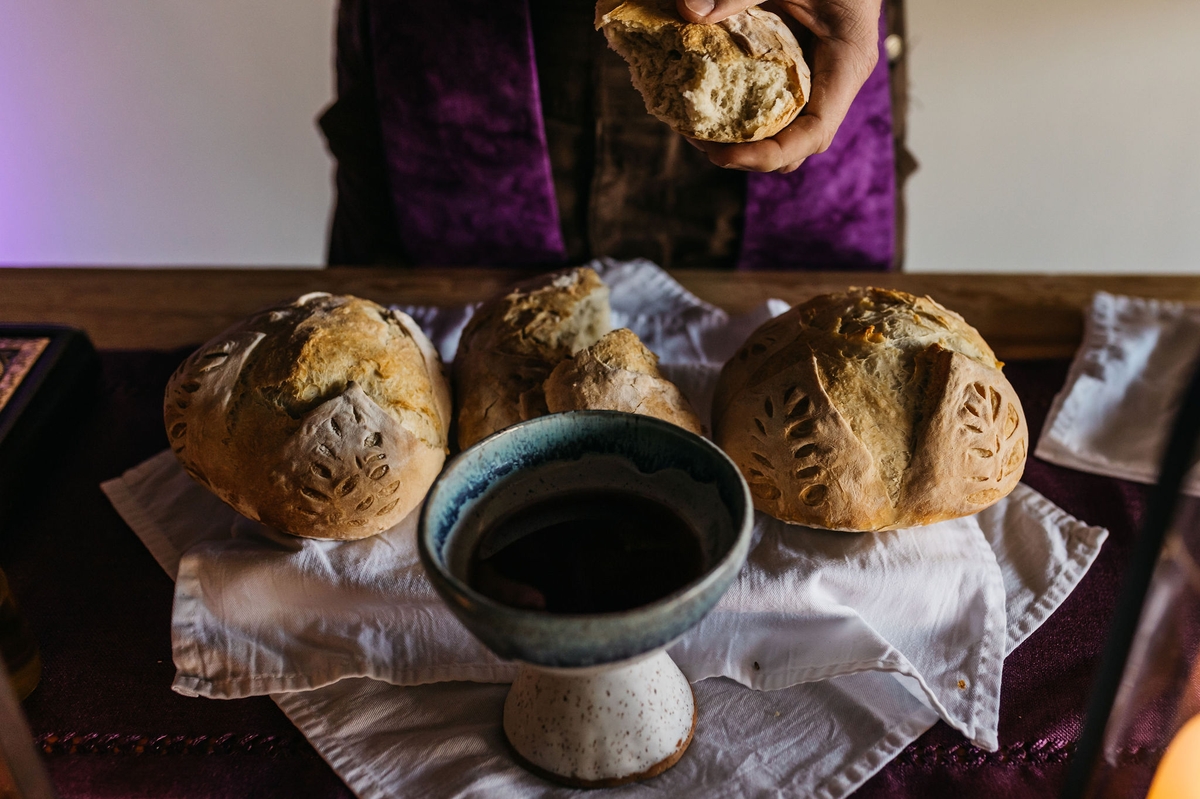
This Christmas, many of us will take communion.
For centuries, that cup has been traditionally full of wine.
"That's what Jesus drank at Passover and the Last Supper," he said.
So, it's a normal Tuesday at 7.30 pm and it already feels exhausting. All we want: sit down, plop our feet up, and Calgon-float away with a glass of good red.
How can I also remember this is a spiritual moment, not just a physical one?
"When you're in the rush of it all and tempted to be frustrated and exhausted and discouraged," he said, "you've got the in-laws in town and the turkey didn't turn out and so-and-so got the last ham, we think: I need a glass of Cabernet to unwind.
"Delight in the fact that this thing has been created for you to relax with and enjoy and to feel rejuvenated and rested," he said.
"It is not to aid ... in your numbing. It is not to aid in the forgetting.
"It's to aid in life."
Story ideas, questions, feedback? Interested in partnering with us? Email: david@foodasaverb.com
This story is 100% human generated; no AI chatbot was used in the creation of this content.
Sometimes, I drink to forget.
Forget today's stress, forget tomorrow's tension.
This Christmas, can I also drink to remember?
But what, exactly, am I remembering?
"The invitation," said Caleb Kneip, wine director at Imbibe.
Caleb's a friend who's also a wine expert and Christian. Earlier this winter, we sat down around this question:
Yes, wine is a physical experience.
"Real wine is an agricultural product that comes from the earth," he said. "It comes from Creation."
But can it also be spiritual?
Let's start here. The Gospels tell of the water-into-wine miracle: at a bumping wedding party, the host runs out of the good stuff.
The keg ran dry, so the host dusted off the Franzia or — worse — just served seltzer. Bad move.
“Fill the jars with water," Jesus told the caterers.
Lo and behold, his first miracle. Water became wine.
Lots of questions for God once we cross into the afterlife. But for Caleb, there's one near the top of his list when he reaches Heaven.
"What was that wine you made?" he said, smiling.
It's a fabulous question. For his first miracle, did Jesus just replicate the house wine?
Or do something ... magical?
"I'm really curious," he said. "Was it a Bordeaux? Or something culturally appropriate?
"Or did he blow everybody's mind by making something nobody had ever had?"
Christianity centralizes wine; it is both physical and symbolic, bookending Jesus's first get-this-party-going miracle and the final time he ate with his friends.
"Take this cup," he told his mates, and that cup was brimming with wine.
But why?
What is it about wine that straddles both the physical and spiritual realms?
"It's the invitation," Caleb said again.
Towards what?
On Thanksgiving, we opened a bottle of Undurraga, a red blend from Chile that Caleb suggested.
Not only was it delicious, a real surprise and unlike any red I'd had lately, the Undurraga came from a winery more than a century old owned by a family, not some big corporation.
By choosing that Unduragga, I was choosing something else.
"You're putting bread on a farmer's table," Caleb said.
Most nights, I drink a glass of Navarra red produced by this man here. (His wine sells for $16 at Imbibe or Pruett's.)
He lives and farms in Spain, halfway across the world.
I even know what his vineyards look like.
Why? How?
Because we met. Shook hands. We shared a half-hour together earlier this year.
Earlier this year, we spent an afternoon with him and other European wine producers. Read: small farmers, regular families with bills and dreams and leaky roofs and beautiful vineyards and maybe, just maybe, a vacation this summer.
Suddenly, selecting wine at the store wasn't so abstract.
Behind each label were humans — and I'd just spent the afternoon talking with some of them.
Behind other labels? Faceless machinery, massive corporate complexities.
That's what I am remembering.
"Take a risk on the small farmer," Caleb said. "Remember him. Remember him and his life."
Take this cup, Jesus said.
But which cup?
For Caleb, taking the cup means also taking the responsibility of choosing wine produced from small farmers treating the land, or Creation, with care and generational respect.
Sure, it's risky. It may turn upside down your safe ... predictable ... wine selection.
Good.
Welcome to the mystery.
"That's part of the spirituality of wine," said Caleb. "God is a mystery. That's the romance of learning and exploring."
The predictability we seek with wine can be a reflection of the predictability we seek in life. (Hands high here: am I alone on this one or does anyone else do the same?)
Wine doesn't play that game.
"Start thinking about wine as like a carton of organic raspberries," said Caleb. "Stop thinking about it like it's going to be the same every single time.
"Yet, so much of it is made in a lab."
(For all members of The Table, Caleb shared an exclusive list of trustworthy wine importers that support small farmers across the world.)
Think of Noah after the Big Rains.
"One of the first things man did — the only man left after the whole world was destroyed — was to plant a vineyard," said Caleb.
"That meant he had also saved vine cuttings or grape seeds on the ark to plant later. There's forethought behind it."
This Christmas, many of us will take communion.
For centuries, that cup has been traditionally full of wine.
"That's what Jesus drank at Passover and the Last Supper," he said.
So, it's a normal Tuesday at 7.30 pm and it already feels exhausting. All we want: sit down, plop our feet up, and Calgon-float away with a glass of good red.
How can I also remember this is a spiritual moment, not just a physical one?
"When you're in the rush of it all and tempted to be frustrated and exhausted and discouraged," he said, "you've got the in-laws in town and the turkey didn't turn out and so-and-so got the last ham, we think: I need a glass of Cabernet to unwind.
"Delight in the fact that this thing has been created for you to relax with and enjoy and to feel rejuvenated and rested," he said.
"It is not to aid ... in your numbing. It is not to aid in the forgetting.
"It's to aid in life."
Story ideas, questions, feedback? Interested in partnering with us? Email: david@foodasaverb.com
This story is 100% human generated; no AI chatbot was used in the creation of this content.
Food as a verb thanks our story sponsor:
Food as a Verb Thanks our sustaining partner:
Food as a verb thanks our story sponsor:
Join our table

keep reading