70 Years of Slaughter: What's Left Behind in the Ground and Air?
I was chuckling at a downtown red light when my daydream ended.
Food as a verb thanks
for sponsoring this series

I was at a Broad St. red light this week when my daydream ended. A truck pulled up next to me: I was jerked awake by what I saw.
The daydream felt easier. The truth, far more painful and difficult.
Let's walk slowly to this. First: a question.
What is the lasting power of certain places? How do we name and describe the way some places feel hallowed or haunted or holy?
If we gave you the keys to the bus and said: take us to a place where you feel the spirit of God, or tremendous uplift and ease, where would you go?
I remember walking up the narrowest of Amsterdam stairs into the attic where Anne Frank hid. The air felt different, like it weighed more. Heavier and enormous and somehow — despite the Franks having been gone for more than 60 years — alive, as if something still remained.
(Folks were getting high in line. It was Amsterdam. We all have ways of coping.)
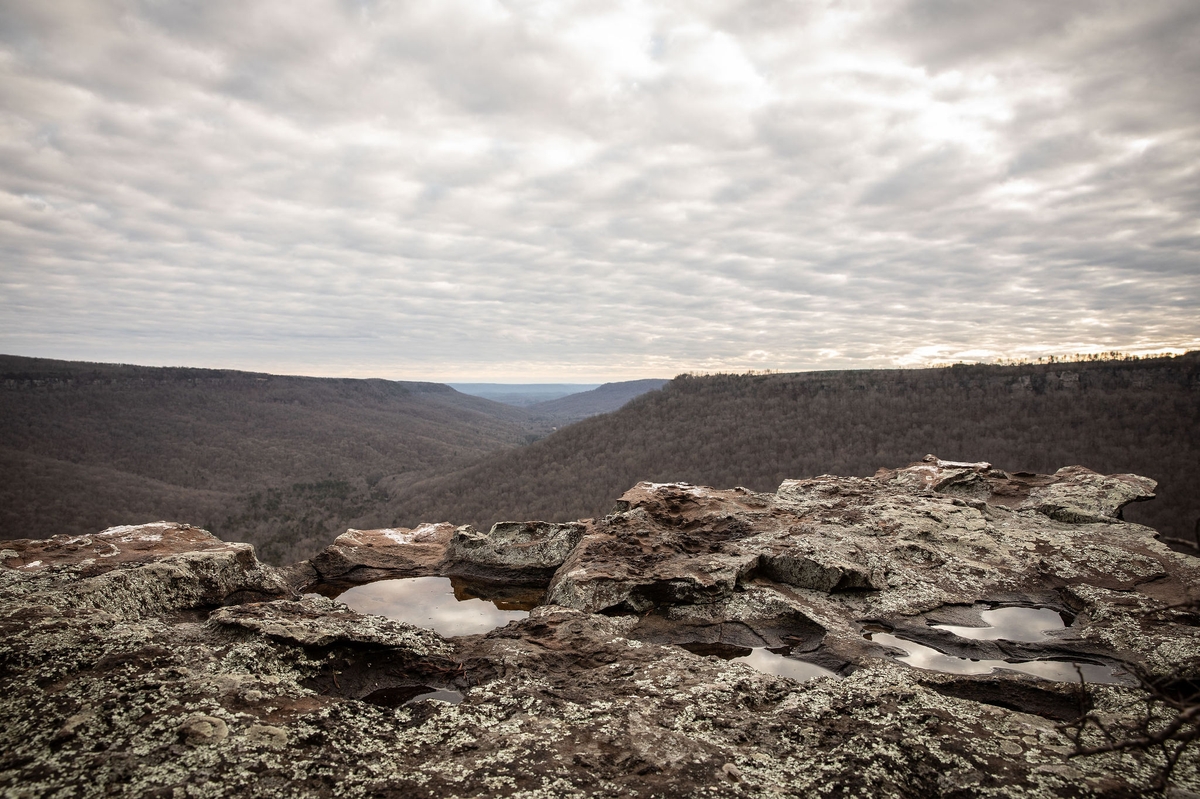
We don't have to search hard to find this experience. Think of the National Cemetery, decorated with flags. Or the Tivoli Theater silence as the conductor raises her baton, right before the symphony begins. Or Chickamauga at dawn. Or the river gorge.
Or, even room 311 of the Read House.
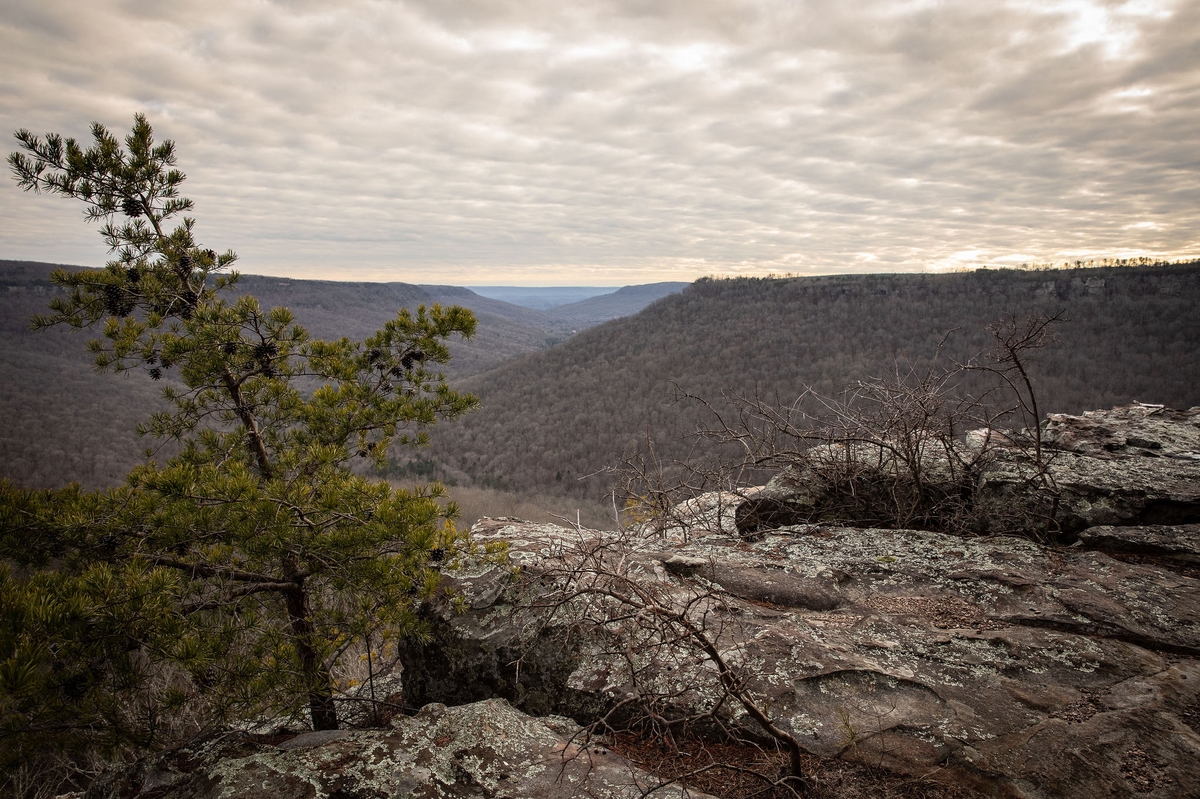
Places like these are like tokens or keys, and the tumblers in our hearts unlock and open.
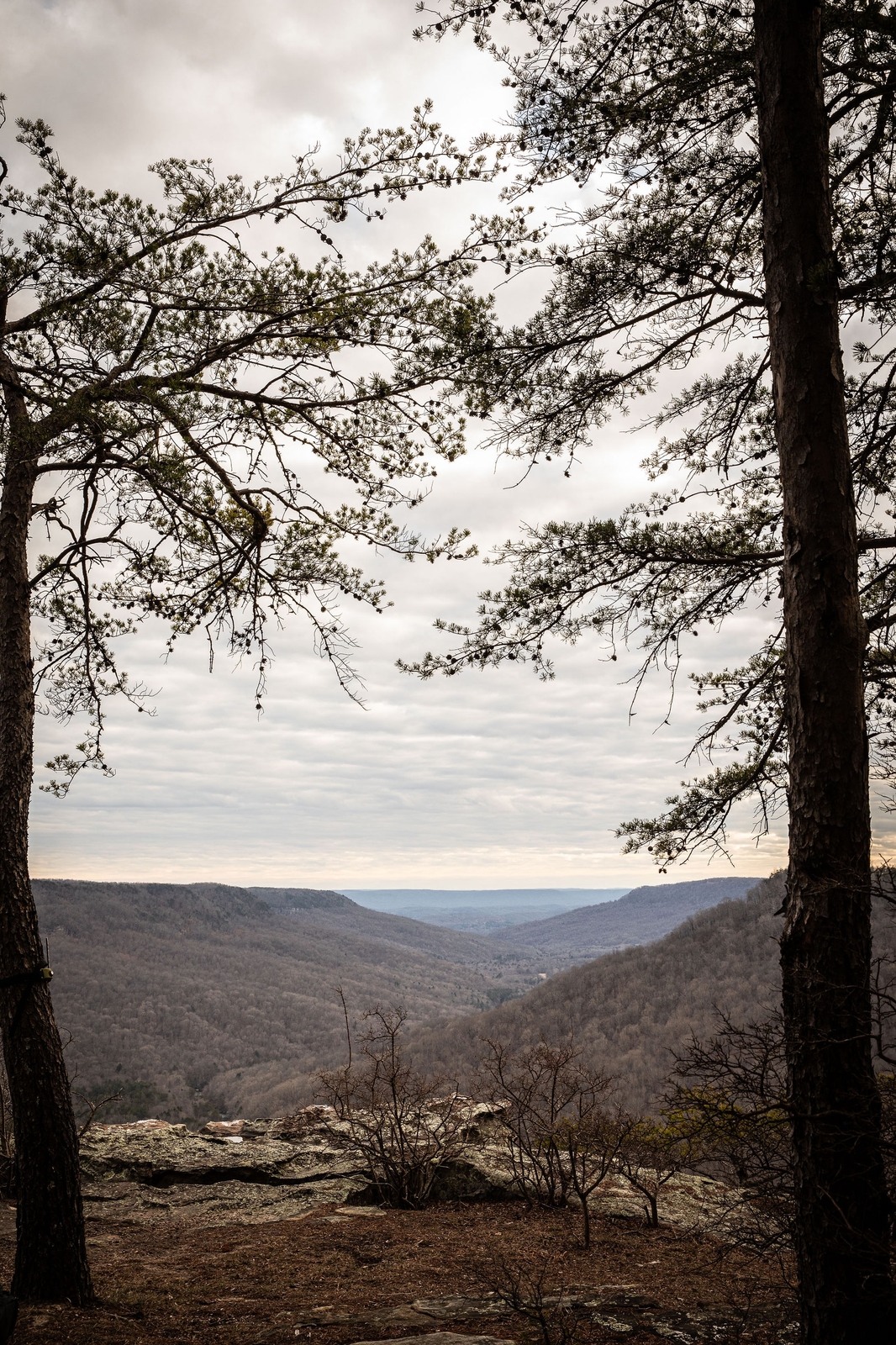
The present carries the past. Geographies and places hold the residue and echoes of yesterday and yesteryear.
Almost like seeds planted, things — actions, cruelties, mercies — grow into and affect the atmosphere and spirit of a place.
Places aren't neutral. They carry histories.
Those histories impact us; they have a presence.
Walking onto Auschwitz feels massively different than walking into a shopping mall or golf course.
Lincoln named it as hallowed ground.
It may be haunted, also.
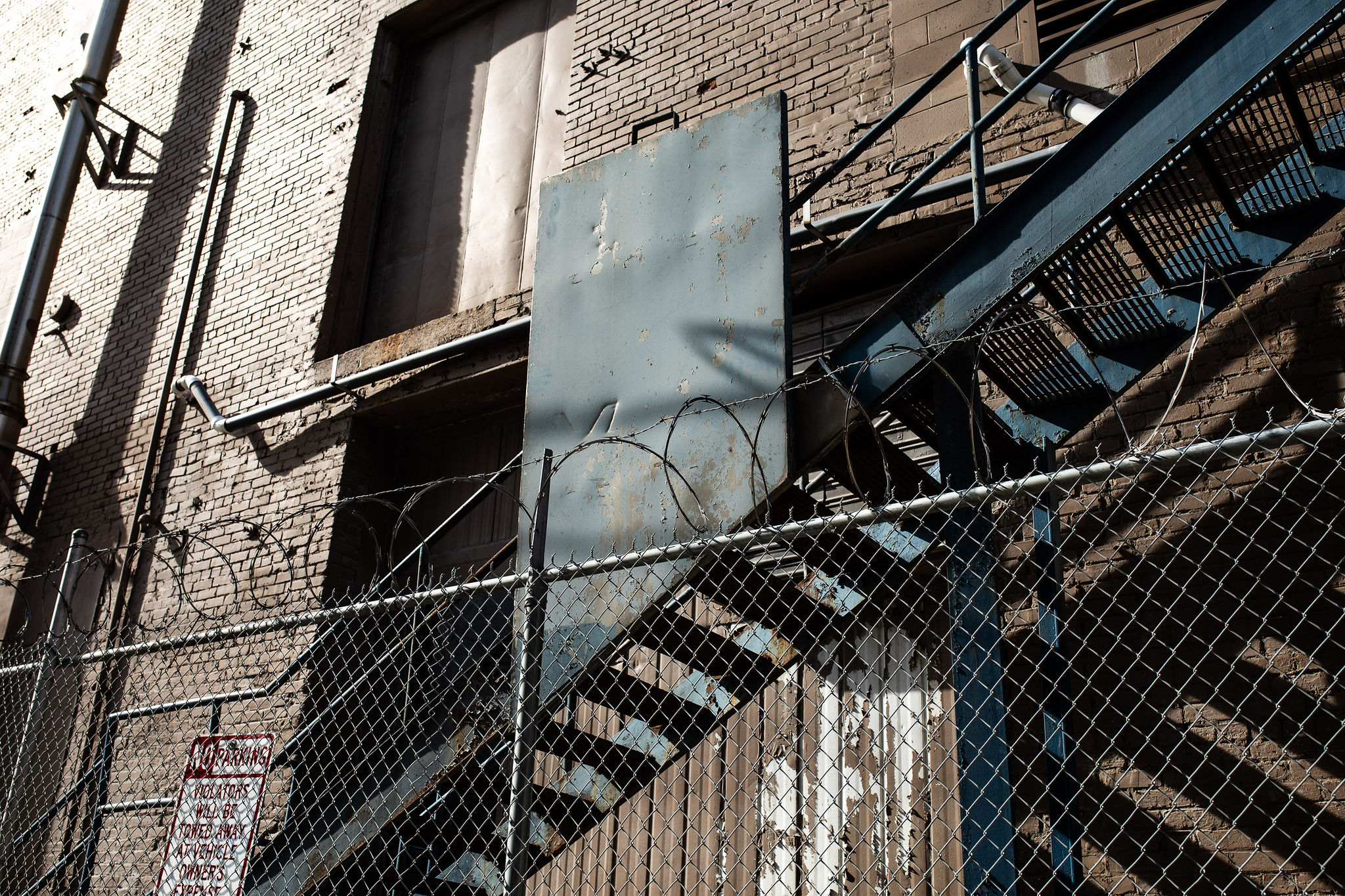
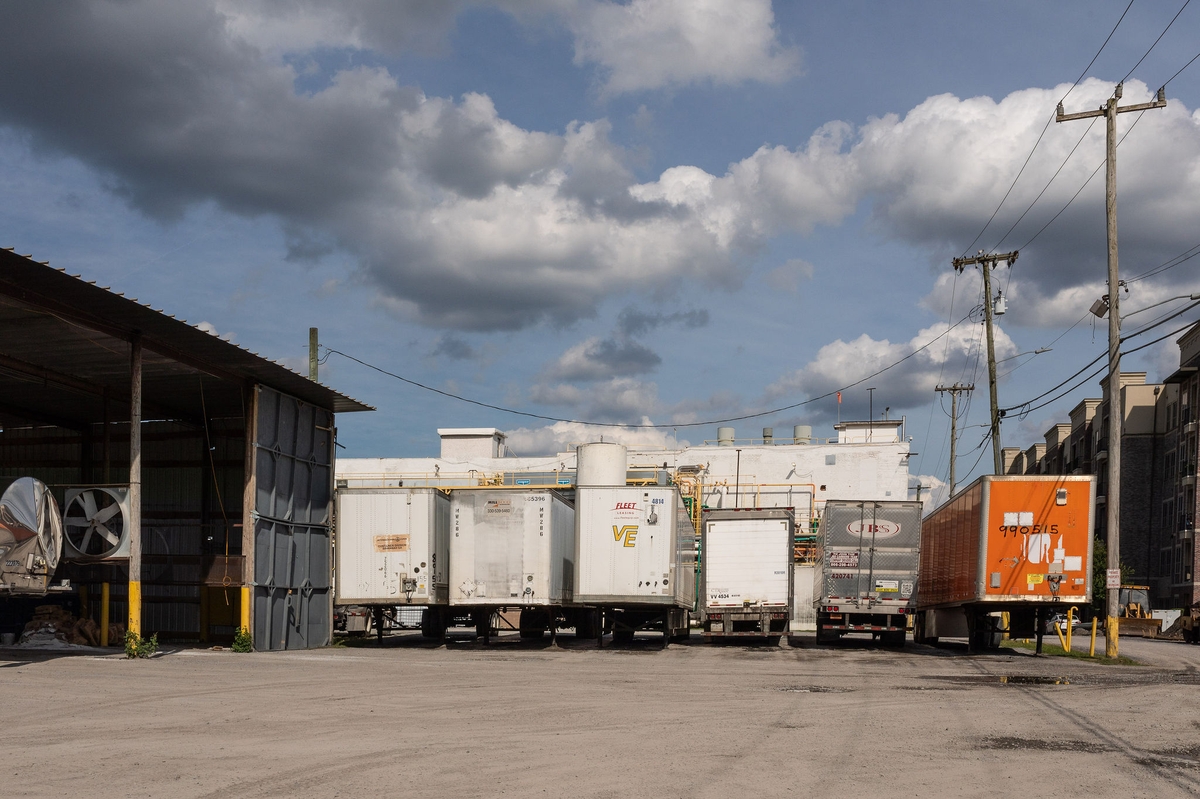
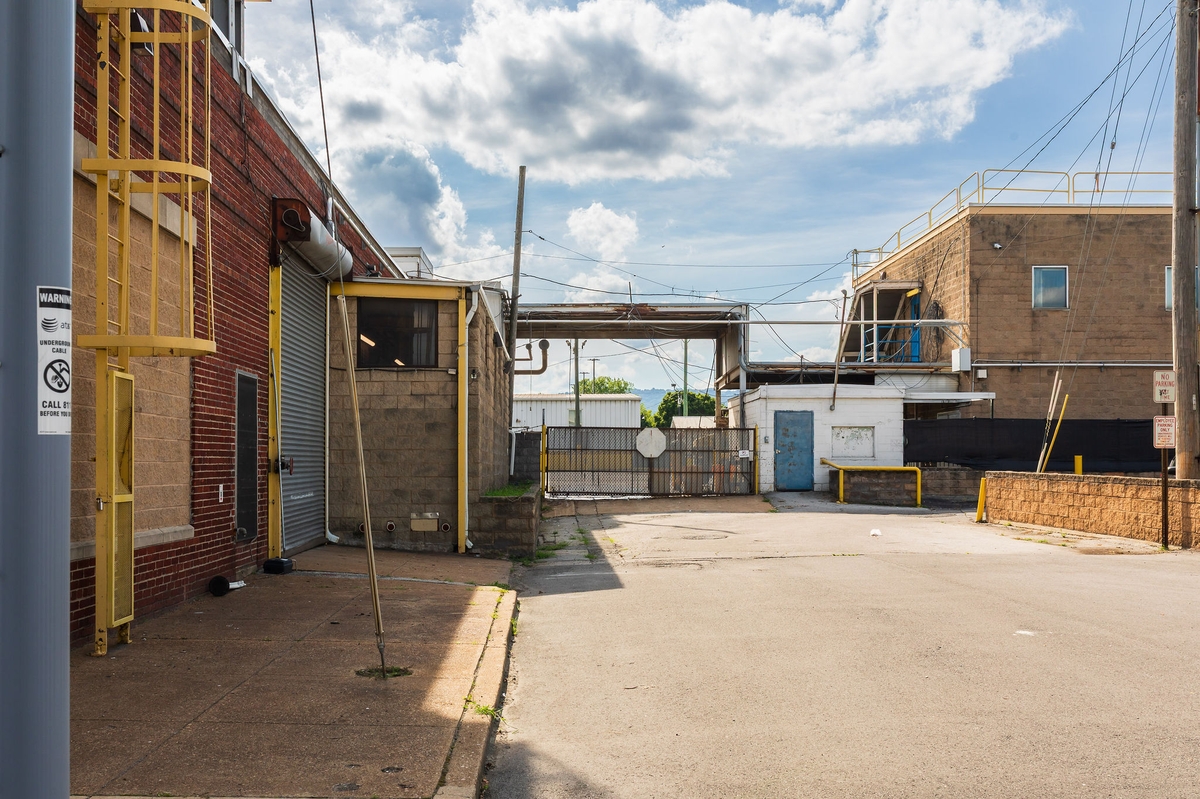
In the 1500 block of Broad Street, the Pilgrim's Pride plant has been slaughtering chickens since the 1950s.
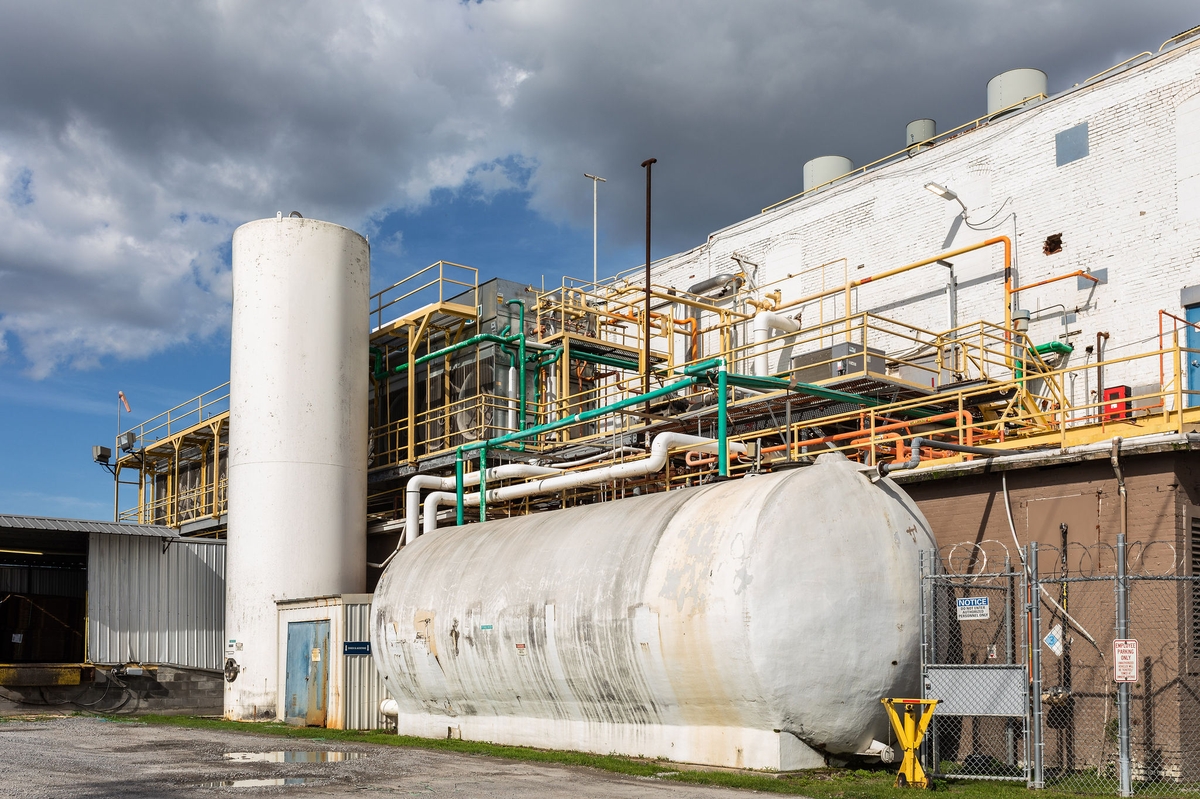
How many millions upon millions upon millions of chickens were slaughtered there?
And what is the spiritual, ethical and moral residue and damage left behind from decades of violence?
Some wobbly math for basic context: there are roughly 320 USDA inspected poultry slaughterhouses today.
If nine billion chickens are slaughtered in the US each year, that averages out to approximately 750 million per month.
If all things are equal — we know they aren't — then each plant would be responsible for slaughtering more than two million chickens each month.
The math boggles the mind, stuns the heart, the enormity of such scale.
It's entirely possible then: theoretically, over 70 years — even with demand and supply fluctuating — hundreds of millions of chickens have been slaughtered on Broad Street.
What is the legacy of a place like that?
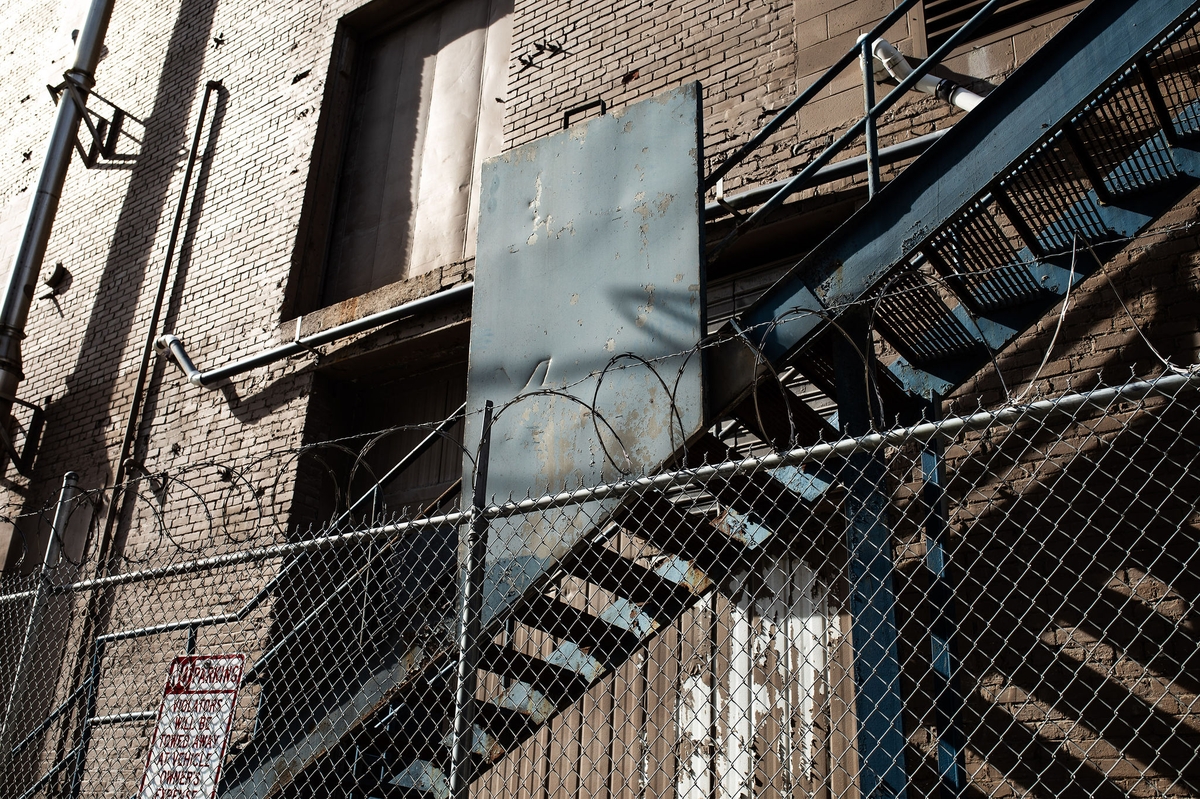
Do you remediate this factory once it closes?
If we clean lead from the contaminated ground, do we also clean the history of blood from the ground here?
If murder happens in a four-bedroom, two-bath home, do realtors disclose the history?
What type of business takes over this factory slaughterhouse? What type of remodeling — spiritual, ethical, atmospheric — must occur?
Now, back to my daydream story.
I was downtown, mid-morning, stopped and waiting for a red light to turn green. (I was chuckling, the Smartless guys on the radio.)
A truck headed for Pilgrim's pulled up next to me. I looked left.
There they were.
There at that red light, the chickens — their distance, so-close to me — ended the daydream. For that moment, I couldn't forget, couldn't ignore, couldn't pretend. I couldn't hide in my daydream — forgetting what was happening just a quarter-mile away. (We all have ways of coping.)
This was part of the factory slaughterhouse writ large.
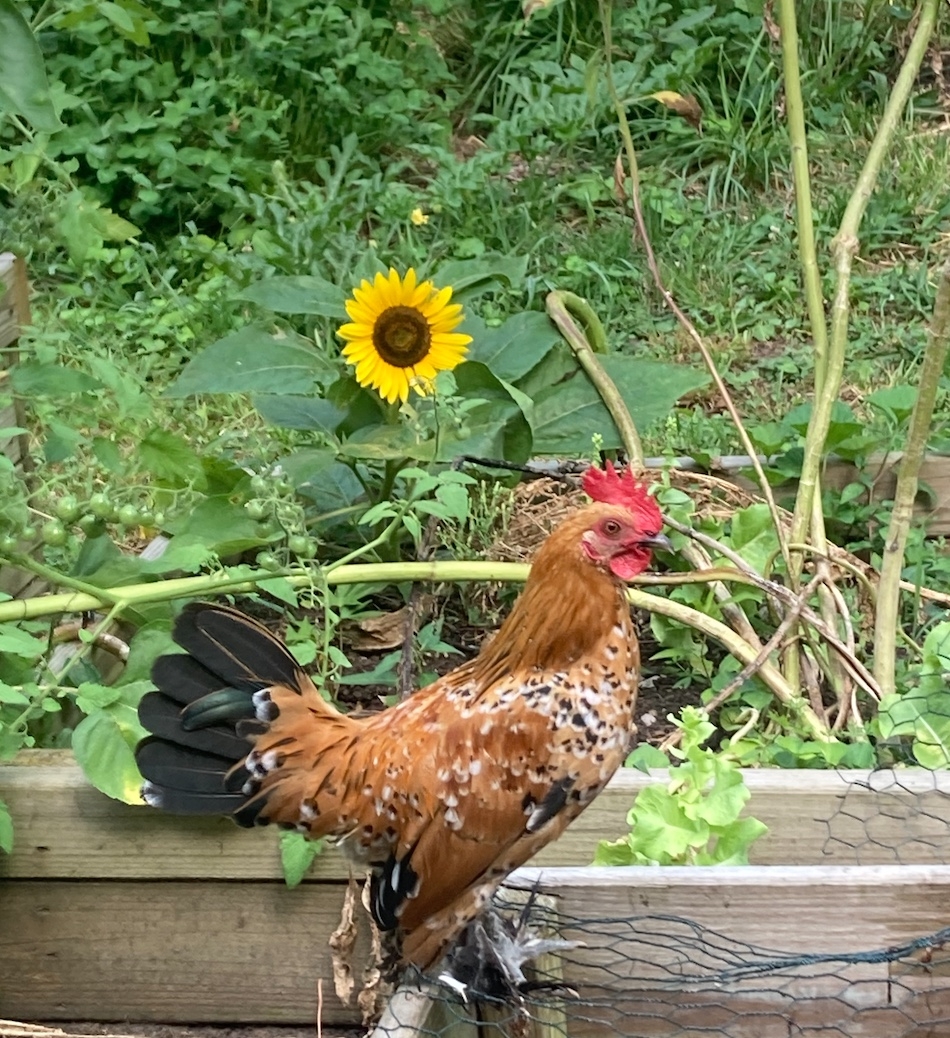
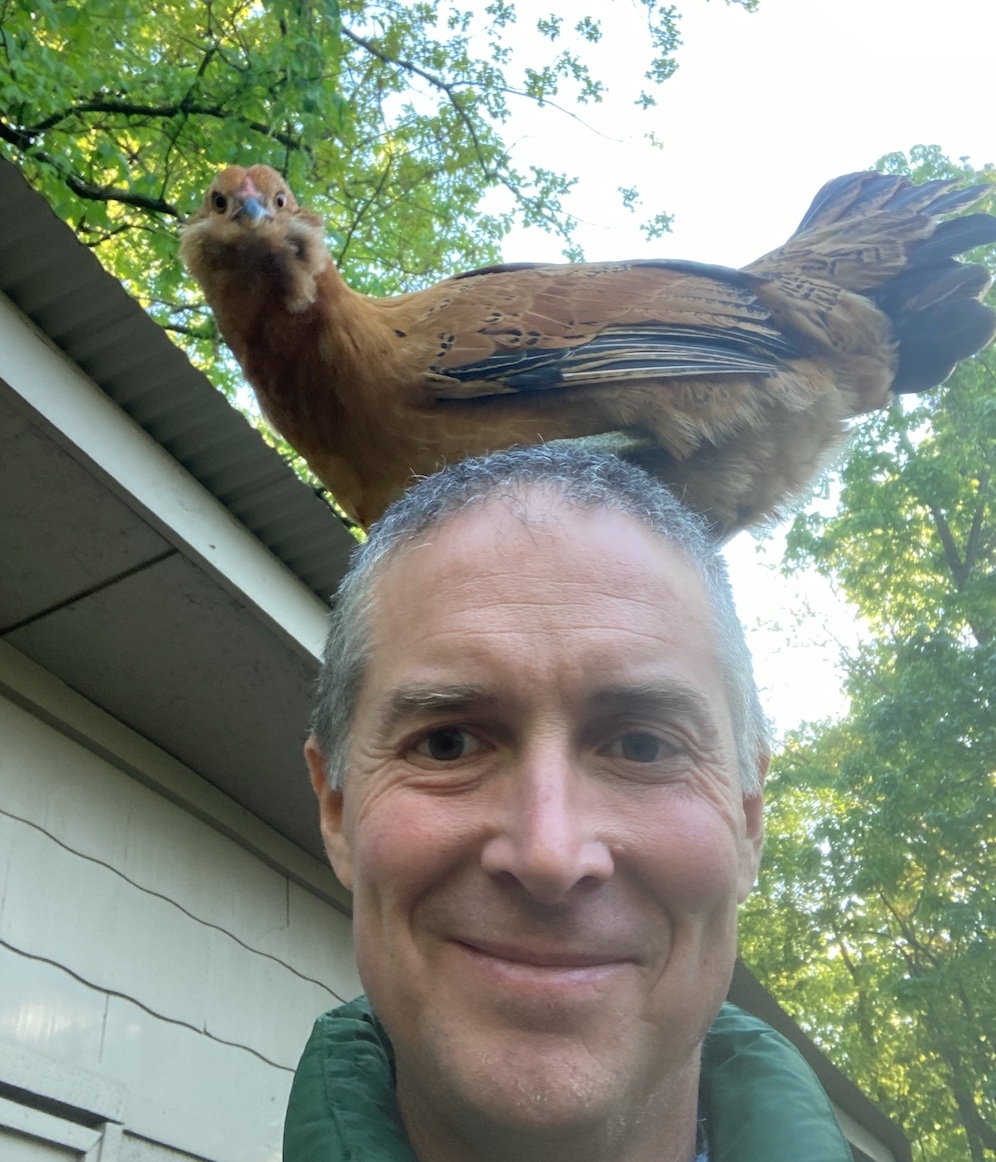
Proximity has this power ... especially when we've raised our own backyard hens for more than a decade now, and know chickens to be sentient, playful, quite gorgeous and even pet-like.

For the last 70 years, Pilgrim's has been many things: an employer, a neighbor, a nuisance. We've published stories about it all.
But in the end, it's always been one thing above all others: a place of death and violence that offloads the karmic weight of slaughter onto the shoulders of low-income men and women.
In the end, it wasn't collective activism or moral outrage that shut it down.
It was money.
Pilgrim's announced it's investing in a Georgia facility.
What will remain in the air and ground there at the 1500 block of Broad Street?
When Pilgrim's leaves Chattanooga, what will be left behind?
Story ideas, questions, feedback? Interested in partnering with us? Email: david@foodasaverb.com
This story is 100% human generated; no AI chatbot was used in the creation of this content.
I was at a Broad St. red light this week when my daydream ended. A truck pulled up next to me: I was jerked awake by what I saw.
The daydream felt easier. The truth, far more painful and difficult.
Let's walk slowly to this. First: a question.
What is the lasting power of certain places? How do we name and describe the way some places feel hallowed or haunted or holy?
If we gave you the keys to the bus and said: take us to a place where you feel the spirit of God, or tremendous uplift and ease, where would you go?
I remember walking up the narrowest of Amsterdam stairs into the attic where Anne Frank hid. The air felt different, like it weighed more. Heavier and enormous and somehow — despite the Franks having been gone for more than 60 years — alive, as if something still remained.
(Folks were getting high in line. It was Amsterdam. We all have ways of coping.)
We don't have to search hard to find this experience. Think of the National Cemetery, decorated with flags. Or the Tivoli Theater silence as the conductor raises her baton, right before the symphony begins. Or Chickamauga at dawn. Or the river gorge.
Or, even room 311 of the Read House.
Places like these are like tokens or keys, and the tumblers in our hearts unlock and open.
The present carries the past. Geographies and places hold the residue and echoes of yesterday and yesteryear.
Almost like seeds planted, things — actions, cruelties, mercies — grow into and affect the atmosphere and spirit of a place.
Places aren't neutral. They carry histories.
Those histories impact us; they have a presence.
Walking onto Auschwitz feels massively different than walking into a shopping mall or golf course.
Lincoln named it as hallowed ground.
It may be haunted, also.
In the 1500 block of Broad Street, the Pilgrim's Pride plant has been slaughtering chickens since the 1950s.
How many millions upon millions upon millions of chickens were slaughtered there?
And what is the spiritual, ethical and moral residue and damage left behind from decades of violence?
Some wobbly math for basic context: there are roughly 320 USDA inspected poultry slaughterhouses today.
If nine billion chickens are slaughtered in the US each year, that averages out to approximately 750 million per month.
If all things are equal — we know they aren't — then each plant would be responsible for slaughtering more than two million chickens each month.
The math boggles the mind, stuns the heart, the enormity of such scale.
It's entirely possible then: theoretically, over 70 years — even with demand and supply fluctuating — hundreds of millions of chickens have been slaughtered on Broad Street.
What is the legacy of a place like that?
Do you remediate this factory once it closes?
If we clean lead from the contaminated ground, do we also clean the history of blood from the ground here?
If murder happens in a four-bedroom, two-bath home, do realtors disclose the history?
What type of business takes over this factory slaughterhouse? What type of remodeling — spiritual, ethical, atmospheric — must occur?
Now, back to my daydream story.
I was downtown, mid-morning, stopped and waiting for a red light to turn green. (I was chuckling, the Smartless guys on the radio.)
A truck headed for Pilgrim's pulled up next to me. I looked left.
There they were.
There at that red light, the chickens — their distance, so-close to me — ended the daydream. For that moment, I couldn't forget, couldn't ignore, couldn't pretend. I couldn't hide in my daydream — forgetting what was happening just a quarter-mile away. (We all have ways of coping.)
This was part of the factory slaughterhouse writ large.
Proximity has this power ... especially when we've raised our own backyard hens for more than a decade now, and know chickens to be sentient, playful, quite gorgeous and even pet-like.
For the last 70 years, Pilgrim's has been many things: an employer, a neighbor, a nuisance. We've published stories about it all.
But in the end, it's always been one thing above all others: a place of death and violence that offloads the karmic weight of slaughter onto the shoulders of low-income men and women.
In the end, it wasn't collective activism or moral outrage that shut it down.
It was money.
Pilgrim's announced it's investing in a Georgia facility.
What will remain in the air and ground there at the 1500 block of Broad Street?
When Pilgrim's leaves Chattanooga, what will be left behind?
Story ideas, questions, feedback? Interested in partnering with us? Email: david@foodasaverb.com
This story is 100% human generated; no AI chatbot was used in the creation of this content.
Food as a verb thanks our story sponsor:
Food as a Verb Thanks our sustaining partner:
Food as a verb thanks our story sponsor:
Join our table

keep reading