The End of Pilgrim's: a Major Employer and Mindfulness Bell
Pligrim's wouldn't let us forget.
Food as a verb thanks
for sponsoring this series

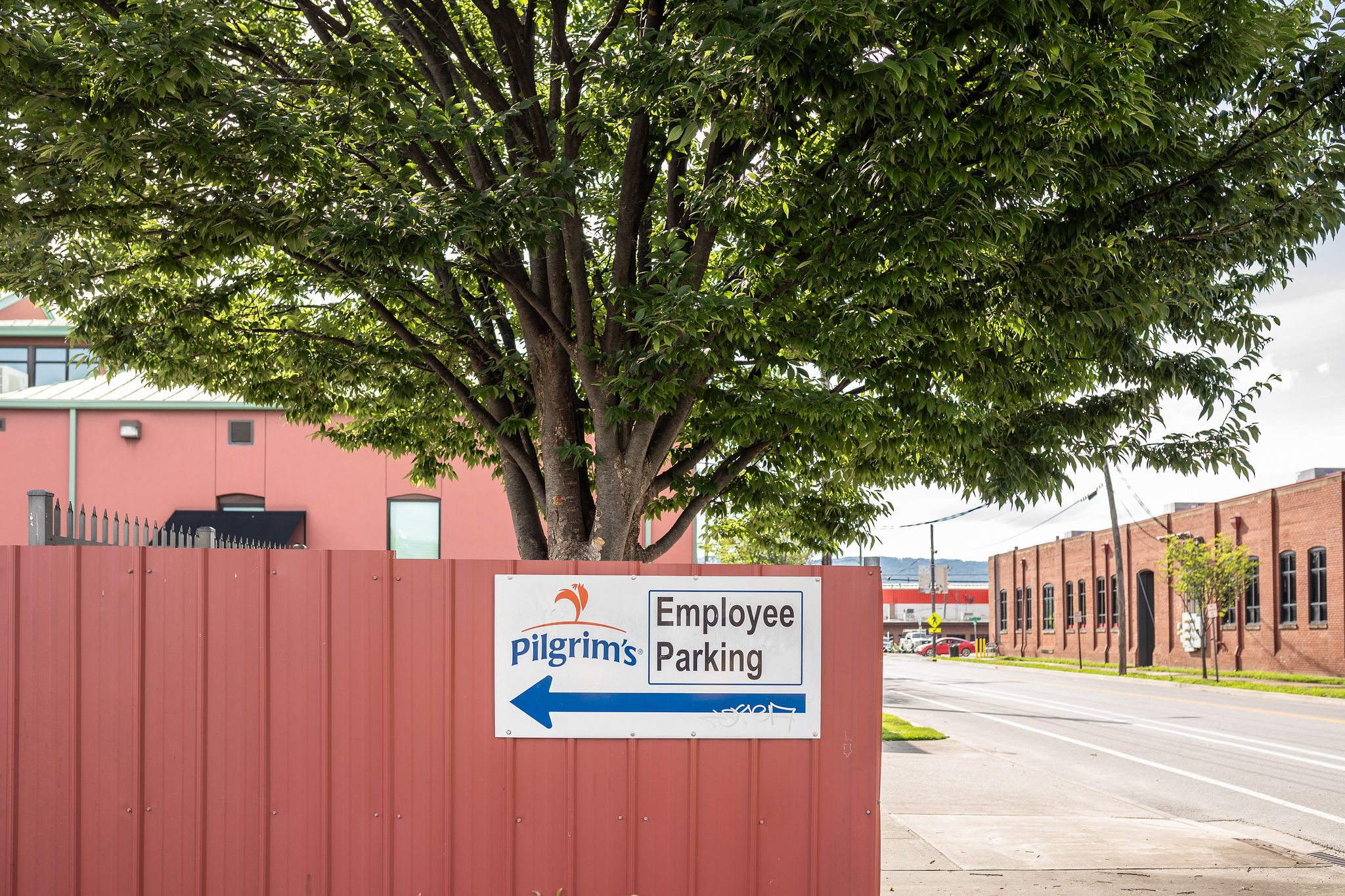
In the 1950s, Pilgrim's Pride opened a chicken processing plant on Broad Street.
Over the decades, the factory has employed thousands and thousands of Chattanoogans, offering living wages — close to $20-an-hour, according to former employees.
The factory has also frustrated countless neighbors and tourists with its off-gas slaughterhouse smell that ranges from annoying to nauseating.
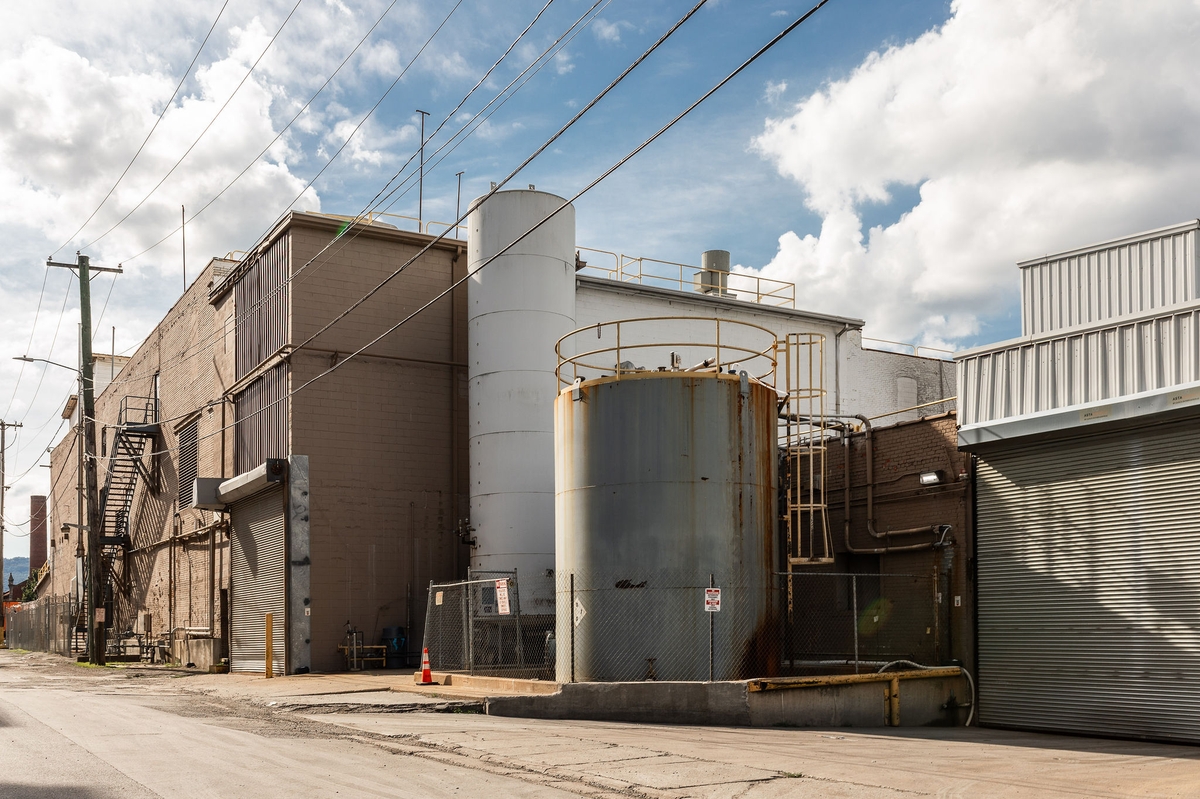
The factory has supported the betterment of the neighborhood; during the pandemic, it contributed $600,000 towards remodeling the Chattanooga Community Kitchen and Battle Academy's playground.
And, perhaps most fundamentally, the factory has slaughtered millions upon millions upon millions of chickens during its more than 70 years of existence.
What do we make of its closing?
Last Monday, Pilgrim corporate made an announcement: the Broad Street facility is shutting down.
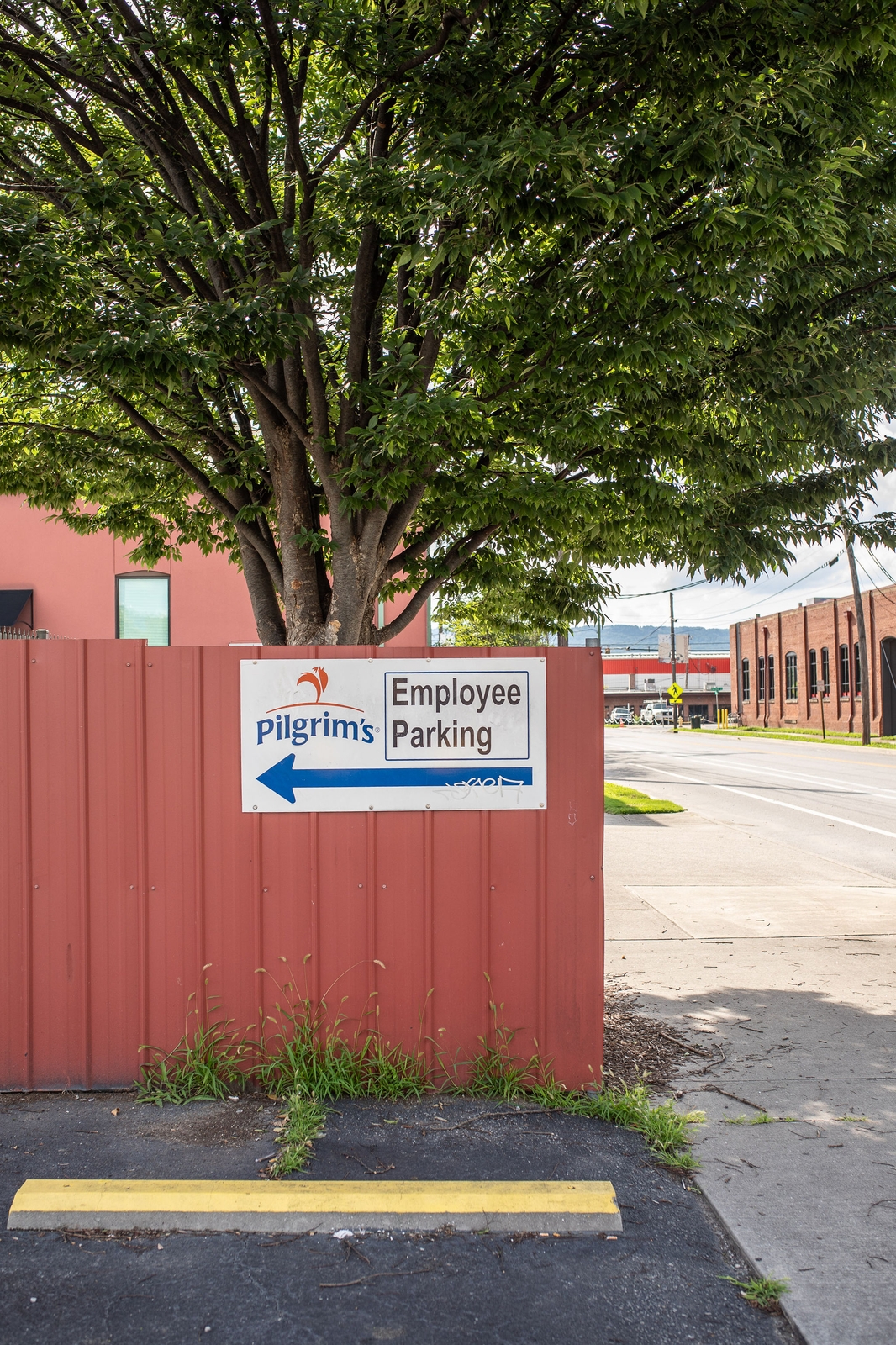
The news is among the most urgent, dizzying food stories of the year.
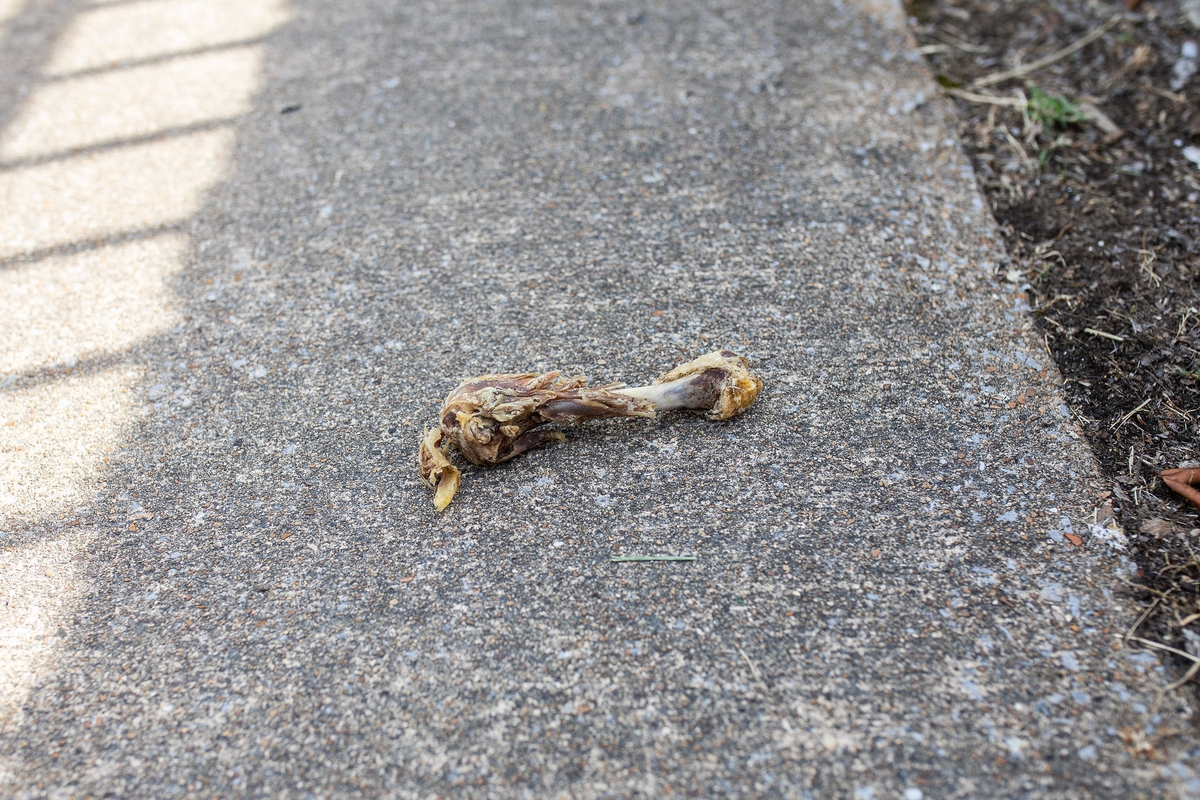
Make no bones about it; this is not the small-scale, family-owned slaughterhouse that we at Food as a Verb have praised and honored.
This is the factory meat industry in the center of downtown.
As Chattanooga continues its decades-long struggle with economic forces that place housed, stable lives out of reach for many, this marks the end of a significant downtown employer.
One that hired non-tech.
One that was on the bus line.
One that hired people — including many coming out of prison — many other employers wouldn't.
With more than 345 employees, Pilgrim's on Broad St. contributed to the financial wellbeing of hundreds of families, often on the borderline between housed and homelessness.
"A lot of people depend on it to pay the rent," one former employee said.
Pilgrim's will continue to operate a second site: a deboning facility nearby. Both facilities employed more than 1,000 Chattanoogans, making Pilgrim's one of our major employers, according to the Chattanooga Area Chamber of Commerce.
Who employs more Chattanoogans? Pilgrim's or EPB? Pilgrim's or Chattanooga State? Pilgrim's or US Xpress?
Pilgrim's, all of them.
Yet Pilgrim's carries such baggage here. The slaughterhouse aesthetic doesn't match the National Park City + Erlanger Park + South Broad + Riverfront experience.
It's good for employment.
But odorous for downtown living.
Good for families needing living wage jobs.
But repulsive for tourism.
Good for our regional economy.
But harmful for animals.
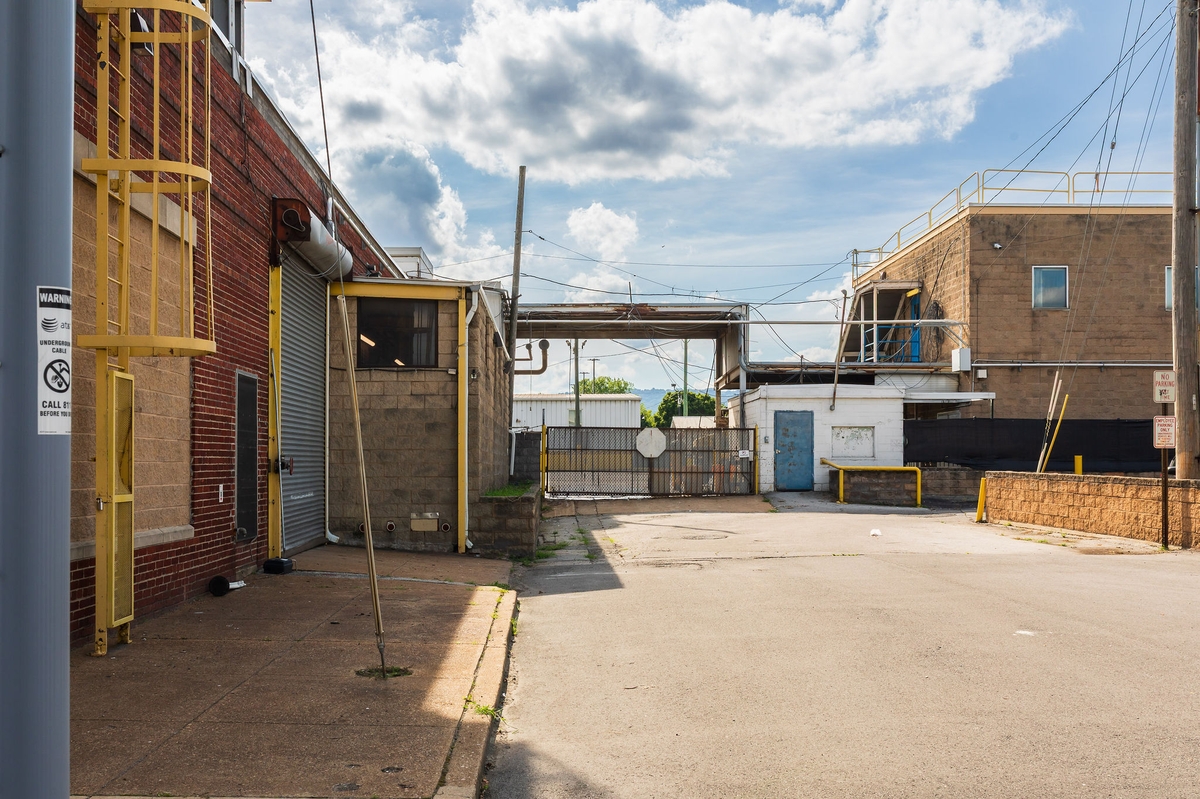
Pilgrim's paid good hourly wages and was trusted to hire many people, especially those coming out of prison, that other major employers wouldn't.
So there is a double loss: of a significant employer ... and a significant employer of those on the margins.
Pilgrim's said it would help employees relocate to Ellijay, Georgia, where it's investing in facilities.
This sounds good, but is unrealistic unless the corporation wants to pay relocating expenses and the first month's rent and deposit. So, where will folks go for work now?
"Fed-Ex," one former employee said.

PIlgrim's served as a mindfulness bell of sorts, refusing to let anyone living or visiting downtown Chattanooga ignore the reality of the American factory animal industry.
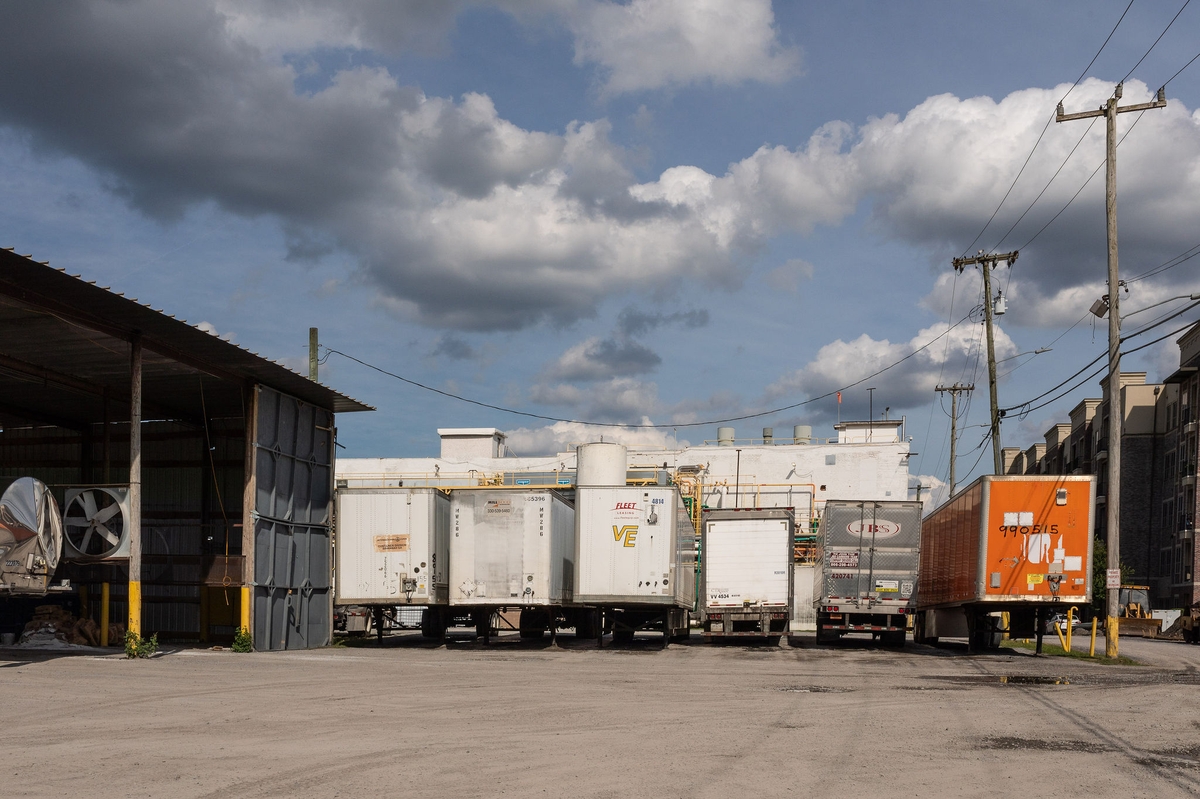
With trucks full of caged birds and the unavoidable stench, Pilgrim's offered us this visual and olfactory reminder:
Chattanooga, this is the factory meat industry.
This is what it looks like and smells like.
For decades, we couldn't hide that. As our tourist and restaurant world grew, Pilgrim's was the dark underbelly necessary for such growth.
We may complain of its stench, but its existence allowed the very growth we were celebrating.
Now, with its absence, we can return to forgetting.
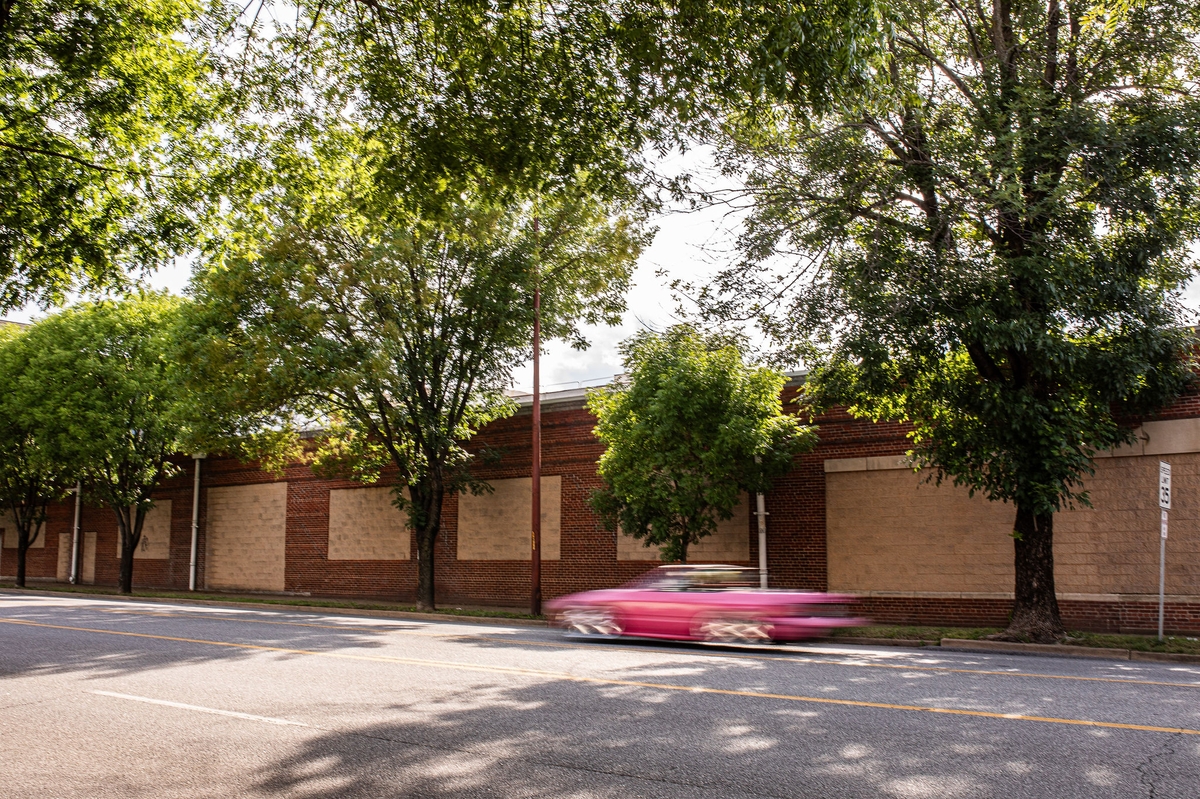
Pilgrim's also supplied affordable protein and chicken to families who can't afford higher priced meat.
Again: this is the American meat industry.
It is vast, secretive and cruel. More than nine million chickens are killed each year in this country, according to the USDA. Globally, that figure jumps into the billions.
The industry is also vast, effective and responsible for providing affordable meals and wages to millions of us and our neighbors.
How do we straddle the line between recognizing the good it provides while also recognizing the suffering?
So many Chattanoogans recognize this: the benefits somehow mixed together with the suffering and stench.
A bit of eco-feminism may help. Here's Carol J. Adams:
"It calls for compassion, most of all for the direct victims of our dominant food practices, but also those who are exploited by the contemporary industrial food system," she writes.
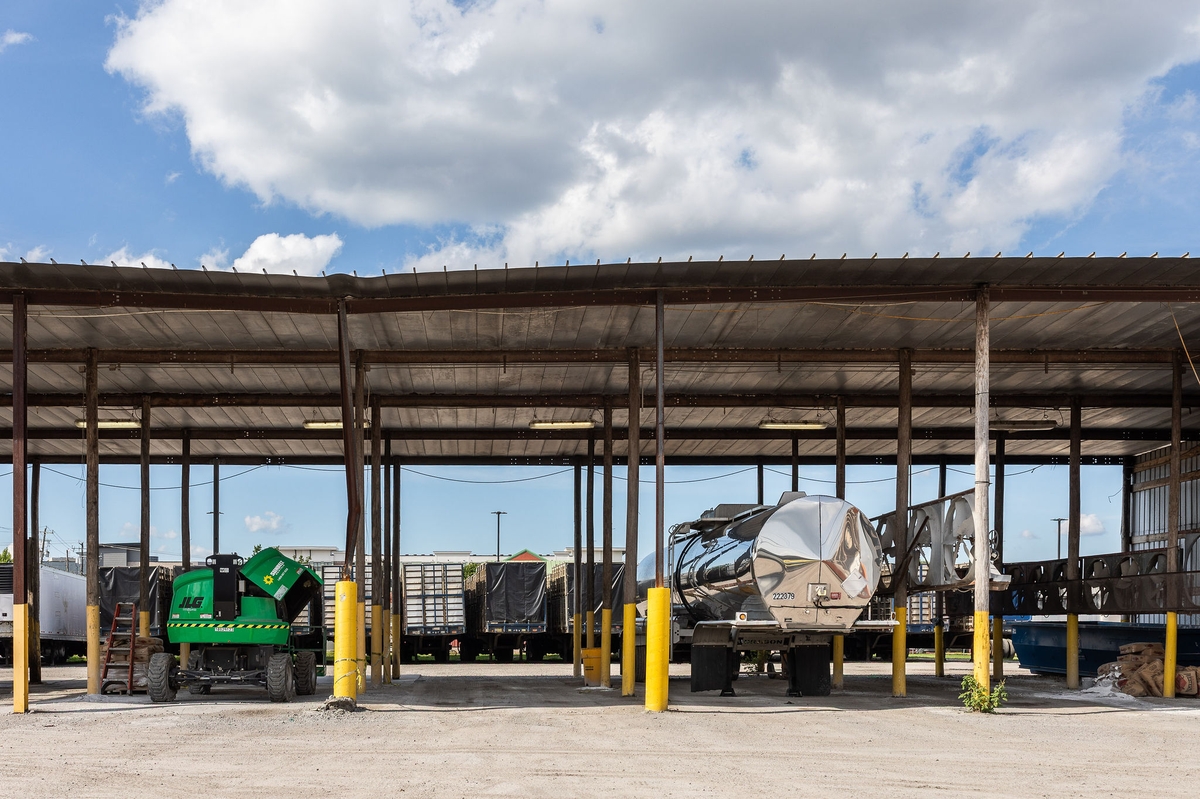
We never gained access inside Pilgrim's — I asked years ago — and cannot report firsthand on its slaughterhouse practices.
Generally, the chicken industry is among the most cruel — please see OxfamAmerica's powerful report on problems and how to fix them — in our country.
As Adams says: this is a complex set of demands.
"It should also evoke some compassion for ourselves as we work through this complex set of demands to achieve a life whose flourishing does not diminish the flourishing of others," she writes.
As the news unfolded, I thought of Kelsey Keener and Sequatchie Cove Farm. His family's work reflects what a healthy chicken farm looks like.
One of our first stories, we visited his farm, with all its acres of pasture and thousands of birds. He was proud to show it to us; all parts were beautiful and wholesome.
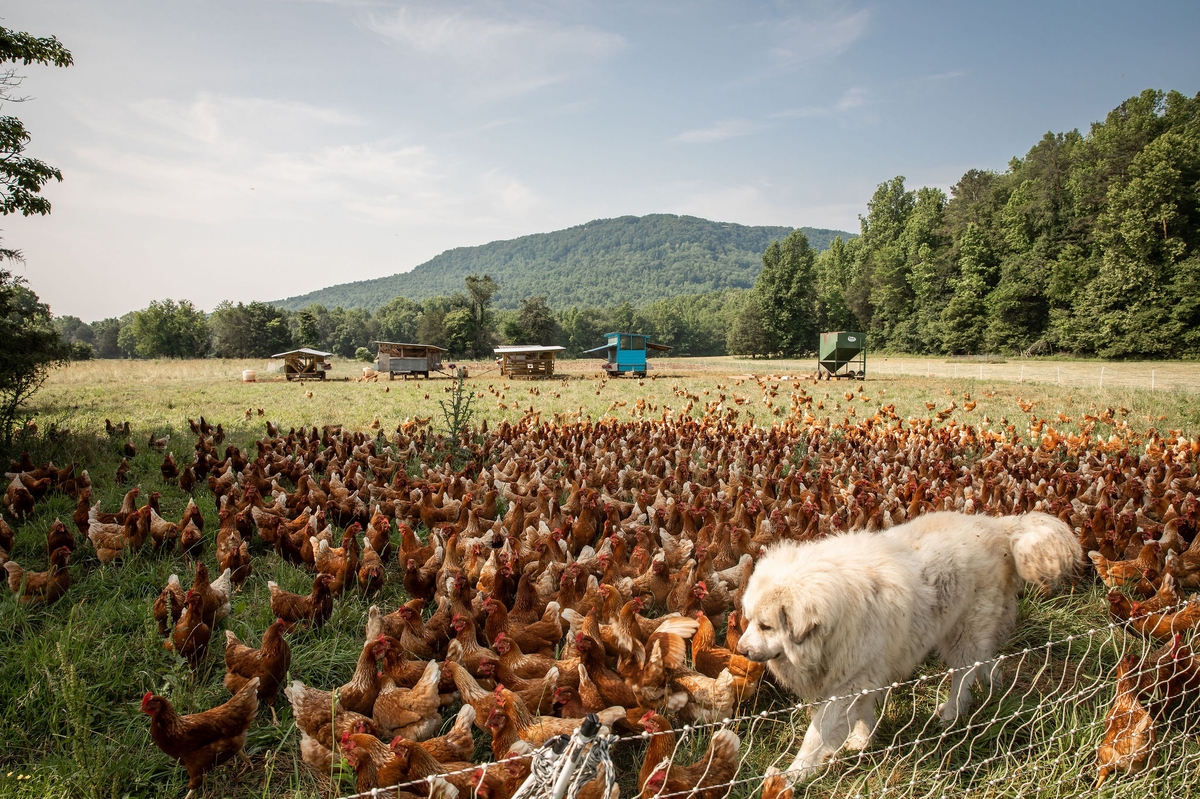
Cheap industrial food feeds most of America. It is unrealistic to expect small-scale farmers to fill that gap.
But we can support them more.
Every time we spend money, we are voting for food systems. The Keeners, and so many other regional growers, farm in ways that elevate, heal and uplift the land, animals and other humans.
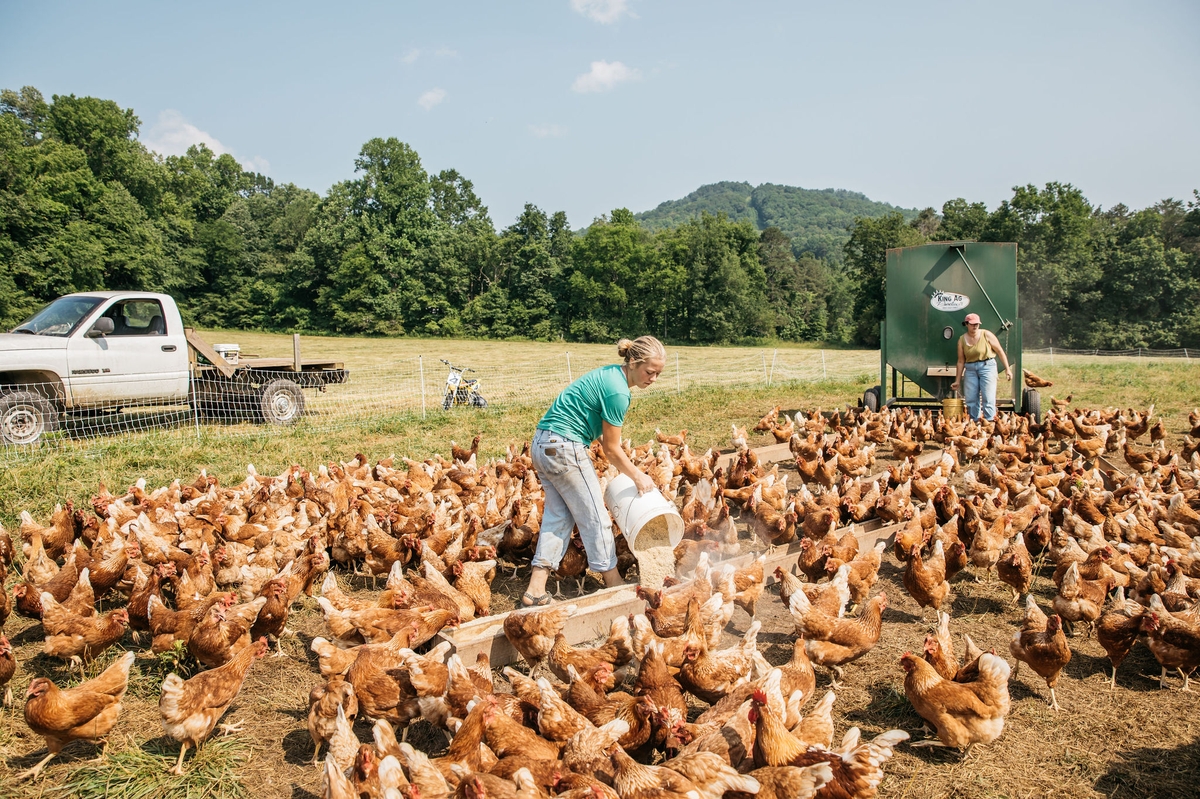
We cannot report on Pilgrim's without also reporting on Sequatchie Cove.
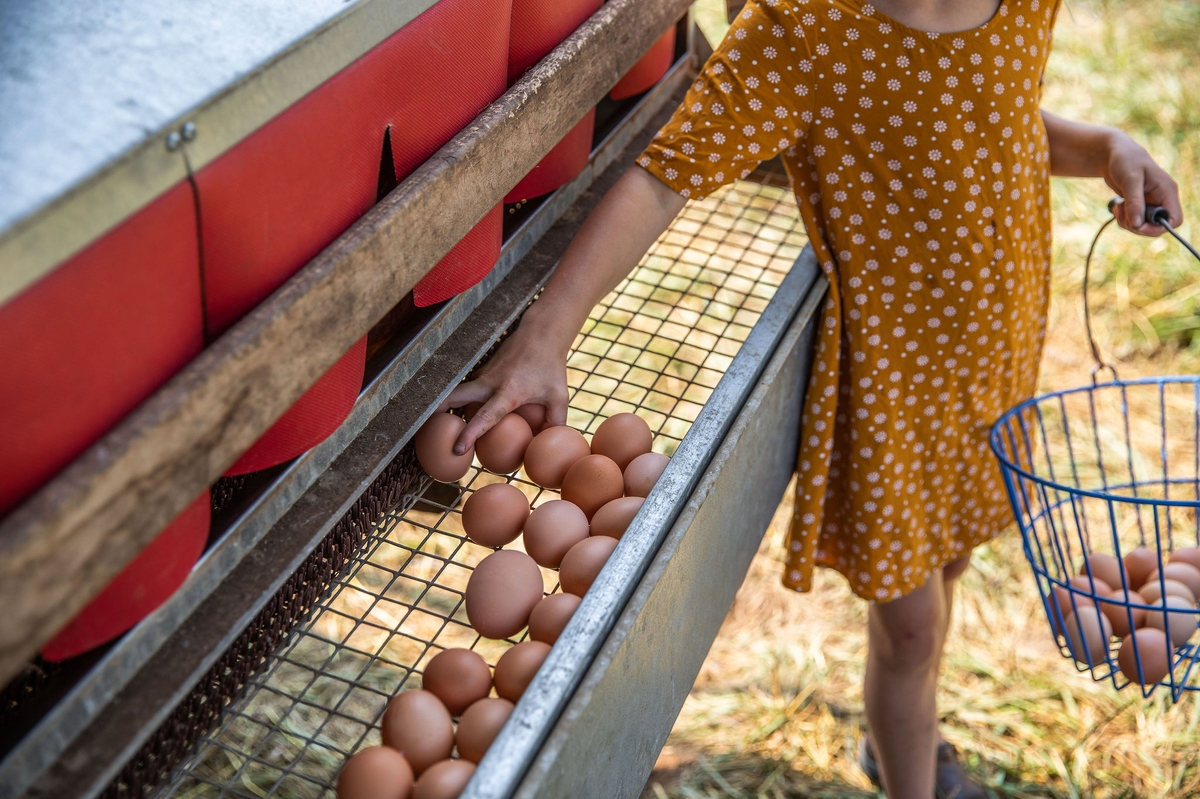
Finally, the closing of Pilgrim's on Broad feels like the last real estate pin to drop.
As David Floyd described so well in the Times Free Press, the downtown Pilgrim's was often the big out-of-place holdup in the development of that section of downtown.
With it gone, many things are lost.
Now, in perfect irony, new construction is already happening across the street, Floyd reported.
A new hotel.
Can we shift stories and tone for a moment?
We want to offer two good wishes for our Food as a Verb family.
A happy, meaningful Juneteenth.
A happy, wholesome Father's Day.
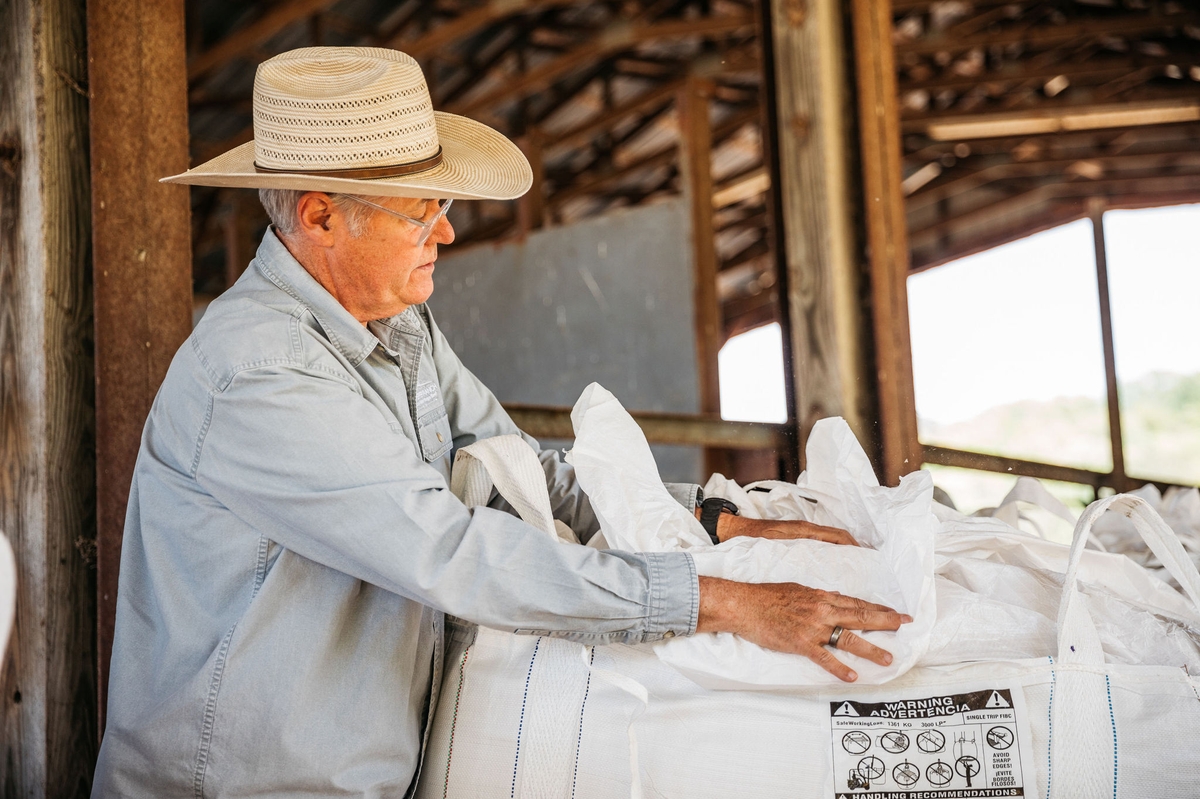
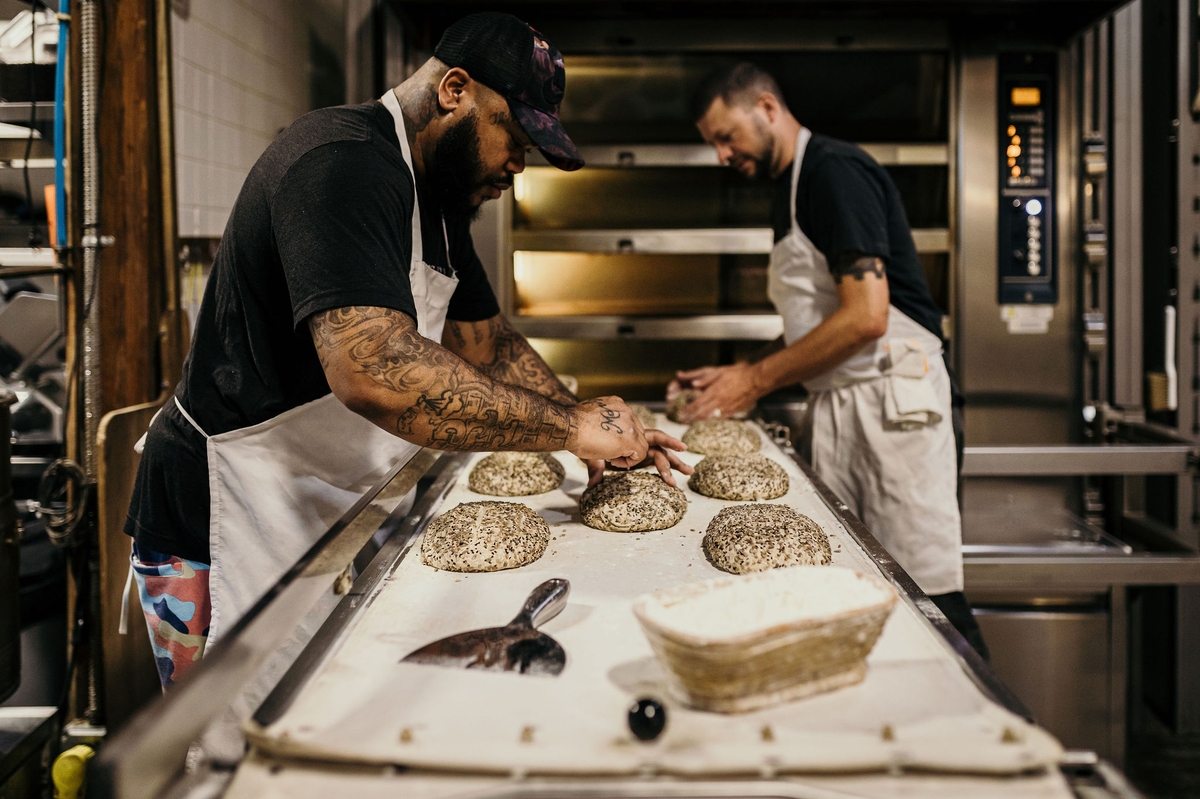
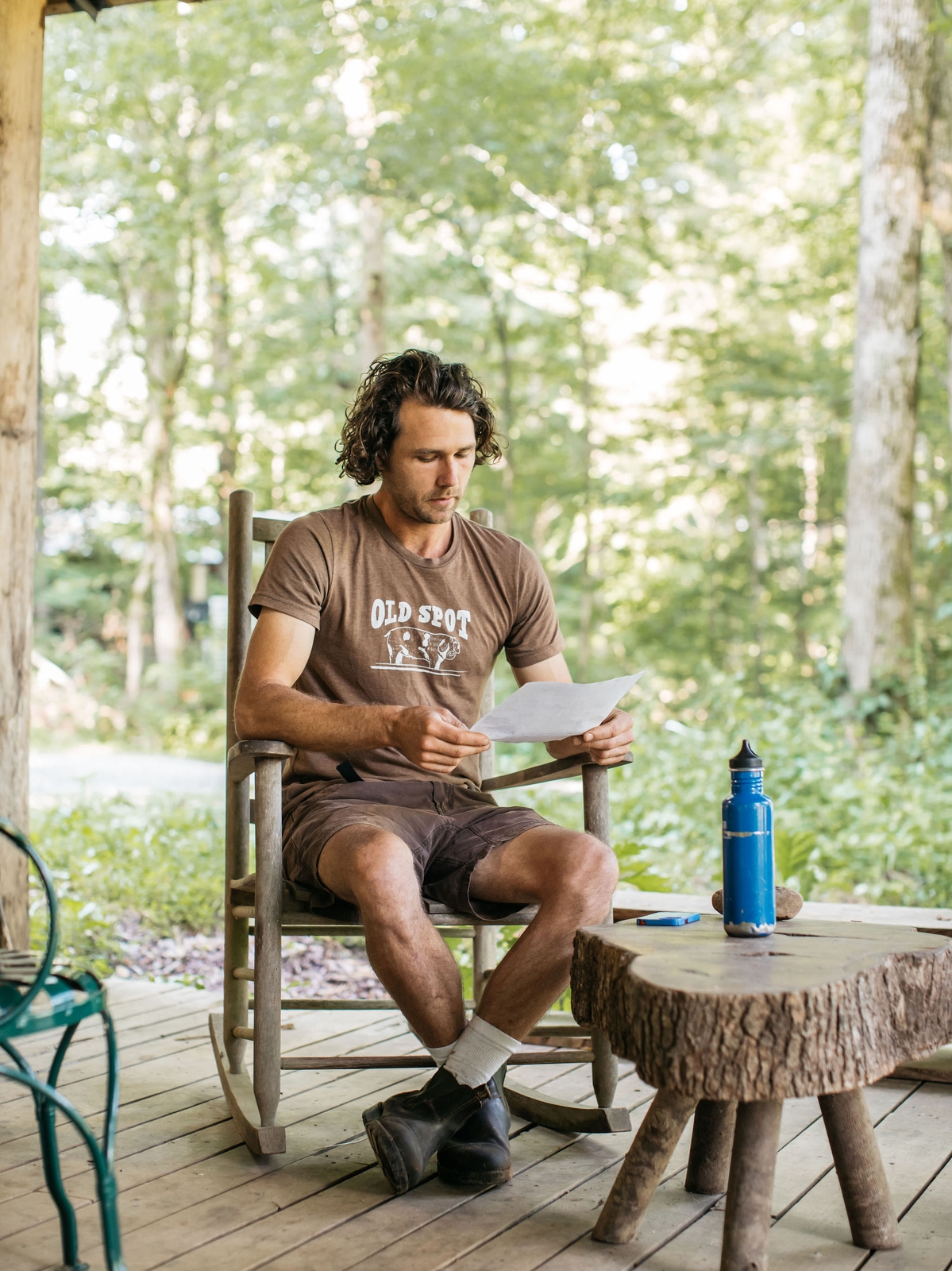
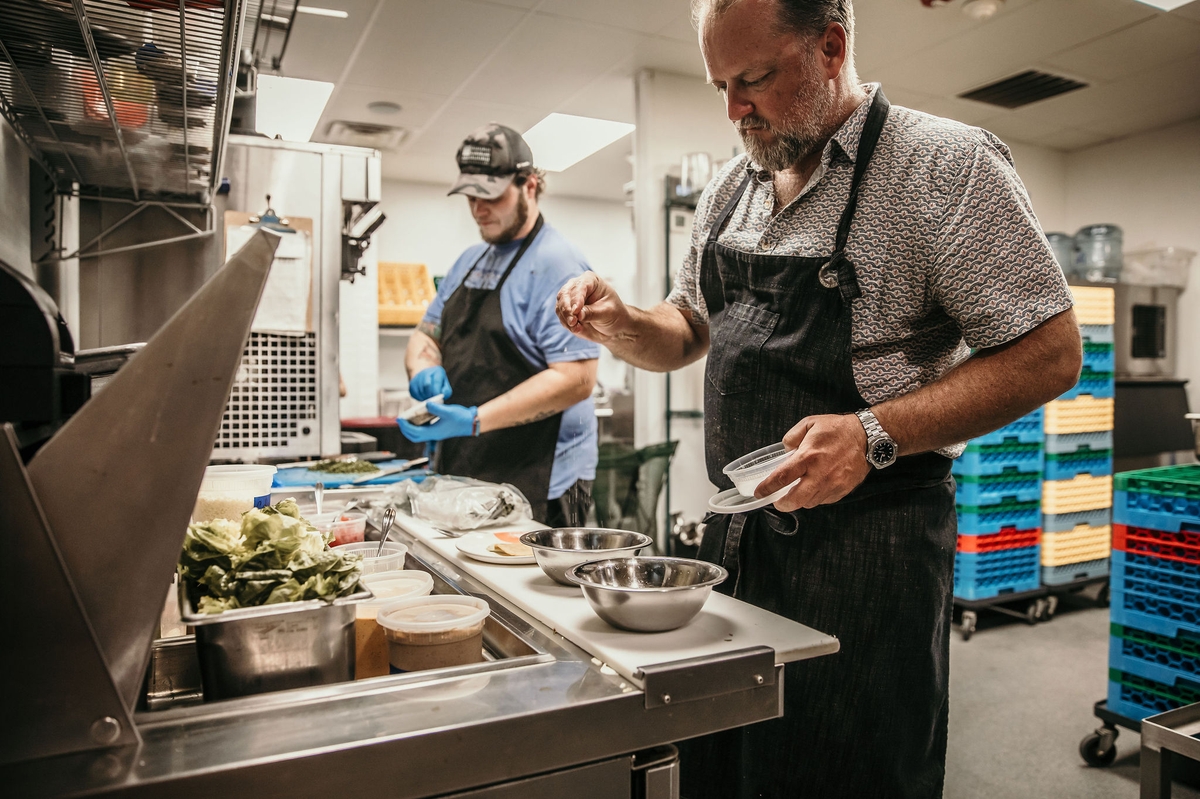
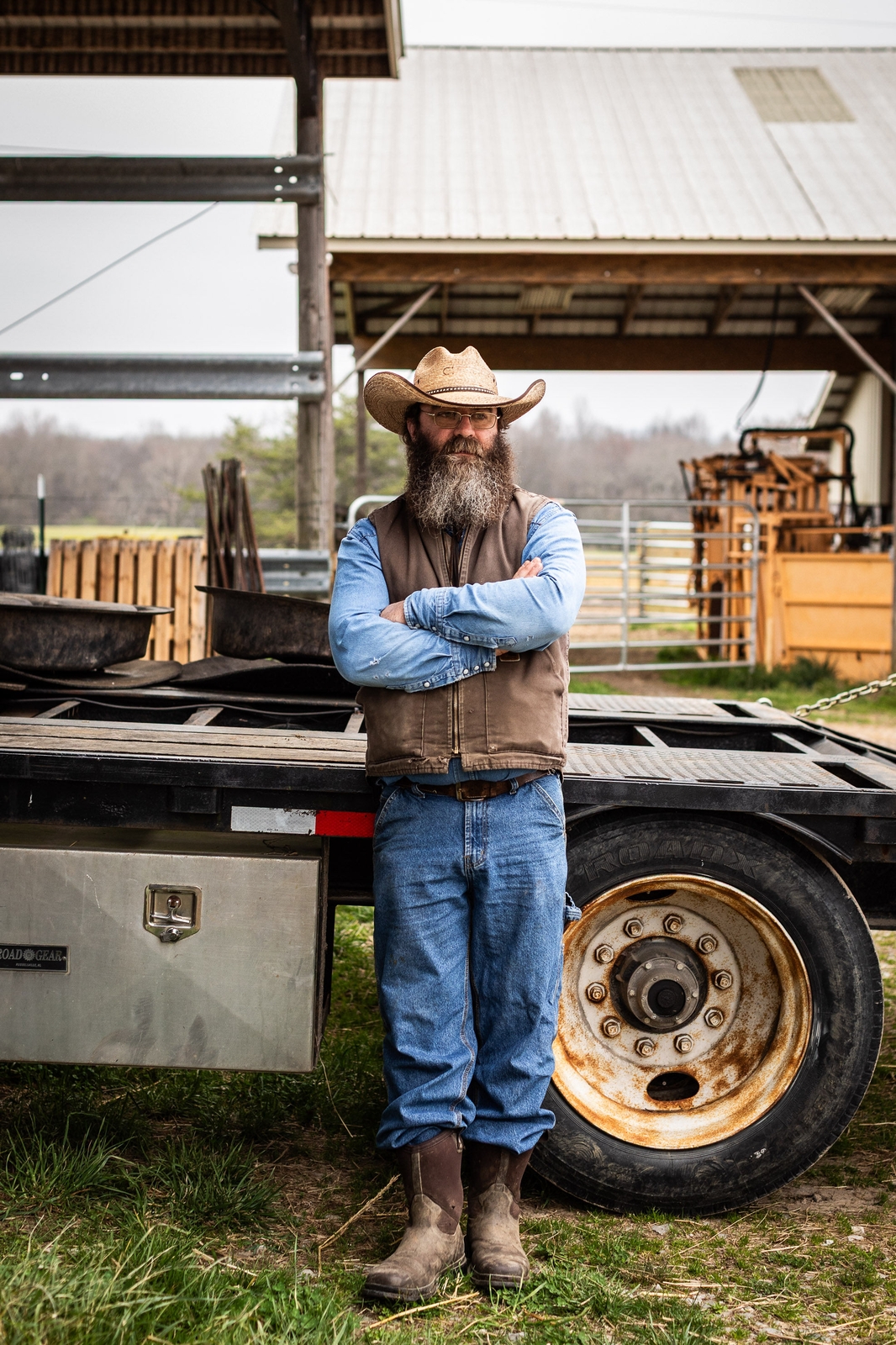
Looking back at our 300 stories, we spent a lot of time with chefs, producers and farmers, many of whom are fathers.
We'll end with a photo tribute to many of them.


Story ideas, questions, feedback? Interested in partnering with us? Email: david@foodasaverb.com
This story is 100% human generated; no AI chatbot was used in the creation of this content.
In the 1950s, Pilgrim's Pride opened a chicken processing plant on Broad Street.
Over the decades, the factory has employed thousands and thousands of Chattanoogans, offering living wages — close to $20-an-hour, according to former employees.
The factory has also frustrated countless neighbors and tourists with its off-gas slaughterhouse smell that ranges from annoying to nauseating.
The factory has supported the betterment of the neighborhood; during the pandemic, it contributed $600,000 towards remodeling the Chattanooga Community Kitchen and Battle Academy's playground.
And, perhaps most fundamentally, the factory has slaughtered millions upon millions upon millions of chickens during its more than 70 years of existence.
What do we make of its closing?
Last Monday, Pilgrim corporate made an announcement: the Broad Street facility is shutting down.
The news is among the most urgent, dizzying food stories of the year.
Make no bones about it; this is not the small-scale, family-owned slaughterhouse that we at Food as a Verb have praised and honored.
This is the factory meat industry in the center of downtown.
As Chattanooga continues its decades-long struggle with economic forces that place housed, stable lives out of reach for many, this marks the end of a significant downtown employer.
One that hired non-tech.
One that was on the bus line.
One that hired people — including many coming out of prison — many other employers wouldn't.
With more than 345 employees, Pilgrim's on Broad St. contributed to the financial wellbeing of hundreds of families, often on the borderline between housed and homelessness.
"A lot of people depend on it to pay the rent," one former employee said.
Pilgrim's will continue to operate a second site: a deboning facility nearby. Both facilities employed more than 1,000 Chattanoogans, making Pilgrim's one of our major employers, according to the Chattanooga Area Chamber of Commerce.
Who employs more Chattanoogans? Pilgrim's or EPB? Pilgrim's or Chattanooga State? Pilgrim's or US Xpress?
Pilgrim's, all of them.
Yet Pilgrim's carries such baggage here. The slaughterhouse aesthetic doesn't match the National Park City + Erlanger Park + South Broad + Riverfront experience.
It's good for employment.
But odorous for downtown living.
Good for families needing living wage jobs.
But repulsive for tourism.
Good for our regional economy.
But harmful for animals.
Pilgrim's paid good hourly wages and was trusted to hire many people, especially those coming out of prison, that other major employers wouldn't.
So there is a double loss: of a significant employer ... and a significant employer of those on the margins.
Pilgrim's said it would help employees relocate to Ellijay, Georgia, where it's investing in facilities.
This sounds good, but is unrealistic unless the corporation wants to pay relocating expenses and the first month's rent and deposit. So, where will folks go for work now?
"Fed-Ex," one former employee said.
PIlgrim's served as a mindfulness bell of sorts, refusing to let anyone living or visiting downtown Chattanooga ignore the reality of the American factory animal industry.
With trucks full of caged birds and the unavoidable stench, Pilgrim's offered us this visual and olfactory reminder:
Chattanooga, this is the factory meat industry.
This is what it looks like and smells like.
For decades, we couldn't hide that. As our tourist and restaurant world grew, Pilgrim's was the dark underbelly necessary for such growth.
We may complain of its stench, but its existence allowed the very growth we were celebrating.
Now, with its absence, we can return to forgetting.
Pilgrim's also supplied affordable protein and chicken to families who can't afford higher priced meat.
Again: this is the American meat industry.
It is vast, secretive and cruel. More than nine million chickens are killed each year in this country, according to the USDA. Globally, that figure jumps into the billions.
The industry is also vast, effective and responsible for providing affordable meals and wages to millions of us and our neighbors.
How do we straddle the line between recognizing the good it provides while also recognizing the suffering?
So many Chattanoogans recognize this: the benefits somehow mixed together with the suffering and stench.
A bit of eco-feminism may help. Here's Carol J. Adams:
"It calls for compassion, most of all for the direct victims of our dominant food practices, but also those who are exploited by the contemporary industrial food system," she writes.
We never gained access inside Pilgrim's — I asked years ago — and cannot report firsthand on its slaughterhouse practices.
Generally, the chicken industry is among the most cruel — please see OxfamAmerica's powerful report on problems and how to fix them — in our country.
As Adams says: this is a complex set of demands.
"It should also evoke some compassion for ourselves as we work through this complex set of demands to achieve a life whose flourishing does not diminish the flourishing of others," she writes.
As the news unfolded, I thought of Kelsey Keener and Sequatchie Cove Farm. His family's work reflects what a healthy chicken farm looks like.
One of our first stories, we visited his farm, with all its acres of pasture and thousands of birds. He was proud to show it to us; all parts were beautiful and wholesome.
Cheap industrial food feeds most of America. It is unrealistic to expect small-scale farmers to fill that gap.
But we can support them more.
Every time we spend money, we are voting for food systems. The Keeners, and so many other regional growers, farm in ways that elevate, heal and uplift the land, animals and other humans.
We cannot report on Pilgrim's without also reporting on Sequatchie Cove.
Finally, the closing of Pilgrim's on Broad feels like the last real estate pin to drop.
As David Floyd described so well in the Times Free Press, the downtown Pilgrim's was often the big out-of-place holdup in the development of that section of downtown.
With it gone, many things are lost.
Now, in perfect irony, new construction is already happening across the street, Floyd reported.
A new hotel.
Can we shift stories and tone for a moment?
We want to offer two good wishes for our Food as a Verb family.
A happy, meaningful Juneteenth.
A happy, wholesome Father's Day.
Looking back at our 300 stories, we spent a lot of time with chefs, producers and farmers, many of whom are fathers.
We'll end with a photo tribute to many of them.
Story ideas, questions, feedback? Interested in partnering with us? Email: david@foodasaverb.com
This story is 100% human generated; no AI chatbot was used in the creation of this content.
Food as a verb thanks our story sponsor:
Food as a Verb Thanks our sustaining partner:
Food as a verb thanks our story sponsor:
Join our table

keep reading