How Beautiful and Strange: FaaV at 300 Stories
My God, it can be so gorgeous.
Food as a verb thanks
for sponsoring this series

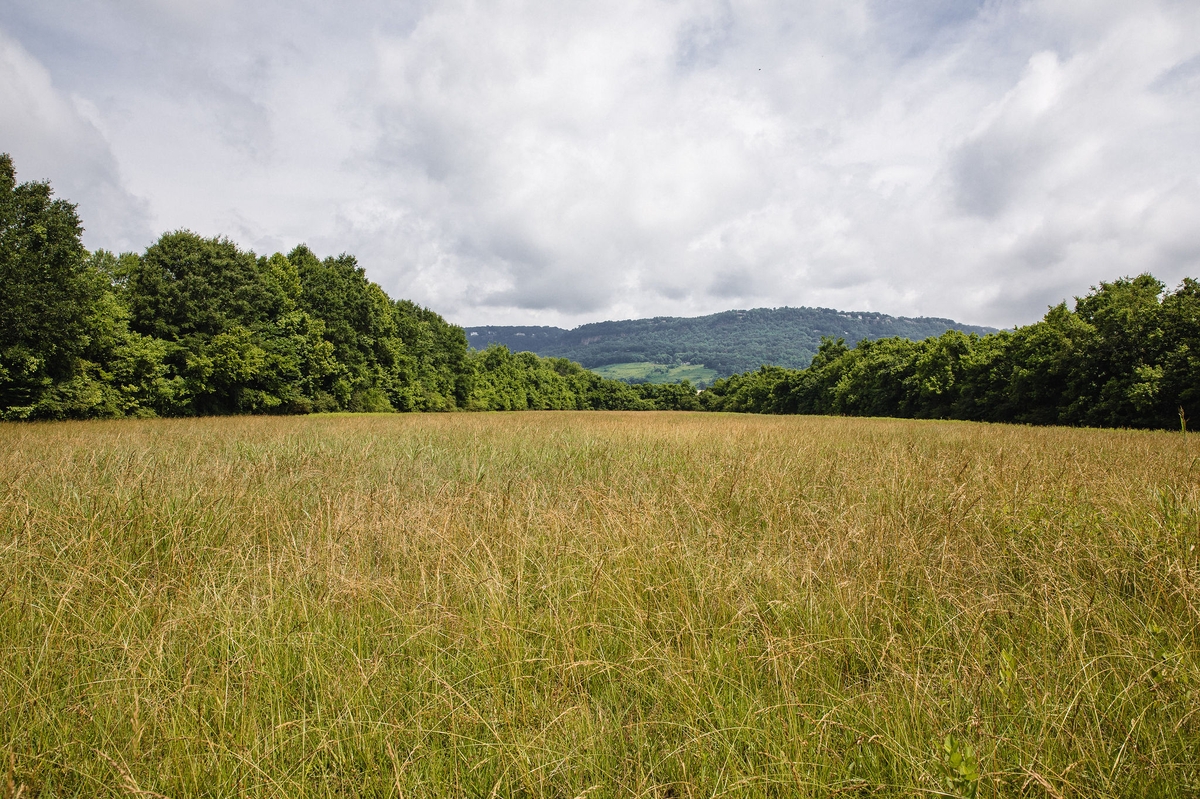
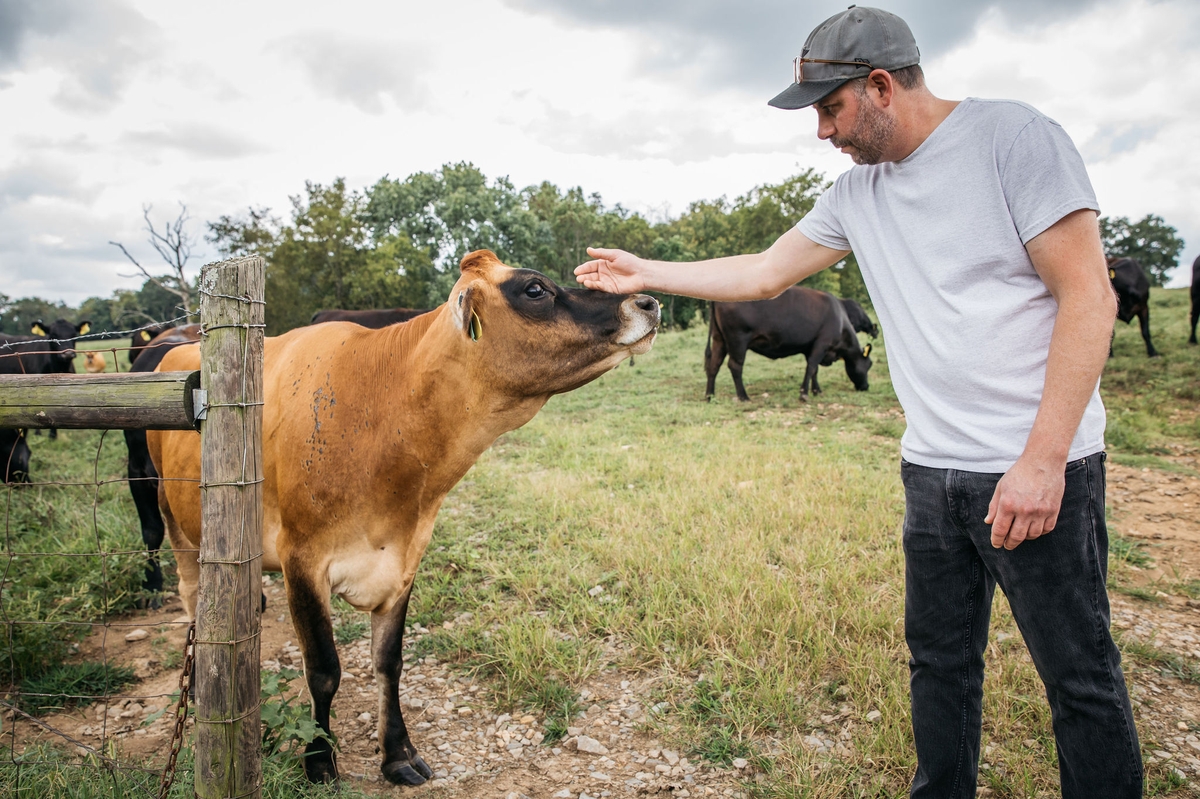
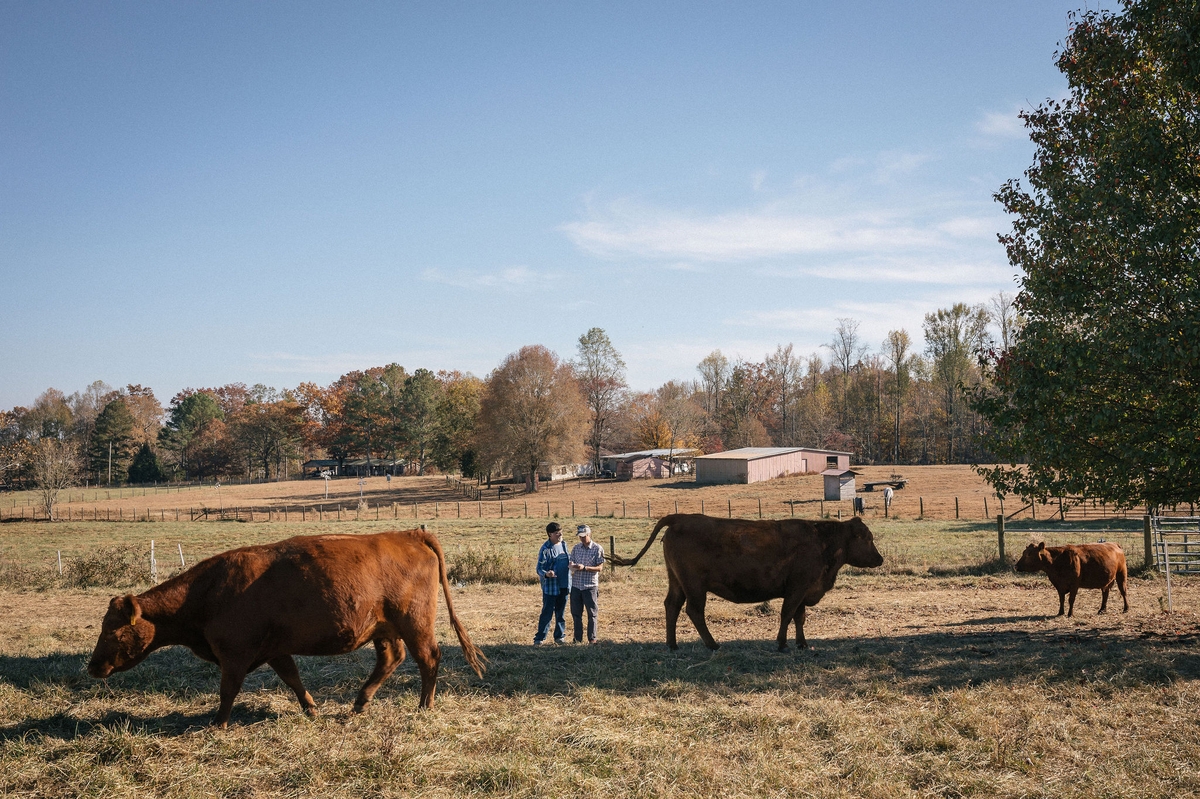
A few days ago, we are bumping over pasture with a cattle farmer in his side-by-side across one of the most remote, original farms in the South.
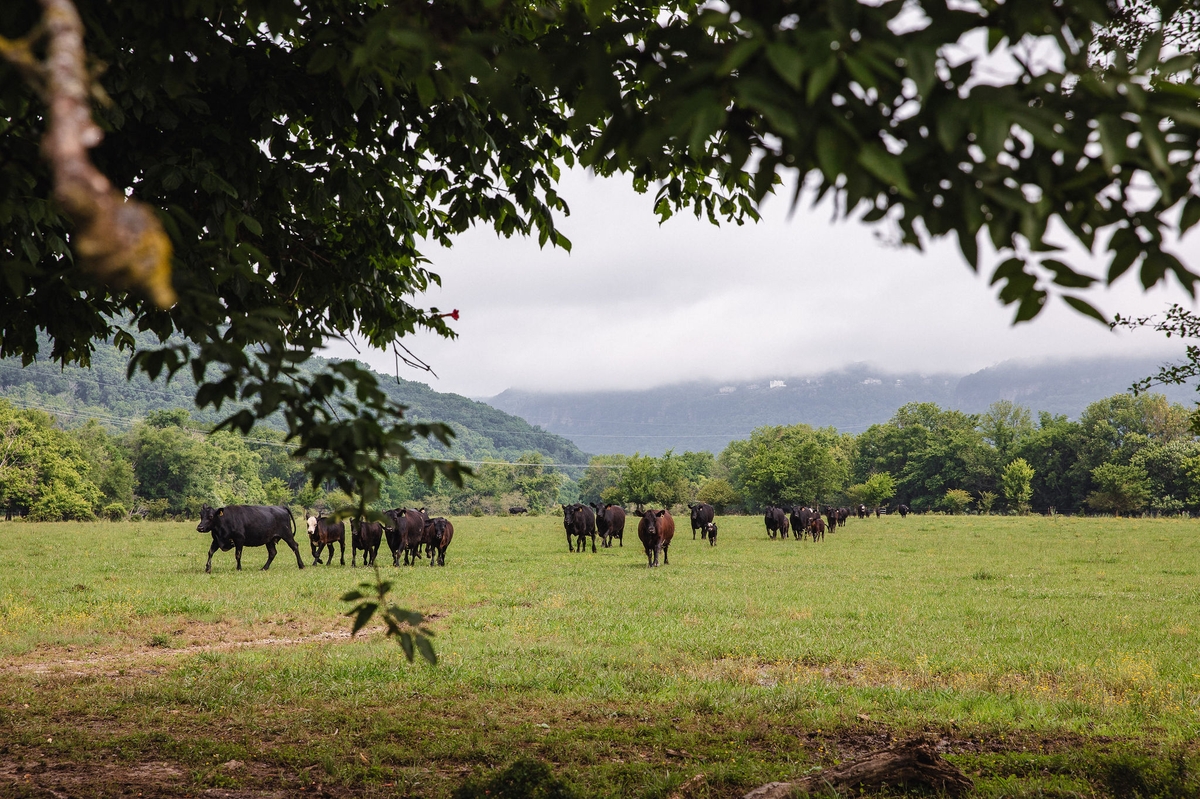
The farmer leans over and says he's taking six cows to slaughter later this month. Asks if we want to go.
The answer's immediate, automatic. We don't bat an eye or miss a beat. We both open our mouths; Sarah gets to the words first: hells yes, we want to go.
"We love a good slaughterhouse," she says.
My words come next, like a lamb sure to follow.
"Yeah, we love a good slaughterhouse," I said.
Stop.
Freeze-frame this moment.
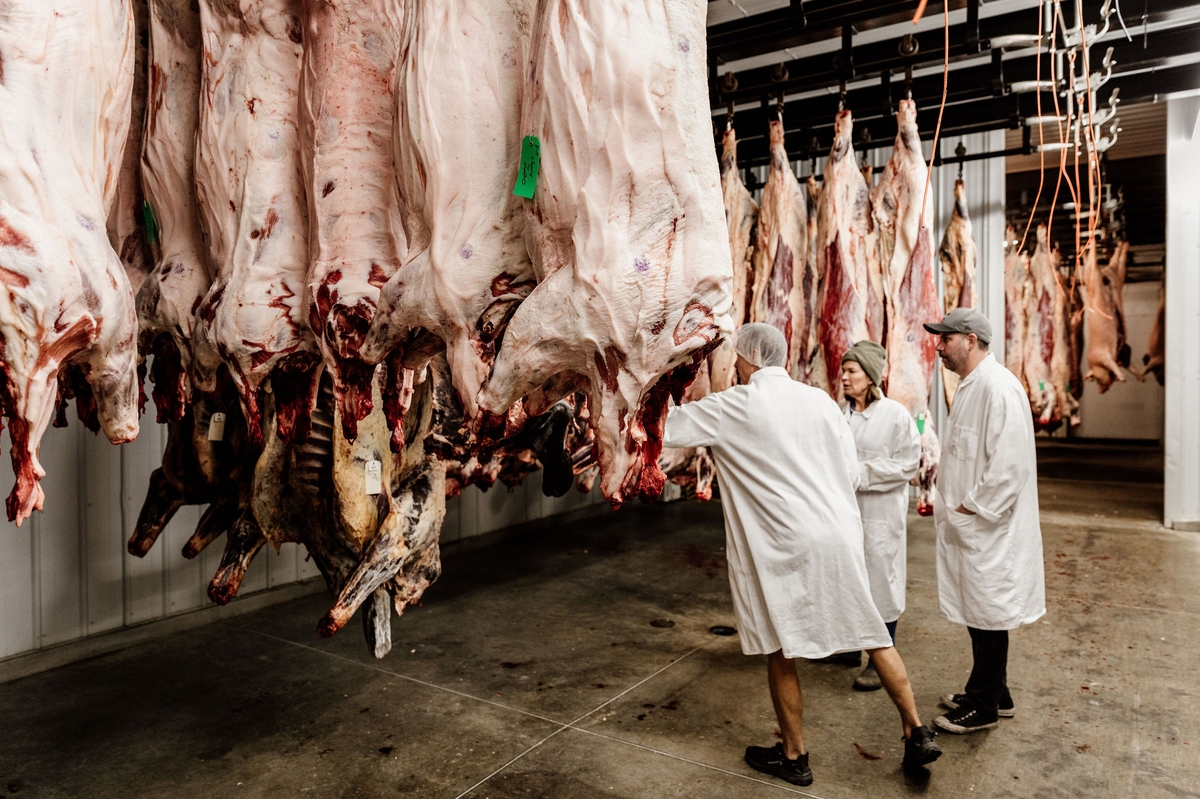
I'm 52. For 49 of those years, I had never stepped foot in a slaughterhouse. Wouldn't have even known where to find one.
Yet, over the last three years of my life, I've been in more slaughterhouses than all 49 years combined.
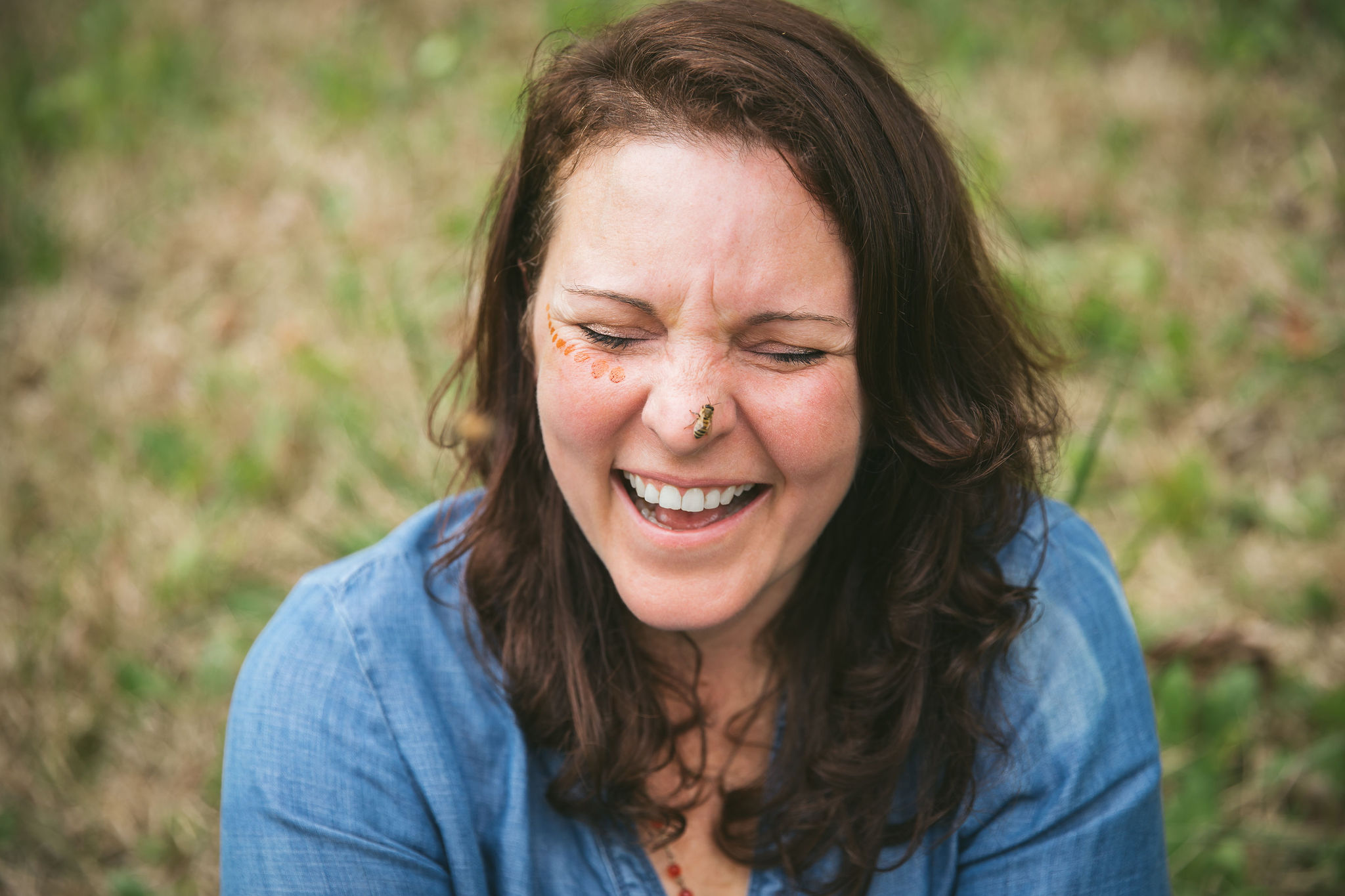
That's me.
Here's Sarah.
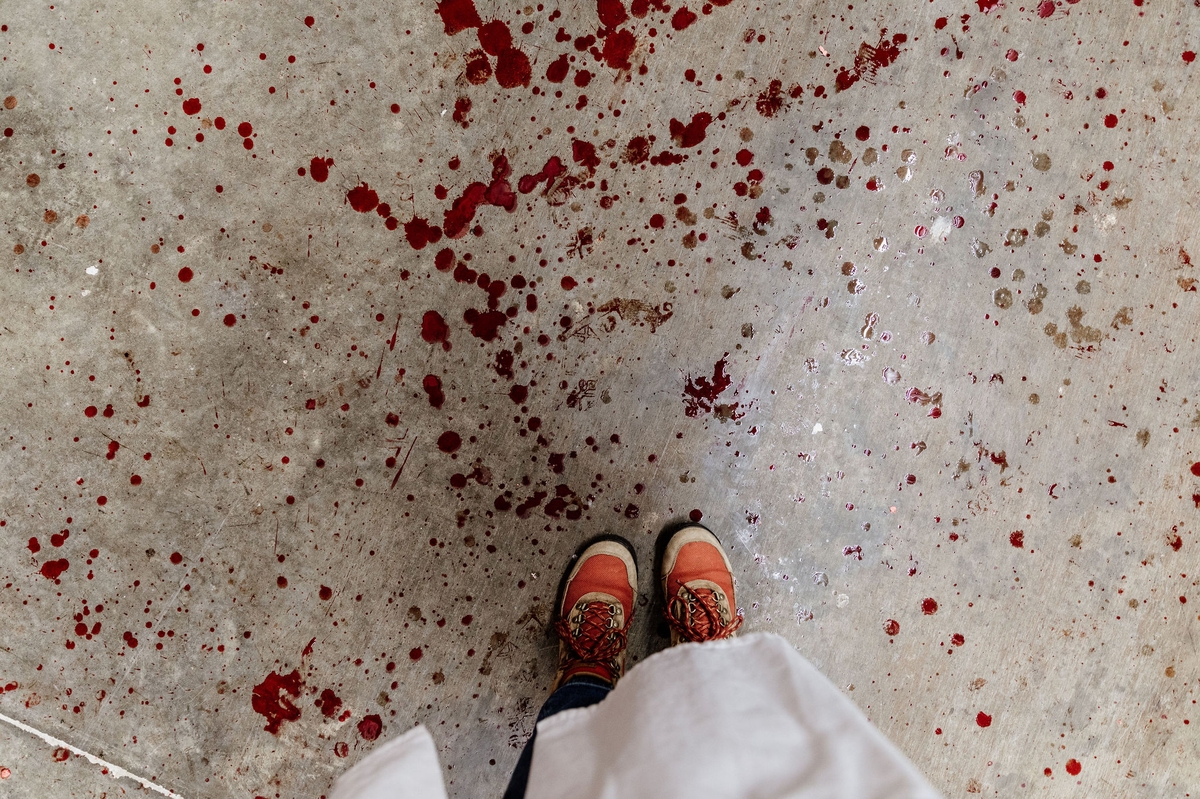
And she's right. We do love — honor, appreciate, value — a wholesome, ethical, locally-owned slaughterhouse.
We even wish Hamilton County had one. Or two.
But at that cattle farm, the moment sort of cleaved itself open like a hoof. In that farmer's side-by-side, I saw the past and present sitting, well, side-by-side.
It wasn't just a comment — thank you, we'd actually really love to go with you to take these cows to slaughter. It was emblematic of just what had fallen into place in our lives over the last three years.
This is our 300th story since launching Food as a Verb.
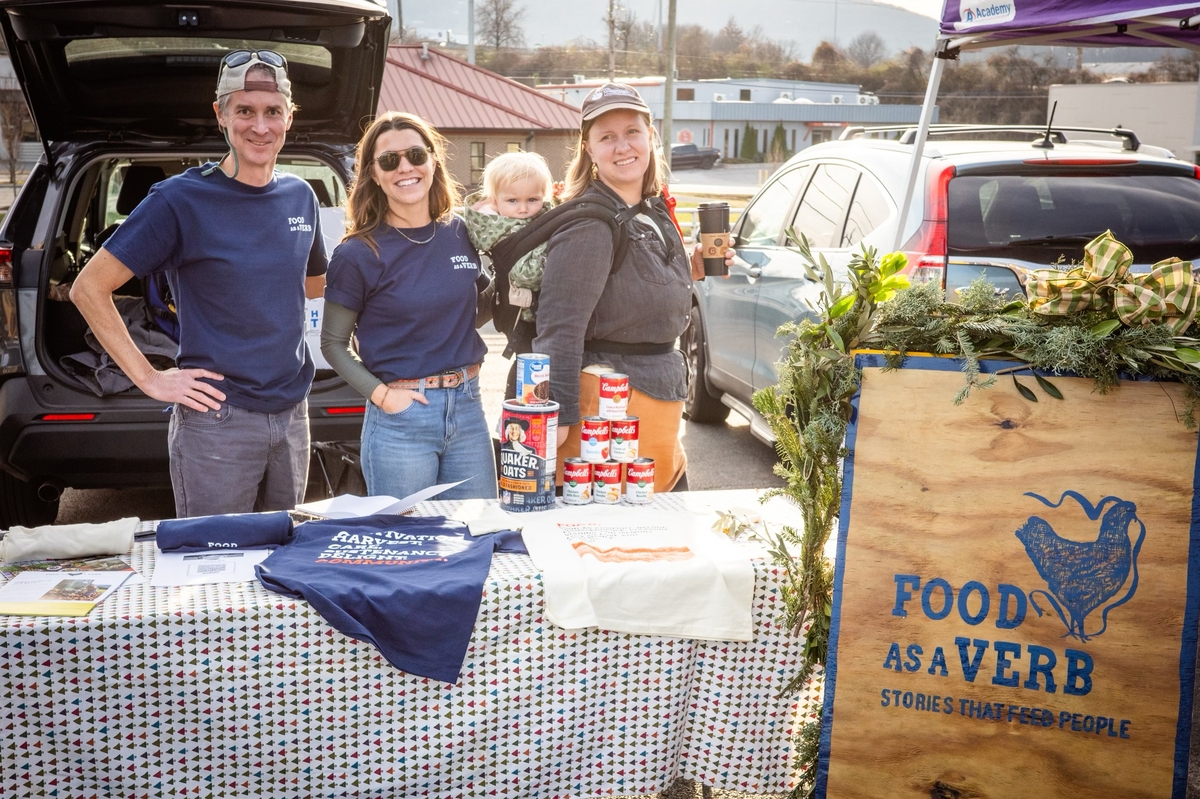
I don't think any of us knew what we were actually going to build and create.
We just wanted to tell these stories.
These tender, majestic, beautiful stories.
About people and place.
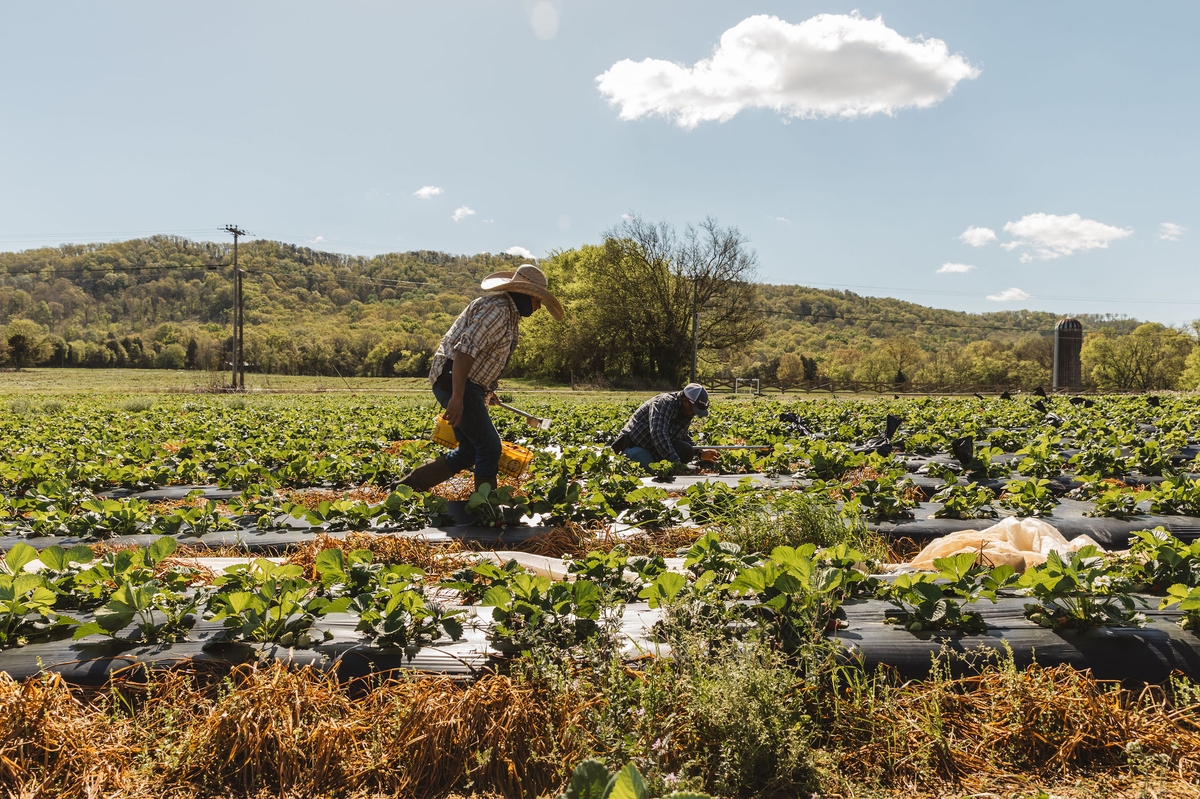
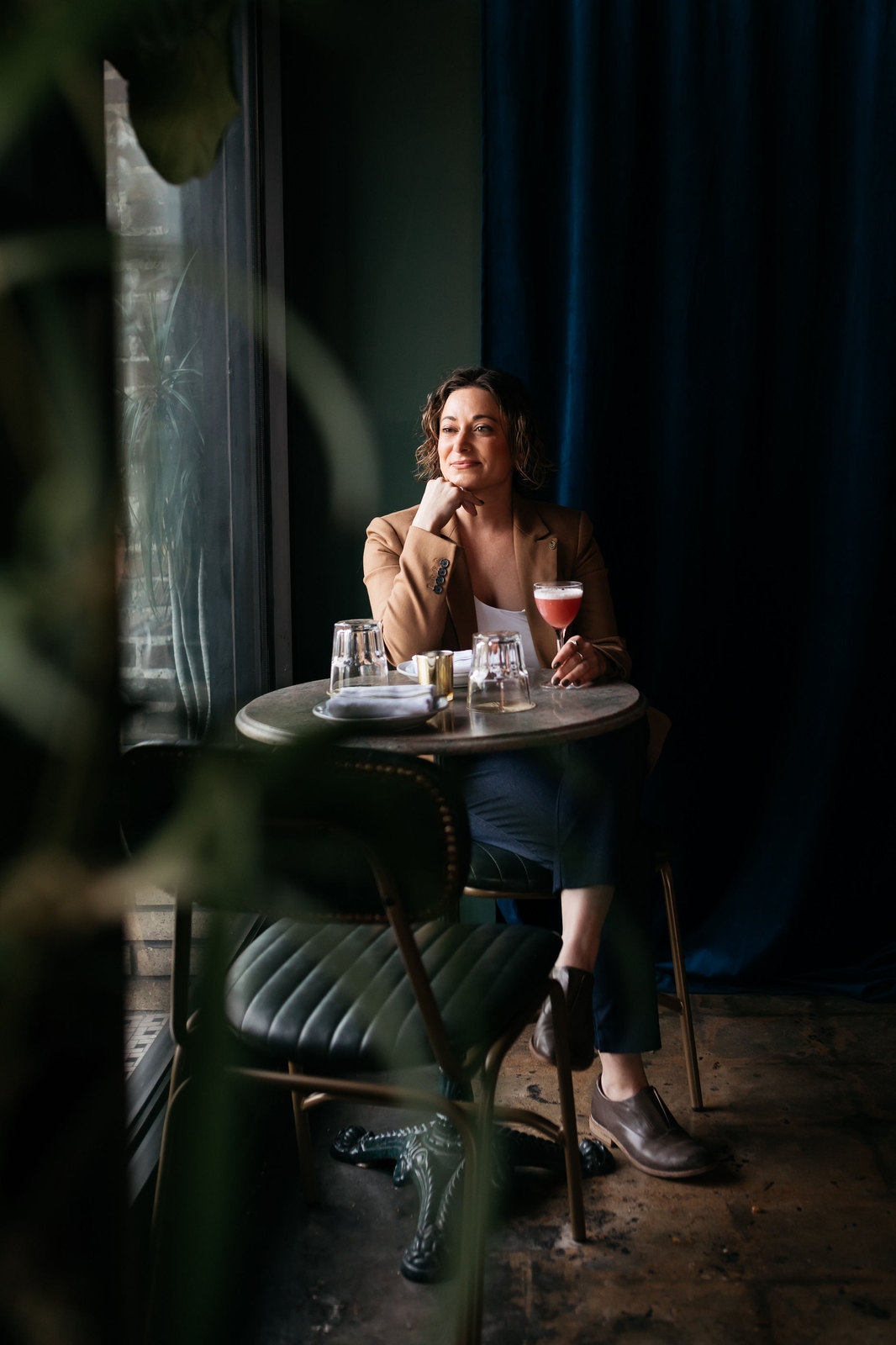
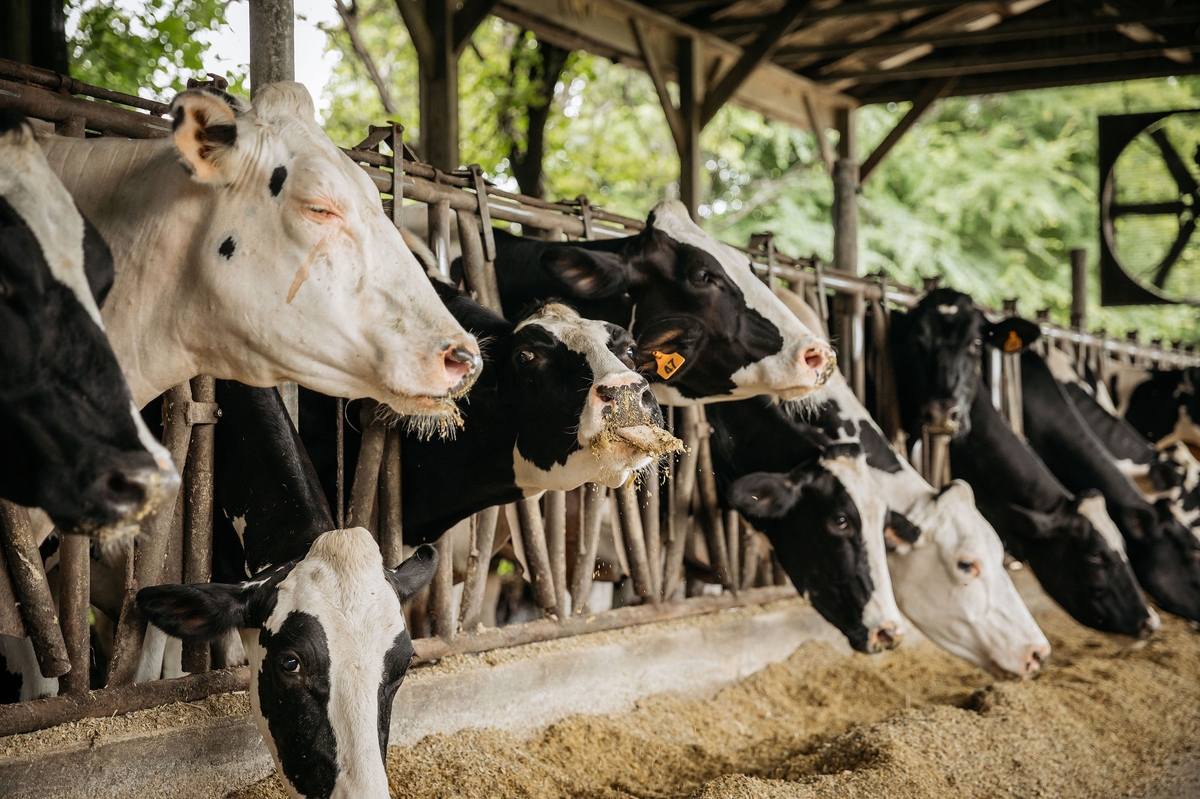
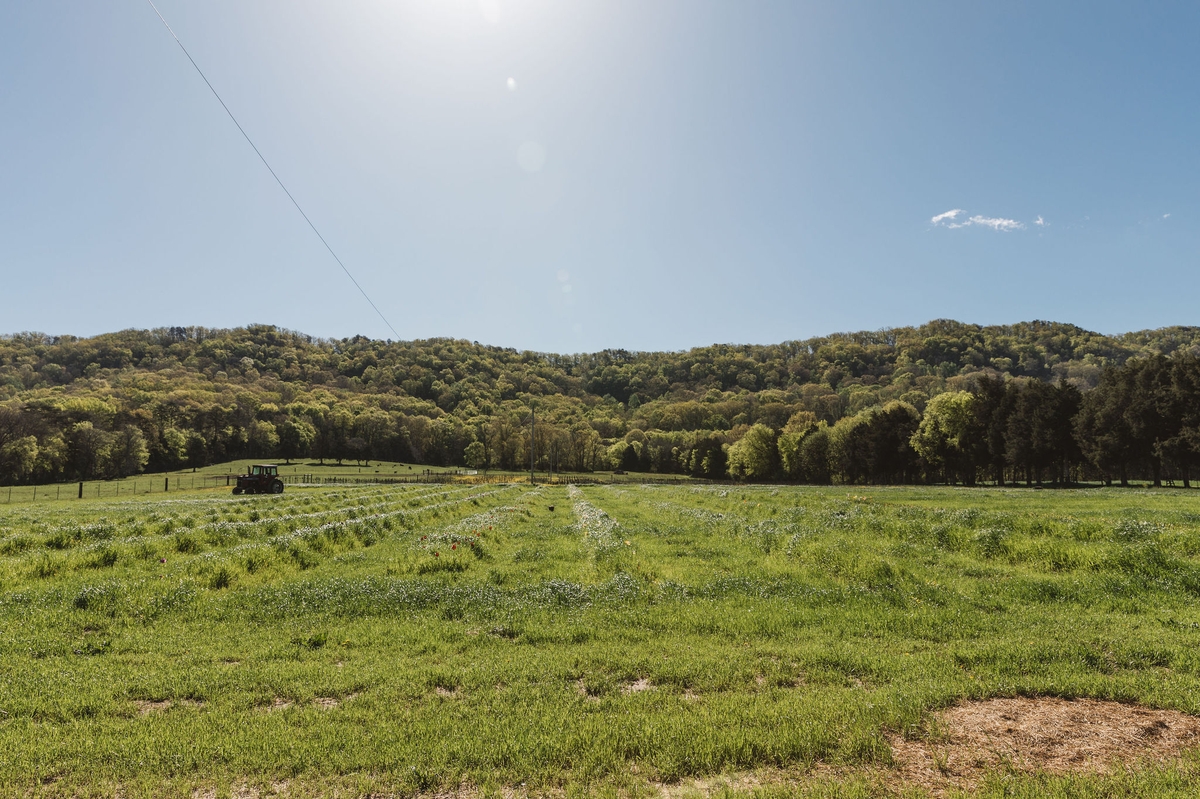
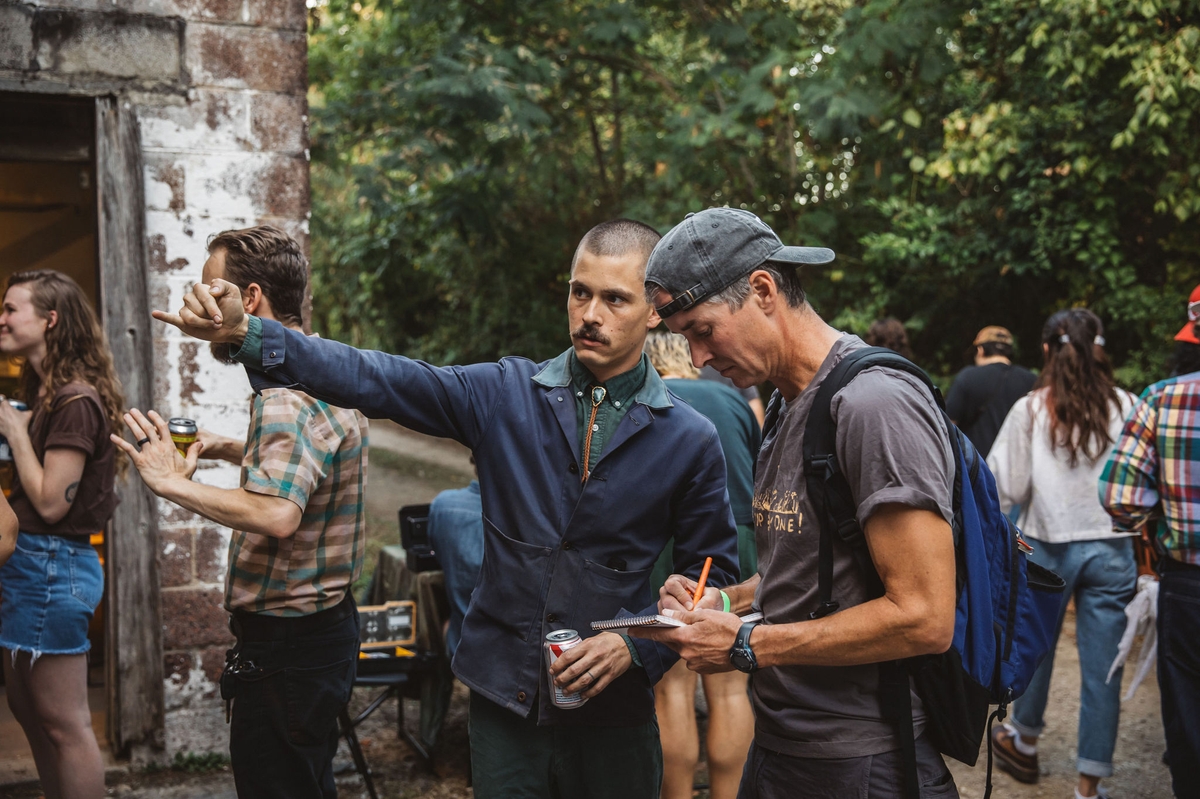
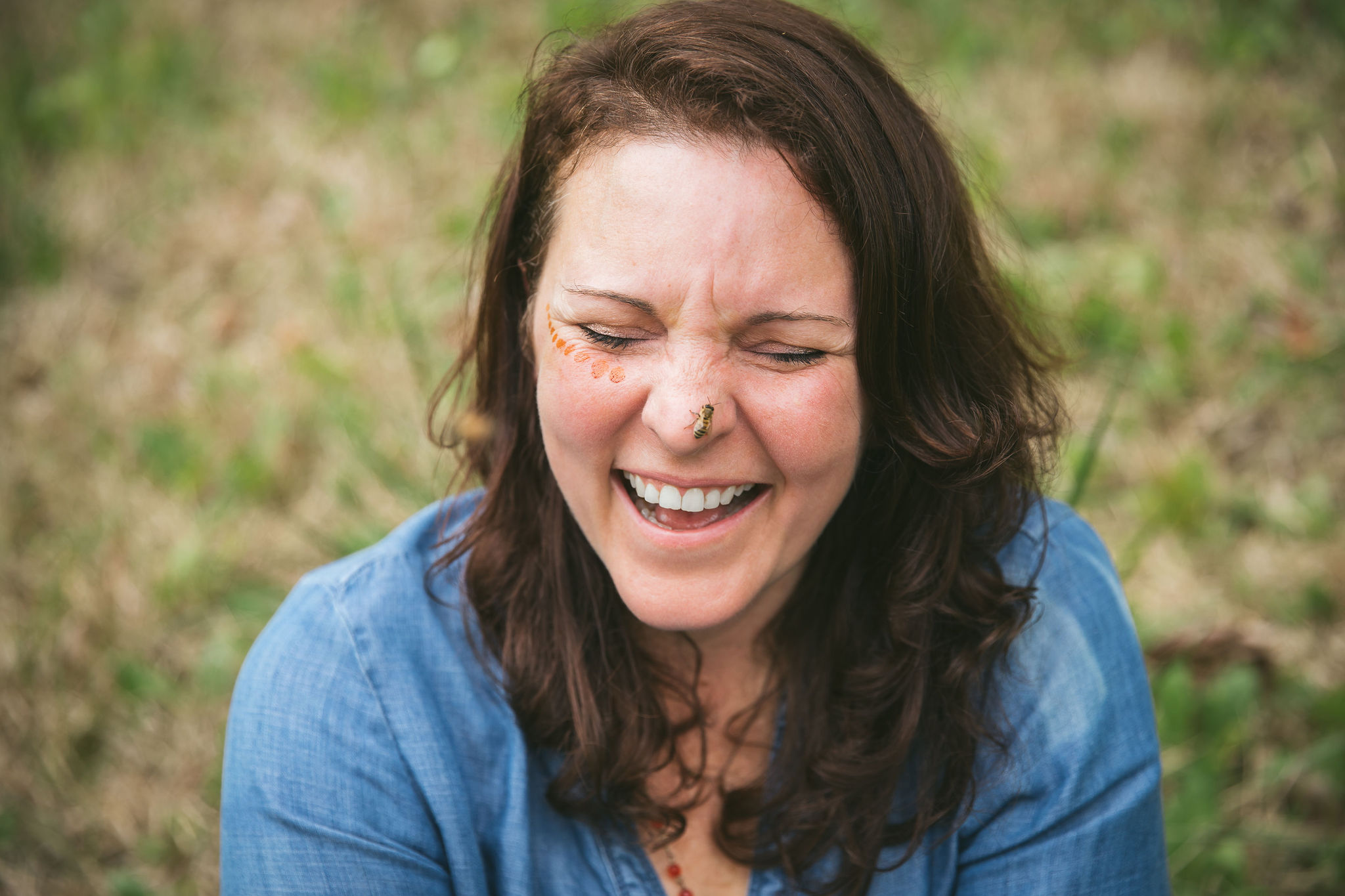
It all began at Common House. Virginia — please, take so many bows right now for so many reasons — introduced me to Sarah, who then invited Alex. We all were walking around with a similar idea: media that uplifts, stories about food, the table, farms.
Those early days were creative, high-wire, like an invisible muse-train chug-pushing us from behind. (Kerry Hayes, a big tip of the hat to you, too.)
Why these stories?
For me, I've turned over enough stones to know the answer.
There was an emptiness that needed filling.
A few days ago, I met a woman who introduced herself this way:
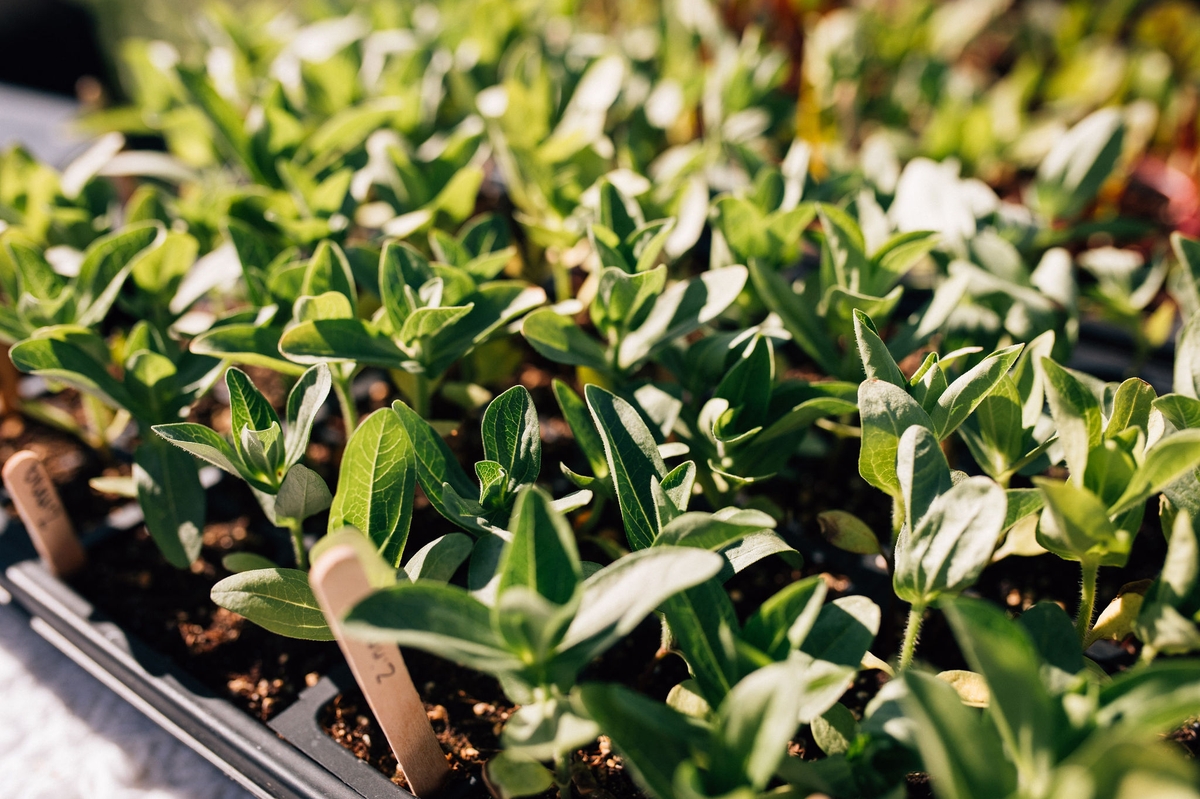
"I'm 62," she began. "All my life, I've lived in condos and apartments. This spring, I bought my first house with a yard. And the first thing I did was start a garden.
"I wanted to grow things."
Yes.
That's it.
I hear you loud and clear.
When I began to grow things and pay closer attention to others doing the same, I found a mid-life surprise: my heart and mind began to relate to the world differently.
It feels like an emptiness being somewhat filled. Do you feel it, too?
A void, something missing, an absence of something the heart and body longed for.
I want to grow things.
The human biologist Paul Shepherd once said this:
The grief and sense of loss that we often attribute to a failure in our personality is actually an emptiness where a beautiful and strange otherness should have been encountered.
Oh my. A beautiful and strange otherness. What a phrase.
That's the longing.
I read this sentence months ago, and have held on to it closely ever since.
The brokenness we feel? What if it's actually a deficiency in our culture? Like longing for this faraway land that's actually calling to us from our original home?
What if so much of the hunger, ache and misalignment we experience — it goes by so many names — is not something that's wrong with us, but wrong with modern culture?
We've lost routine, relational contact with beauty and grandeur and largeness.
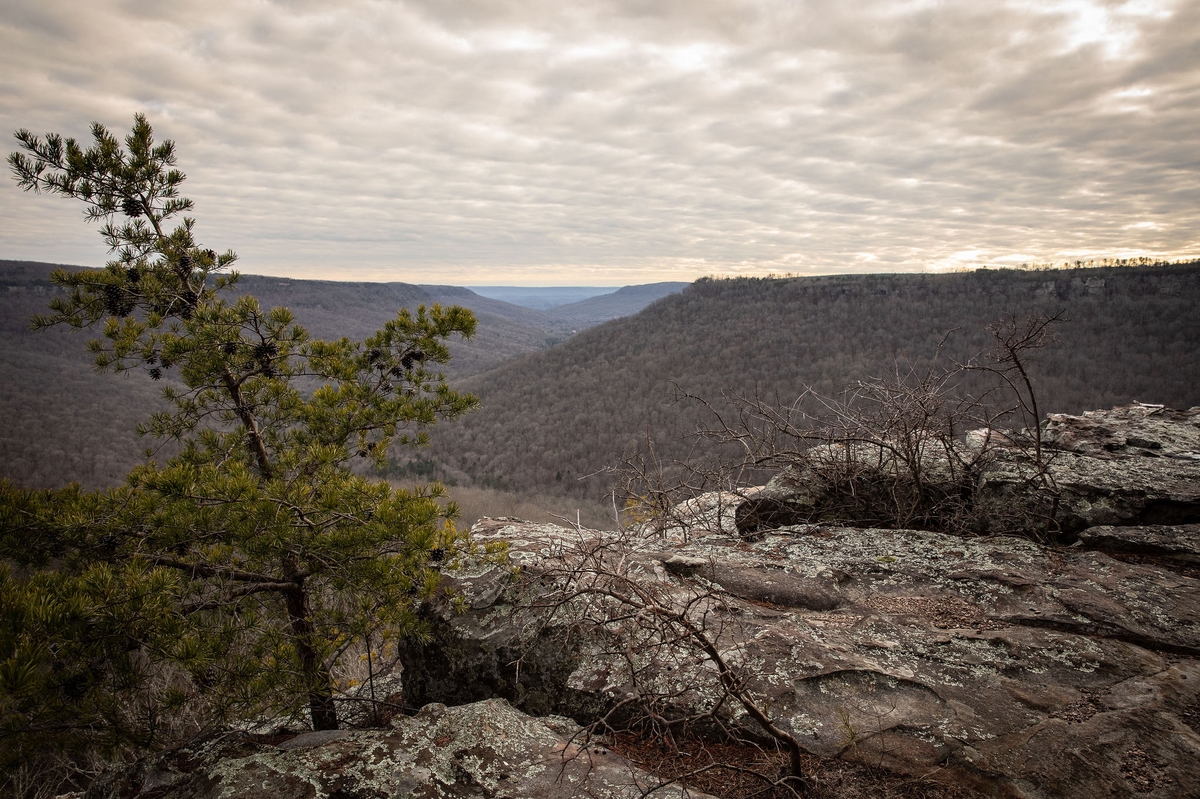
We've lost the language to speak and hear strangeness, otherness and the more-than-human wildness.
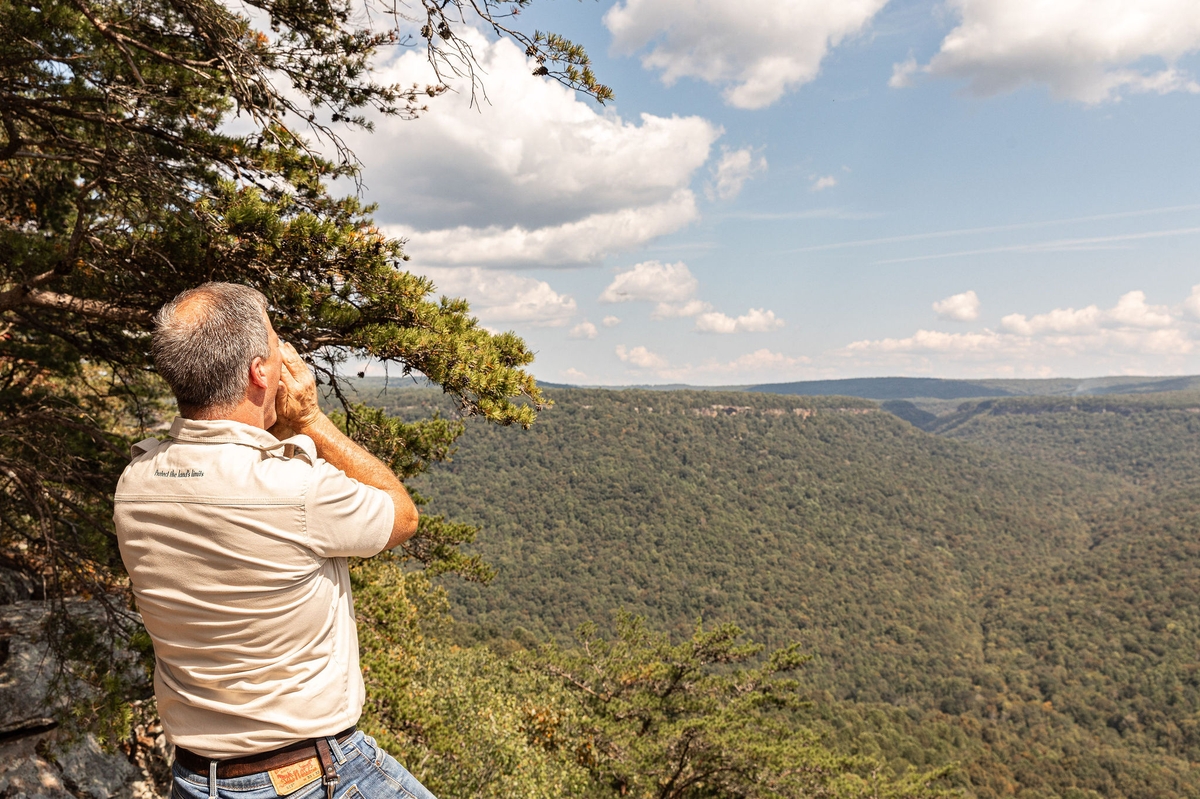
Shepherd — his quote comes from Francis Weller's In the Absence of the Ordinary — is speaking about something more than just vacations to national parks.
Long ago, this was a way of life: normal, routine, steady, like a trusted friend for whom we see daily.
We have lost these encounters. Or, for many years, I had.
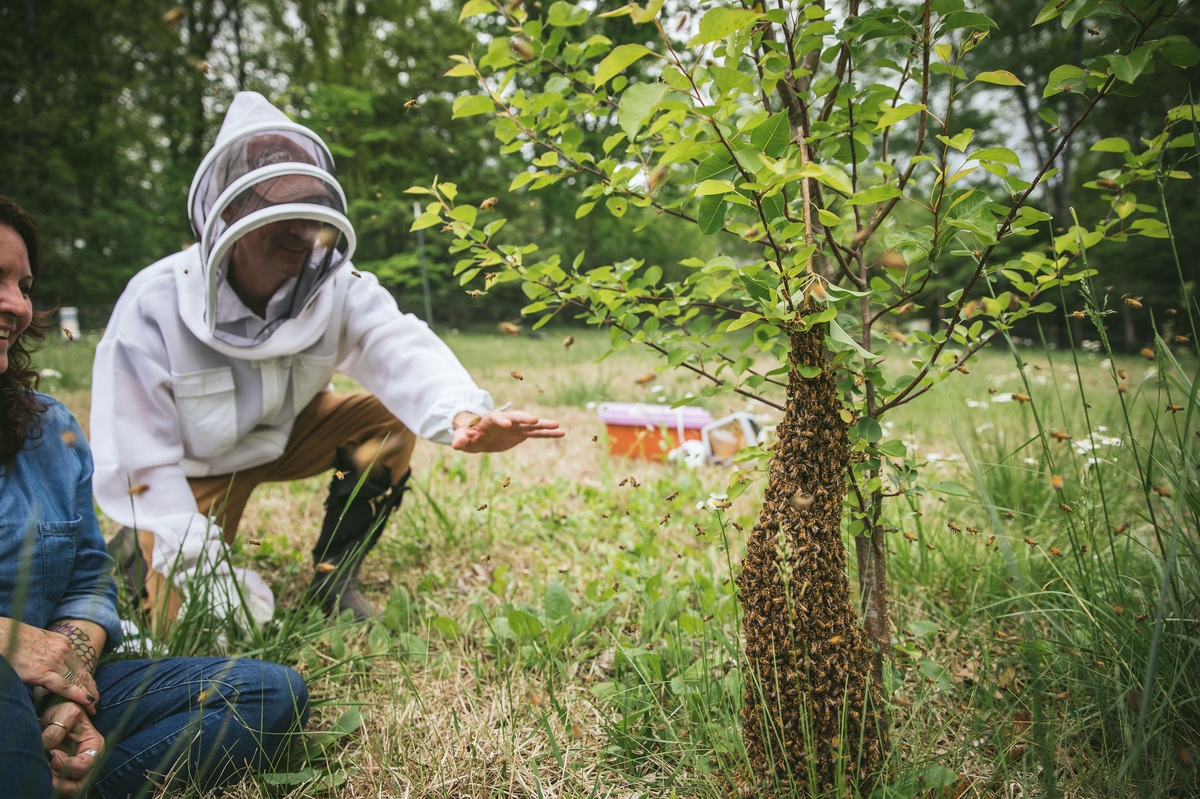
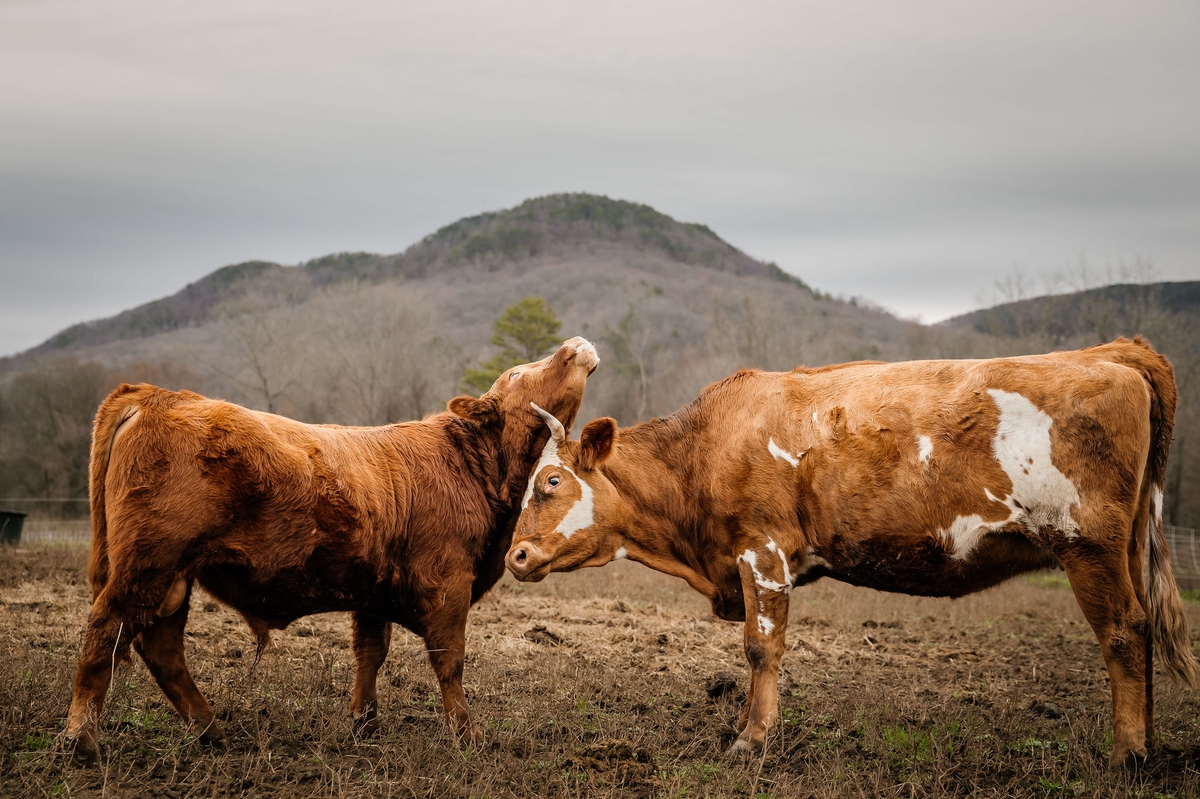
If we could wave a magic wand and our lives were somehow full of relational experiences with Things That Are Grand and Growing — cattle farms, 100-year-old oak trees, sheep on pasture, sunflowers and peppers in containers by the window — would they all not fit, like a hand in soft glove, what feels missing?
It's like TO Smith said: why do we have houseplants? They serve no practical purpose.
But we feel better around them.
"Humans need other living things," he said.
Looking back at our 300 stories, I am moved deep in my bones, down in the root cellar of my heart. (We've hit some highs. And one or two lows. Death as a Verb, anyone? Ooof.)
Before we ever launched Food as a Verb, I walked into Easy Bistro; Chef Erik Niel was in the corner seat at the bar, working on his Mac. A friend of a friend had set up the moment.
We spent 45 minutes together, the first conversation — raw, hilarious, honest — of dozens that would follow.
I told him our idea. His answer was immediate:
How can I help? I've got your back.
It was the same experience with old friend Jeff Cannon, the Zilens, Dorris Shober, Adelaide Naumann and so many others who will stay unnamed but never forgotten.
Whatever you need. We're here for you. Chattanooga needs this.
We wouldn't exist without them.
There may have been 30 stories, but not 300.
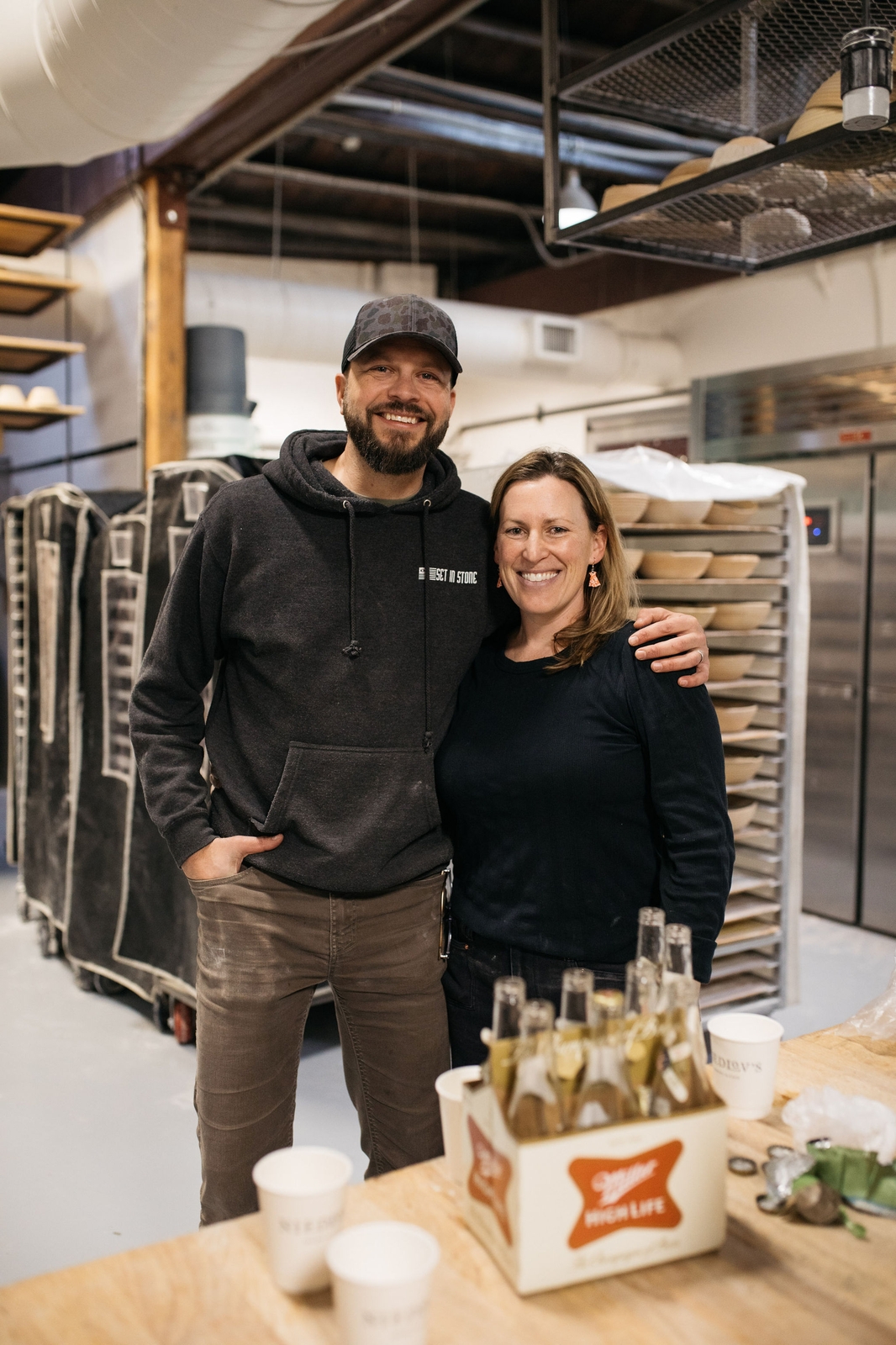
If you could peer into our world, you'd see hundreds of conversations, creating and recreating with Alex and Sarah; it's made me feel like I finally found my true garage band. We're laughing so hard we're crying and struggling so hard we're almost crying, too. We've made mistakes along the way; all of them feel like mine.
But we've also built something that is so healing and filling for us. We've grown something that so often seems like an encounter with life at its very best.
My God, it can be so gorgeous.
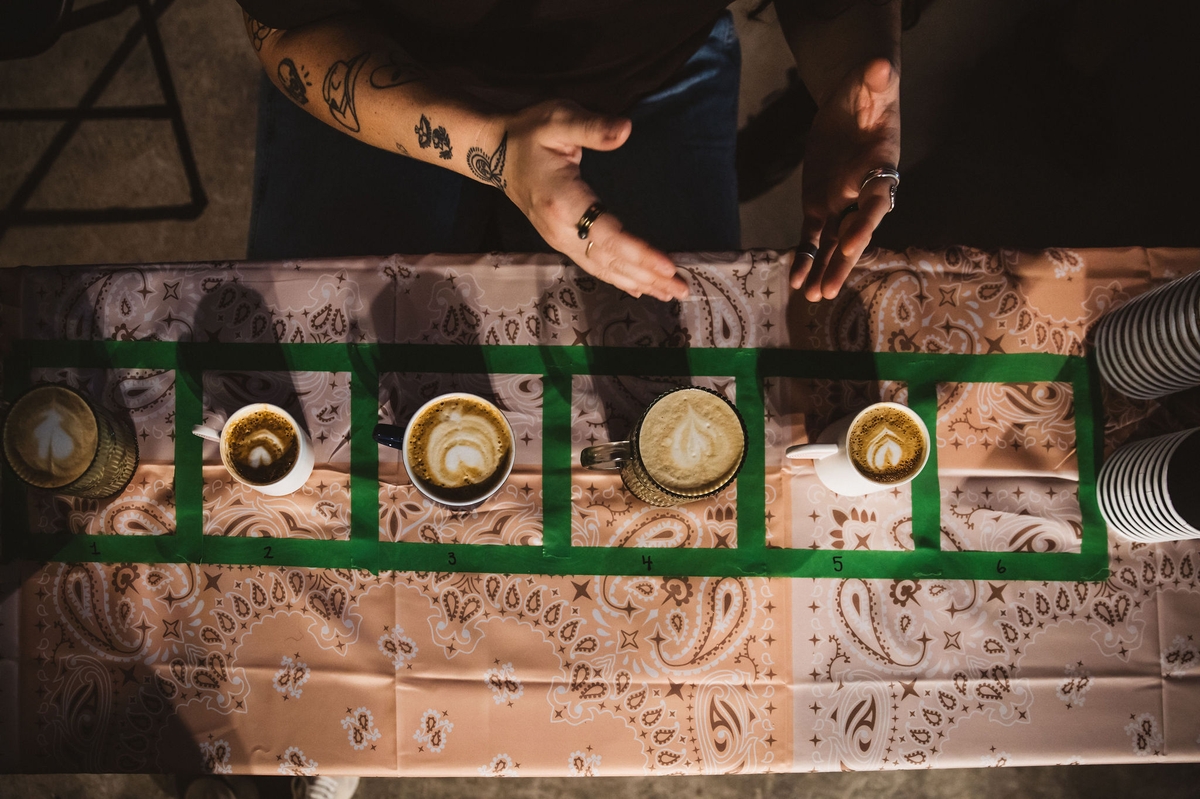
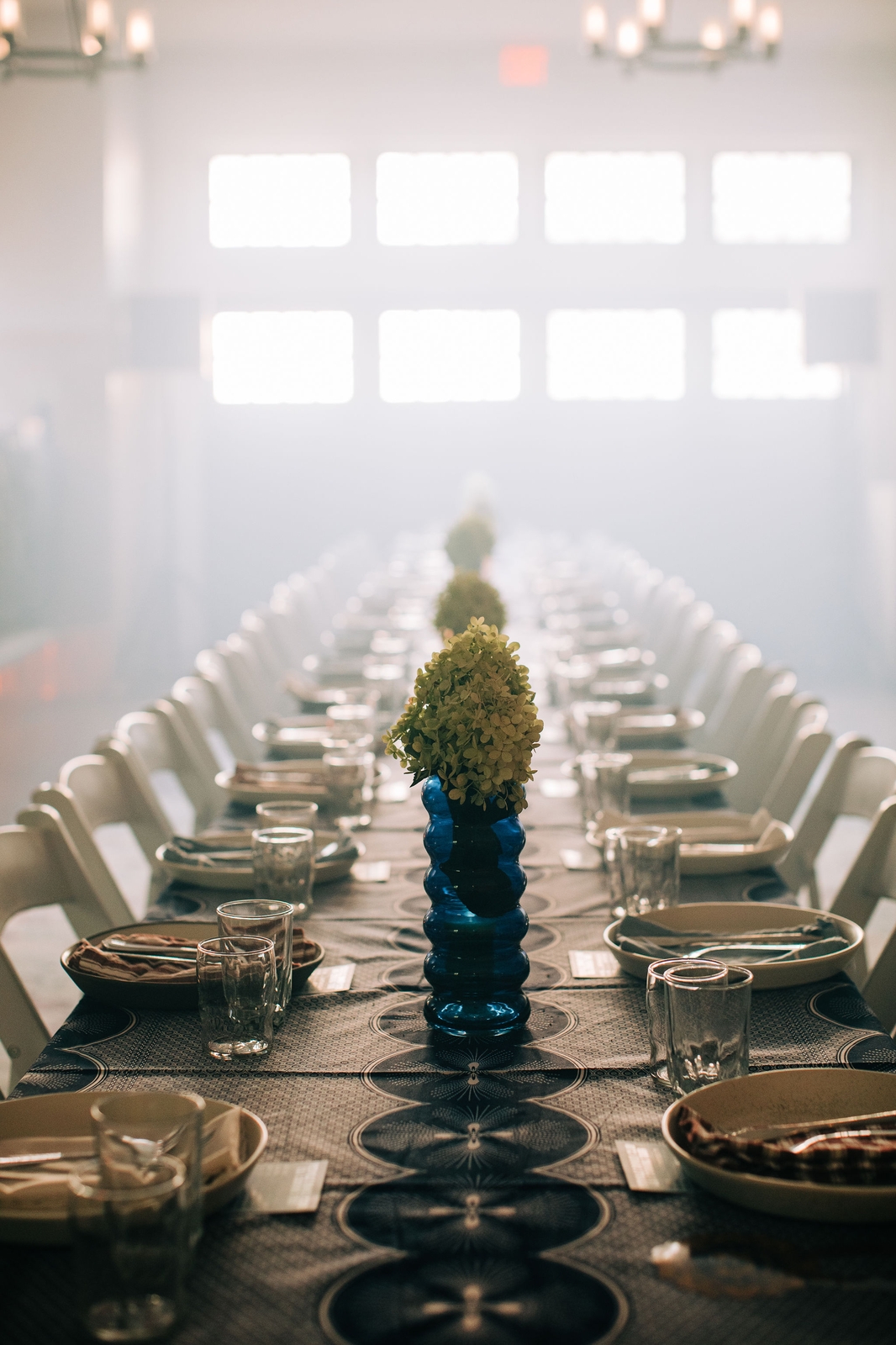
I have learned about 10,000 things from Sarah and Alex, chief among them: be steady, be calm and remember our North Stars:
- Keep it punk rock.
- And have fun.
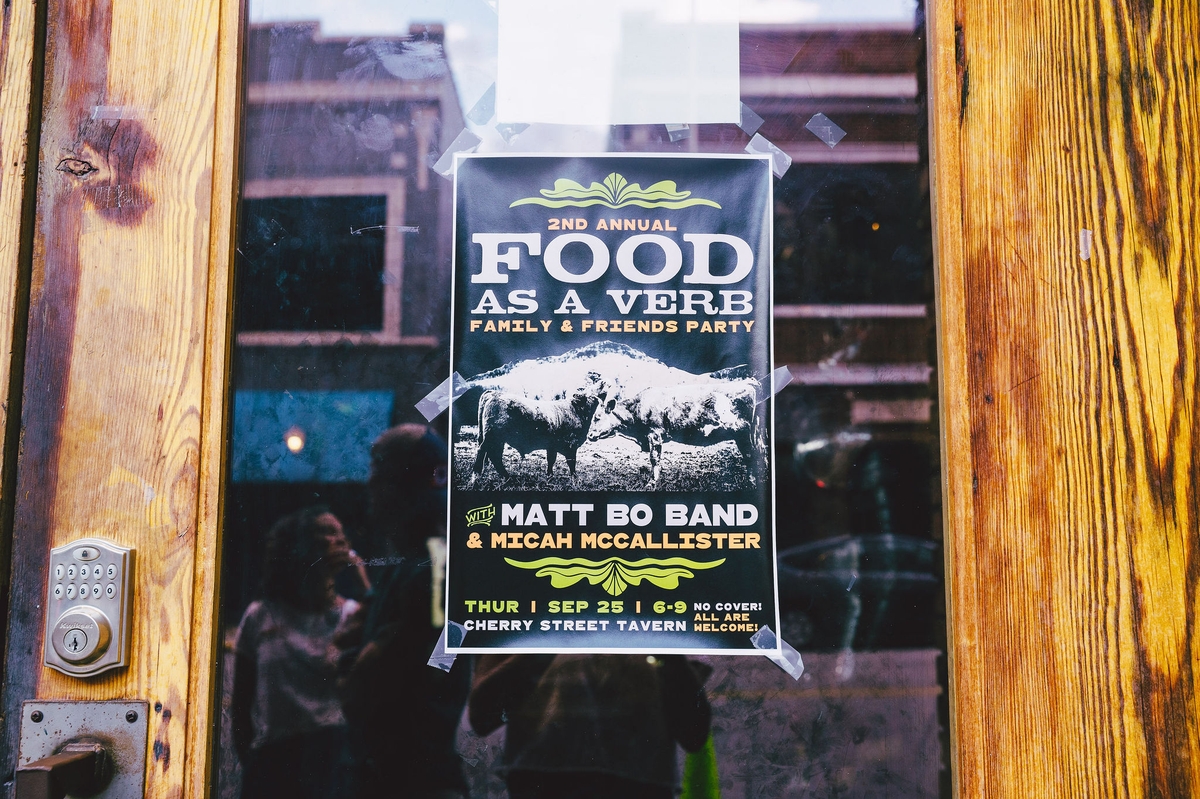
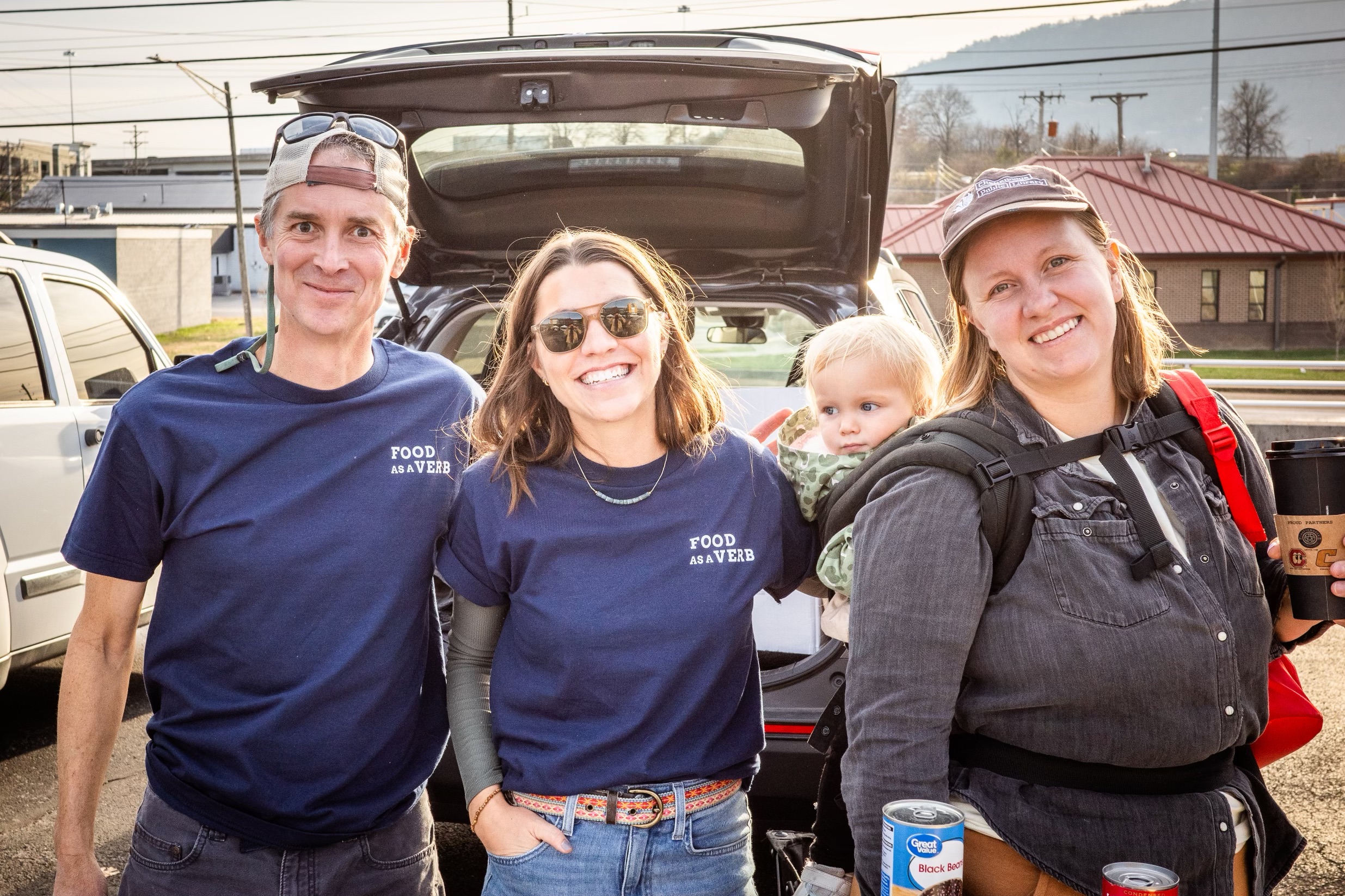
This time, Sarah, Alex and I will get to the same words together.
Thank you, Food as a Verb family, for riding with us in our side-by-side for 300 stories into the strange, beautiful otherness.
It feels like we are growing something together.
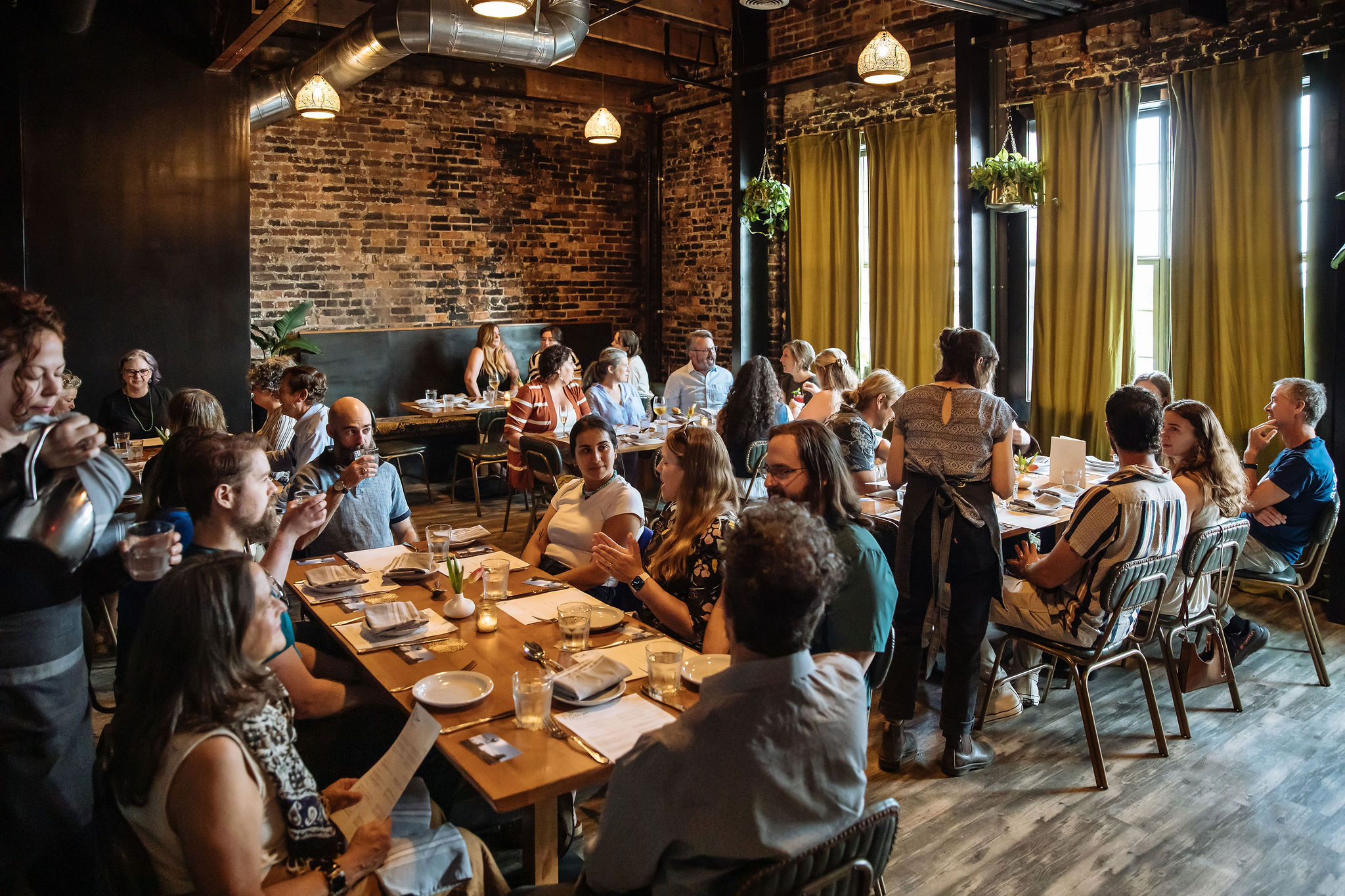
Stop.
Freeze-frame this moment with you all.
How beautiful.
How strange.
How grand.
Story ideas, questions, feedback? Interested in partnering with us? Email: david@foodasaverb.com
This story is 100% human generated; no AI chatbot was used in the creation of this content.
food as a verb thanks our sustaining partner:
food as a verb thanks our story sponsor:
Easy Bistro & Bar
A few days ago, we are bumping over pasture with a cattle farmer in his side-by-side across one of the most remote, original farms in the South.
The farmer leans over and says he's taking six cows to slaughter later this month. Asks if we want to go.
The answer's immediate, automatic. We don't bat an eye or miss a beat. We both open our mouths; Sarah gets to the words first: hells yes, we want to go.
"We love a good slaughterhouse," she says.
My words come next, like a lamb sure to follow.
"Yeah, we love a good slaughterhouse," I said.
Stop.
Freeze-frame this moment.
I'm 52. For 49 of those years, I had never stepped foot in a slaughterhouse. Wouldn't have even known where to find one.
Yet, over the last three years of my life, I've been in more slaughterhouses than all 49 years combined.
That's me.
Here's Sarah.
And she's right. We do love — honor, appreciate, value — a wholesome, ethical, locally-owned slaughterhouse.
We even wish Hamilton County had one. Or two.
But at that cattle farm, the moment sort of cleaved itself open like a hoof. In that farmer's side-by-side, I saw the past and present sitting, well, side-by-side.
It wasn't just a comment — thank you, we'd actually really love to go with you to take these cows to slaughter. It was emblematic of just what had fallen into place in our lives over the last three years.
This is our 300th story since launching Food as a Verb.
I don't think any of us knew what we were actually going to build and create.
We just wanted to tell these stories.
These tender, majestic, beautiful stories.
About people and place.
It all began at Common House. Virginia — please, take so many bows right now for so many reasons — introduced me to Sarah, who then invited Alex. We all were walking around with a similar idea: media that uplifts, stories about food, the table, farms.
Those early days were creative, high-wire, like an invisible muse-train chug-pushing us from behind. (Kerry Hayes, a big tip of the hat to you, too.)
Why these stories?
For me, I've turned over enough stones to know the answer.
There was an emptiness that needed filling.
A few days ago, I met a woman who introduced herself this way:
"I'm 62," she began. "All my life, I've lived in condos and apartments. This spring, I bought my first house with a yard. And the first thing I did was start a garden.
"I wanted to grow things."
Yes.
That's it.
I hear you loud and clear.
When I began to grow things and pay closer attention to others doing the same, I found a mid-life surprise: my heart and mind began to relate to the world differently.
It feels like an emptiness being somewhat filled. Do you feel it, too?
A void, something missing, an absence of something the heart and body longed for.
I want to grow things.
The human biologist Paul Shepherd once said this:
The grief and sense of loss that we often attribute to a failure in our personality is actually an emptiness where a beautiful and strange otherness should have been encountered.
Oh my. A beautiful and strange otherness. What a phrase.
That's the longing.
I read this sentence months ago, and have held on to it closely ever since.
The brokenness we feel? What if it's actually a deficiency in our culture? Like longing for this faraway land that's actually calling to us from our original home?
What if so much of the hunger, ache and misalignment we experience — it goes by so many names — is not something that's wrong with us, but wrong with modern culture?
We've lost routine, relational contact with beauty and grandeur and largeness.
We've lost the language to speak and hear strangeness, otherness and the more-than-human wildness.
Shepherd — his quote comes from Francis Weller's In the Absence of the Ordinary — is speaking about something more than just vacations to national parks.
Long ago, this was a way of life: normal, routine, steady, like a trusted friend for whom we see daily.
We have lost these encounters. Or, for many years, I had.
If we could wave a magic wand and our lives were somehow full of relational experiences with Things That Are Grand and Growing — cattle farms, 100-year-old oak trees, sheep on pasture, sunflowers and peppers in containers by the window — would they all not fit, like a hand in soft glove, what feels missing?
It's like TO Smith said: why do we have houseplants? They serve no practical purpose.
But we feel better around them.
"Humans need other living things," he said.
Looking back at our 300 stories, I am moved deep in my bones, down in the root cellar of my heart. (We've hit some highs. And one or two lows. Death as a Verb, anyone? Ooof.)
Before we ever launched Food as a Verb, I walked into Easy Bistro; Chef Erik Niel was in the corner seat at the bar, working on his Mac. A friend of a friend had set up the moment.
We spent 45 minutes together, the first conversation — raw, hilarious, honest — of dozens that would follow.
I told him our idea. His answer was immediate:
How can I help? I've got your back.
It was the same experience with old friend Jeff Cannon, the Zilens, Dorris Shober, Adelaide Naumann and so many others who will stay unnamed but never forgotten.
Whatever you need. We're here for you. Chattanooga needs this.
We wouldn't exist without them.
There may have been 30 stories, but not 300.
If you could peer into our world, you'd see hundreds of conversations, creating and recreating with Alex and Sarah; it's made me feel like I finally found my true garage band. We're laughing so hard we're crying and struggling so hard we're almost crying, too. We've made mistakes along the way; all of them feel like mine.
But we've also built something that is so healing and filling for us. We've grown something that so often seems like an encounter with life at its very best.
My God, it can be so gorgeous.
I have learned about 10,000 things from Sarah and Alex, chief among them: be steady, be calm and remember our North Stars:
- Keep it punk rock.
- And have fun.
This time, Sarah, Alex and I will get to the same words together.
Thank you, Food as a Verb family, for riding with us in our side-by-side for 300 stories into the strange, beautiful otherness.
It feels like we are growing something together.
Stop.
Freeze-frame this moment with you all.
How beautiful.
How strange.
How grand.
Story ideas, questions, feedback? Interested in partnering with us? Email: david@foodasaverb.com
This story is 100% human generated; no AI chatbot was used in the creation of this content.
Food as a verb thanks our story sponsor:
Food as a Verb Thanks our sustaining partner:
Food as a verb thanks our story sponsor:
Join our table

keep reading