We All Baked Bread Together Inside Niedlov's: Here's What It Was Like
Plus, an open letter from Erik Zilen.
Food as a verb thanks
for sponsoring this series

I'd tried before, this homemade bread thing.
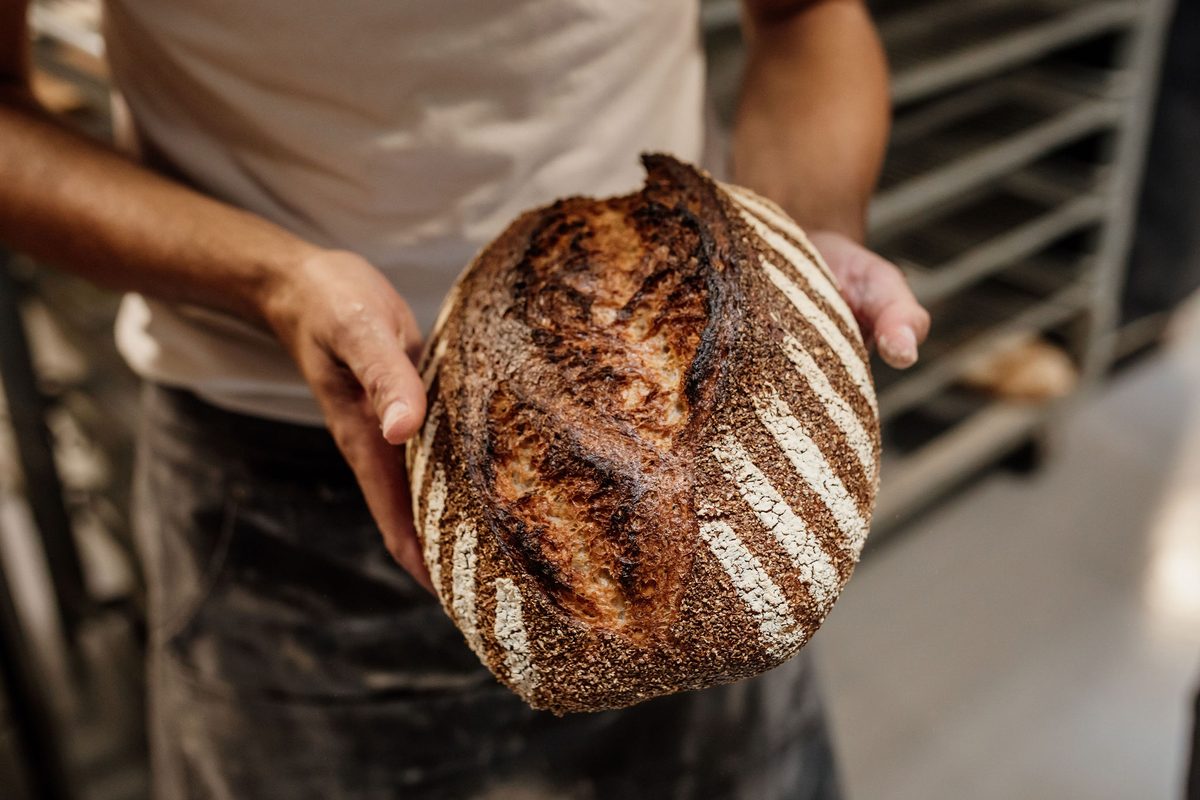
It was back in 2024, when Erik and Lauren Zilen were offering Chattanooga its first truly local loaf.
They called it Rogue.
Gosh knows you've heard this by now; we've told it in Food as a Verb, Oxford American and The Food Section.
But there's also part of this story I haven't told you.
Sure, when I tried in 2024 to bake my own loaf — from growing wheat to milling to baking, all with my own hands — it was hard. Hard as in: sloppy, clumsy, with two left feet or four right thumbs.
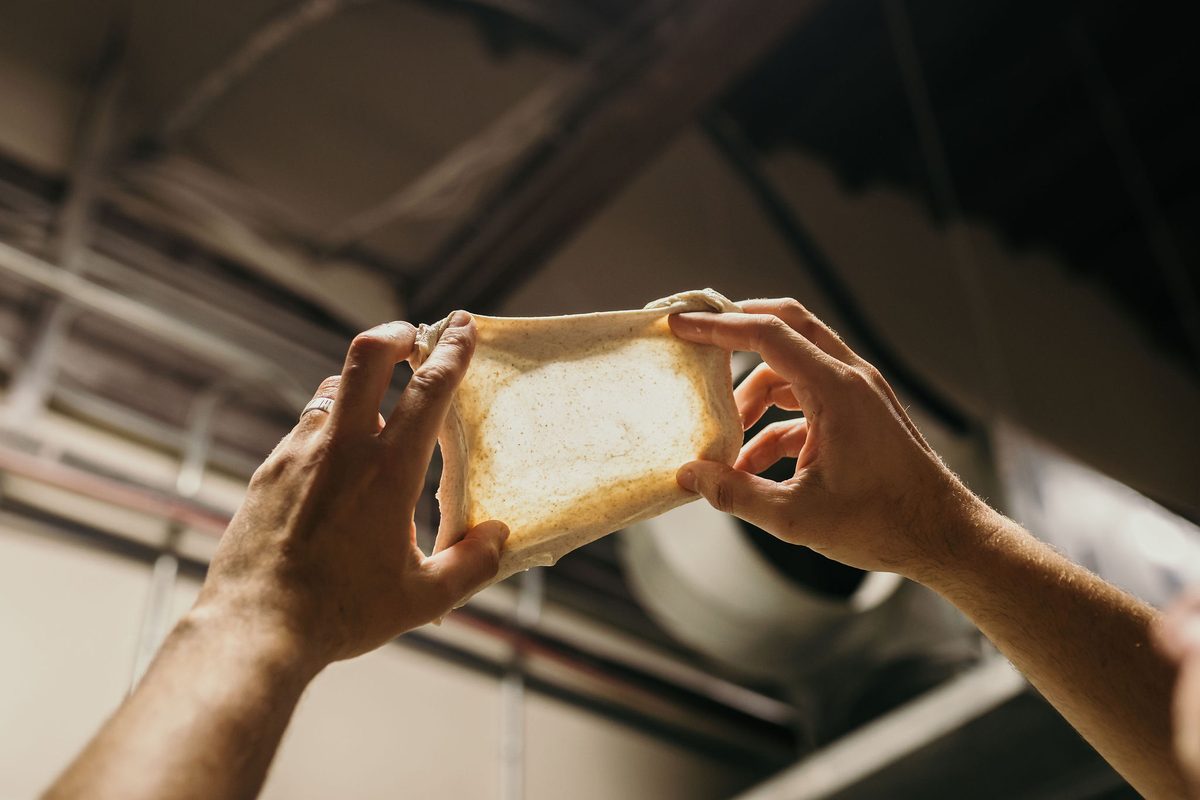
When Erik bakes bread, the heavens sing. Hands and dough are synchronous, each enjoying the other. Simon and Garfunkel. Kobe and Shaq. The light hits and ... yes. Gorgeous.
Me?
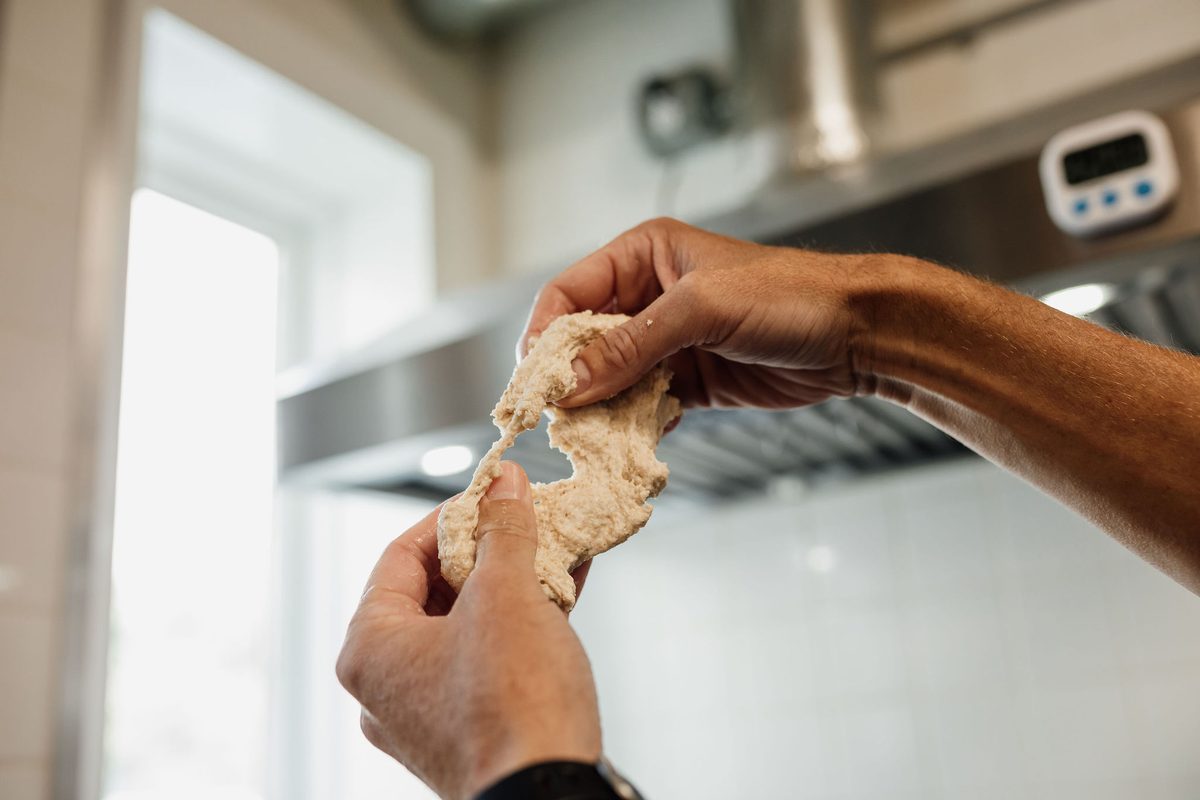
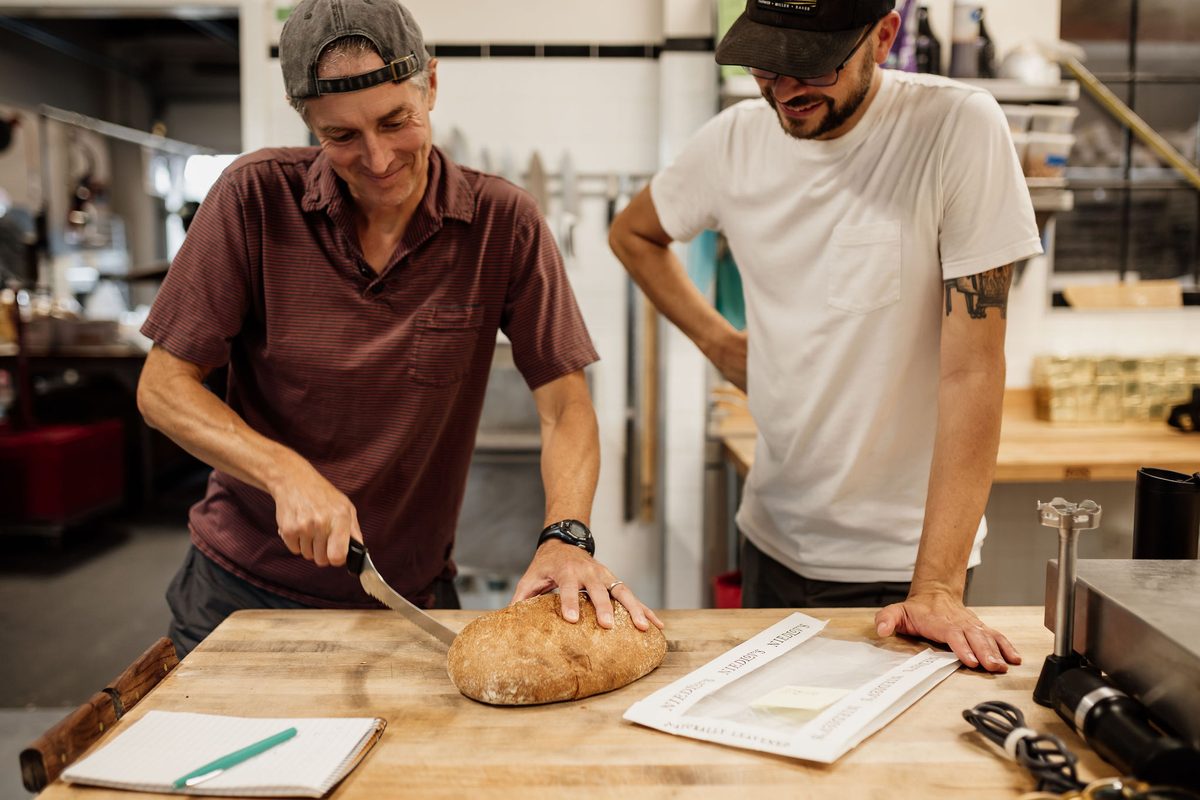
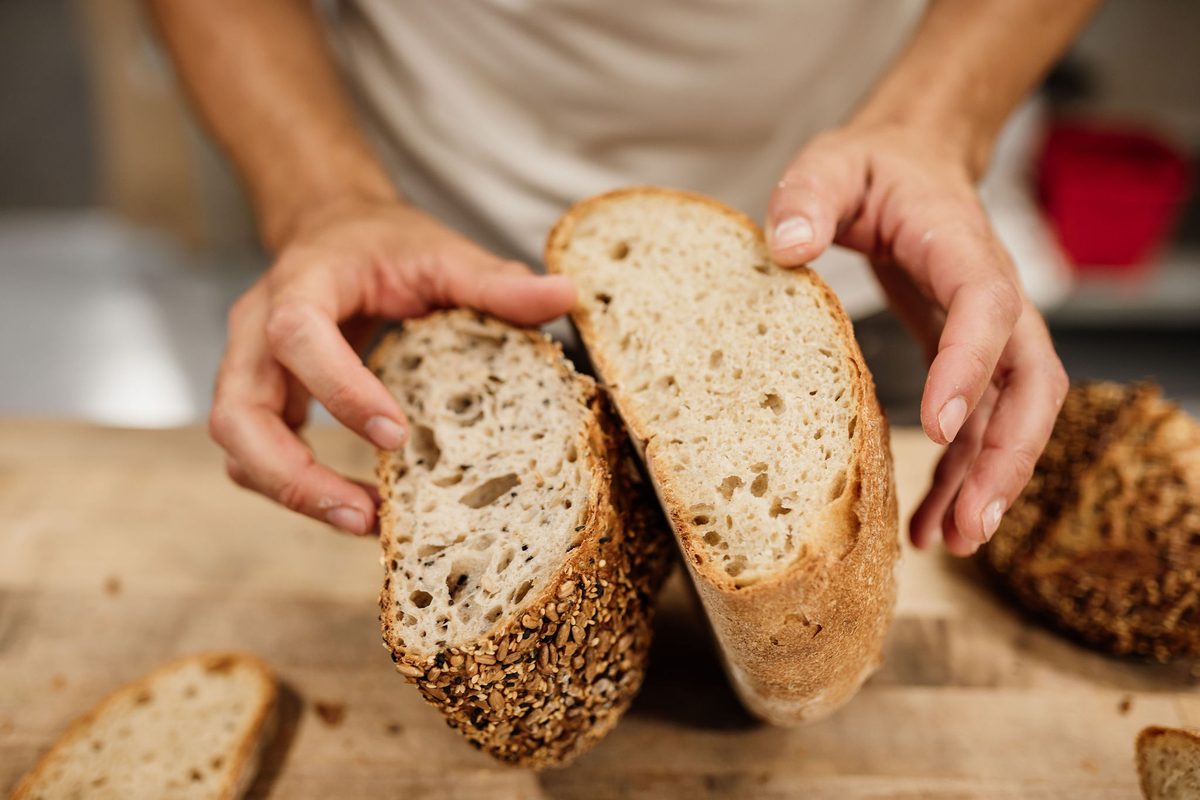
The Garfunky loaf I baked was left on the counter to cool. As is customary in a bakery, someone walked by and sampled it.
They thought it was a practical joke. A Punked loaf. Erik, are you sick, bro? Not feeling well? What the hell is this?
Mine's on the right, although that's pretty obvious.
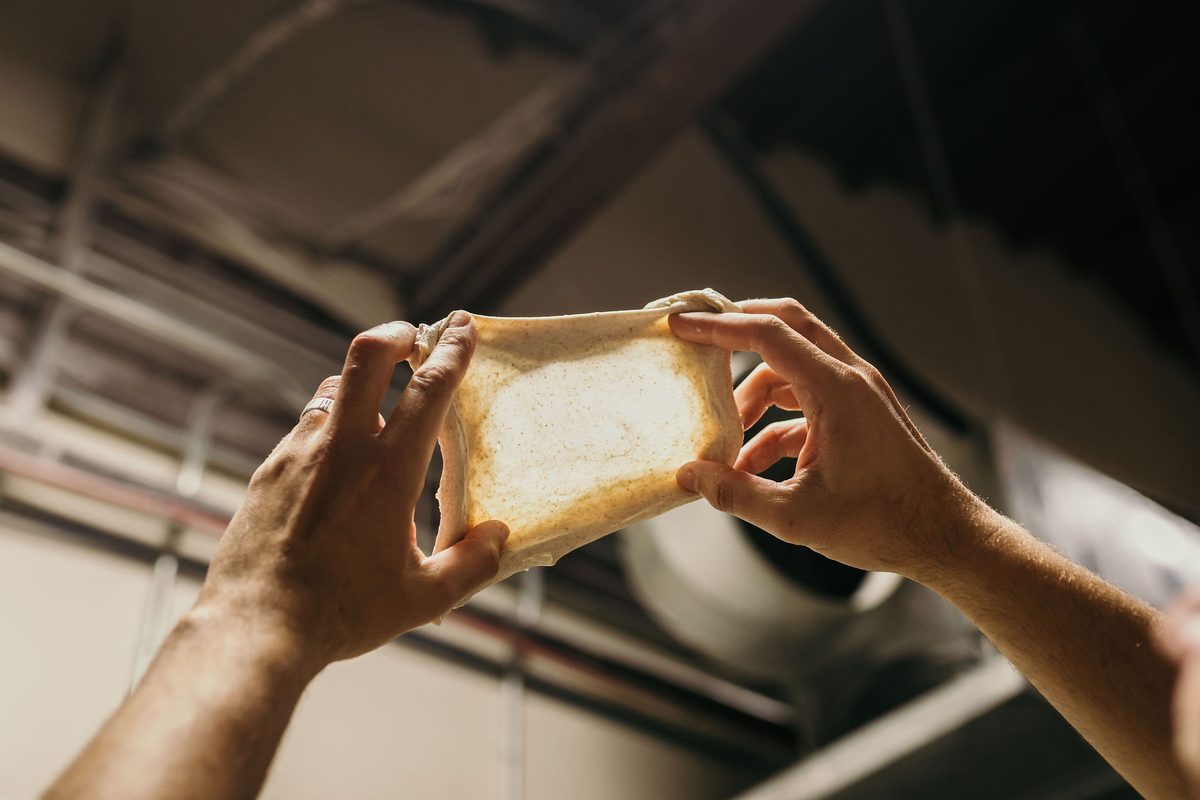
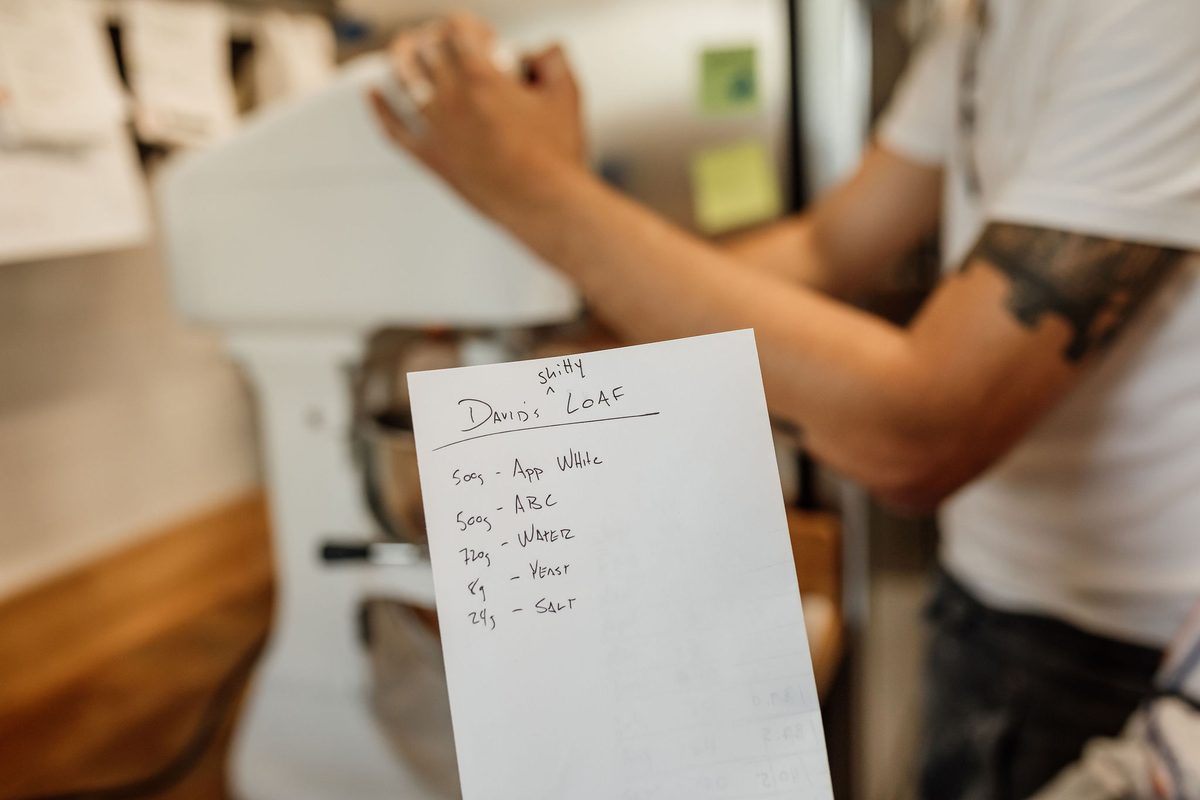
Erik even wrote up a recipe.
So, last month, I got the opportunity to do it all over again. Niedlov's has its own mill — here's why that may be the 2026 story of the year — and the Zilens hosted a group of us to tour the bakery, see the new mill and then, viola: bake our own loaves in the big commercial oven.
Tickets were sold through The Table and were gone in two days. The Zilens gave us a recipe to follow; the event was on a Sunday in October. Two days before, we picked up our starter and instructions.
We called it: Baking Bread Together.
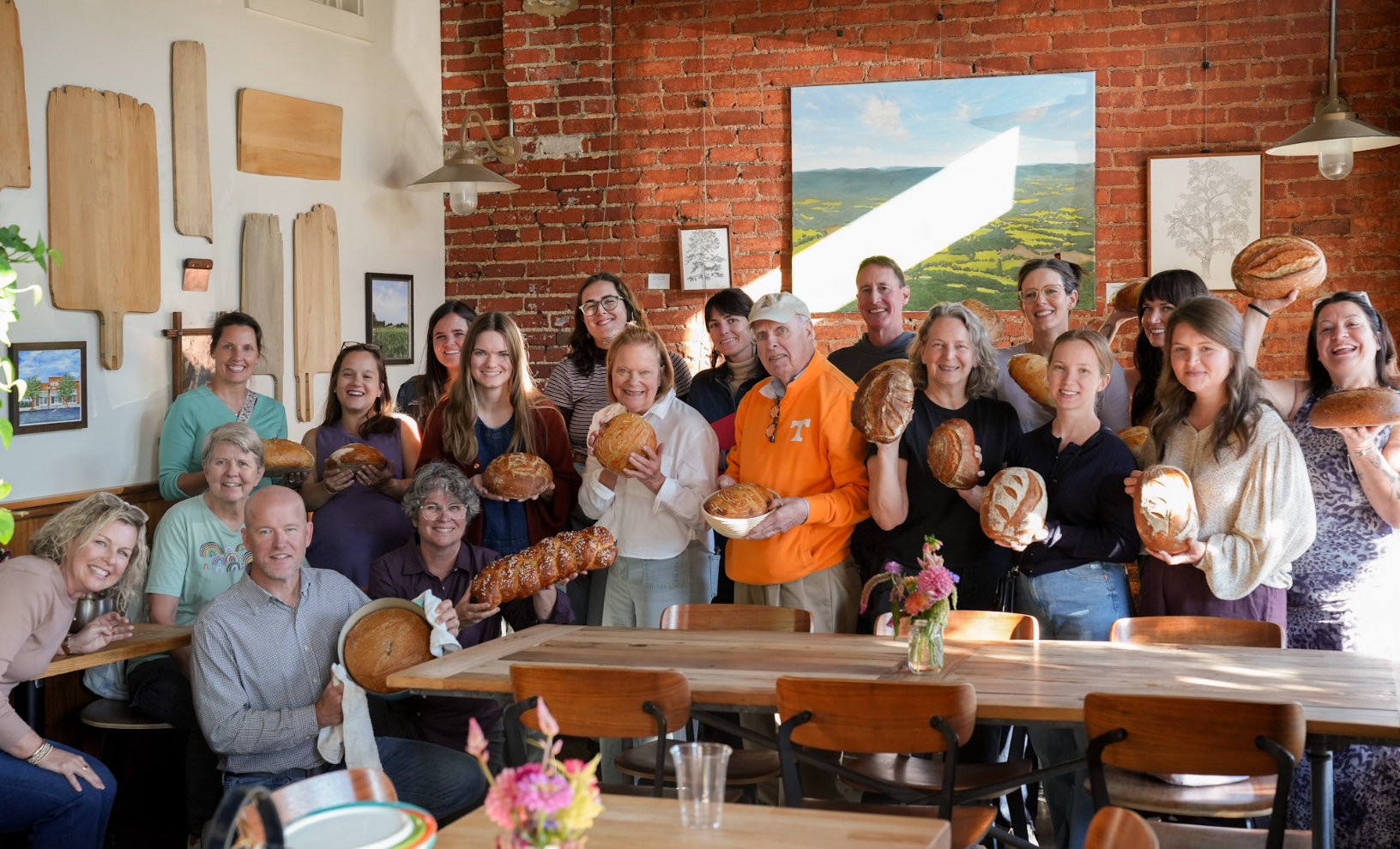
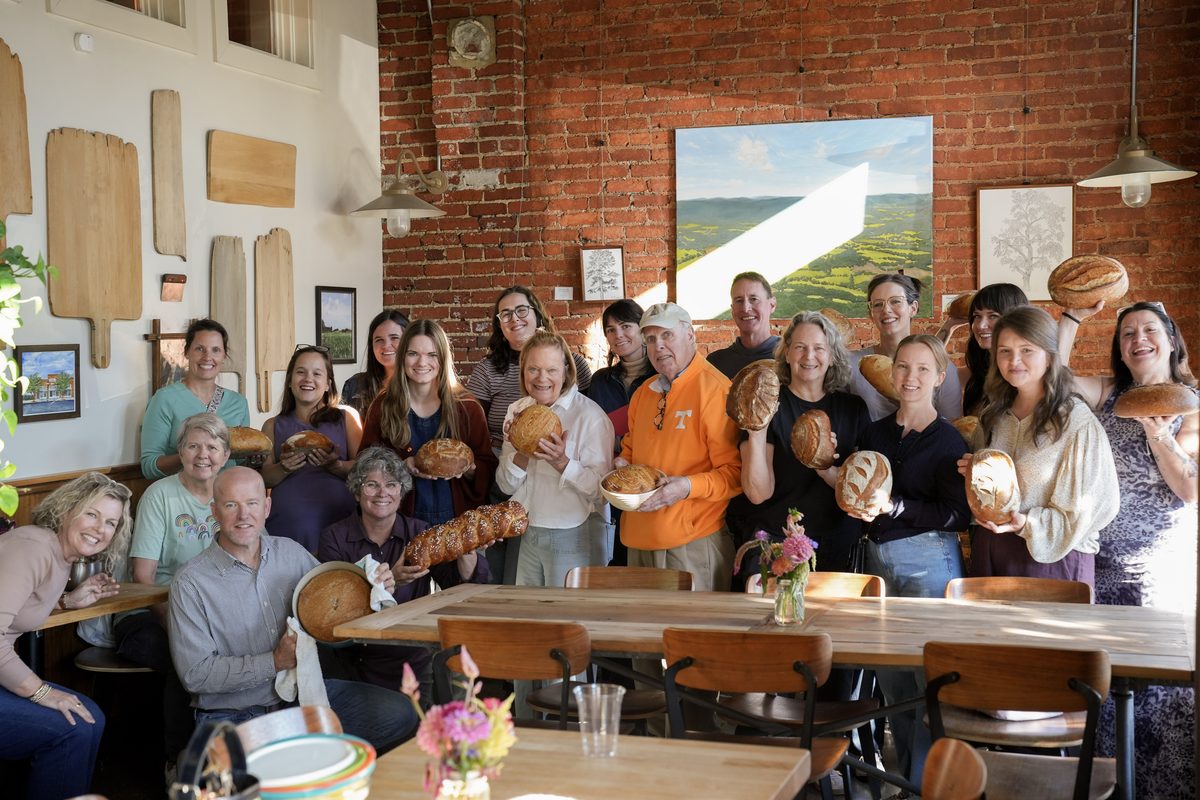
Two dozen of us showed up with our starter loaves and began loading them in the big commercial oven. Chef Mallory Grimm from LUNCH drove down. Farmers came from Riceville. When the oven saw me coming, it shuddered and groaned: not him again. (Tim Moore, thank you for the photography.)
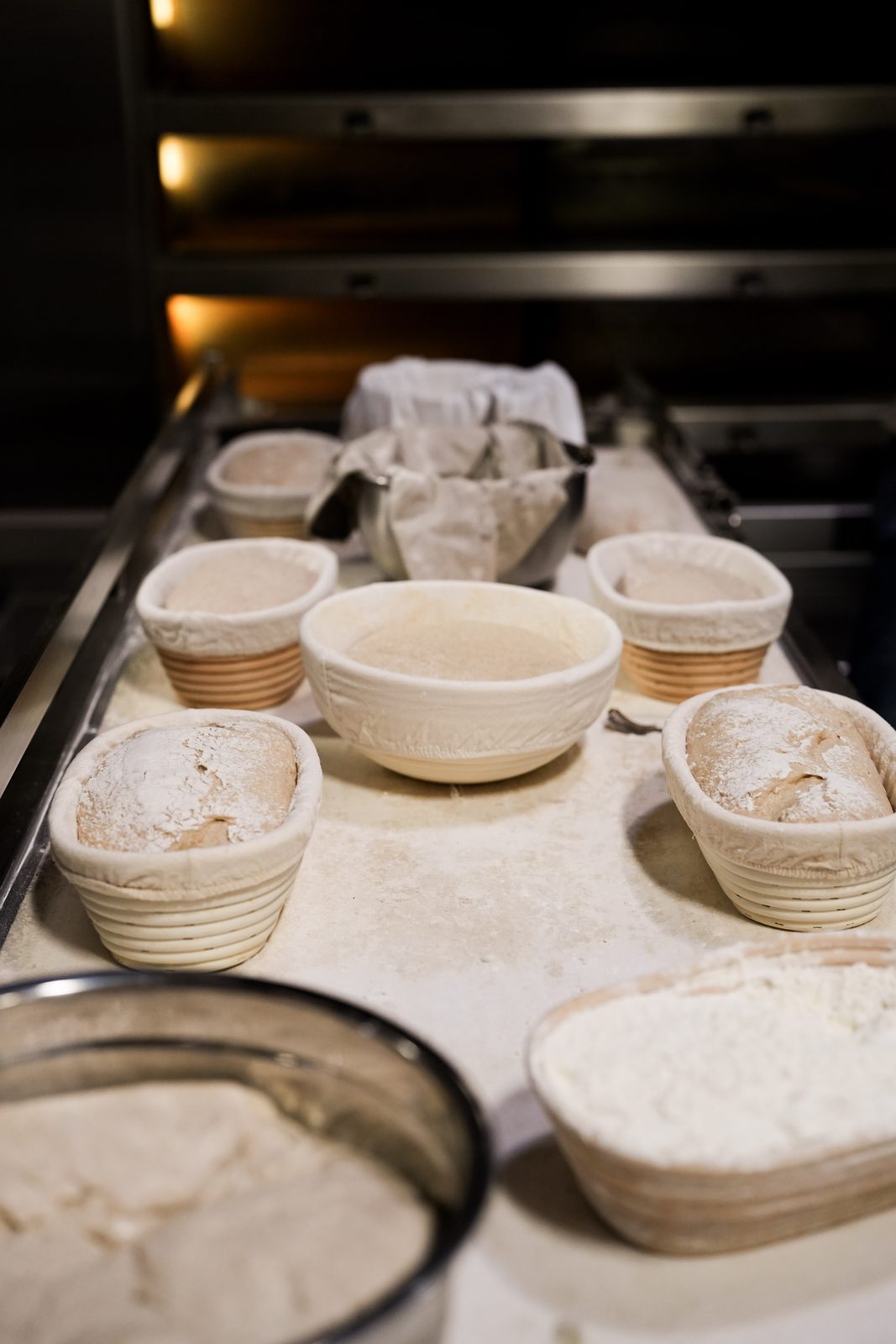
It was communal and civic. Loaves were Goldilocks: some large, some small, some just right.
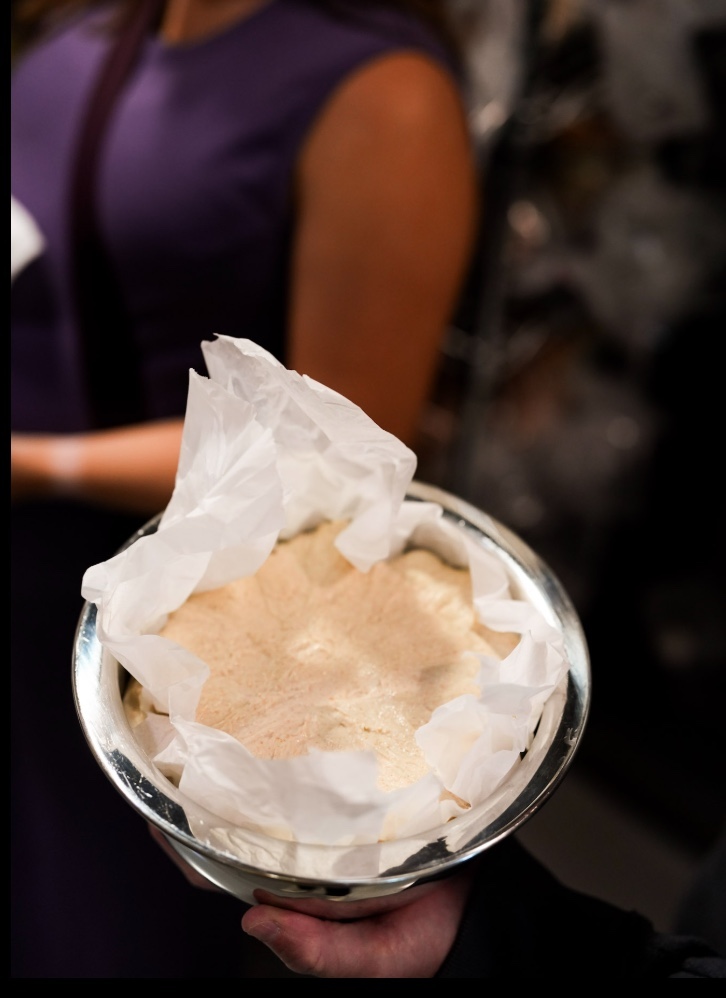
It also felt like a yeast imposter syndrome. Cooling on the racks nearby: Niedlov's James Beard award-winning loaves. We were nervous. How would ours compare? (Not him again.)
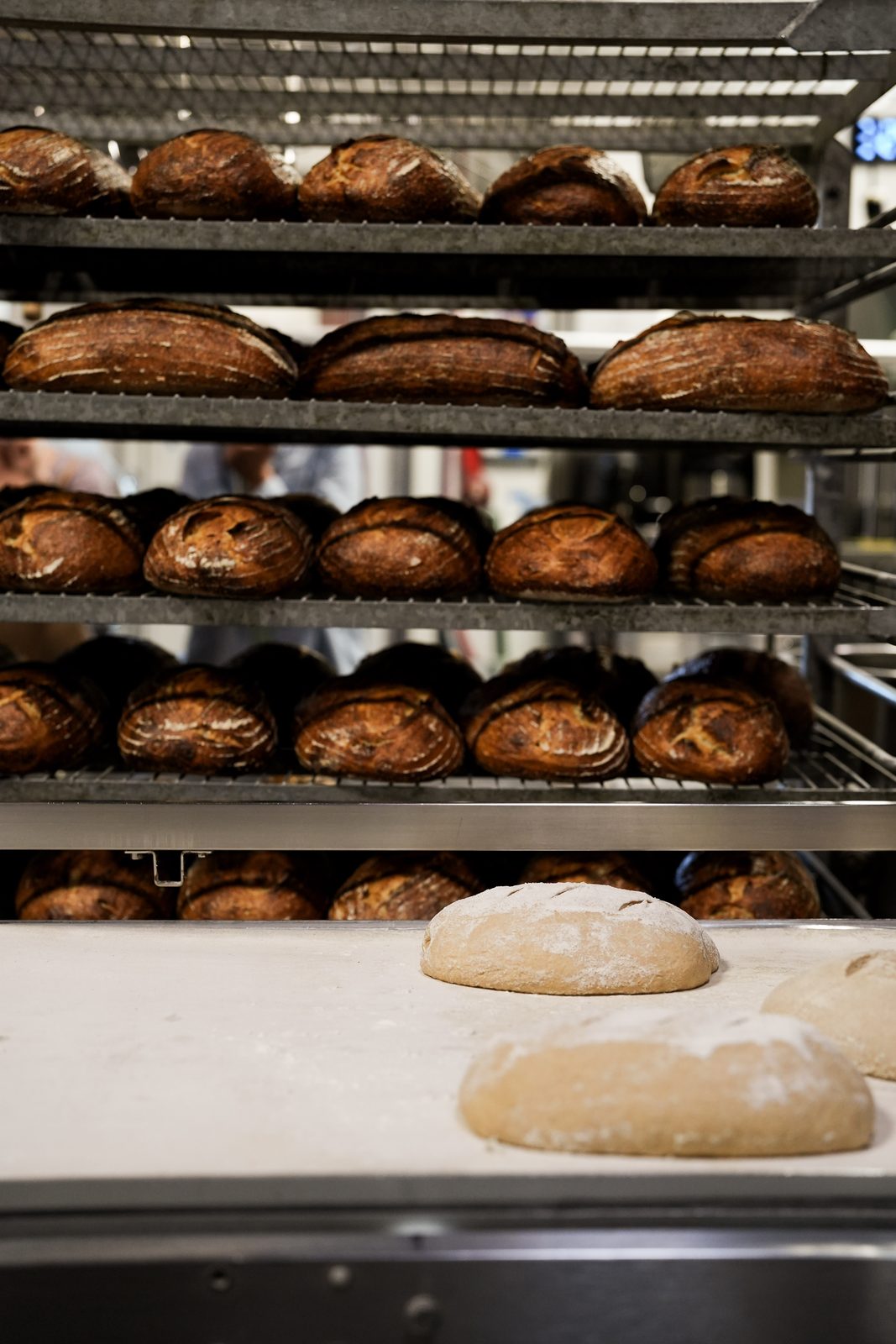
Erik was a prince of a host, generous and forgiving. Plus, our loaves were actually promising.
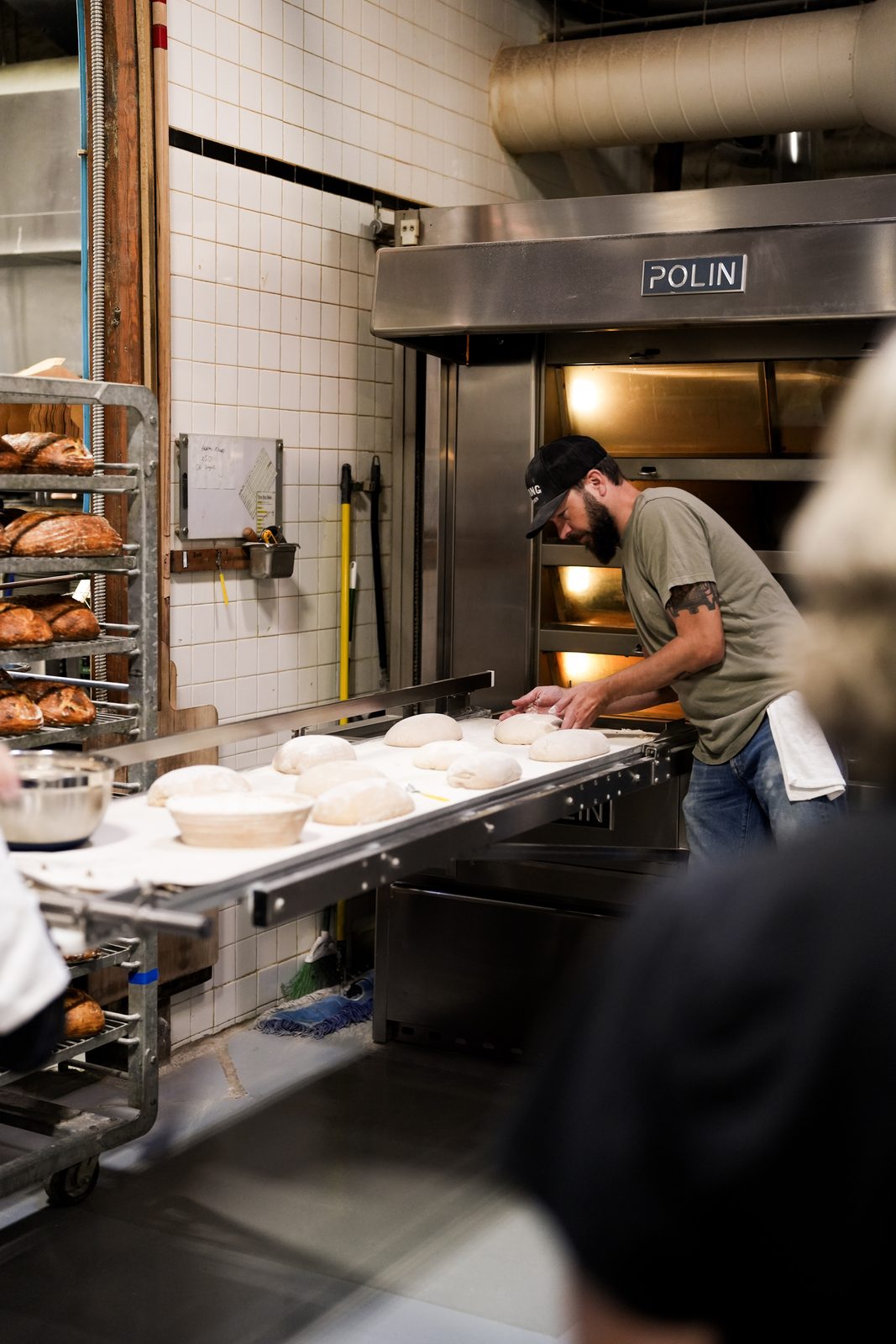
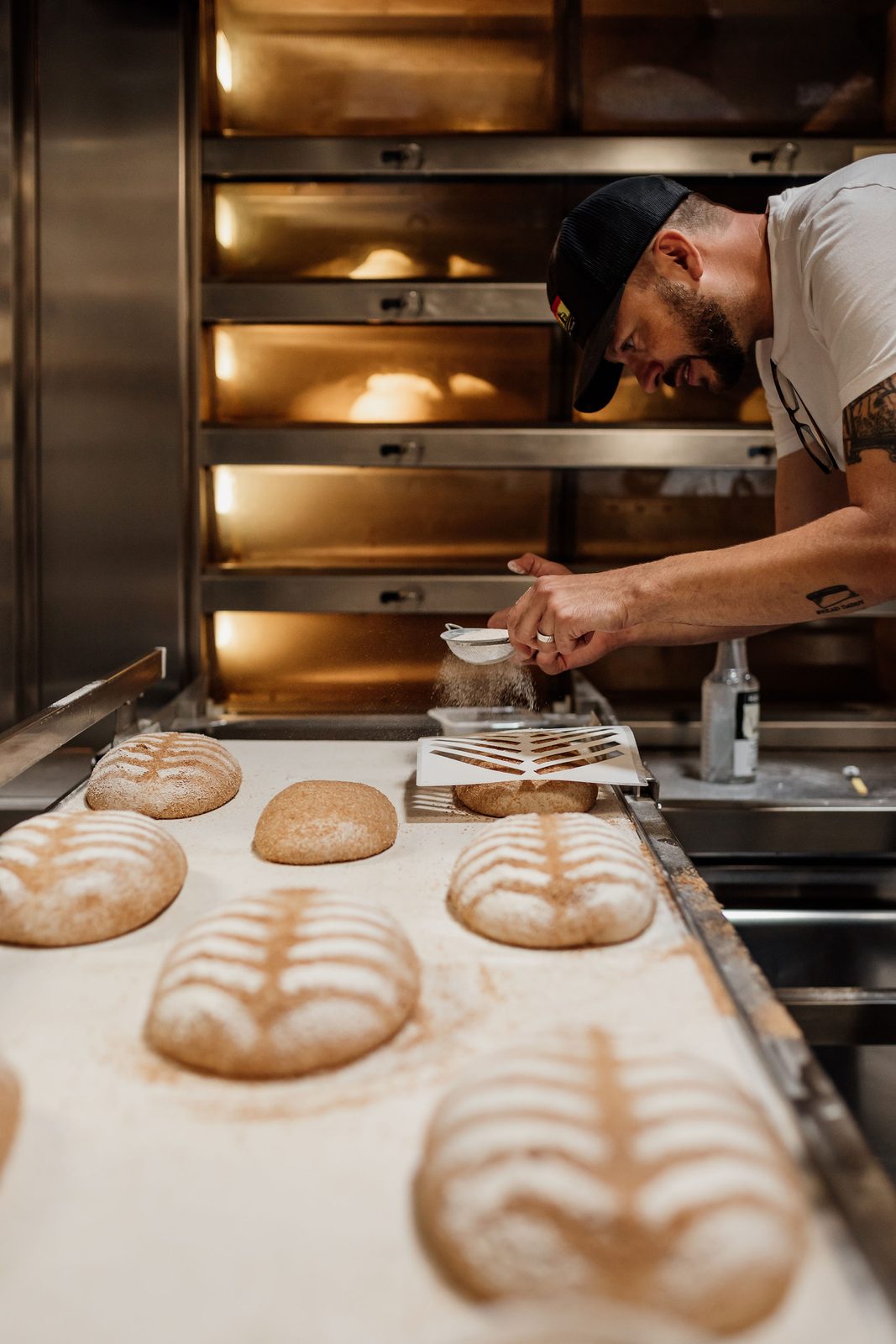
We razor-scored each with a signature mark.
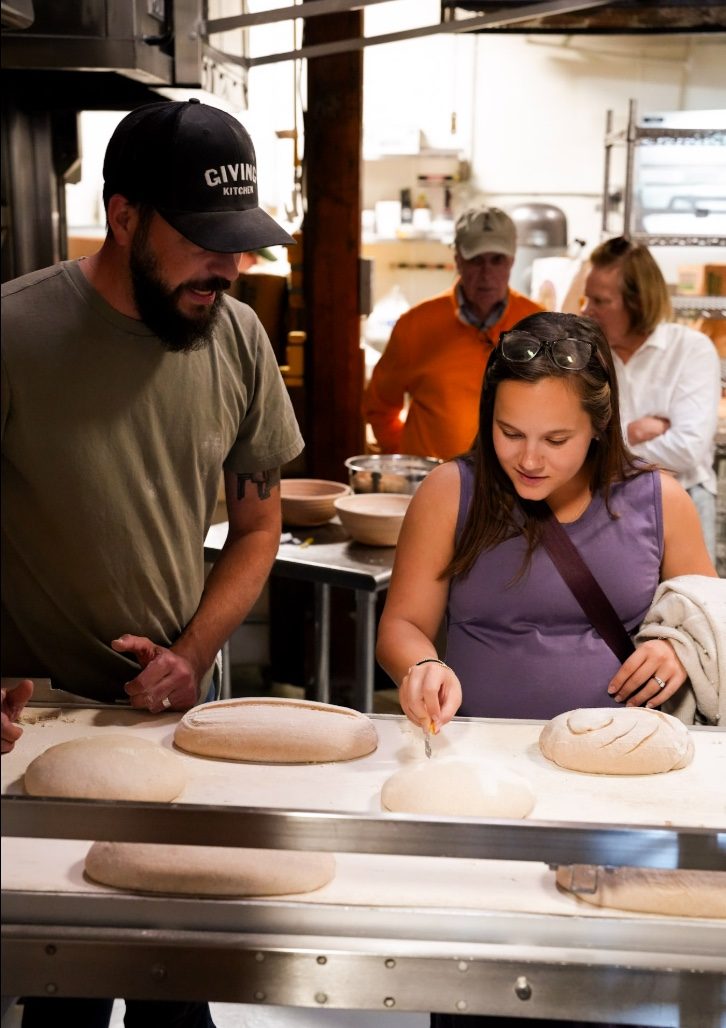
While they baked, we toured the mill, grain storage and bakery. Folks snapped photos, asked questions, laughed with each other.
A half-hour later, we unloaded our bread from the oven onto the cooling racks.
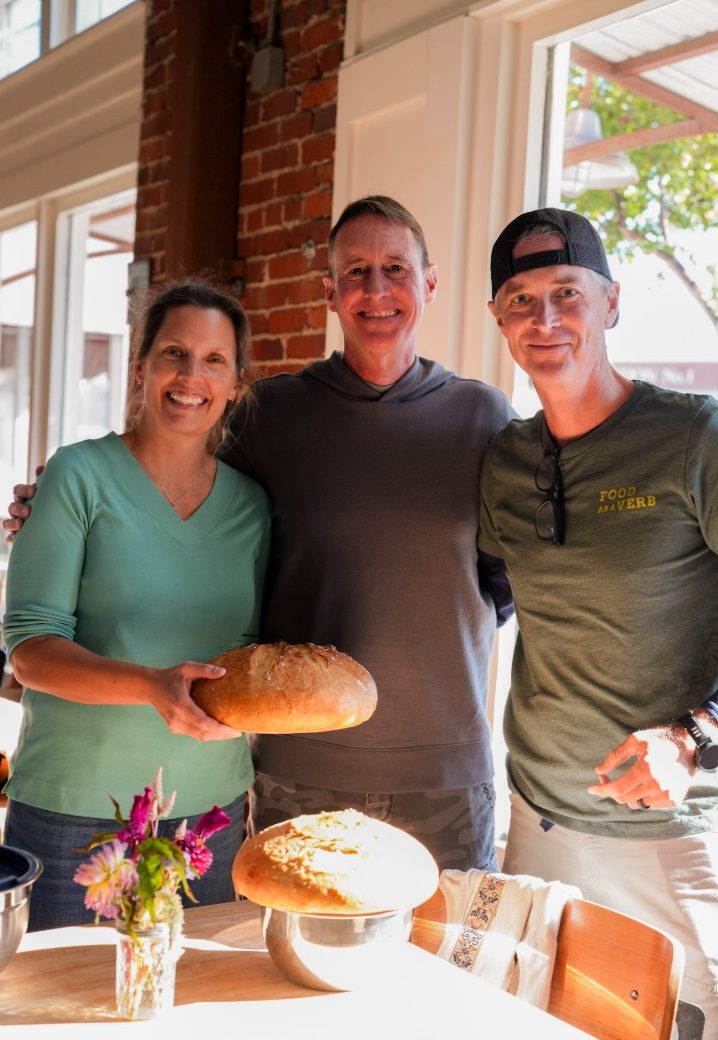
It was beautiful for so many reasons: all these steaming, warm loaves of bread, baked by so many diffferent Chattanoogans.
Flour democracy: the people's loaves.
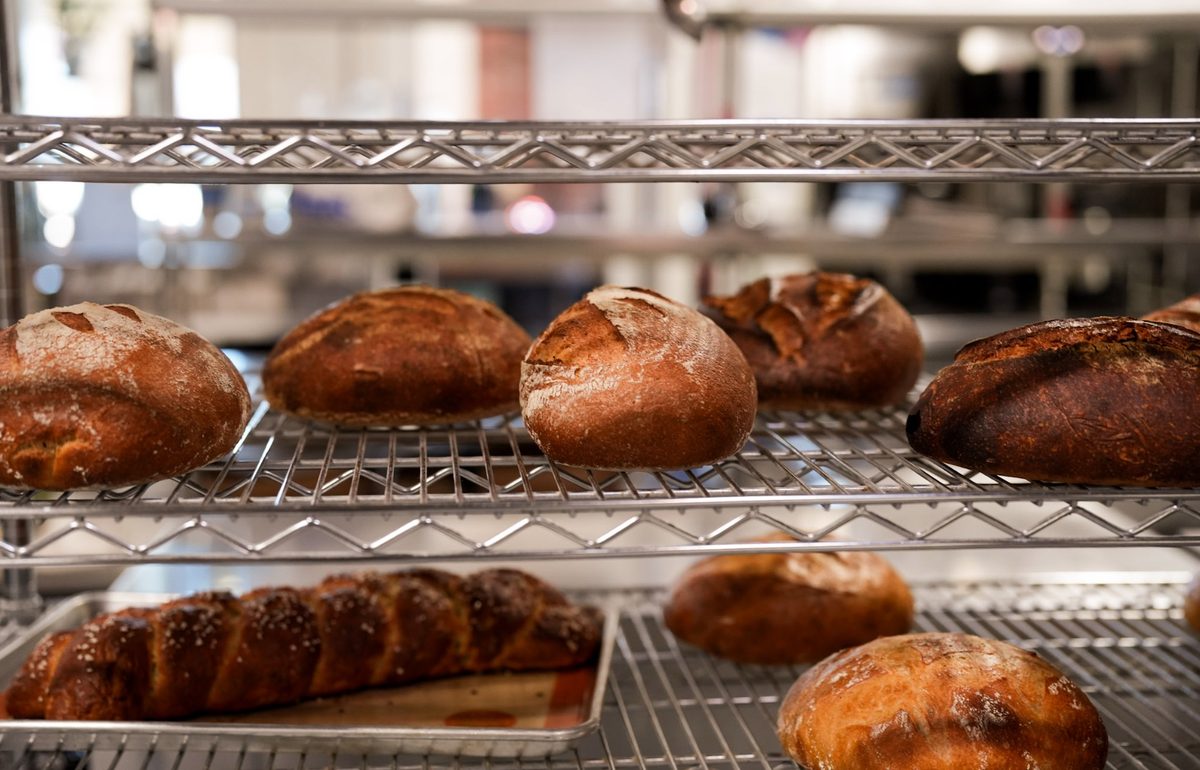
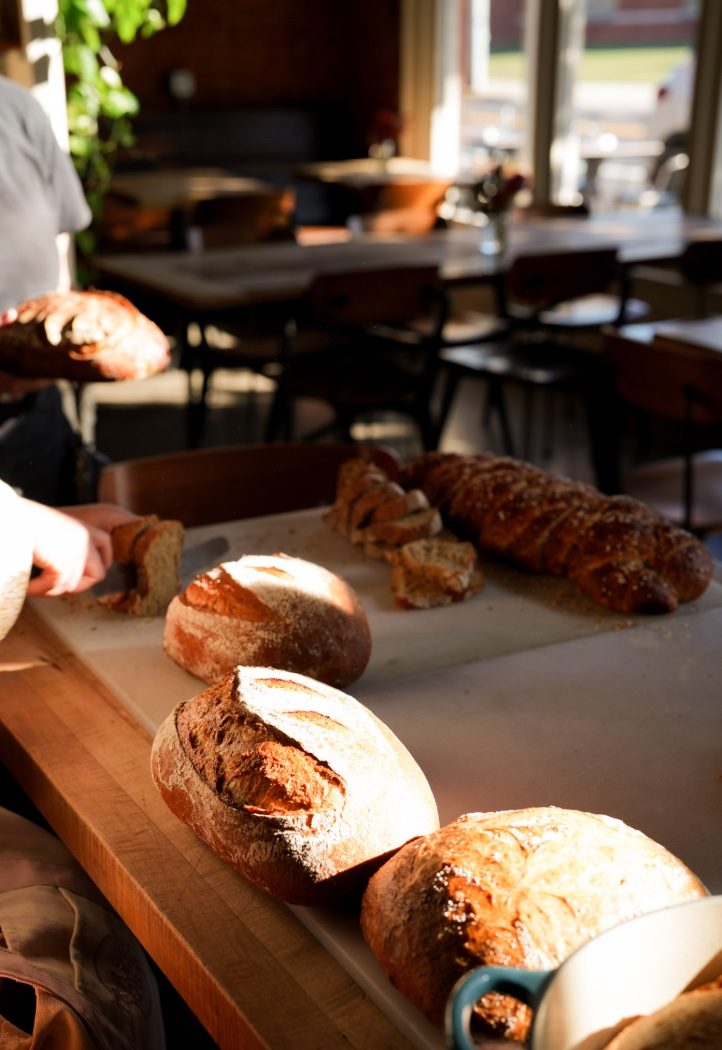
We carried them out onto the bakery's main table.
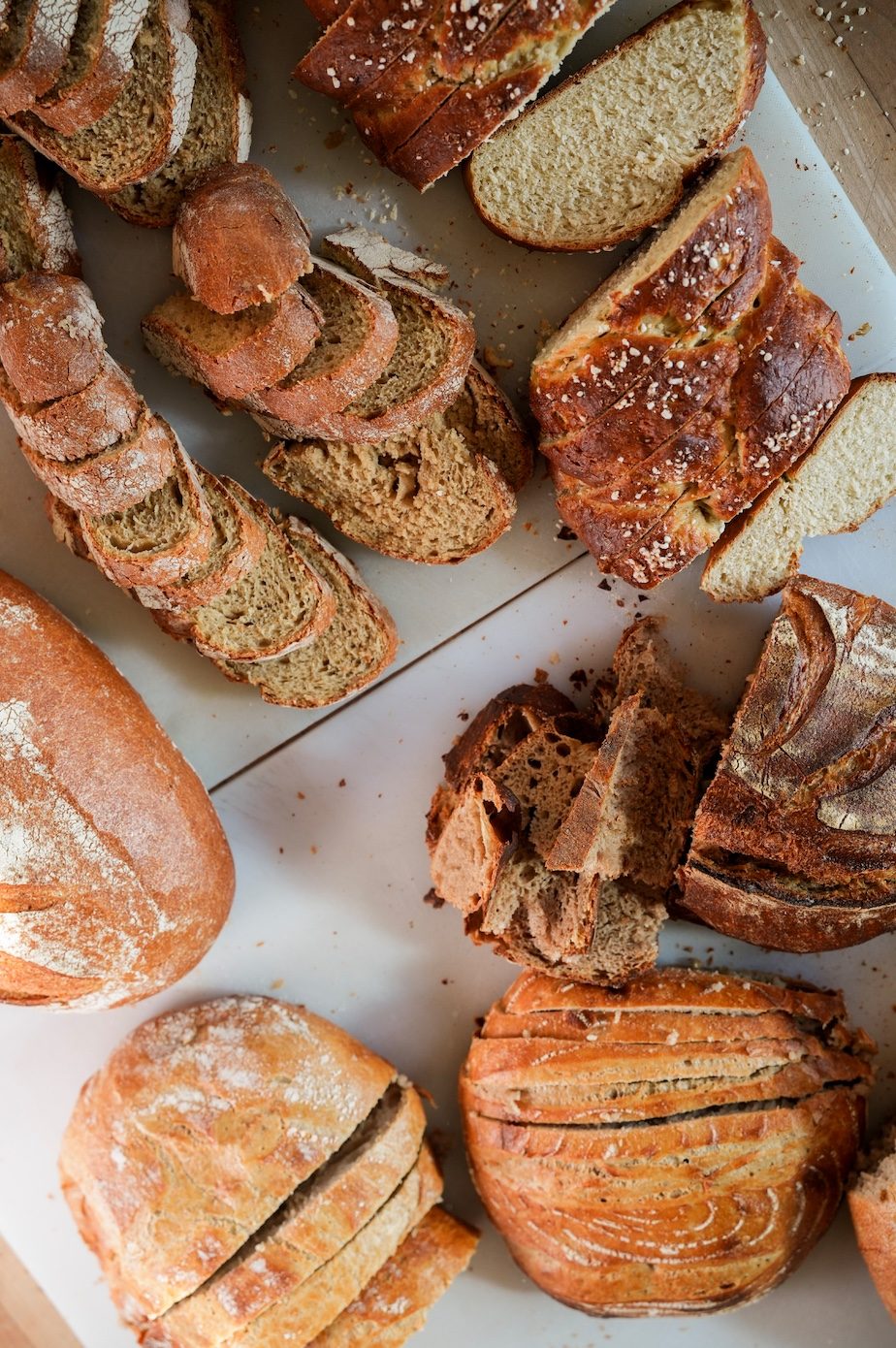
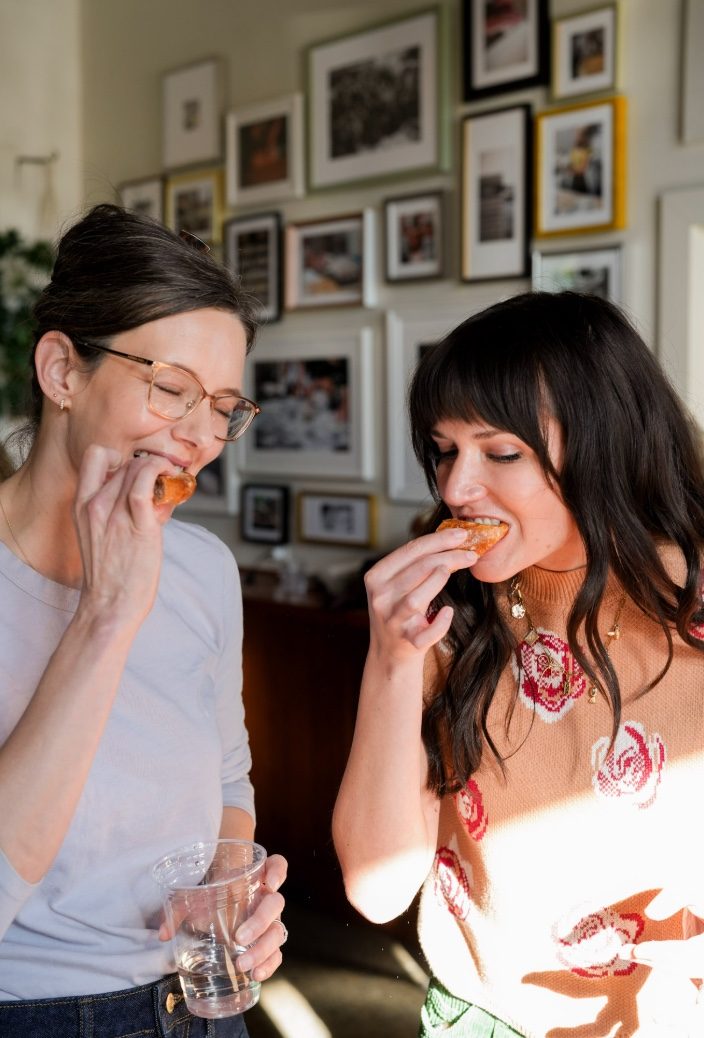
And began slicing ours and each other's. We were strangers who had become friends over the act of baking.
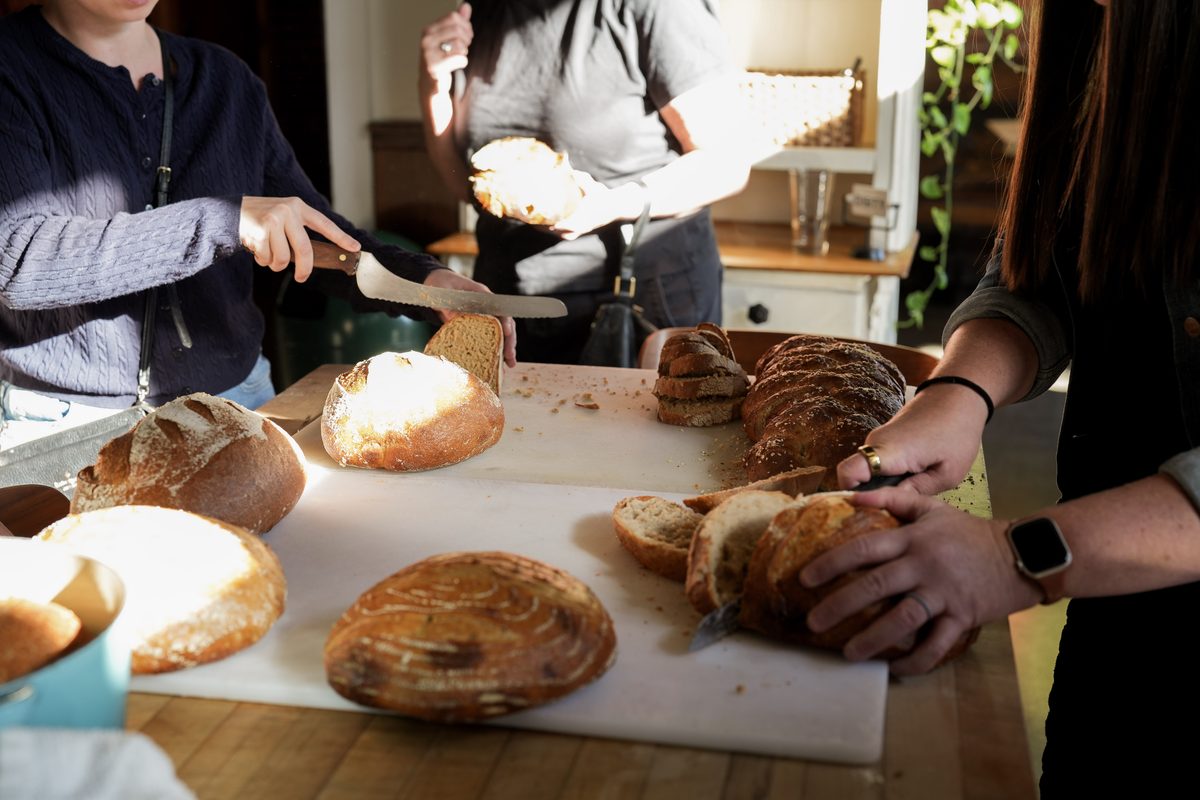
We ate and laughed and listened to Erik and Lauren tell their stories.
But remember, there's part of this I haven't talked about before.
First? Here's what Erik wrote a few days later:
Last week, about twenty home bakers gathered at our ovens, each bringing proofed dough from their own recipes. It was a chance to bake in a commercial oven, share their bread, and connect with fellow bakers.
Some were proud of their creations; others hoped no one would notice theirs. The doughs came in all shapes and sizes, tucked into Tupperware, baskets, metal bowls, and Dutch ovens. Each had its own flour, process, intention, and meaning. Yet they all shared the same hearth.
It felt like the way bakeries used to be, with people preparing bread at home and bringing it to the local baker to bake.
For a moment, the noise of running a small business fell quiet. The constant reactivity, the feeling that I needed to protect the bakery or make it into something more than it needed to be, faded. I wasn’t managing it, worrying about it, or trying to shape it. I was simply present within it.
And in that moment, I reconnected with a part of myself I sometimes worry gets lost in the demands of being a business owner: the part that trusts the craft to speak for itself and lets the bakery simply be what it is.
Thank you, Food as a Verb, for partnering and for filling our bakery with curious, passionate bakers!
We’ll have to do it again soon!
I loved what Erik wrote: it felt like the way bakeries used to be.
And especially this line:
And in that moment, I reconnected with a part of myself I sometimes worry gets lost in the demands of being a business owner: the part that trusts the craft to speak for itself and lets the bakery simply be what it is.
Yeah.
The thing that gets lost.
The path back to reconnection.
When I hold all this up to the light, I see it more for what it is.
We each walk around with our private struggles, loneliness and heartaches. You know I do. I can promise the Zilens do, too. Hot messes baked in hot ovens. The same is true for everyone baking bread that day.
The love story behind all these bread stories: on the days when Food as a Verb feels like it's down in the valley of the shadow — it's more than you may realize — somehow, there's always a little door that appears. It may be a Hobbit door, but it's still an opening into something ... else.
Reconnection.
And remembering.
At the top of what both Food as a Verb and Niedlov's have taught me, it's that.
We'll do this again soon in 2027. But it isn't only happening at Niedlov's. Jesus talked a lot about bread, and he also talked about community. When a few folks are gathered together in the name of friendship and fellowship, something mighty happens.
In all the difficulty, something rises together.
And it tastes like the one thing we need most:
Each other.
Story ideas, questions, feedback? Interested in partnering with us? Email: david@foodasaverb.com
This story is 100% human generated; no AI chatbot was used in the creation of this content.
I'd tried before, this homemade bread thing.
It was back in 2024, when Erik and Lauren Zilen were offering Chattanooga its first truly local loaf.
They called it Rogue.
Gosh knows you've heard this by now; we've told it in Food as a Verb, Oxford American and The Food Section.
But there's also part of this story I haven't told you.
Sure, when I tried in 2024 to bake my own loaf — from growing wheat to milling to baking, all with my own hands — it was hard. Hard as in: sloppy, clumsy, with two left feet or four right thumbs.
When Erik bakes bread, the heavens sing. Hands and dough are synchronous, each enjoying the other. Simon and Garfunkel. Kobe and Shaq. The light hits and ... yes. Gorgeous.
Me?
The Garfunky loaf I baked was left on the counter to cool. As is customary in a bakery, someone walked by and sampled it.
They thought it was a practical joke. A Punked loaf. Erik, are you sick, bro? Not feeling well? What the hell is this?
Mine's on the right, although that's pretty obvious.
Erik even wrote up a recipe.
So, last month, I got the opportunity to do it all over again. Niedlov's has its own mill — here's why that may be the 2026 story of the year — and the Zilens hosted a group of us to tour the bakery, see the new mill and then, viola: bake our own loaves in the big commercial oven.
Tickets were sold through The Table and were gone in two days. The Zilens gave us a recipe to follow; the event was on a Sunday in October. Two days before, we picked up our starter and instructions.
We called it: Baking Bread Together.
Two dozen of us showed up with our starter loaves and began loading them in the big commercial oven. Chef Mallory Grimm from LUNCH drove down. Farmers came from Riceville. When the oven saw me coming, it shuddered and groaned: not him again. (Tim Moore, thank you for the photography.)
It was communal and civic. Loaves were Goldilocks: some large, some small, some just right.
It also felt like a yeast imposter syndrome. Cooling on the racks nearby: Niedlov's James Beard award-winning loaves. We were nervous. How would ours compare? (Not him again.)
Erik was a prince of a host, generous and forgiving. Plus, our loaves were actually promising.
We razor-scored each with a signature mark.
While they baked, we toured the mill, grain storage and bakery. Folks snapped photos, asked questions, laughed with each other.
A half-hour later, we unloaded our bread from the oven onto the cooling racks.
It was beautiful for so many reasons: all these steaming, warm loaves of bread, baked by so many diffferent Chattanoogans.
Flour democracy: the people's loaves.
We carried them out onto the bakery's main table.
And began slicing ours and each other's. We were strangers who had become friends over the act of baking.
We ate and laughed and listened to Erik and Lauren tell their stories.
But remember, there's part of this I haven't talked about before.
First? Here's what Erik wrote a few days later:
Last week, about twenty home bakers gathered at our ovens, each bringing proofed dough from their own recipes. It was a chance to bake in a commercial oven, share their bread, and connect with fellow bakers.
Some were proud of their creations; others hoped no one would notice theirs. The doughs came in all shapes and sizes, tucked into Tupperware, baskets, metal bowls, and Dutch ovens. Each had its own flour, process, intention, and meaning. Yet they all shared the same hearth.
It felt like the way bakeries used to be, with people preparing bread at home and bringing it to the local baker to bake.
For a moment, the noise of running a small business fell quiet. The constant reactivity, the feeling that I needed to protect the bakery or make it into something more than it needed to be, faded. I wasn’t managing it, worrying about it, or trying to shape it. I was simply present within it.
And in that moment, I reconnected with a part of myself I sometimes worry gets lost in the demands of being a business owner: the part that trusts the craft to speak for itself and lets the bakery simply be what it is.
Thank you, Food as a Verb, for partnering and for filling our bakery with curious, passionate bakers!
We’ll have to do it again soon!
I loved what Erik wrote: it felt like the way bakeries used to be.
And especially this line:
And in that moment, I reconnected with a part of myself I sometimes worry gets lost in the demands of being a business owner: the part that trusts the craft to speak for itself and lets the bakery simply be what it is.
Yeah.
The thing that gets lost.
The path back to reconnection.
When I hold all this up to the light, I see it more for what it is.
We each walk around with our private struggles, loneliness and heartaches. You know I do. I can promise the Zilens do, too. Hot messes baked in hot ovens. The same is true for everyone baking bread that day.
The love story behind all these bread stories: on the days when Food as a Verb feels like it's down in the valley of the shadow — it's more than you may realize — somehow, there's always a little door that appears. It may be a Hobbit door, but it's still an opening into something ... else.
Reconnection.
And remembering.
At the top of what both Food as a Verb and Niedlov's have taught me, it's that.
We'll do this again soon in 2027. But it isn't only happening at Niedlov's. Jesus talked a lot about bread, and he also talked about community. When a few folks are gathered together in the name of friendship and fellowship, something mighty happens.
In all the difficulty, something rises together.
And it tastes like the one thing we need most:
Each other.
Story ideas, questions, feedback? Interested in partnering with us? Email: david@foodasaverb.com
This story is 100% human generated; no AI chatbot was used in the creation of this content.
Food as a verb thanks our story sponsor:
Food as a Verb Thanks our sustaining partner:
Food as a verb thanks our story sponsor:
Join our table

keep reading